
In kitchens, bathrooms, and workshops across the country, paper towels remain a go-to for quick cleanups. But with growing concerns about waste, cost, and sustainability, reusable alternatives like quick dry towels are gaining traction. Made from ultra-absorbent microfiber or bamboo blends, these towels promise faster drying, repeated use, and less environmental harm. But do they truly deliver enough value to justify abandoning the convenience of paper?
The answer isn’t a simple yes or no—it depends on your lifestyle, cleaning habits, and long-term priorities. By examining performance, cost, hygiene, and environmental impact, we can determine whether making the switch is practical, economical, and sustainable.
Performance: How Do They Compare in Real Use?
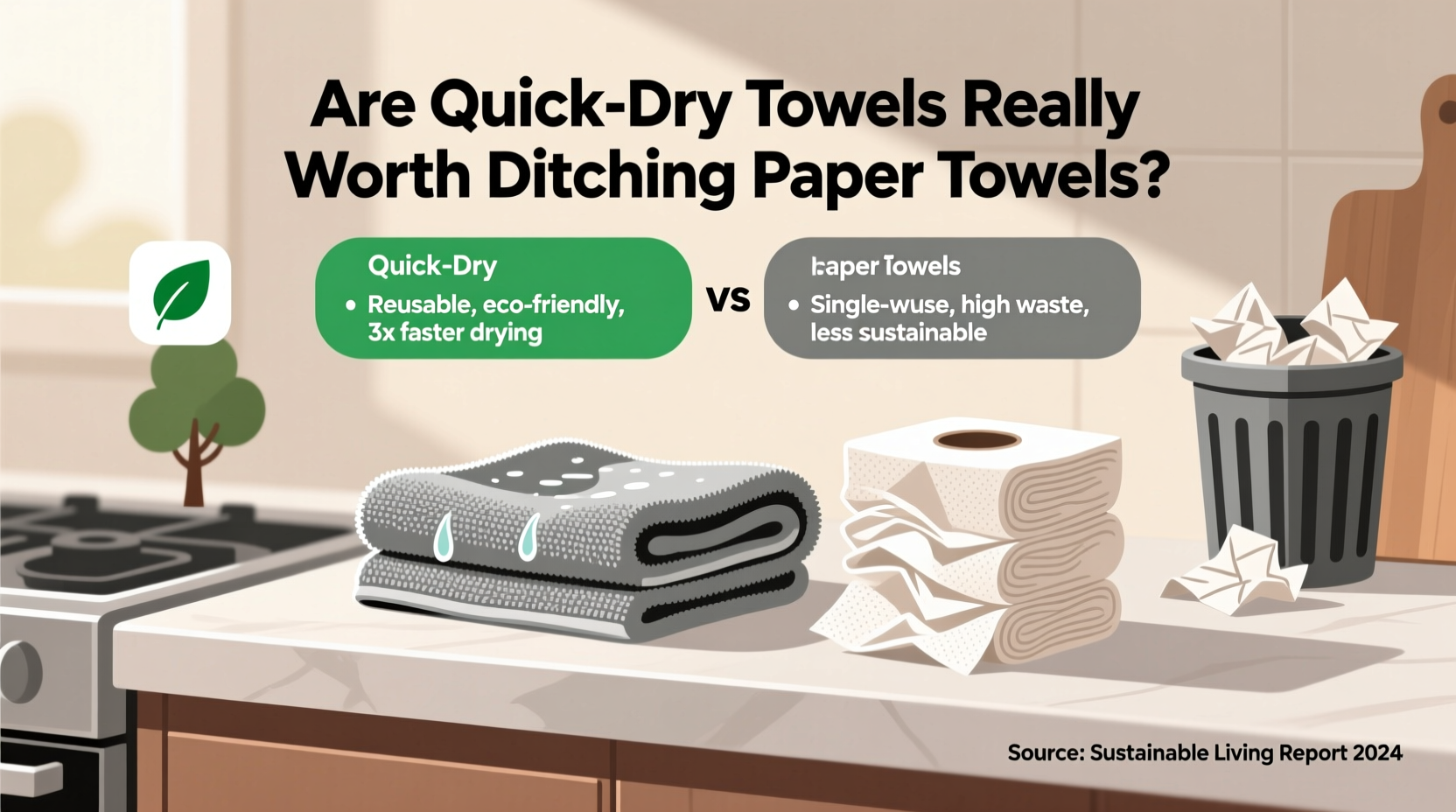
Quick dry towels are engineered for efficiency. Unlike traditional cotton kitchen towels that stay damp for hours, quick dry versions wick moisture rapidly and air out within minutes. This reduces bacterial growth and makes them ideal for high-moisture environments like kitchens and bathrooms.
Most are made from a blend of polyester and polyamide (microfiber), or eco-conscious materials like bamboo and TENCEL™. These fibers offer superior absorbency—often soaking up several times their weight in water—and leave fewer lint residues than cotton or paper.
When tested side-by-side with paper towels:
- Absorbency: High-quality quick dry towels absorb more liquid per square inch.
- Durability: They withstand hundreds of washes without losing effectiveness.
- Surface safety: Less abrasive than paper, reducing scratches on glass, stainless steel, or screens.
- Drying time: Most dry completely in under 30 minutes when hung properly.
However, paper towels still win in scenarios requiring immediate disposal—such as handling raw meat juices or chemical spills—where cross-contamination is a concern.
Cost Analysis: Upfront Investment vs. Long-Term Savings
Paper towels seem inexpensive at first glance—typically $1 to $2 per roll—but costs add up quickly. The average U.S. household spends between $150 and $300 annually on paper towels alone.
In contrast, a set of six high-performance quick dry towels ranges from $25 to $50. While this requires an initial outlay, the long-term savings are significant. With proper care, each towel lasts 2–5 years, washing well over 300 times. Over five years, that’s less than $10 per year in replacement costs versus $750–$1,500 spent on disposables.
“We’ve cut our cleaning supply budget by nearly 40% since switching to reusable quick dry towels.” — Mark Reynolds, Sustainable Home Consultant
Five-Year Cost Comparison
| Item | Initial Cost | Replacement Frequency | Total 5-Year Cost |
|---|---|---|---|
| Paper Towels (avg. 2 rolls/month) | $0 | Monthly | $900 |
| Quick Dry Towel Set (6-pack) | $35 | Every 3–5 years | $35–$70 |
| Laundry Detergent (extra load/week) | N/A | Ongoing | $100–$150 |
| Total Estimated Cost | $135–$220 |
Even factoring in additional laundry, users save $680–$765 over five years. The break-even point often comes within 6–10 months.
Hygiene and Maintenance: Are Reusable Towels Clean Enough?
One common objection to ditching paper towels is hygiene. Can a reusable cloth be as sanitary as a disposable?
The answer lies in usage and laundering practices. A damp towel left bunched in a sink corner becomes a breeding ground for bacteria. But when used correctly—rinsed after heavy messes, hung to dry, and washed weekly at high temperatures—quick dry towels pose no greater risk than any other kitchen textile.
Microfiber, in particular, has natural antimicrobial properties due to its tight weave, which limits microbial retention. Many brands also treat fabrics with silver-ion coatings to inhibit odor-causing bacteria.
Maintenance Best Practices
- Rinse or pre-wash heavily soiled towels immediately.
- Hang flat or on a hook—never fold while damp.
- Wash every 3–7 days depending on use.
- Use fragrance-free detergent; avoid fabric softeners (they clog fibers).
- Tumble dry low or air dry to preserve integrity.
Environmental Impact: Waste Reduction That Adds Up
The average American uses about 3,000 paper towels per year. Nationally, that translates to over 13 billion pounds of paper towel waste annually—most of which isn’t recyclable due to contamination.
Manufacturing paper towels consumes vast amounts of water, energy, and trees. According to the Environmental Protection Agency, producing one ton of paper towels requires approximately 17 trees and 20,000 gallons of water.
Reusable quick dry towels drastically reduce this footprint. One towel replaces hundreds of paper sheets. Even accounting for water and energy used in laundering, lifecycle analyses show a net reduction in carbon emissions and resource depletion.
“Switching to reusables is one of the most impactful daily changes a household can make.” — Dr. Lena Patel, Environmental Scientist at Green Living Institute
That said, not all quick dry towels are created equal. Synthetic microfiber sheds microplastics during washing. To mitigate this:
- Choose towels labeled “low-shed” or made from recycled PET with reinforced stitching.
- Wash in a Guppyfriend bag or use a microfiber filter on your washing machine.
- Consider plant-based options like bamboo or eucalyptus blends.
Real-World Example: A Family’s Year Without Paper Towels
The Thompson family of four in Portland, Oregon, decided to eliminate paper towels entirely in January 2023. They invested in a 10-piece set of bamboo-blend quick dry towels and established a routine: two towels always available in the kitchen, others rotated through the laundry twice a week.
At first, they missed the “throw it away” ease of paper. Spills involving pet accidents or raw chicken required extra caution. But within three weeks, using color-coded towels became second nature.
By December, they reported:
- No increase in illness or household odors.
- Savings of $220 compared to the previous year’s paper towel spending.
- A noticeable reduction in kitchen trash volume.
- Preference for the softness and effectiveness of reusable towels.
They now recommend the switch to friends and keep one roll of unbleached paper towels only for emergencies like major flooding or biohazards.
Frequently Asked Questions
Can I use quick dry towels for everything paper towels do?
Almost. They excel at wiping counters, drying hands, cleaning windows, and mopping spills. However, for tasks involving hazardous materials, bodily fluids, or highly contaminated surfaces, disposable paper remains the safer choice.
How many quick dry towels do I need to replace paper towels completely?
Most households find 6–12 towels sufficient. This allows for continuous rotation—some in use, some drying, some in laundry—without running short.
Do quick dry towels smell over time?
They shouldn’t if cared for properly. Persistent odors usually mean trapped moisture or detergent buildup. Wash with white vinegar (½ cup) once a month to deep-clean fibers and restore freshness.
Checklist: Making the Switch Successfully
- ✅ Assess your current paper towel usage patterns.
- ✅ Purchase 6–12 quick dry towels in varied sizes and colors.
- ✅ Label or designate towels by use area (kitchen, bathroom, garage).
- ✅ Install hooks or a rack for proper drying.
- ✅ Set a laundry schedule (every 3–7 days).
- ✅ Keep one roll of paper towels on hand for emergencies.
- ✅ Track savings and waste reduction monthly.
Final Verdict: Yes—With Smart Habits
Quick dry towels are absolutely worth ditching paper towels for—if you’re willing to adopt a few consistent habits. They outperform paper in absorbency and longevity, slash household waste, and deliver real financial returns over time.
The transition requires minor behavioral adjustments, but the payoff is substantial: cleaner countertops, lighter trash cans, and a smaller environmental footprint. For eco-conscious families, minimalists, or anyone tired of constantly restocking paper, the switch is not just logical—it’s inevitable.




 浙公网安备
33010002000092号
浙公网安备
33010002000092号 浙B2-20120091-4
Comments
No comments yet. Why don't you start the discussion?