
In an era where digital access defines academic success and professional productivity, a dependable laptop is no longer a luxury—it’s a necessity. For students juggling online lectures and research papers, or remote workers managing video calls and project deadlines, the right device can make all the difference. Yet, with new laptops often priced beyond budget limits, many are turning to refurbished models as a cost-effective alternative. But the question remains: Can a refurbished laptop truly meet the demands of modern education and remote work?
The answer isn’t a simple yes or no. Refurbished laptops vary widely in quality, origin, and reliability. However, when sourced wisely, they offer a compelling blend of affordability, performance, and sustainability—without sacrificing essential functionality.
What Exactly Is a Refurbished Laptop?
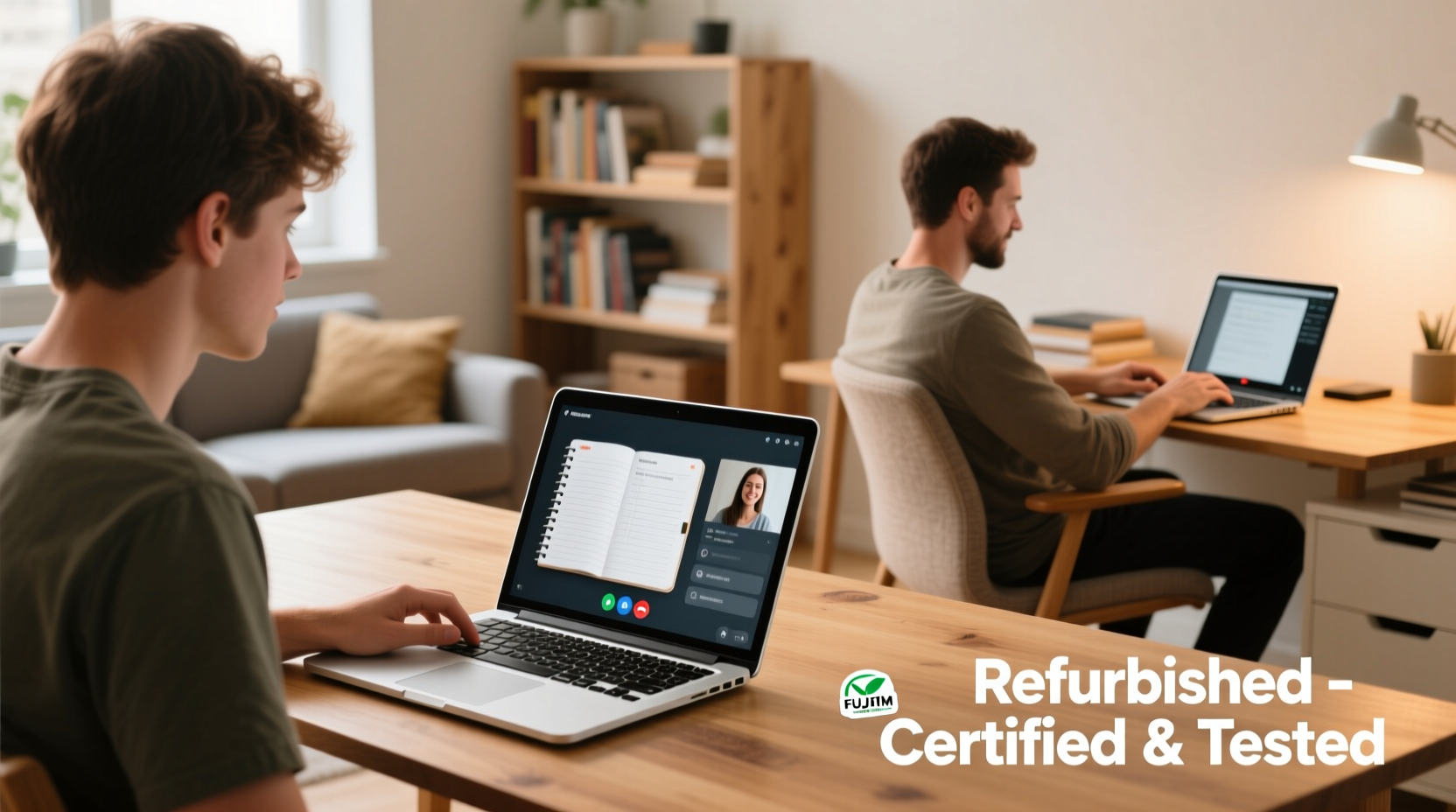
A refurbished laptop is a previously owned device that has been returned, inspected, repaired if necessary, cleaned, and restored to full working condition. Unlike used laptops sold “as-is,” refurbished units undergo a standardized process to ensure they meet specific quality benchmarks before being resold.
There are three main categories of refurbished laptops:
- Manufacturer-refurbished: Devices returned directly to the brand (e.g., Dell, Apple, Lenovo) and restored by certified technicians using original parts.
- Retailer-refurbished: Sold through authorized retailers like Best Buy or Amazon Renewed, often with warranties and quality checks.
- Third-party refurbished: Restored by independent sellers; quality varies significantly and should be approached with caution.
The key distinction lies in oversight. Manufacturer and authorized refurbishers typically follow strict protocols, including hardware diagnostics, battery health assessments, operating system reinstalls, and cosmetic grading.
“Refurbished doesn’t mean broken. It means given a second life—with proper vetting, these devices perform just like new.” — Sarah Lin, Senior Tech Analyst at Consumer Insights Group
Performance and Reliability: Do They Hold Up?
One of the biggest misconceptions about refurbished laptops is that they’re outdated or underpowered. In reality, many refurbished units are recent-generation models returned due to minor issues—such as a scratched casing or buyer’s remorse—not performance flaws.
For students and remote workers, typical computing needs include:
- Web browsing and email management
- Document creation (Word, Google Docs)
- Spreadsheet and presentation software (Excel, PowerPoint, Slides)
- Video conferencing (Zoom, Teams, Meet)
- Light multimedia editing or coding
Most mid-tier refurbished laptops—equipped with at least an Intel i5 or AMD Ryzen 5 processor, 8GB RAM, and 256GB SSD—handle these tasks efficiently. Even older models with Core i3 processors remain functional for basic use, especially when upgraded with more RAM or a solid-state drive.
Real-World Example: A Student’s Experience
Maya, a university sophomore studying communications, needed a reliable laptop for her hybrid coursework but had only $400 to spend. After researching options, she purchased a manufacturer-refurbished Lenovo ThinkPad E14 with an Intel i5, 16GB RAM, and 512GB SSD for $389, including a one-year warranty.
Nine months later, Maya reports consistent performance across Zoom lectures, multitab research sessions, and collaborative Google Workspace projects. “It runs smoother than my friend’s brand-new budget laptop,” she says. “And I saved enough to buy noise-canceling headphones and a backup external drive.”
This case illustrates how a well-chosen refurbished device can deliver long-term value without compromise.
Cost vs. Value: The Financial Advantage
New laptops suitable for students and remote professionals typically start around $600–$800 for mid-range models. Premium devices easily exceed $1,000. Refurbished alternatives often sell for 30% to 50% less, offering immediate savings while maintaining core functionality.
Consider this comparison:
| Device Type | Specs | Avg. New Price | Avg. Refurbished Price | Savings |
|---|---|---|---|---|
| New HP Pavilion | i5, 8GB RAM, 256GB SSD | $699 | — | — |
| Refurbished Dell Latitude | i5, 16GB RAM, 512GB SSD | — | $379 | $320+ |
| New MacBook Air M1 | 8GB/256GB | $899 | — | — |
| Refurbished MacBook Air M1 | 8GB/256GB | — | $649 | $250 |
Beyond upfront savings, refurbished laptops also support sustainable consumption. According to a 2023 report by the United Nations Institute for Training and Research (UNITAR), extending the lifespan of electronics by just one year reduces their carbon footprint by up to 30%. Choosing refurbished aligns with eco-conscious values while stretching limited budgets.
How to Choose a Reliable Refurbished Laptop: A Step-by-Step Guide
Not all refurbished laptops are created equal. To avoid disappointment, follow this five-step evaluation process before purchasing:
- Determine your minimum specs. For most students and remote workers, aim for:
- CPU: Intel Core i5 / AMD Ryzen 5 or better
- RAM: 8GB minimum (16GB recommended)
- Storage: 256GB SSD or higher
- OS: Windows 10/11 or macOS with update eligibility
- Buy from trusted sources. Prioritize:
- Manufacturer-certified programs (Apple Certified Refurbished, Dell Outlet, Lenovo Refurbished)
- Authorized retailers (Amazon Renewed Premium, Best Buy Outlet)
- Reputable third parties with verified customer reviews
- Check warranty and return policy. Reputable sellers offer at least a 90-day warranty, with many providing one year. Ensure returns are accepted within 30 days.
- Review cosmetic grading. Most sellers use grades like:
- Grade A: Minimal wear, no scratches
- Grade B: Light scuffs, fully functional
- Grade C: Visible marks, best for budget buyers
- Verify battery health. Ask for battery cycle count (especially for MacBooks). Below 500 cycles on a 1,000-cycle design indicates good remaining life. On Windows devices, look for \"battery health\" reports or seller disclosures.
Common Pitfalls to Avoid
While many refurbished laptops are excellent buys, certain red flags signal potential problems:
- No warranty or return window – Avoid sellers who offer neither protection nor recourse.
- Vague descriptions – Phrases like “used condition” or “works fine” lack transparency.
- Missing serial numbers or tampered labels – These may indicate stolen or unauthorized devices.
- Pre-installed bloatware or non-genuine OS – Confirm the operating system is clean and activated with a valid license.
- Older than 5 years – Even powerful older models may struggle with modern software updates and security patches.
Additionally, steer clear of marketplaces like Craigslist or Facebook Marketplace unless you can personally inspect the device and test its performance on-site.
FAQ: Your Top Questions Answered
Do refurbished laptops last as long as new ones?
Yes, when properly maintained. Many refurbished business-class laptops (like ThinkPads or Latitudes) are built for durability and routinely last 4–6 years in demanding environments. Battery life may degrade slightly faster, but replacement batteries are often available and affordable.
Is a refurbished MacBook worth it for college students?
Absolutely. Apple’s certified refurbished program is one of the most trusted in the industry. Refurbished MacBooks come with a new battery,外壳 (case), and one-year warranty—functionally equivalent to new at a lower price. For students in design, programming, or media fields, the macOS ecosystem offers robust tools and long-term software support.
Can I upgrade a refurbished laptop later?
Some can. Older models with accessible RAM and storage slots allow upgrades. However, many ultrabooks (especially MacBooks and newer Windows laptops) have soldered components. Check upgradeability before buying if future-proofing matters to you.
Final Checklist Before Buying
Before finalizing your purchase, run through this quick checklist:
- ✅ Device is from a certified refurbisher (manufacturer or authorized retailer)
- ✅ Minimum specs meet your workload needs (i5/Ryzen 5, 8GB+ RAM, SSD)
- ✅ Includes at least a 90-day warranty
- ✅ Battery health is disclosed and acceptable
- ✅ Operating system is genuine and updated
- ✅ Charger is included
- ✅ Return policy allows testing period (at least 14–30 days)
Conclusion: Smart Choice, When Done Right
Refurbished laptops are not only reliable for students and remote workers—they can be smarter choices than new budget models. With careful selection, you gain access to higher-tier hardware, extended usability, and significant savings, all while reducing electronic waste.
The key is diligence: know your needs, trust reputable sources, and verify the condition before buying. A well-maintained refurbished laptop can serve you reliably throughout college or support years of productive remote work without crashing during a critical presentation or deadline.
Technology shouldn’t be a financial burden. By embracing the refurbished market responsibly, you invest in performance, sustainability, and peace of mind—all without compromising on quality.




 浙公网安备
33010002000092号
浙公网安备
33010002000092号 浙B2-20120091-4
Comments
No comments yet. Why don't you start the discussion?