
At first glance, switching from single-use plastic bags to reusable grocery bags seems like an obvious win for the planet. They’re durable, often made from recycled materials, and can be used dozens—if not hundreds—of times. But is the reality as clear-cut as it appears? The answer depends on a range of factors: how often the bag is reused, what it’s made from, how it’s produced, and how it’s ultimately disposed of. A deeper look reveals that while reusable bags have significant environmental benefits when used consistently, their overall impact hinges on consumer behavior and manufacturing practices.
The global push to reduce plastic waste has led many cities and countries to ban or tax single-use plastic bags. In response, consumers have embraced reusable alternatives—canvas totes, polypropylene sacks, and recycled PET designs now dominate checkout lines. Yet recent lifecycle assessments suggest that some reusable bags must be used far more than people typically assume to outperform plastic in terms of carbon footprint, water use, and resource consumption.
The Environmental Cost of Production
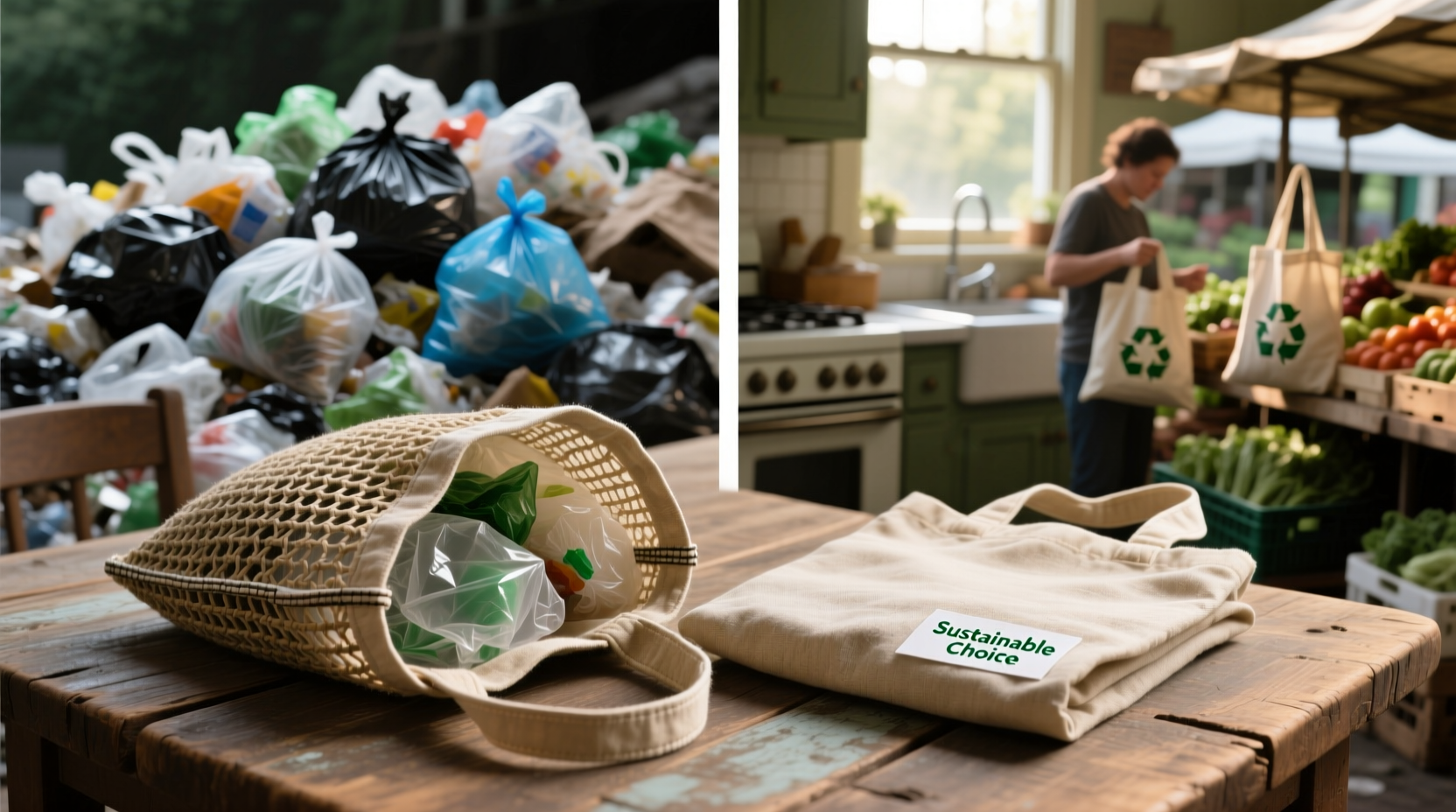
One of the most overlooked aspects of reusable bags is their initial environmental cost. Unlike single-use plastic bags, which require minimal raw materials and energy to produce, reusable bags are heavier, more complex, and demand more resources during manufacturing.
A 2018 study by the Danish Environmental Protection Agency analyzed the environmental impact of various types of shopping bags across 14 categories, including climate change, water use, and resource depletion. The results were surprising: a conventional low-density polyethylene (LDPE) plastic bag had the lowest production footprint per unit. However, because these bags are typically used once, their cumulative impact is high when multiplied by billions of uses.
In contrast, a cotton tote bag must be used **at least 7,000 times** to match the global warming potential of a single-use plastic bag if all are incinerated after use. Even non-woven polypropylene bags—common at supermarkets—must be reused **37 times** to break even on emissions.
“People assume cotton is ‘natural’ and therefore eco-friendly, but growing and processing cotton is extremely resource-intensive.” — Dr. Amara Malik, Sustainable Materials Researcher, University of Cambridge
The high water and pesticide demands of conventional cotton farming contribute significantly to this footprint. One kilogram of cotton can require up to 20,000 liters of water, much of it drawn from already-stressed watersheds. Organic cotton reduces chemical inputs but still requires substantial irrigation.
Lifecycle Comparison: Plastic vs. Reusable
To evaluate whether reusable bags are truly better, we need to compare their entire lifecycle—from raw material extraction to end-of-life disposal. Below is a simplified comparison of common bag types based on key environmental indicators.
| Bag Type | Climate Impact (CO₂e per bag) | Water Use (liters) | Minimum Reuses to Match Plastic | End-of-Life Notes |
|---|---|---|---|---|
| Single-use LDPE Plastic | 1.6 kg CO₂e | 22 | 1 | Often littered; slow to degrade; recyclable in theory, rarely in practice |
| Non-woven Polypropylene | 58 kg CO₂e | 100 | 37 | Recyclable but often contaminated; long lifespan if maintained |
| Cotton Tote (conventional) | 272 kg CO₂e | 20,000+ | 7,000 | Biodegradable but only if uncontaminated; rarely composted |
| Recycled PET (rPET) | 30 kg CO₂e | 50 | 19 | Made from plastic bottles; recyclable but degrades over time |
This table illustrates a critical point: the environmental benefit of reusable bags is not inherent—it must be earned through repeated use. A reusable bag abandoned after two trips does more harm than good compared to using two plastic bags.
Real-World Usage Patterns: The Behavior Gap
While the math suggests high reuse thresholds, actual consumer behavior tells a different story. A 2021 UK Environment Agency survey found that the average reusable bag is used only **5 to 9 times** before being discarded. Many end up crumpled under car seats, forgotten in closets, or lost altogether. Others are washed frequently—sometimes unnecessarily—adding to their water and energy footprint.
Consider the case of Sarah, a resident of Portland, Oregon. She proudly owns 12 reusable bags—gifts from stores, promotions, and well-meaning friends. “I try to bring them every time,” she says, “but I forget half the time. When I do remember, I often end up buying another one because mine are dirty or I left them in the car.” Over three years, Sarah estimates she’s used each bag fewer than 10 times. By the numbers, her collection has generated more emissions than if she’d used plastic bags exclusively.
This pattern is widespread. Without systems to encourage consistent use—such as bag return programs, deposit schemes, or visible storage reminders—the environmental promise of reusables remains largely unfulfilled.
Material Matters: Choosing the Right Bag
Not all reusable bags are created equal. The material significantly influences both environmental impact and practicality. Here’s a breakdown of common options:
- Polypropylene (non-woven): Lightweight, affordable, and water-resistant. Most common at grocery stores. Requires ~37 uses to offset plastic. Best for frequent shoppers who commit to reuse.
- Recycled PET (rPET): Made from post-consumer plastic bottles. Lower carbon footprint than virgin polyester. Durable but may degrade after multiple washes.
- Organic Cotton: Grown without synthetic pesticides. Still water-intensive but less polluting than conventional cotton. Needs hundreds of uses to justify impact.
- Hemp or Jute: Naturally strong, biodegradable, and require less water and pesticides. Rare in mainstream retail but excellent for long-term use.
- Nylon or Polyester: Very durable but derived from fossil fuels. High melting point makes recycling difficult. Avoid unless used extensively.
The best choice depends on your shopping habits. If you shop twice a week, a sturdy rPET or polypropylene bag makes sense. For occasional use, even a well-used plastic bag might be the lower-impact option—especially if it’s later repurposed as a trash liner.
Maximizing the Benefit: A Step-by-Step Guide
To ensure your reusable bags deliver real environmental gains, follow this practical sequence:
- Assess your shopping frequency. How often do you go to the store? Daily? Weekly? This determines how many bags you realistically need.
- Choose one or two durable bag types. Focus on quality over quantity. Two well-made bags are better than ten flimsy ones.
- Store bags strategically. Place them where you’ll see them before leaving home: near keys, in the car, or packed in a foldable version inside your everyday bag.
- Wash only when necessary. Most bags don’t need washing after every use. Spot clean spills and air out dampness instead.
- Track usage mentally. Aim for at least 50 uses per bag. If a bag tears early, recycle it properly or repurpose it (e.g., as a cleaning rag).
- Dispose responsibly. Check local recycling guidelines. Some facilities accept polypropylene; others require drop-off at specific centers.
“The biggest mistake people make is treating reusable bags like disposables. They buy new ones constantly, defeating the purpose.” — Lena Torres, Circular Economy Advocate, Green Cities Initiative
Checklist: Are You Using Reusable Bags Sustainably?
- ✅ Own no more than 3–4 reusable bags
- ✅ Use each bag at least once a week
- ✅ Store bags in visible, accessible locations
- ✅ Wash bags sparingly and air-dry when possible
- ✅ Repair minor damage (e.g., loose straps) instead of replacing
- ✅ Recycle or donate bags you no longer use
- ✅ Avoid single-use bags even when you forget your reusables
Frequently Asked Questions
Do reusable bags really reduce waste?
Yes—but only if used consistently. A bag used 50+ times prevents hundreds of single-use bags from entering landfills or ecosystems. However, if reused infrequently or produced in excess, they can generate more waste due to higher resource input.
Are paper bags a better alternative?
Paper bags have a moderate environmental impact. They require cutting trees and significant energy to produce, but they’re biodegradable and easier to recycle than plastic. They must be reused at least 3–4 times (e.g., as lunch bags or compost liners) to justify their footprint. They’re not a long-term solution but can be a transitional option.
Can I compost my old cotton tote?
Pure cotton totes without synthetic coatings or dyes can be composted in industrial facilities. Home composting may take months and risks contamination if inks or thread are present. Cut into strips and add gradually to avoid clumping.
The Bigger Picture: Systems Over Symbols
Reusable bags are a symbol of environmental consciousness, but symbols alone don’t solve ecological crises. Their true value emerges within a broader system of sustainable consumption. Reducing overall shopping frequency, buying in bulk, choosing package-free goods, and supporting refill stations have far greater impacts than bag choice alone.
Moreover, policy plays a crucial role. Countries like Ireland, which introduced a plastic bag tax in 2002, saw usage drop by over 90%. Revenue funded environmental programs, creating a virtuous cycle. In contrast, bans without education or infrastructure often lead to unintended consequences—like increased sales of small garbage bags to replace plastic carryouts.
The most effective solutions combine individual action with systemic change: incentives for reuse, standardized recycling, and corporate responsibility for packaging design.
Conclusion: Reuse Wisely, Not Just Often
Reusable grocery bags can be better for the environment—but only when used wisely and consistently. Their production footprint is real, and their benefits are not automatic. To make a measurable difference, treat each bag as a long-term investment. Choose durable materials, limit your collection, and integrate reuse into your routine.
The goal isn’t perfection; it’s progress. Every time you remember your bag, you’re participating in a shift toward mindful consumption. Start small. Use one bag repeatedly. Track its journey. When it finally wears out, celebrate its service—and pass on the habit.




 浙公网安备
33010002000092号
浙公网安备
33010002000092号 浙B2-20120091-4
Comments
No comments yet. Why don't you start the discussion?