
Reusable makeup remover pads have surged in popularity as eco-conscious consumers seek sustainable alternatives to disposable cotton rounds. Made from soft materials like bamboo, cotton, or microfiber, these washable pads promise cost savings, reduced waste, and gentler skin contact. But a critical question remains: are they truly hygienic—especially when not cleaned properly?
The answer is both simple and complex. While reusable pads can be a sanitary addition to a skincare routine, their hygiene depends almost entirely on consistent and correct washing. When neglected, these seemingly harmless tools can become breeding grounds for bacteria, mold, and yeast—posing real risks to skin health.
This article dives into the science of microbial growth on fabric, explores common user habits, and provides actionable guidance for maintaining truly clean reusable pads. Whether you're new to reusable beauty tools or looking to refine your current routine, understanding the hygiene implications is essential for protecting your skin and maximizing the benefits of sustainability.
The Hidden Risks of Improperly Washed Pads
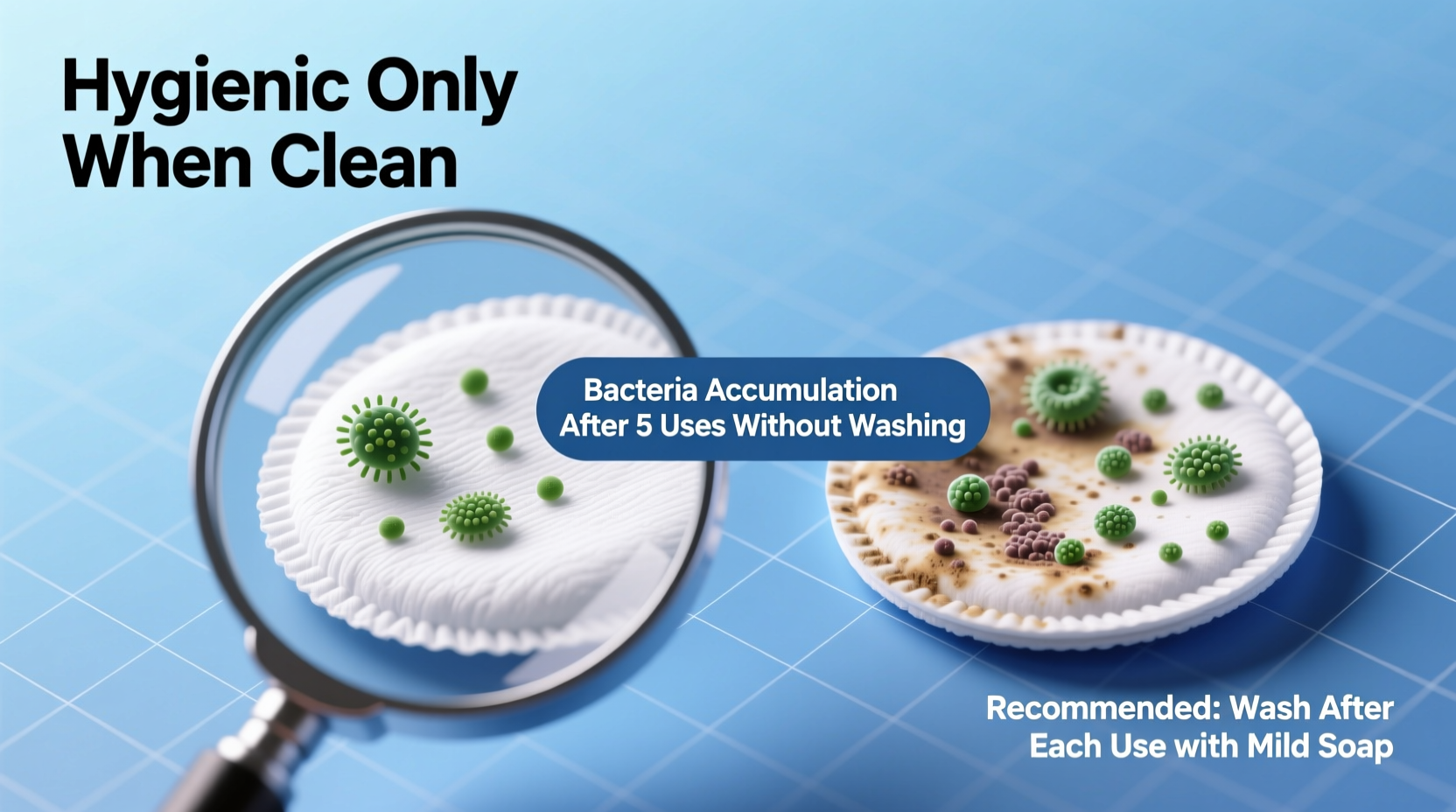
Makeup remover pads come into direct contact with facial oils, dead skin cells, cosmetics, and potentially acne-causing bacteria. After use, they retain moisture—especially if stored damp—which creates an ideal environment for microbial proliferation.
A 2021 study published in the Journal of Applied Microbiology found that damp textile surfaces left unwashed for more than 24 hours showed significant increases in bacterial colonies, including strains of Staphylococcus epidermidis and Propionibacterium acnes. These microbes, while naturally present on skin, can cause breakouts, irritation, or infections when allowed to accumulate and reintroduce to pores.
Moreover, many users underestimate how quickly contamination occurs. A pad used once and left crumpled in a bathroom drawer overnight may already host thousands of microorganisms by morning. Without proper laundering, each subsequent use becomes a transfer of built-up residue back onto the face.
How Often Should You Wash Reusable Makeup Pads?
The frequency of washing directly impacts hygiene. Experts agree that reusable pads should be laundered after every use. Unlike towels that may be reused several times, makeup pads interact with sensitive facial areas and remove products that often contain oils, silicones, and preservatives—all of which feed microbial growth.
Dr. Lena Patel, a board-certified dermatologist based in Los Angeles, explains: “Facial skin is delicate and prone to clogged pores. Reintroducing a pad loaded with old makeup and bacteria is like spreading contaminated cotton across your face. It defeats the purpose of cleansing.”
“Reusing a dirty pad is no different than using a sponge you left in the sink for days. If you wouldn’t do that, don’t do it with your face.” — Dr. Lena Patel, Dermatologist
Some brands suggest waiting until you’ve accumulated a full load before washing, but this practice increases cross-contamination risk. Instead, consider rotating between two sets: one in use, one being washed and dried.
Step-by-Step Guide to Proper Pad Maintenance
Maintaining hygiene isn’t just about frequency—it’s also about method. Follow this timeline to ensure your pads remain clean and safe:
- Immediately after use: Rinse the pad under cool water to remove surface makeup and prevent stains.
- Store temporarily: Place in a breathable mesh laundry bag or ventilated container—not sealed plastic or damp drawers.
- Wash within 24 hours: Use a gentle, fragrance-free detergent. Machine wash cold on a delicate cycle with similar fabrics.
- Dry thoroughly: Air dry flat or hang in a well-ventilated area. Avoid damp bathrooms or dark closets where mold can form.
- Replace regularly: Inspect for fraying, thinning, or lingering odors. Most pads last 3–6 months with daily use.
Avoid using fabric softeners or bleach, which can degrade fibers and leave residues that irritate skin. For deeper sanitization, add white vinegar (½ cup) to the rinse cycle once a week to kill odor-causing bacteria and dissolve mineral buildup.
Common Washing Mistakes That Compromise Hygiene
Even well-intentioned users make errors that reduce the effectiveness of cleaning. Below are frequent missteps and their consequences:
| Mistake | Why It’s Problematic | Better Alternative |
|---|---|---|
| Washing only once a week | Allows bacteria to multiply over multiple uses | Wash after each use or daily |
| Using scented detergents | Fragrances can linger and irritate sensitive facial skin | Choose hypoallergenic, unscented detergents |
| Storing damp pads in closed containers | Promotes mold and mildew growth | Use mesh bags and allow airflow |
| Tumble drying on high heat | Can melt synthetic fibers or shrink natural ones | Air dry or use low-heat settings sparingly |
| Sharing pads between users | Transfers bacteria, viruses (e.g., cold sores), and fungi | Assign individual pads per person |
Mini Case Study: The Acne Flare-Up Linked to Reusable Pads
Sophia, a 28-year-old graphic designer, switched to reusable makeup pads to reduce waste. She loved the soft texture and environmental impact but began experiencing persistent chin breakouts after six weeks. Confused, she consulted a dermatologist.
Upon review, the doctor asked about her pad-washing routine. Sophia admitted she rinsed them briefly and tossed them into a sealed pouch until she had enough for a weekly machine wash. Lab testing of one pad revealed high levels of Corynebacterium and residual foundation containing comedogenic ingredients.
After switching to daily washing with a mild detergent and air-drying in sunlight, her breakouts subsided within three weeks. “I never thought my ‘eco-friendly’ swap could be causing the problem,” she said. “Now I treat them like toothbrushes—clean and replaced regularly.”
Best Materials for Hygienic Reusable Pads
Not all reusable pads are created equal. Material choice affects absorbency, durability, and antimicrobial resistance.
- Bamboo fiber: Naturally antibacterial due to its lignin content, highly absorbent, and biodegradable. Ideal for sensitive skin.
- Organic cotton: Soft and breathable but less inherently antimicrobial. Requires more diligent washing.
- Microfiber: Excellent at lifting makeup but can trap bacteria deep in fibers. Must be washed at higher temperatures (if fabric allows).
- Hemp blends: Durable and resistant to mold, though less common in commercial products.
Look for pads labeled OEKO-TEX® certified, meaning they’re free from harmful dyes and chemicals. This ensures safer contact with facial skin, especially for those with conditions like rosacea or eczema.
Checklist: Ensuring Your Reusable Pads Stay Hygienic
Follow this checklist to maintain optimal cleanliness and safety:
- ✅ Rinse pads immediately after each use
- ✅ Wash after every single use (daily)
- ✅ Use fragrance-free, gentle detergent
- ✅ Wash in a mesh laundry bag to protect fibers
- ✅ Air dry completely in a well-ventilated space
- ✅ Avoid sharing pads with others
- ✅ Replace pads every 3–6 months or when worn
- ✅ Sanitize monthly with vinegar or oxygen-based cleaner
- ✅ Store in open, dry areas—not sealed containers
- ✅ Monitor skin for reactions and adjust routine if needed
Frequently Asked Questions
Can I wash reusable pads with my regular laundry?
Yes, but place them in a mesh laundry bag to prevent tangling and ensure thorough cleaning. Wash with similar colors and avoid heavy items like jeans that can damage fibers. Use a gentle cycle and cold water unless the manufacturer specifies otherwise.
Do reusable pads really save money compared to disposables?
Yes, over time. A pack of 7 reusable pads costs $15–$25 and lasts 3–6 months with daily use. In contrast, a typical user spends $20–$40 annually on disposable cotton rounds. Within 6–12 months, reusables pay for themselves—and continue saving long-term.
Is it safe to use reusable pads if I have acne-prone skin?
Only if you maintain strict hygiene. Acne-prone skin is more vulnerable to bacterial reinfection. Always wash pads after each use, avoid harsh scrubbing, and replace them promptly when worn. Consider using separate pads for makeup removal and toner application to minimize cross-contact.
Conclusion: Hygiene Is Non-Negotiable
Reusable makeup remover pads offer undeniable environmental and economic advantages—but only when used responsibly. Their hygiene hinges on one non-negotiable rule: clean them after every use. Neglecting this step turns a sustainable choice into a potential hazard for your skin.
By adopting a disciplined routine—rinsing promptly, washing daily, drying thoroughly, and replacing regularly—you transform reusable pads into a genuinely healthy part of your skincare regimen. The effort is minimal compared to the payoff: clearer skin, less waste, and peace of mind knowing your routine supports both personal and planetary wellness.




 浙公网安备
33010002000092号
浙公网安备
33010002000092号 浙B2-20120091-4
Comments
No comments yet. Why don't you start the discussion?