
Every night, millions of people remove their makeup using cotton rounds or wipes—many of which end up in landfills after a single use. As environmental awareness grows and sustainable living becomes a priority, reusable makeup remover pads have emerged as a popular alternative. But are they truly better than disposable options? The answer depends on several factors: environmental impact, cost over time, hygiene, skin sensitivity, and personal habits. This article breaks down the full picture, offering data-driven insights and real-world considerations to help you make an informed choice.
Environmental Impact: Waste Reduction vs. Water Use
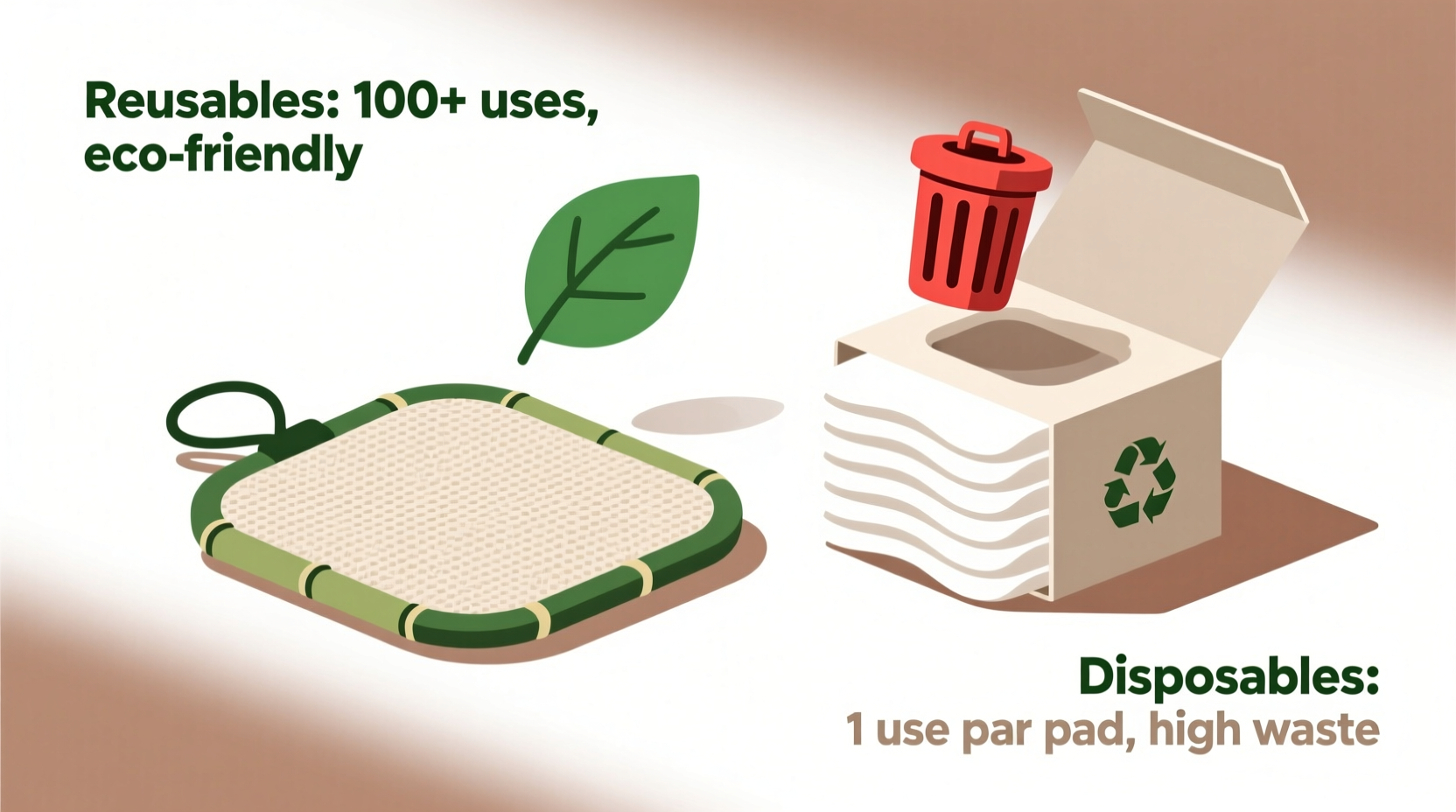
The most compelling argument for reusable pads lies in their potential to reduce waste. Disposable cotton rounds and wipes contribute significantly to household trash. A person using just one round per day generates over 365 used pads annually. Multiply that by millions of users, and the volume becomes staggering. Most of these are made from non-organic cotton or synthetic fibers and often contain plastic components, especially in pre-moistened wipes, making them non-biodegradable.
In contrast, a set of reusable pads—typically made from organic cotton, bamboo, or microfiber—can last anywhere from six months to two years with proper care. One pack of 7–10 pads can replace hundreds, even thousands, of disposables. However, this benefit comes with a caveat: water and energy consumption during laundering.
Washing reusable pads requires detergent, hot water, and machine cycles, all of which have an environmental footprint. Still, studies suggest that even when factoring in regular washing, the net environmental impact of reusables is lower than disposables over time. According to a 2022 lifecycle analysis by the Sustainable Materials Research Group, reusable pads generate about 68% less carbon emissions and 74% less landfill waste over a 12-month period compared to single-use alternatives.
Cost Comparison Over Time
At first glance, disposable pads appear cheaper. A standard pack of 100 cotton rounds costs between $2 and $5, depending on brand and quality. For someone using one pad daily, that’s roughly $10–$25 per year. Pre-moistened makeup wipes are even more expensive—premium brands can cost $3–$6 per pack of 25, translating to over $40 annually.
Reusable pads require a higher upfront investment. A quality set of 7–10 pads ranges from $12 to $25. While there’s no need to repurchase frequently, long-term savings depend on usage frequency and pad lifespan. Assuming a $20 initial cost and a two-year lifespan, the annual cost drops to $10—on par with basic cotton rounds but far below premium wipes.
Additionally, reusable pads often work more efficiently. Their textured surfaces (especially terry cloth or double-sided designs) lift makeup faster, sometimes requiring fewer passes—and less product—than thin disposable rounds. This can lead to indirect savings on cleansers and micellar water.
“Switching to reusables isn’t just eco-conscious—it’s economically smart. Most users break even within four to six months.” — Dr. Lena Patel, Sustainability Economist at Green Living Institute
Hygiene and Maintenance: What You Need to Know
One of the biggest concerns about reusable pads is hygiene. Can a pad used to wipe off makeup be safely reused without spreading bacteria or causing breakouts?
The short answer: yes, if cleaned properly. Makeup residue, oils, and bacteria can accumulate on pads if not washed promptly and thoroughly. However, regular machine or hand washing with mild detergent effectively removes contaminants. Experts recommend washing pads after every use, ideally within 24 hours, to prevent microbial growth.
Many reusable pads are designed to be machine-washable, often coming with a mesh laundry bag to protect them during cycles. They should be washed in warm water (around 30–40°C) and air-dried to preserve fabric integrity. Avoid fabric softeners, which can degrade absorbency over time.
Disposable pads win in convenience—no cleaning required—but they aren’t necessarily cleaner. Pre-moistened wipes may contain preservatives, alcohol, or fragrances that irritate sensitive skin. Dry cotton rounds can harbor dust or residues from manufacturing unless labeled hypoallergenic.
Best Practices for Hygienic Reusable Pad Use
- Use each pad only once before washing.
- Store used pads in a breathable container, not a sealed bag.
- Wash in warm water with gentle, fragrance-free detergent.
- Air-dry completely before reuse to prevent mildew.
- Replace pads when fraying, thinning, or losing absorbency (typically every 6–18 months).
Skin Sensitivity and Performance
Texture and material play a crucial role in how makeup remover pads interact with the skin. Disposable cotton rounds vary widely in quality. Thin, low-grade versions can shed fibers, feel rough, or require excessive rubbing—leading to irritation, especially around the delicate eye area.
Reusable pads, particularly those made from soft bamboo fleece or organic cotton, tend to be gentler. Many feature dual textures: a smoother side for light cleansing and a slightly exfoliating terry side for stubborn mascara or waterproof products. This versatility often results in less friction and reduced risk of tugging, which dermatologists warn can accelerate fine lines.
However, performance varies by design. Some microfiber pads, while effective at removing makeup, may feel too abrasive for sensitive or acne-prone skin. It’s essential to choose materials suited to your skin type.
Dr. Alicia Monroe, a board-certified dermatologist, notes: “The repeated mechanical stress from rough pads contributes to compromised skin barriers. Softer, well-maintained reusables can actually be more skin-friendly than cheap disposables.”
Material Comparison: Pros and Cons
| Material | Pros | Cons |
|---|---|---|
| Organic Cotton | Hypoallergenic, biodegradable, soft | Less durable, may require more pressure |
| Bamboo Fleece | Antibacterial, ultra-soft, highly absorbent | Higher cost, needs careful washing |
| Microfiber | Effective on waterproof makeup, quick-drying | Can be abrasive, sheds microplastics |
| Blended Fabrics | Balances softness and durability | May contain synthetics, less eco-friendly |
Real-World Example: Sarah’s Switch to Reusables
Sarah, a 32-year-old graphic designer from Portland, used disposable cotton rounds for years without thinking twice. After learning about plastic pollution in oceans, she decided to try reusable pads. She purchased a $18 set of 9 bamboo-cotton blend pads with a matching laundry bag.
At first, she found the routine adjustment challenging—remembering to toss used pads into a small bin instead of the trash, then washing them weekly. But within a month, it became habit. She noticed her skin felt less irritated, especially around her eyes, and she used less micellar water because the pads were more absorbent.
After 10 months, Sarah calculated she had saved approximately $30 compared to her previous disposable purchases and kept over 300 cotton rounds out of landfills. “It’s a small change,” she said, “but it feels good knowing I’m not contributing to waste every night.”
Step-by-Step Guide to Transitioning to Reusable Pads
Making the switch doesn’t have to be overwhelming. Follow this simple timeline to integrate reusable pads smoothly into your routine:
- Week 1: Research and Purchase
Select a starter pack based on your skin type and preferences. Look for OEKO-TEX or GOTS-certified materials for safety and sustainability. - Week 2: Trial Run
Use one reusable pad per night alongside your usual routine. Observe texture, effectiveness, and comfort. - Week 3: Full Integration
Replace all disposables with reusables. Set up a designated container for used pads near your sink. - Week 4: Establish Washing Routine
Wash your pads every 3–4 days or when you have a full load. Use a mesh bag and gentle cycle. - Ongoing: Monitor and Maintain
Inspect pads monthly for wear. Replace when necessary. Adjust washing frequency if odor or stiffness develops.
Frequently Asked Questions
Do reusable pads really remove waterproof makeup effectively?
Yes, especially those made from microfiber or terry cloth. Soak the pad in micellar water or oil-based cleanser and hold it over closed eyes for 10–15 seconds to break down mascara and eyeliner before gently wiping. Most users find they perform as well as—or better than—disposable rounds.
How do I stop my reusable pads from smelling musty?
Mustiness usually results from damp storage. Always air-dry pads completely before storing. Avoid sealing them in plastic containers while wet. If odor persists, wash them with a splash of white vinegar or oxygen-based cleaner to eliminate bacteria.
Are reusable pads suitable for acne-prone skin?
They can be, provided they’re cleaned regularly and made from non-irritating materials like organic cotton or bamboo. Poor hygiene is a bigger risk than the pad itself—dirty pads can transfer bacteria and clog pores. Change and wash them daily to minimize breakouts.
Final Verdict: Are They Really Better?
Reusable makeup remover pads offer clear advantages in sustainability and long-term cost savings. When maintained properly, they are hygienic, gentle on skin, and effective at removing all types of makeup. While the transition requires minor habit changes, the environmental payoff is significant: one user can prevent hundreds of single-use pads from entering landfills each year.
That said, they aren’t a perfect solution for everyone. Travelers may find them inconvenient due to washing logistics. Those with extremely busy routines might prefer the simplicity of disposables. And if not washed correctly, reusables can pose hygiene risks.
The key is intentionality. If you’re committed to reducing waste, saving money over time, and treating your skin gently, reusable pads are likely a better choice. But they only deliver on these promises if used and cared for responsibly.
Ready to Make the Switch?
Start small. Buy one high-quality set, test it for a few weeks, and see how it fits into your life. Pair it with a refillable glass bottle of micellar water, and you’ve built a truly sustainable skincare ritual. Share your experience, inspire others, and take pride in the little changes that add up to big impact.




 浙公网安备
33010002000092号
浙公网安备
33010002000092号 浙B2-20120091-4
Comments
No comments yet. Why don't you start the discussion?