
Every night, millions of people reach for a cotton pad to wipe away their makeup. For years, single-use rounds made from cotton or viscose have dominated bathroom cabinets. But as sustainability and skincare awareness grow, reusable makeup remover pads are gaining traction. At first glance, they come with a higher price tag than a $3 pack of disposables. So, is the switch truly worthwhile? The answer depends on how you value cost, convenience, environmental responsibility, and skin health over time.
The short answer: yes, reusable pads are often worth the initial investment — but only if used consistently. When evaluated across multiple factors — financial return, ecological footprint, dermatological benefits, and daily usability — the balance begins to tip in favor of reusables. Let’s examine why.
Cost Comparison: Upfront vs. Long-Term Spending
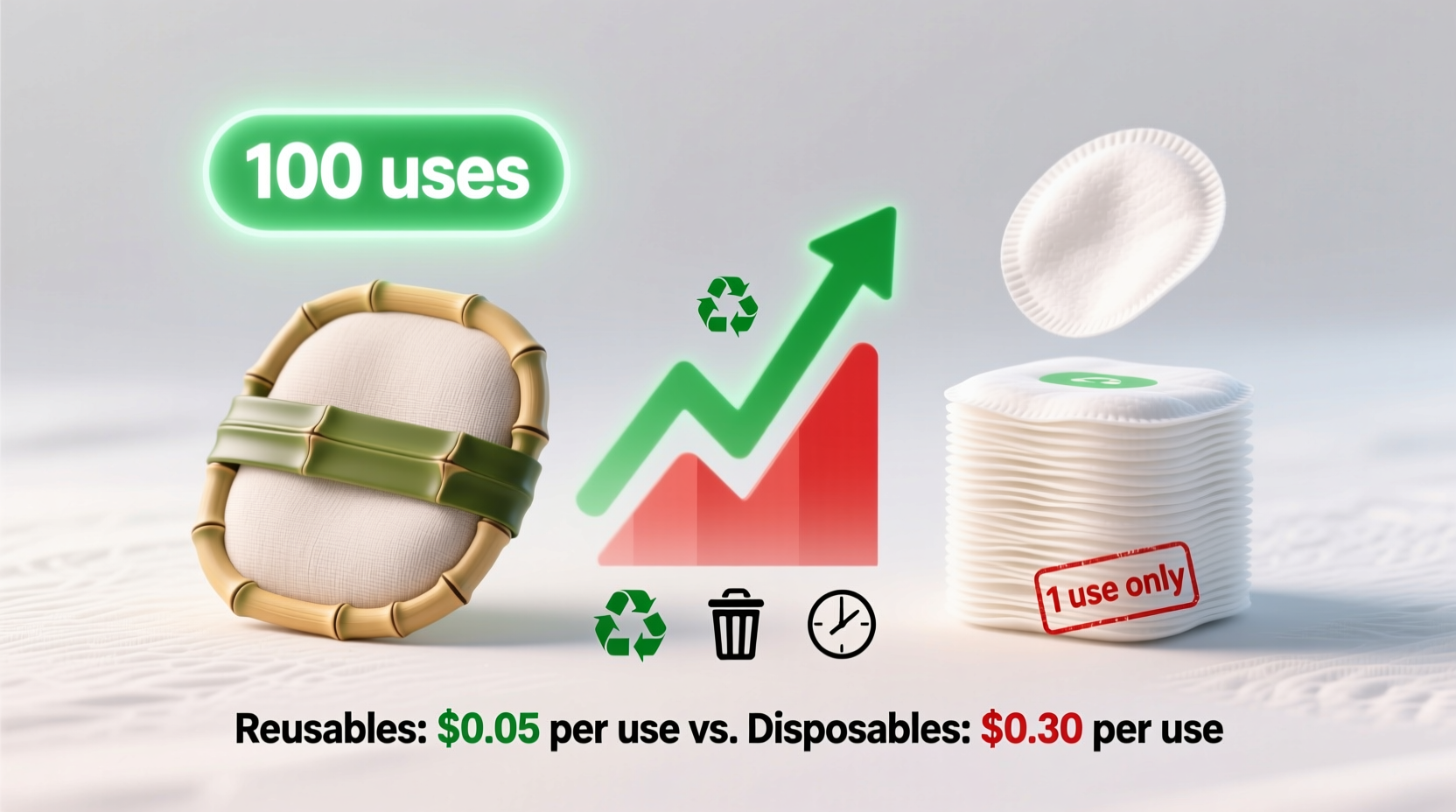
One of the most common objections to reusable pads is the upfront cost. A quality set of 7–10 reusable pads typically ranges from $15 to $30. In contrast, a pack of 100 disposable cotton rounds costs between $2 and $6. On paper, disposables win. But that perspective changes when usage extends beyond a few weeks.
Consider this: if you use two pads per day, you’ll go through 730 pads annually. At an average cost of $4 per 100-pack, that’s about $29.20 per year spent on disposables. Over three years, you’d spend nearly $88 — more than double the cost of even a premium reusable set.
| Product Type | Initial Cost | Annual Replacement Cost | 3-Year Total | Lifespan |
|---|---|---|---|---|
| Disposable Cotton Pads (100-pack) | $4.00 | $29.20 | $87.60 | 3 months per pack |
| Reusable Makeup Pads (set of 7) | $22.00 | $0 | $22.00 | 1–3 years |
This table assumes consistent nightly use without factoring in occasional double-cleansing or increased usage during travel or heavy makeup days. Even with conservative estimates, reusables pay for themselves within 10–12 months. After that, every use is essentially free.
Environmental Impact: Waste Reduction and Resource Use
Beyond cost, the environmental argument for reusables is compelling. The average person discards hundreds of cotton pads each year. Most end up in landfills, where they contribute to microfiber pollution or take months to decompose, especially if blended with synthetic materials.
Cotton farming itself is resource-intensive. It takes approximately 2,700 liters of water to produce enough cotton for one t-shirt — and while a single pad uses far less, the cumulative effect of billions of pads adds up. Viscose and rayon, common in premium disposables, are derived from wood pulp, often sourced from endangered forests.
In contrast, a reusable pad made from organic cotton or bamboo can be washed and reused hundreds of times. One study by the UK Environmental Agency estimated that switching to reusables reduces waste-related carbon emissions by up to 75% over their lifespan.
“Small switches like reusable cotton pads may seem minor, but when adopted at scale, they significantly reduce landfill burden and water consumption.” — Dr. Lena Patel, Environmental Scientist, Sustainable Living Institute
Moreover, many reusable pads are packaged plastic-free and shipped in recyclable materials, further reducing their footprint. Washing them adds minimal load to your laundry — especially if grouped with other delicates — and modern detergents are efficient enough that extra rinsing isn’t necessary.
Skin Benefits: Gentler on Sensitive Complexions
From a dermatological standpoint, reusable pads often outperform their disposable counterparts. Most disposable cotton rounds have a coarse texture that, when rubbed across the face — especially with firm pressure — can cause micro-tears in the skin. This is particularly problematic for those with rosacea, eczema, or acne-prone skin.
Reusable pads, typically made from soft bamboo, organic cotton, or terry cloth, are significantly gentler. Their slightly textured surface lifts makeup effectively without requiring aggressive scrubbing. Many users report reduced redness and irritation after making the switch.
Bamboo fabric, commonly used in high-end reusable pads, has natural antibacterial properties and is highly absorbent — meaning less product waste when using toners or micellar water. Some brands even design dual-sided pads: smooth for delicate eye areas and textured for deeper cleansing.
Additionally, because reusable pads don’t shed lint like low-grade cotton, there’s less residue left on the skin or in pores. This contributes to clearer skin over time, especially for those prone to clogged pores or milia.
Practicality and Daily Use: Can They Fit Into Your Routine?
No matter how eco-friendly or cost-effective a product is, it must be convenient. The biggest hurdle with reusable pads is habit change. Unlike disposables, which vanish into the trash, reusables require post-use handling: tossing them into a small wet bag, waiting until there’s enough for a wash, laundering carefully, and air-drying.
However, with a simple system, this becomes routine. Here’s how to integrate them seamlessly:
- Keep a waterproof mesh bag or small bin in your bathroom to store used pads.
- Wash them every 3–4 days along with your towels or delicates on a gentle cycle.
- Air-dry flat or hang — avoid high heat, which can degrade fibers over time.
- Rotate sets so you always have clean ones ready.
Many users find that once the rhythm is established, the process feels no more burdensome than loading the dishwasher. In fact, some appreciate the mindfulness it brings to their evening routine.
Mini Case Study: Sarah’s Switch After Travel Breakdown
Sarah, a 32-year-old graphic designer from Portland, used disposable pads religiously for over a decade. During a weekend trip, she forgot her usual brand and bought a cheaper alternative. The rough texture irritated her skin, leaving her cheeks blotchy and sensitive.
Back home, she researched gentler options and discovered bamboo reusable pads. Skeptical but motivated by skincare concerns, she invested in a $24 set of nine. She paired them with a small silicone storage pouch for used pads and began washing them biweekly with her towel load.
Within four weeks, she noticed fewer flare-ups around her nose and eyes. Six months later, she calculated she’d saved $37 compared to her previous spending on disposables. “I thought I was just buying softer pads,” she said, “but I ended up saving money and feeling better about my habits.”
Choosing the Right Reusable Pads: A Buyer’s Checklist
Not all reusable pads are created equal. To ensure longevity and comfort, consider these key features before purchasing:
- Fabric Quality: Opt for 100% organic cotton, bamboo, or a blend with minimal synthetics.
- Durability: Look for reinforced stitching and color-fast dyes to prevent fraying after repeated washes.
- Size and Thickness: Standard diameter should be 3 inches; thicker pads offer better absorption but may take longer to dry.
- Set Size: Aim for at least 7 pads to cover a full week without daily washing.
- Eco-Packaging: Choose brands that avoid plastic wraps and use recyclable cardboard.
- Machine Washable: Hand-washing adds friction to adoption — machine-safe pads are easier to maintain.
FAQ: Common Questions About Reusable Makeup Remover Pads
Do reusable pads really remove heavy makeup?
Yes, especially when used with an effective cleanser like micellar water, oil, or balm. The slightly textured side of dual-finish pads helps lift stubborn mascara and foundation without excessive rubbing. For waterproof makeup, let the remover sit for 10–15 seconds before wiping.
How do I keep them from smelling or developing mildew?
Store used pads in a breathable container or mesh bag, not sealed plastic. Wash within 2–3 days. Adding a splash of vinegar to the wash cycle occasionally helps eliminate odor-causing bacteria. Always air-dry completely before storing.
Can I use them for toner or serums?
Absolutely — many users prefer them for daily toner application. Their high absorbency means you use less liquid, reducing product waste. Just ensure they’re freshly laundered to avoid cross-contamination.
Final Verdict: A Smart Investment with Lasting Returns
Reusable makeup remover pads aren't just a trend — they're a practical upgrade for anyone looking to save money, reduce waste, and treat their skin with care. While the initial cost is higher, the long-term financial savings are clear. Over two to three years, most users will recoup their investment several times over.
Environmentally, the reduction in single-use waste aligns with broader efforts to minimize household landfill contributions. And dermatologically, the softer texture supports healthier skin barriers, especially for those managing sensitivity or inflammatory conditions.
The transition does require a shift in routine, but it's a manageable one. With proper organization and a modest commitment to consistency, reusable pads integrate smoothly into most lifestyles. The combination of economic logic, ecological responsibility, and personal wellness makes them not just worth the initial cost — but a smart default choice.
Step-by-Step Guide to Transitioning to Reusable Pads
- Research and Purchase: Select a reputable brand offering at least 7 machine-washable pads made from natural fibers.
- Prep Your Space: Place a small basket or wet bag in your bathroom to collect used pads.
- Start Gradually: Replace one nightly use with a reusable pad to build familiarity.
- Establish a Wash Schedule: Commit to washing every 3–4 days, ideally with similar fabrics.
- Monitor Skin Response: Note any changes in irritation, redness, or product efficiency over 4 weeks.
- Optimize Usage: Adjust technique — use circular motions, press instead of drag, and pair with effective removers.
- Expand Applications: Once comfortable, use pads for toner, spot treatments, or weekly exfoliation.
The real value of reusable pads emerges not from a single use, but from sustained practice. Like investing in a good skincare regimen or energy-efficient appliances, the benefits compound over time. What starts as a small change can ripple outward — influencing other sustainable choices in your beauty and lifestyle habits.
“The most impactful eco-habits aren’t the dramatic ones — they’re the quiet swaps that fit seamlessly into daily life.” — Maya Tran, Founder of Green Beauty Review
Take Action Today
You don’t need to overhaul your entire routine to make a difference. Start with one set of reusable pads. Track your usage for a month. Calculate what you’d have spent on disposables. Notice how your skin responds. Chances are, you’ll wonder why you waited so long.
If you’ve already made the switch, share your experience. Recommend your favorite brand, offer laundry tips, or encourage a friend to try one night with reusables. Small actions, multiplied across communities, create meaningful change.




 浙公网安备
33010002000092号
浙公网安备
33010002000092号 浙B2-20120091-4
Comments
No comments yet. Why don't you start the discussion?