
In the growing movement toward sustainable living, reusable paper towels have emerged as a popular alternative to both traditional disposable rolls and conventional cleaning sponges. Marketed as eco-friendly, cost-effective, and hygienic, these cloths promise to reduce waste and simplify kitchen cleanup. But do they live up to the hype when stacked against time-tested options like single-use paper towels or cellulose sponges? To answer this question thoroughly, we need to examine their environmental impact, long-term costs, usability, maintenance, and real-world effectiveness in typical households.
Understanding the Options: A Quick Overview
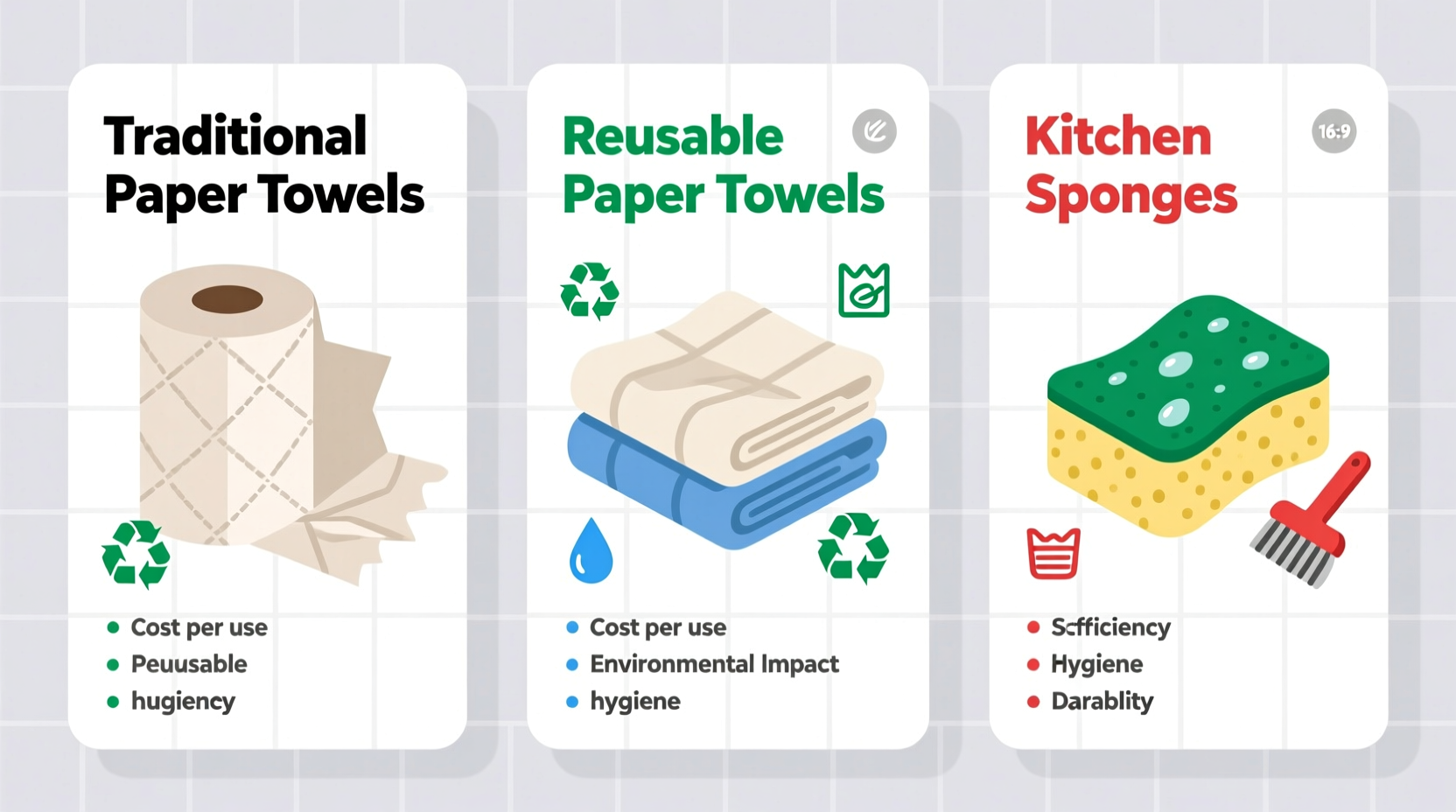
Before diving into comparisons, it’s important to define what each option entails:
- Traditional Paper Towels: Single-use, absorbent sheets made from wood pulp. Typically sold in rolls, used once, then discarded.
- Cleaning Sponges: Reusable porous tools (often synthetic or plant-based) designed for scrubbing and wiping surfaces. Require frequent replacement due to bacterial buildup.
- Reusable Paper Towels: Fabric-based wipes—usually made from cotton, bamboo, or linen blends—designed to mimic the absorbency of paper towels while being washable and durable over many uses.
Each has its strengths and drawbacks. The decision isn’t just about functionality—it also involves lifestyle preferences, environmental values, and household routines.
Environmental Impact: Waste Reduction vs. Resource Use
One of the primary arguments for switching to reusable paper towels is their potential to drastically reduce household waste. The average American household uses approximately 134 rolls of paper towels per year, contributing to an estimated 3,000 tons of waste annually across the U.S. alone. Most of these are not recyclable due to food contamination and short fiber degradation after pulping.
In contrast, a set of 12–20 reusable towels can last 6 months to 2 years with proper care, significantly reducing landfill contributions. However, this benefit comes with a caveat: water and energy consumption during laundering.
Sponges fall somewhere in between. While reusable, most need replacing every few weeks due to odor and bacteria, especially if not sanitized properly. Synthetic sponges are petroleum-based and non-biodegradable, making them less sustainable than plant-based alternatives like loofah or compostable cellulose.
“Every product has a footprint. The key is minimizing cumulative harm over time. Reusables win when usage is consistent and laundering is efficient.” — Dr. Lena Patel, Environmental Scientist at Green Living Institute
Cost Analysis: Upfront Investment vs. Long-Term Savings
At first glance, traditional paper towels seem inexpensive—typically $0.50 to $1.50 per roll. But annual spending adds up quickly. At an average of $1.00 per roll and 134 rolls used yearly, that’s $134 spent annually on one item.
Reusable paper towels require a higher initial investment. A quality set of 12–16 cloths ranges from $25 to $50. Assuming a lifespan of 18 months (540 days), and washing every 2–3 days, the cost per use drops below $0.10. Over three years, even with occasional replacements, total expenditure rarely exceeds $75—less than half the cost of disposables.
Sponges are cheaper upfront ($0.50–$2 each) but must be replaced monthly for hygiene reasons. At $1 per sponge and two replacements per month, annual spending reaches $24—lower than paper towels but still recurring.
| Product Type | Initial Cost | Annual Replacement Cost | Lifespan | Total 3-Year Cost |
|---|---|---|---|---|
| Traditional Paper Towels | $0 (per roll) | $134 | Single-use | $402 |
| Reusable Paper Towels | $35 (set) | $0 (if maintained) | 1–2 years | $70* |
| Cleaning Sponges | $1 (each) | $24 | 3–4 weeks | $72 |
*Assumes purchase of two sets over three years; no additional laundry cost included.
This data shows that reusable paper towels offer the greatest long-term savings, provided users commit to regular washing and proper storage.
Performance and Usability in Daily Life
No matter how sustainable or affordable a product is, it must perform well. Let’s assess how each option fares in common kitchen tasks:
- Spill Cleanup: Traditional paper towels lead in absorbency, especially for large liquid spills. Reusable versions made from thick cotton or bamboo come close but may require multiple layers. Sponges absorb well but retain moisture, increasing risk of mildew.
- Surface Wiping: Reusable towels excel here, offering lint-free, streak-free cleaning on countertops, appliances, and glass. They’re gentler than rough sponges, which can scratch delicate surfaces.
- Food Prep Areas: Disposable paper is often preferred for raw meat juices or sticky residues to avoid cross-contamination. However, reusable towels can be color-coded or dedicated solely to raw food zones and washed at high temperatures.
- Drying Dishes: Reusable towels double as dish-drying cloths, outperforming sponges, which stay damp and harbor bacteria. Paper towels work but generate waste.
A realistic scenario illustrates this balance:
Mini Case Study: The Martinez Family’s Switch
The Martinez family of four in Portland, Oregon, used an average of five paper towel rolls per month—60 rolls per year. Concerned about waste and rising grocery bills, they invested $40 in a 16-piece reusable towel set made from organic cotton and bamboo.
They established a routine: used towels went into a designated bin, washed weekly with other kitchen linens using cold water and biodegradable detergent. After six months, they reduced paper towel use by 80%, only reaching for disposables during major spills or illness outbreaks.
By month nine, they discontinued paper towel purchases entirely, opting instead for a backup roll stored for emergencies. Their annual savings exceeded $100, and they reported improved countertop cleanliness due to more thorough wiping with reusable cloths.
“We were skeptical at first,” said Maria Martinez, “but once we got into the rhythm of tossing them in the laundry, it felt effortless.”
Maintenance and Hygiene: Can Reusables Stay Clean?
A common concern with reusable towels is bacterial growth. Unlike disposable paper, fabric cloths are used repeatedly, raising valid questions about sanitation.
The solution lies in proper maintenance:
- Rinse or shake off debris immediately after use.
- Store in a dry, ventilated container—not crumpled in a drawer.
- Wash at least every 2–3 days; ideally at 60°C (140°F) to kill pathogens.
- Air dry completely before reuse to prevent mold.
Studies from the University of Arizona show that kitchen sponges can harbor more bacteria than reusable towels, especially when left damp. In fact, microwaving wet sponges for one minute kills 99% of germs—but only if done consistently, which many skip.
Reusable towels, being flatter and less dense, dry faster and are easier to sanitize in standard laundry cycles. Many brands now include antimicrobial treatments (e.g., silver-ion infusion), though natural fibers like bamboo have inherent antibacterial properties.
Step-by-Step Guide to Transitioning to Reusable Paper Towels
Making the switch doesn’t have to be overwhelming. Follow this timeline for a smooth transition:
- Week 1: Assess Usage – Track how many paper towels you use daily. Note common tasks (spills, drying hands, wiping counters).
- Week 2: Research & Purchase – Choose a starter set (12–16 pieces) made from sustainable materials. Look for pre-washed, shrink-resistant fabrics.
- Week 3: Introduce Gradually – Replace one task (e.g., counter wiping) with reusables. Keep disposables on hand for backups.
- Week 4: Establish Routine – Set up a small bin near the sink for dirty cloths. Schedule laundry day (e.g., every Sunday).
- Month 2+: Optimize & Expand – Add more cloths if needed. Phase out paper rolls completely. Consider color-coding for different zones (e.g., red for raw meat areas).
This gradual approach reduces friction and allows habits to form naturally.
Checklist: Is Your Home Ready for Reusable Paper Towels?
- ✅ Access to a washing machine with regular cycles
- ✅ Willingness to adopt a simple laundry routine
- ✅ Storage space for clean and dirty cloths
- ✅ Interest in reducing household waste
- ✅ Patience for a short adjustment period
- ✅ Backup plan for high-risk messes (e.g., illness, pet accidents)
If most boxes are checked, reusable paper towels are likely a viable upgrade.
Frequently Asked Questions
Can I use reusable paper towels for raw meat cleanup?
Yes, but with precautions. Use a dedicated cloth (e.g., dark-colored to hide stains) and wash it immediately at high heat. Avoid cross-contact with other cleaning tasks until laundered.
How often should I replace reusable towels?
With proper care, most last 12–24 months. Replace when fraying becomes excessive, absorbency drops significantly, or odors persist after washing.
Are they suitable for people with allergies?
Often yes. Natural fiber towels (cotton, bamboo) are hypoallergenic and free from chemical additives found in some paper products. Just ensure detergents used are fragrance-free and gentle.
Final Verdict: Are They Worth It?
For most households, reusable paper towels represent a smart, sustainable upgrade over traditional rolls and a cleaner alternative to sponges. They strike a practical balance between performance, cost-efficiency, and environmental responsibility. While they demand a shift in habits—primarily around laundering—the long-term benefits far outweigh the minor inconveniences.
They aren’t perfect for every situation. Heavy grease spills, biohazards, or times when immediate disposal is safest still call for disposable options. But for everyday wiping, drying, and light cleaning, reusables deliver consistent results with less waste and lower recurring costs.
The true value emerges over time. As users adapt, they often discover secondary benefits: fewer trips to restock paper, reduced clutter under the sink, and a sense of contribution to a larger environmental effort.
Take Action Today
Start small. Buy a single set. Test it for a month. See how it fits into your rhythm. You might find, as thousands of others have, that what seemed like a minor change actually makes a meaningful difference—one wipe at a time.




 浙公网安备
33010002000092号
浙公网安备
33010002000092号 浙B2-20120091-4
Comments
No comments yet. Why don't you start the discussion?