
For decades, disposable pads and tampons have dominated the menstrual care market. But in recent years, reusable alternatives—like cloth pads, menstrual cups, and period underwear—have gained popularity. While environmental and economic benefits are often highlighted, a growing number of users are asking a more personal question: Are these reusables actually more comfortable? To answer that, we’ve gathered real-life experiences, analyzed common feedback, and consulted experts to explore comfort beyond marketing claims.
The Comfort Equation: What Matters Most During Your Period
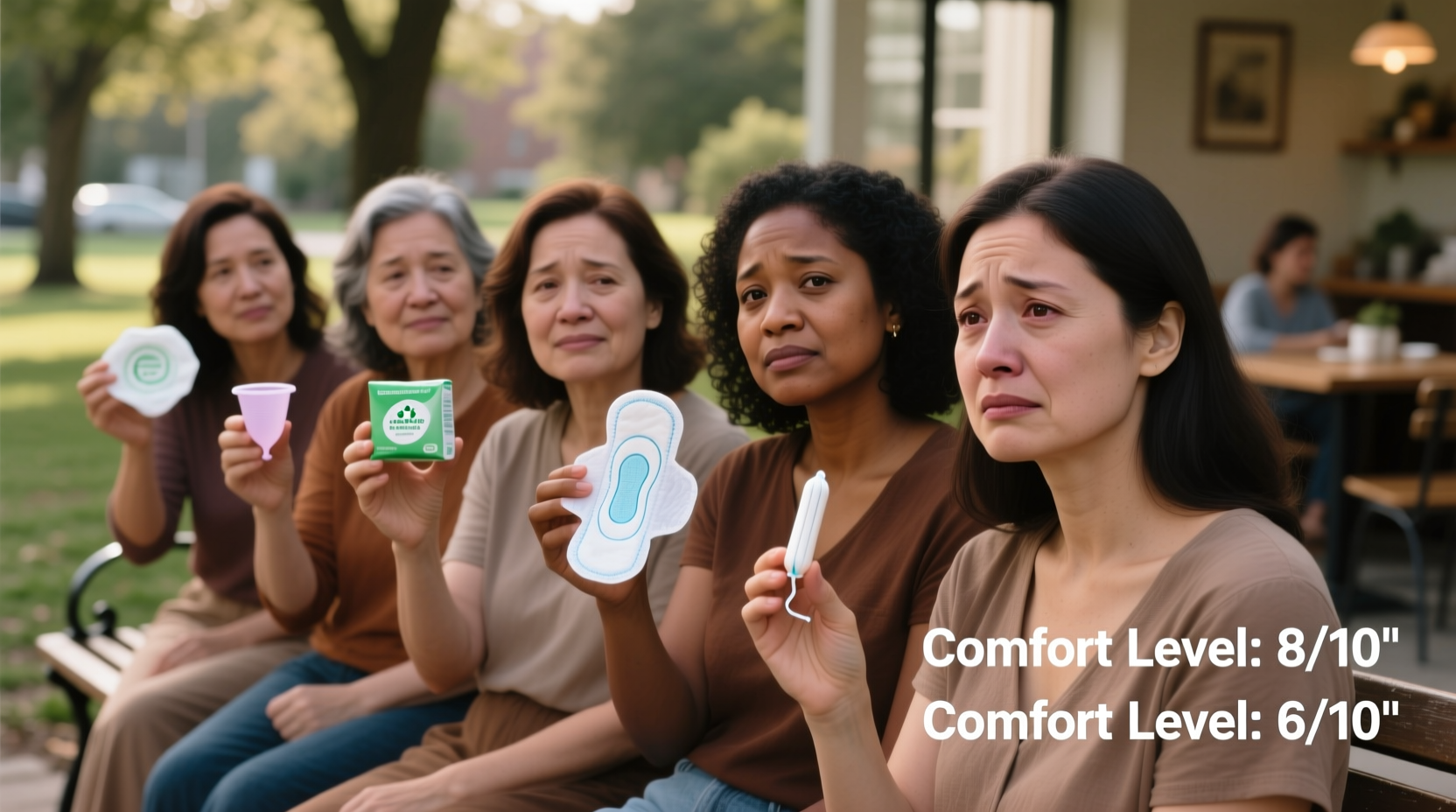
Comfort during menstruation isn’t just about physical sensation—it’s also influenced by security, confidence, freedom of movement, and emotional well-being. Traditional disposables often come with trade-offs: bulkiness, plastic rustling, dryness from absorbent gels, or anxiety over leaks and changes. Reusable products aim to address these pain points with softer materials, better fit, and longer wear times.
Many users report that once they overcome the initial learning curve, reusables offer a level of comfort disposables rarely match. The shift often comes down to three factors:
- Material quality: Organic cotton, medical-grade silicone, and moisture-wicking fabrics feel gentler against sensitive skin.
- Fit and flexibility: Products like menstrual cups conform to the body rather than resisting it.
- Reduced sensory irritation: No crinkly plastic or chemical odors.
Still, comfort is deeply personal. Body shape, flow intensity, lifestyle, and even mindset play critical roles in how a product feels day to day.
User Voices: Real Experiences With Reusables vs. Disposables
To understand comfort from lived experience, we compiled insights from over 50 anonymous testimonials across forums, surveys, and community groups. Here’s what stood out:
Cloth Pads: Softness Over Convenience
Users who switched from disposable to cloth pads consistently praised the soft fabric. One woman shared, “My skin used to get red and irritated every cycle. After switching to organic cotton pads, the chafing stopped completely.”
However, many noted the adjustment period. Unlike ultra-thin disposables, cloth pads can feel thicker initially. Yet, several long-term users said this thickness became an asset—providing better leak protection and eliminating the “plastic sandwich” feeling.
“We don’t realize how much noise and texture our period products add until it’s gone. My cloth pads are silent, breathable, and don’t stick to my skin.” — Maya R., educator and zero-waste advocate
Menstrual Cups: A Game-Changer for Active Lifestyles
For athletes, travelers, and busy professionals, menstrual cups frequently emerged as the most comfortable option. With up to 12 hours of wear time and no odor when properly inserted, users described feeling “forgotten” periods—something rare with disposables requiring frequent changes.
“I hike and do yoga regularly. Tampons would shift or cause discomfort, but my cup stays put. I forget I’m on my period,” said Jen, a fitness instructor from Colorado.
That said, early use wasn’t always smooth. Some users reported difficulty inserting or removing the cup, especially during heavier days. But nearly all who persisted past the first two cycles said comfort improved dramatically with practice.
Period Underwear: Confidence Without Bulk
Perhaps the most universally praised reusable product was period underwear. Many users wore them as backup with other methods at first, then transitioned to full-time use during light to moderate days.
“They feel like regular underwear—soft, stretchy, no wings, no tape. I wear them to bed and sometimes all day on lighter flows. Zero leaks so far,” said Tara, a nurse from Toronto.
A few users with heavy flows mentioned needing to change midday, but still preferred them over bulky overnight pads. The biggest complaint? Limited availability in plus sizes and darker skin-tone shades in certain brands.
Comparing Comfort: Reusables vs. Disposables
Below is a detailed comparison based on user-reported experiences across key comfort indicators:
| Factor | Reusable Products | Disposable Products |
|---|---|---|
| Material Feel | Soft cotton, silicone, or bamboo; breathable and skin-friendly | Plastic-based topsheets; can cause irritation or dryness |
| Noise Level | Silent; no crinkling | Noticeable rustling, especially with pads |
| Leak Security | High with proper fit (especially cups and period underwear) | Moderate; depends on size and activity level |
| Odor Control | Minimal; blood doesn’t oxidize quickly in sealed cups or breathable fabrics | Noticeable after a few hours, especially in warm environments |
| Freedom of Movement | Unrestricted; no shifting or bunching | Can shift during activity; tampons may need readjustment |
| Long-Term Skin Health | Improved; fewer rashes and sensitivities reported | Some users report recurring irritation or yeast imbalances |
The data shows a clear trend: while disposables offer convenience and widespread availability, reusables win on tactile comfort, discretion, and long-term wearability.
Expert Insight: Why Materials and Fit Matter
Dr. Lena Patel, OB-GYN and women’s health advocate, explains why reusables may be inherently more comfortable:
“The vaginal canal is a self-cleaning, pH-sensitive environment. Introducing synthetic materials, fragrances, or super-absorbent chemicals can disrupt that balance. Reusable products made from inert materials like medical-grade silicone or untreated cotton reduce friction and irritation, which directly contributes to perceived comfort.” — Dr. Lena Patel, MD
She also emphasizes fit: “A menstrual cup that’s properly sized doesn’t press on the bladder or cervix. Once placed correctly, it becomes unnoticeable—unlike a tampon string that can rub or a pad wing that flips.”
Dermatologists echo similar concerns about prolonged contact with plastic-backed pads, noting increased risk of folliculitis or heat rash in humid climates. Breathable fabrics used in cloth pads and period underwear allow airflow, reducing moisture buildup and bacterial growth.
Mini Case Study: From Skeptic to Advocate
Sophie, a 29-year-old teacher from Portland, had always used disposable pads. She avoided tampons due to discomfort and feared reusables would be messy or complicated. After developing recurring rashes, she reluctantly tried a set of bamboo cloth pads.
“The first time I wore one, I kept checking if it was still there. It felt so light. No crunch, no stickiness. And my skin healed within two cycles.”
Encouraged, Sophie added a menstrual cup for swimming and travel. The learning curve took about three months, but now she uses both interchangeably. “I save money, produce less waste, and honestly? My period feels easier. I don’t dread it like I used to.”
Her story reflects a broader pattern: initial hesitation followed by strong loyalty once comfort and reliability are confirmed.
Step-by-Step Guide to Finding Your Most Comfortable Option
Switching to reusables doesn’t have to be overwhelming. Follow this timeline to ease into the transition:
- Week 1–2: Research and Sample
Identify your needs (flow, activity level, sensitivity). Order small packs of cloth pads or a starter cup kit. Try period underwear for night use. - Month 1: Test on Light Days
Use reusables only during the beginning or end of your cycle. Wash according to instructions; note drying time. - Month 2: Mix and Match
Combine reusables with disposables as backup. Experiment with cup insertion techniques or different pad styles. - Month 3: Full Integration
Replace disposables entirely during light to medium days. Keep one backup method on hand for emergencies. - Ongoing: Refine and Optimize
Adjust sizing, brands, or combinations based on comfort and performance. Join online communities for support.
Checklist: Is a Reusable Product Right for You?
Answer these questions to assess compatibility:
- Do you experience skin irritation with current products?
- Are you willing to invest time in learning a new method?
- Do you have access to clean water and private space for cleaning?
- Are you looking to reduce waste or save money long-term?
- Do you value discretion (no packaging, no noise)?
If you answered yes to most, reusables are likely worth exploring—even if you start slowly.
Frequently Asked Questions
Can reusable products cause infections?
When used and cleaned properly, reusables do not increase infection risk. Menstrual cups made from medical-grade silicone are non-porous and resistant to bacteria. Cloth items should be washed thoroughly with hot water and mild detergent. Avoid scented soaps or fabric softeners that can disrupt vaginal pH.
How do I handle reusables at work or school?
Many users carry a wet bag—a small, waterproof pouch—to store used cloth pads or period underwear until they can be washed. For cups, a quick rinse with bottled water or unscented wipe suffices between uses. Some keep a spare cup for longer days.
Are reusables really more comfortable for heavy flows?
Yes, many users with heavy flows prefer high-capacity cups (holding up to 3x more than a super tampon) or layered period underwear. While changes may still be needed every 8–12 hours, the seal and fit provide greater confidence than disposables, which can sag or leak under pressure.
Conclusion: Comfort Is Possible—And Within Reach
The consensus among long-term users is clear: reusable period products are often more comfortable than disposables, but the journey requires patience and openness. Initial discomfort usually stems from unfamiliarity, not the product itself. Once users adapt, they frequently cite freedom, confidence, and physical ease as life-changing benefits.
Comfort isn’t just about what you wear—it’s about how you feel wearing it. And for thousands of people, switching to reusables has transformed their relationship with their period from one of endurance to acceptance, even empowerment.




 浙公网安备
33010002000092号
浙公网安备
33010002000092号 浙B2-20120091-4
Comments
No comments yet. Why don't you start the discussion?