
Reusable produce bags have become a staple in eco-conscious households. Marketed as a sustainable alternative to single-use plastic, these lightweight mesh or cotton pouches are designed to carry fruits, vegetables, and bulk goods without contributing to landfill waste. But a common frustration has emerged: what happens when one of these flimsy bags slips into the washing machine with your clothes—and never returns? If you've ever found yourself digging through damp socks only to realize your favorite avocado bag is gone for good, you're not alone. The real question isn't just about losing a bag—it's whether these reusable options still make sense despite occasional mishaps.
The answer isn't a simple yes or no. It depends on how often loss occurs, how much you value sustainability, and whether small behavioral changes can prevent future disappearances. Let’s explore the true cost, environmental benefits, and practical strategies that determine whether reusable produce bags remain a worthwhile investment—even when laundry day doesn’t go as planned.
Understanding the True Cost of Reusable Produce Bags
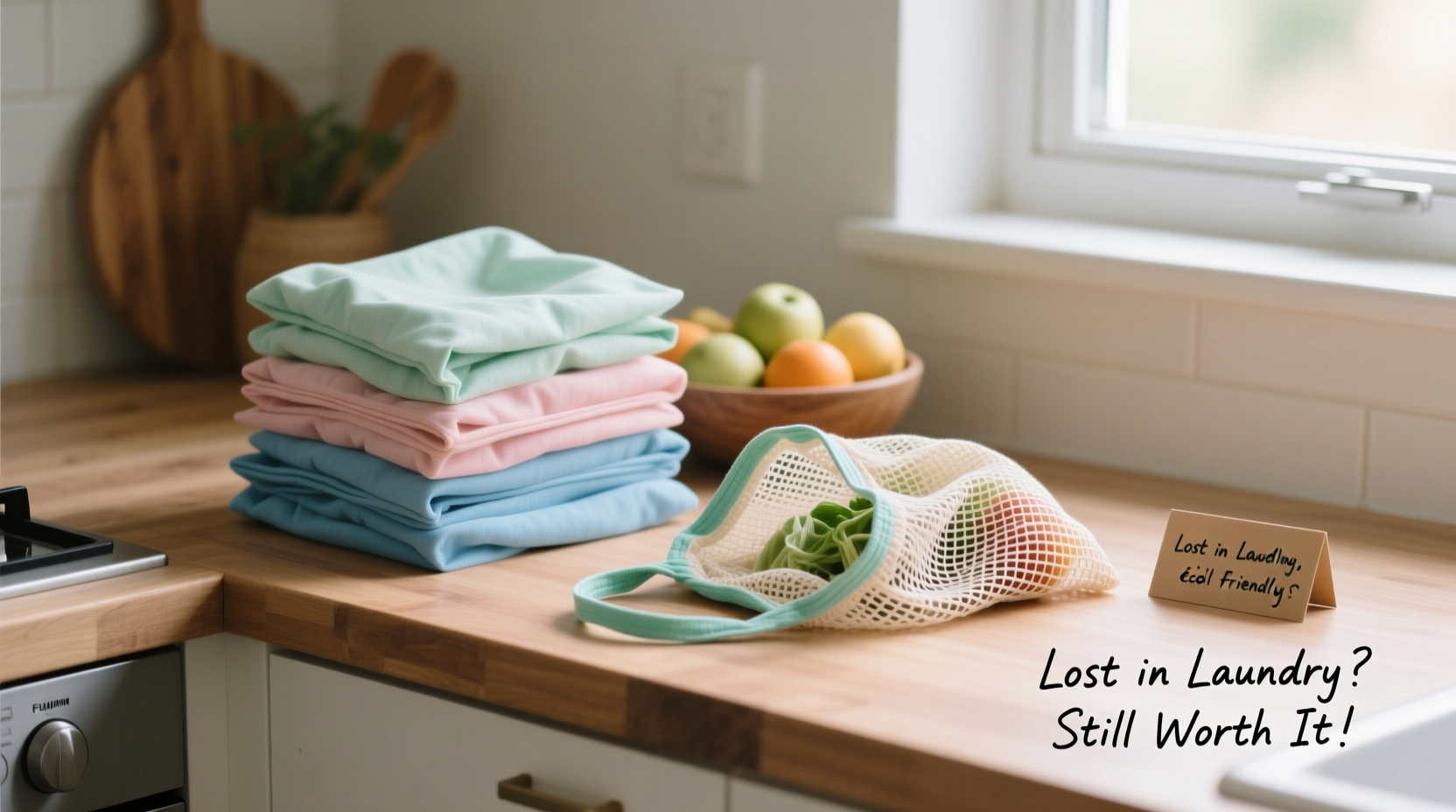
At first glance, reusable produce bags seem inexpensive—typically priced between $1 and $3 each when bought in packs of five to ten. However, their value should be measured over time, not per purchase. A single bag may last anywhere from six months to several years depending on material quality and care habits. When factoring in longevity, the cost per use drops significantly compared to disposable plastic bags, which most people use once before discarding.
But when a bag gets lost—especially during routine tasks like laundry—the math shifts slightly. Losing one bag per month would mean replacing 12 bags annually. At an average price of $2 each, that’s $24 per year. While this may seem manageable, it raises concerns about resource efficiency and undermines the core promise of reusability: reducing consumption.
Still, even with occasional losses, the long-term financial and ecological advantages often outweigh the drawbacks—provided users adopt systems to minimize loss.
“Every reusable bag that avoids disposal saves roughly 700 single-use plastic bags over its lifetime.” — Dr. Lena Patel, Environmental Researcher at Green Cities Institute
Material Matters: Which Bags Survive Real-Life Use?
Not all reusable produce bags are created equal. The likelihood of damage or loss often correlates with material type. Understanding the differences helps consumers choose durable options less likely to vanish—or disintegrate—in daily routines.
| Material | Durability | Laundering Risk | Eco Footprint |
|---|---|---|---|
| Mesh Polyester | High – resists tearing | Moderate – lightweight, easy to overlook | Medium – synthetic, derived from petroleum |
| Organic Cotton | Medium – soft but prone to fraying | High – blends into laundry piles easily | Low – biodegradable, renewable |
| Nylon Mesh | Very High – strong, stretch-resistant | Moderate – slightly heavier, easier to spot | Medium-High – energy-intensive production |
| Recycled PET (rPET) | High – made from recycled bottles | Moderate – similar weight to polyester | Low – repurposes waste plastic |
While organic cotton scores high on biodegradability, its tendency to blend in with towels and linens increases the chance of accidental laundering. Conversely, nylon and rPET bags, though synthetics, offer better visibility and resilience, making them less likely to be damaged or misplaced under normal conditions.
A Real-Life Scenario: How One Household Reduced Loss by 90%
Sarah Thompson, a zero-waste advocate from Portland, Oregon, used to lose at least two produce bags every month. “I’d toss them in my tote after grocery shopping, then later throw the whole thing in the wash,” she recalls. “It wasn’t intentional—I just forgot they were there.” After losing her seventh bag in six months, Sarah implemented a simple system: a designated ‘clean bag bin’ near her kitchen door and a post-grocery checklist.
She now follows three steps after every shopping trip:
- Empty groceries immediately upon returning home.
- Shake out each bag and place it in a labeled basket marked “Clean Reusables.” <3>Wipe any soiled bags with a damp cloth before storage—never machine wash unless absolutely necessary.
Within two months, Sarah stopped losing bags entirely. Her experience highlights a crucial insight: most losses aren’t due to poor product design, but inconsistent habits. With minimal effort, users can dramatically extend the life of their reusable bags.
Step-by-Step Guide to Preventing Laundry-Related Loss
Preventing reusable produce bags from vanishing in the wash doesn’t require major lifestyle changes. Instead, it calls for small, repeatable actions integrated into existing routines. Follow this timeline to build a reliable system:
- After Shopping: Unpack groceries right away. Don’t let bags linger in shopping totes where they can be forgotten.
- Inspect Each Bag: Check pockets and folds for lingering produce stickers or moisture. Shake them out thoroughly.
- Designate a Storage Spot: Use a visible container—like a woven basket or wall hook—to store clean bags. Keep it near your keys or shopping list to reinforce visibility.
- Create a Pre-Laundry Check: Before starting any laundry load, quickly scan clothing pockets and baskets for stray bags. Make it part of your routine, like checking for loose change.
- Wash Only When Necessary: Most reusable bags don’t need frequent cleaning. Spot-clean stains with mild soap and air-dry. Reserve machine washing for heavily soiled cases—and always place them in a delicates bag if doing so.
This process takes less than two minutes per week but prevents the cumulative cost and waste associated with repeated replacements.
Environmental Impact vs. Practical Challenges
The environmental case for reusable produce bags remains strong. According to the U.S. Environmental Protection Agency, the average American uses around 1,500 single-use plastic bags annually. Even if a reusable bag lasts only one year and replaces just 100 plastic bags, it reduces microplastic pollution, conserves fossil fuels, and decreases strain on recycling systems.
However, critics argue that the production of reusable bags carries its own footprint. For instance, a cotton bag must be used at least 131 times to match the climate impact of a single plastic bag, according to a UK Environment Agency study. Yet most reusable produce bags are made from lighter materials than tote bags, meaning their break-even point is far lower—often between 10 and 20 uses.
Even with occasional loss, the average user exceeds this threshold easily. If you use a set of five reusable bags weekly for a year, each sees at least 50 uses—well above the sustainability threshold. Occasional replacement doesn’t negate the overall benefit; it simply means optimizing usage to maximize lifespan.
Do’s and Don’ts of Reusable Bag Maintenance
| Action | Recommended? | Why |
|---|---|---|
| Store bags in your car glove compartment | No | Heat degrades fibers; easy to forget during errands |
| Keep a checklist on your fridge | Yes | Visual reminder to check for bags post-shopping |
| Machine-wash after every use | No | Unnecessary wear; increases risk of loss |
| Label bags with initials or symbols | Yes | Increases recognition, especially in shared households |
| Fold and tuck into wallet or purse | Yes | Ensures you always have one on hand |
“Sustainability isn’t about perfection—it’s about consistent progress. Losing a bag occasionally doesn’t cancel out the positive impact.” — Mark Rivera, Circular Economy Consultant
FAQ: Common Questions About Reusable Produce Bags
Can I compost a reusable produce bag if it gets damaged?
Only natural fiber bags like unbleached organic cotton are truly compostable. Synthetic mesh bags (polyester, nylon, rPET) will not break down in home compost systems and should be recycled through specialized textile programs—if available. Always check manufacturer guidelines before disposal.
What should I do if I find a lost bag in the washer?
If retrieved early, remove it immediately and air-dry flat. Avoid tumble drying, as heat can shrink or warp mesh materials. Inspect for snags or weakened seams. If intact, return it to regular use. If damaged, repurpose it for non-food items like organizing cables or storing hardware.
Are silicone produce bags a better alternative?
Silicone bags are more durable and easier to clean, but they’re heavier and less convenient for weighing produce at checkout. They also come with a higher upfront cost and carbon footprint. For everyday grocery trips, lightweight mesh remains the most practical option—especially when properly maintained.
Checklist: Building a Sustainable Reusable Bag System
- ✅ Assign a dedicated storage location at home
- ✅ Label each bag for quick identification
- ✅ Empty and inspect bags immediately after shopping
- ✅ Implement a pre-laundry inspection habit
- ✅ Limit machine washing to necessary cases only
- ✅ Replace lost or torn bags mindfully—not impulsively
- ✅ Track usage over time to assess actual lifespan
Conclusion: Yes, They’re Worth It—With Smart Habits
Losing a reusable produce bag in the laundry is frustrating, but it shouldn’t discredit the broader value of these tools. When evaluated over time, across usage frequency, and within the context of environmental impact, reusable bags remain a smart, ethical choice for most shoppers. The key lies not in avoiding mistakes entirely, but in building systems that reduce their occurrence.
By choosing durable materials, establishing consistent post-shopping routines, and treating each bag as a long-term asset rather than a disposable item, consumers can enjoy lasting benefits. Even if one bag slips through the cracks now and then, the cumulative reduction in plastic waste, resource conservation, and personal commitment to sustainability makes the effort worthwhile.




 浙公网安备
33010002000092号
浙公网安备
33010002000092号 浙B2-20120091-4
Comments
No comments yet. Why don't you start the discussion?