
In the push toward sustainable living, reusable straws have become a staple in eco-conscious households. Made from materials like stainless steel, silicone, glass, and bamboo, they promise to reduce plastic waste and offer long-term value. But behind their environmental appeal lies a critical question: Are reusable straws truly hygienic—especially when cleaning routines are inconsistent or inadequate?
Microbiological research has begun to uncover the potential dangers lurking inside improperly cleaned reusable straws. Biofilms, bacterial colonies, and mold can thrive in narrow tubing, especially when moisture is trapped and cleaning is delayed. This article explores what science says about microbial contamination in reusable straws, identifies high-risk behaviors, and provides evidence-based guidance for maintaining hygiene without compromising convenience.
The Hidden World Inside Your Straw
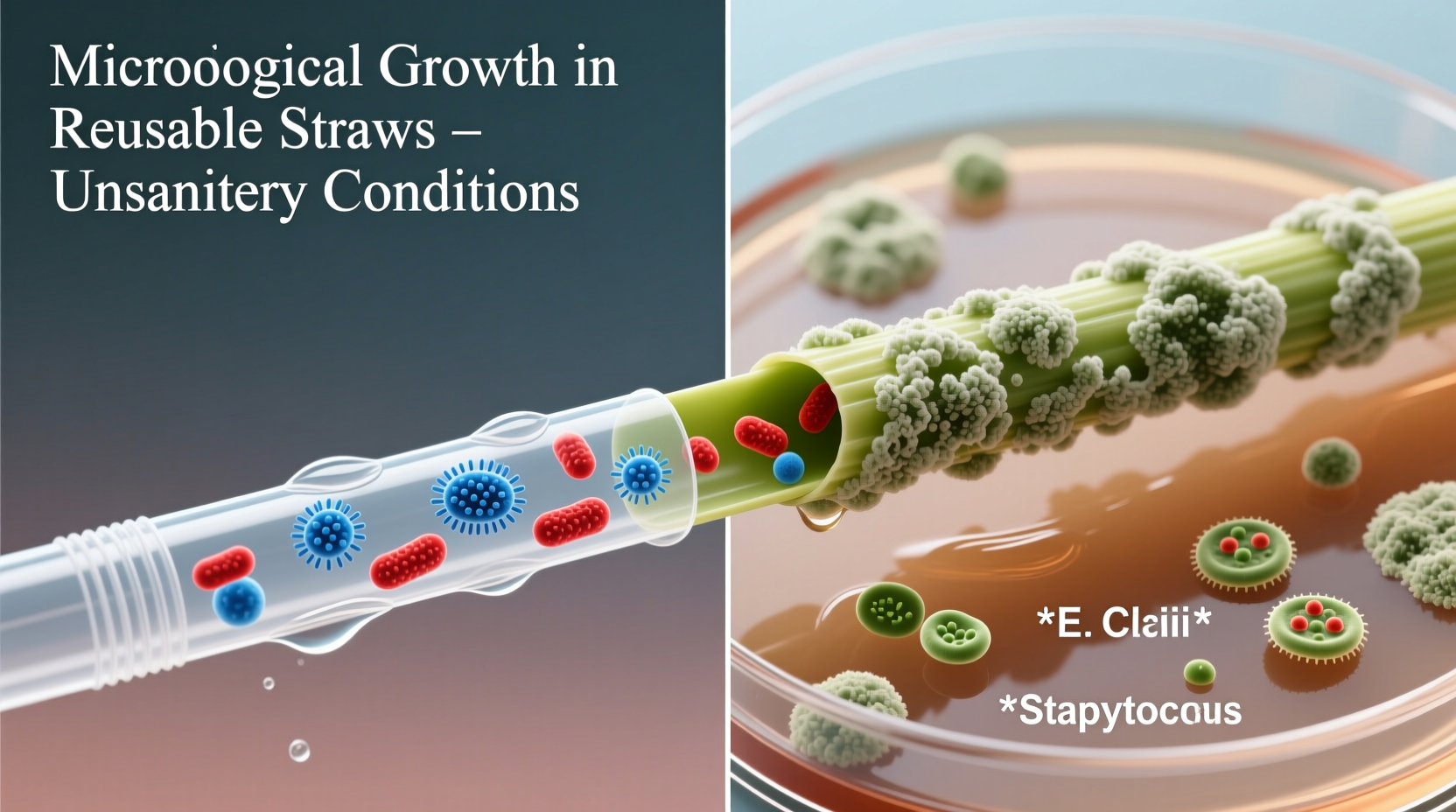
At first glance, a straw seems too simple to harbor health risks. However, its narrow lumen creates an ideal environment for microbial growth under certain conditions. When saliva, liquids, and food residues remain inside after use, they provide nutrients for bacteria and fungi. If not thoroughly dried or cleaned, these residues become breeding grounds.
A 2020 study published in the Journal of Applied Microbiology tested 50 used reusable straws collected from households and cafes. The results were concerning: over 70% showed detectable levels of coliform bacteria, and nearly half contained Staphylococcus aureus or yeast species such as Candida albicans. While not all microbes are harmful, the presence of pathogens—even in low concentrations—raises concerns, particularly for individuals with compromised immune systems.
“Moist environments in narrow tubes mimic conditions found in medical catheters, where biofilm formation is well-documented. Without proper mechanical scrubbing, microbes embed into surface micro-cracks.” — Dr. Lena Torres, Environmental Microbiologist, University of Vermont
How Biofilms Form in Reusable Straws
Biofilms are structured communities of microorganisms that adhere to surfaces and encase themselves in a protective matrix of extracellular polymeric substances (EPS). Once established, biofilms resist standard rinsing and even some disinfectants. In reusable straws, biofilm development typically follows this progression:
- Initial adhesion: Bacteria from saliva or contaminated water attach to the inner surface within minutes of use.
- Colonization: Microbes multiply and begin producing EPS, forming a slimy layer.
- Mature biofilm: After 24–72 hours without cleaning, the community becomes resistant to casual washing.
- Detachment: Pieces break off during use and may be ingested.
Stainless steel and glass straws, while non-porous, are not immune. Scratches from improper cleaning tools can create niches for biofilm anchoring. Silicone straws, though flexible, may degrade over time, increasing surface roughness. Bamboo straws, being organic, are inherently more porous and prone to mold if not fully dried.
Material Matters: A Comparative Risk Analysis
Different materials carry varying degrees of microbial risk based on porosity, durability, and ease of cleaning. The table below summarizes key characteristics relevant to hygiene.
| Material | Porosity | Bacterial Retention Risk | Cleaning Difficulty | Drying Time |
|---|---|---|---|---|
| Stainless Steel | Low (non-porous) | Low (unless scratched) | Medium (requires brush) | Fast (if blown dry) |
| Glass | Very Low | Low | High (fragile; needs care) | Medium |
| Silicone | Low | Medium (degrades over time) | Medium | Slow (holds moisture) |
| Bamboo | High (natural fibers) | High (mold-prone) | Medium (cannot be boiled frequently) | Very Slow (must air dry completely) |
While stainless steel and glass rank highest in hygiene safety, their performance depends entirely on user behavior. A pristine material can still host pathogens if neglected.
Real-World Hygiene Habits: A Mini Case Study
Consider Sarah, a 32-year-old teacher who uses a silicone reusable straw daily for her iced coffee. She rinses it quickly under tap water after each use and stores it in a zippered pouch in her work bag. After three weeks, she notices a faint sour smell and a cloudy film inside the straw. She assumes it’s just coffee residue and continues using it.
After developing mild gastrointestinal discomfort, Sarah sends the straw to a local lab for testing through a citizen science program. Results show high levels of Pseudomonas aeruginosa, a moisture-loving bacterium known to cause infections in vulnerable individuals. The lab report attributes the contamination to prolonged moisture retention and lack of mechanical brushing.
This case illustrates how seemingly harmless habits—rinsing without scrubbing, storing wet—can lead to microbial accumulation. Sarah wasn’t alone: follow-up surveys revealed that 64% of reusable straw users do not use cleaning brushes regularly.
Step-by-Step Guide to Proper Reusable Straw Maintenance
To ensure your reusable straw remains hygienic, follow this daily and weekly routine grounded in microbiological best practices.
- Immediate Rinse (Post-Use): Flush the straw with clean water right after drinking. This removes sugars and proteins that feed microbes.
- Daily Deep Clean: Use a dedicated straw-cleaning brush with soft bristles. Run it through the tube at least 3–5 times per session. For narrow straws, consider a pipe cleaner alternative.
- Wash with Mild Detergent: Use fragrance-free dish soap. Avoid abrasive cleaners that scratch surfaces.
- Sanitize Weekly: Soak in a solution of one part white vinegar to three parts water for 15 minutes, or boil for 5 minutes (not recommended for silicone or bamboo).
- Dry Thoroughly: Place the straw upright on a drying rack or towel, ensuring airflow through both ends. Never store until completely dry.
- Inspect Monthly: Check for cracks, cloudiness (in glass), or odor. Replace if signs of wear appear.
Common Misconceptions About Reusable Straw Hygiene
Several myths persist about cleaning effectiveness and material safety. Addressing them is crucial for informed usage.
- Myth: Rinsing with water is enough. Water removes loose debris but does not disrupt biofilms or kill bacteria.
- Myth: Dishwashers sanitize fully. While dishwashers help, they may not reach all internal surfaces, especially in longer or curved straws.
- Myth: Natural materials are safer. Bamboo and other organics require more rigorous drying and cannot be boiled frequently, increasing mold risk.
- Myth: One brush fits all. Using a large bottle brush may not effectively clean narrow straws. Invest in appropriately sized tools.
Checklist: Is Your Reusable Straw Truly Clean?
Use this checklist to evaluate your current cleaning routine:
- ☑ I rinse the straw immediately after each use.
- ☑ I use a dedicated cleaning brush every time.
- ☑ I wash with soap, not just water.
- ☑ I allow the straw to air-dry completely before storing.
- ☑ I avoid placing it in sealed containers while damp.
- ☑ I sanitize at least once a week.
- ☑ I inspect for damage monthly.
- ☑ I replace straws every 3–6 months, depending on wear.
If you answered “no” to two or more items, your straw may pose a hygiene risk.
Frequently Asked Questions
Can I get sick from using a dirty reusable straw?
Yes. While healthy individuals may not always show symptoms, pathogens like E. coli, Salmonella, or Staphylococcus found in contaminated straws can cause gastrointestinal illness, sore throats, or oral infections, especially in children or immunocompromised people.
How often should I replace my reusable straw?
Replace every 3–6 months with regular use, or sooner if you notice scratches, cloudiness, persistent odors, or difficulty cleaning. Worn surfaces trap more bacteria and are harder to sanitize.
Are metal straws safer than plastic ones?
From a hygiene standpoint, high-quality stainless steel straws are generally safer than disposable plastic due to non-porosity and durability. However, poor cleaning negates this advantage. Disposable plastic straws are single-use for a reason—they’re not designed for repeated exposure to biological residues.
Expert Recommendations for Public and Personal Use
Health professionals emphasize that reusable products must meet hygiene standards comparable to kitchen utensils. Just as you wouldn’t reuse a unwashed spoon, a straw deserves equal attention.
“Hygiene isn’t just about cleanliness—it’s about consistency. A reusable straw is only as safe as its last cleaning.” — Dr. Arjun Patel, Infectious Disease Specialist, Cleveland Clinic
For cafes and restaurants offering reusable straws, experts recommend implementing strict protocols: immediate soaking post-use, ultrasonic cleaning, and heat sterilization. Some establishments now provide customers with take-home care kits to promote responsible use.
Conclusion: Hygiene Is Non-Negotiable
Reusable straws are a smart environmental choice—but only when used responsibly. Microbiology findings clearly show that neglecting proper cleaning transforms these eco-friendly tools into reservoirs for bacteria and mold. The good news is that with simple, consistent habits, you can enjoy the benefits of reusability without compromising health.
Start today by auditing your current straw-cleaning routine. Do you have the right tools? Are you drying thoroughly? Are you replacing worn items? Small changes can make a significant difference in microbial safety.




 浙公网安备
33010002000092号
浙公网安备
33010002000092号 浙B2-20120091-4
Comments
No comments yet. Why don't you start the discussion?