
In recent years, the rotating tree base—often referred to as a Christmas tree turntable—has become a common fixture in holiday homes. Marketed as a way to elevate presentation, these motorized platforms gently spin your tree 360 degrees, offering a dynamic view from all angles. But beyond their visual appeal, do they serve any real functional purpose during decoration? Or are they simply a novelty item meant for show?
The answer lies somewhere in between. While rotating bases undeniably enhance display quality, they also offer tangible benefits during both setup and maintenance of a decorated tree. From easing ornament placement to improving light distribution, their utility extends further than many assume. This article examines the practical value of rotating tree bases, evaluates their role in home decor, and helps you decide whether investing in one is worth it for your seasonal setup.
Understanding How Rotating Tree Bases Work
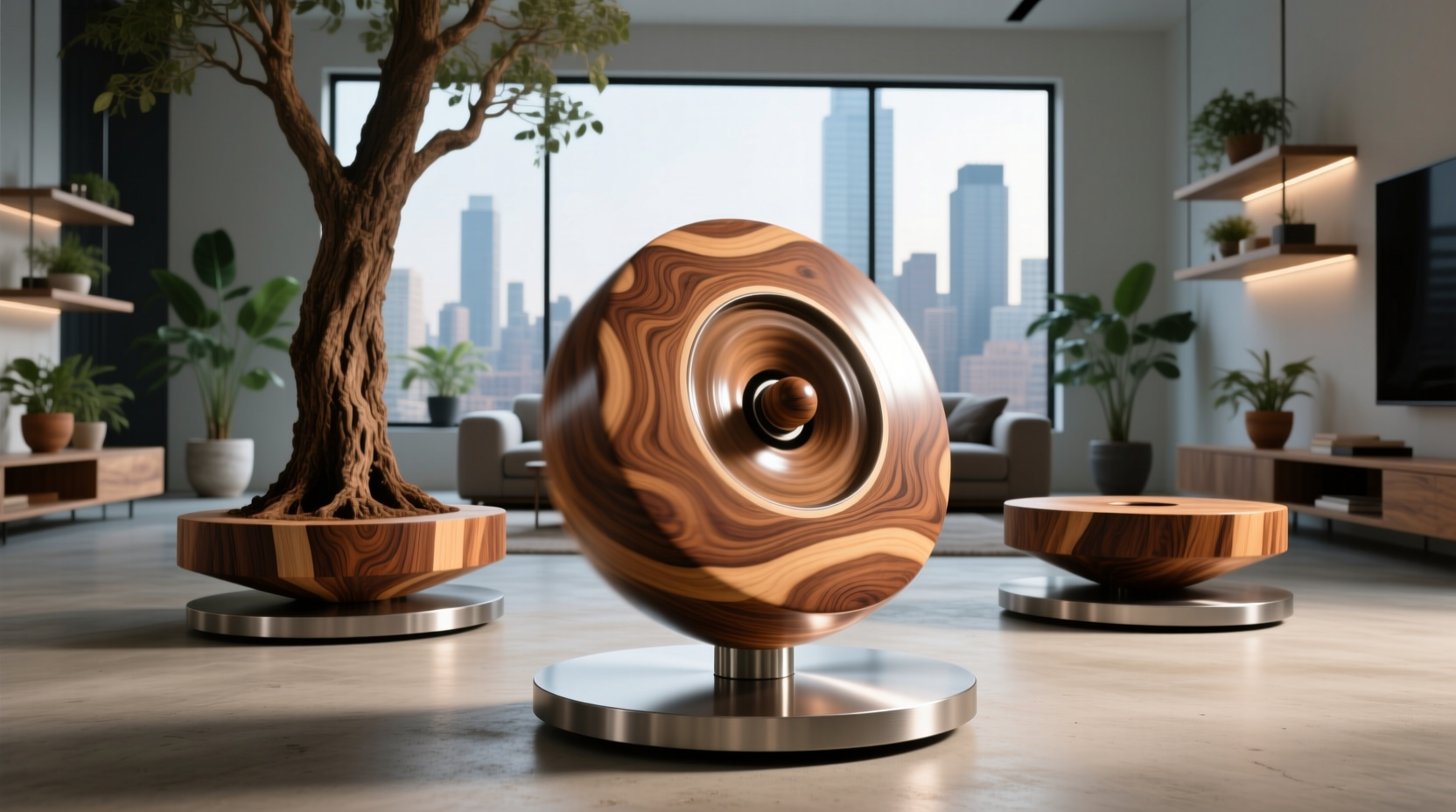
A rotating tree base is a motorized platform designed to support artificial or real Christmas trees. Most models use a low-speed electric motor powered by standard household outlets, though some battery-operated versions exist. The platform rotates slowly—typically completing one full rotation every 30 to 60 seconds—ensuring smooth, quiet motion without vibration.
These bases come in various weight capacities, usually ranging from 50 to over 150 pounds, accommodating everything from small tabletop trees to large floor models up to 9 feet tall. They’re constructed with durable plastic, metal gears, and non-slip surfaces to keep the tree stable while spinning.
Installation is straightforward: place the base on a level surface, insert the tree trunk into the center clamp or stand, secure it, and plug in the unit. Once activated, the entire tree turns autonomously, creating a continuous showcase effect.
Functional Benefits During Decoration
One of the most overlooked aspects of rotating tree bases is their usefulness *during* the decorating process. Many people assume they're only beneficial after the tree is fully adorned, but the reality is that they can significantly streamline setup.
When decorating a stationary tree, you constantly walk around it, crouch down, stretch across, and peer into dense branches to check balance and coverage. With a rotating base, you can remain in one position while the tree comes to you. This allows for more consistent spacing of ornaments, garlands, and lights, reducing the chance of lopsided designs.
- Balanced ornament placement: As the tree turns, you can observe how decorations appear from different angles in real time, adjusting as needed.
- Easier light stringing: You can feed lights downward from a fixed point, letting the rotation help distribute them evenly around the trunk.
- Improved access to backside branches: No more awkward reaching behind the tree—just wait for the section to rotate into view.
- Safer decorating: Reduces repetitive twisting and bending, which can cause strain during long decorating sessions.
“Rotating bases aren’t just for show—they’re ergonomic tools. I’ve seen decorators finish setups 20% faster when using turntables.” — Daniel Reeves, Professional Holiday Stylist & Set Designer
Display Advantages: Why Rotation Enhances Aesthetics
Once decorated, the primary function of a rotating base shifts toward presentation. In homes with open-plan living areas or corner placements, a spinning tree becomes a kinetic centerpiece. Unlike static displays, a rotating tree reveals all sides over time, ensuring guests see every detail—even if they never walk around it.
This is particularly valuable in high-traffic areas where people tend to view the tree from a single vantage point, such as near an entryway or beside a sofa. Without rotation, the “back” of the tree often remains unseen and may be sparsely decorated. A turntable eliminates this issue by making the entire tree part of the visible experience.
Additionally, movement attracts attention. The subtle rotation creates visual interest, especially when paired with twinkling lights or reflective ornaments. It mimics the gentle sway of a real tree in the wind, adding a lifelike quality to artificial models.
Best Settings for Maximum Impact
| Room Type | Recommended Use | Notes |
|---|---|---|
| Open Living Room | Ideal | Leverages visibility from multiple angles; enhances flow in social spaces. |
| Corner Placement | Highly Beneficial | Makes full tree visible without requiring viewers to move. |
| Small Apartment | Moderate | Saves space by reducing need to walk around; best for compact trees. |
| Dining Room Nook | Useful | Adds elegance during meals when people are seated and facing one direction. |
| Hallway or Entry | Limited | Narrow spaces limit viewing distance; rotation may feel unnecessary. |
Practical Considerations: When a Rotating Base Makes Sense
Not every household will benefit equally from a rotating tree base. Several factors determine whether the investment is justified:
- Tree size and weight: Larger, heavier trees require sturdier bases. Check manufacturer specs to ensure compatibility.
- Floor type: Hardwood, tile, or laminate floors work best. Thick carpet can reduce traction and strain motors.
- Decorating habits: If you spend hours perfecting symmetry and detail, a rotating base can save effort and improve results.
- Viewing patterns: Homes with limited walking space or single-perspective views gain more from rotation.
- Budget: Quality rotating bases range from $40 to over $120. Cheaper models may lack durability or quiet operation.
Mini Case Study: The Urban Apartment Holiday Setup
Sophia Chen, a graphic designer in Chicago, lives in a 700-square-foot loft with her partner and dog. Every year, she struggled with decorating their 7.5-foot artificial tree in a tight corner beside the kitchen island. Because the space didn’t allow full circumnavigation, she often missed gaps in ornament coverage on the far side.
After purchasing a mid-range rotating base, she noticed immediate improvements. She could decorate from her favorite armchair, letting the tree come to her. “I used to have to get up every few minutes to check the back,” she said. “Now I just sit, sip cocoa, and watch it spin. I caught three bare spots I would’ve missed before.”
During gatherings, guests commented on how “alive” the tree looked. “People kept saying it felt like it was breathing,” Sophia recalled. “It added movement without being distracting.”
For her, the base paid off not just in convenience but in elevated aesthetics—proving that even in small spaces, rotation adds value beyond mere novelty.
Step-by-Step Guide: Using a Rotating Base Effectively
To get the most out of your rotating tree base, follow this practical sequence:
- Choose the right location: Select a flat, hard surface away from foot traffic and furniture edges.
- Assemble the base: Follow manufacturer instructions to install the motor and platform securely.
- Position the tree stand: Place your tree’s pot or stand directly in the center of the turntable. Ensure it's balanced.
- Test stability: Gently nudge the tree to confirm no wobbling. Adjust leveling feet if available.
- Plug in and test rotation: Turn on the base to verify smooth, quiet movement. Unplug during decoration if preferred.
- Begin decorating from one side: Start hanging ornaments, lights, and garlands while manually pausing rotation (if possible) or working incrementally.
- Use rotation to assess balance: Let the tree spin slowly to identify sparse areas or clumping.
- Finalize top and bottom: Add star or topper once rotation is stopped. Secure cords neatly to avoid tangling.
- Set schedule (optional): Connect to a timer for automated daily rotation during the season.
- Store properly: After disassembly, clean the base and store in a dry place away from dust.
Common Misconceptions About Rotating Bases
Despite growing popularity, several myths persist about rotating tree bases:
- Myth: They’re too noisy. Modern models are engineered for quiet operation, often producing less than 30 decibels—comparable to a whisper.
- Myth: They damage floors. Most have rubberized bottoms that protect hardwood and tile. Avoid use on delicate vinyl unless protected.
- Myth: Only large trees benefit. Even small tabletop trees gain visual impact from gentle motion.
- Myth: They’re fragile. Reputable brands use reinforced gears and overload protection to prevent burnout.
Checklist: Should You Buy a Rotating Tree Base?
Answer these questions to determine if a rotating base suits your needs:
- ✅ Do you place your tree in a corner or against a wall?
- ✅ Do you struggle to view all sides while decorating?
- ✅ Do you value polished, symmetrical ornament layouts?
- ✅ Is your tree 6 feet or taller?
- ✅ Do you host guests during the holidays?
- ✅ Do you have pets or kids who might bump a stationary tree?
- ✅ Are you willing to invest $50–$100 for long-term reuse?
If you answered “yes” to three or more, a rotating base is likely a worthwhile addition to your holiday toolkit.
Frequently Asked Questions
Can I use a rotating base with a real Christmas tree?
Yes, provided the tree’s weight and base fit within the turntable’s capacity. Ensure the water reservoir doesn’t interfere with the rotating mechanism. Some users elevate the tree slightly using a riser to clear the motor housing.
Do rotating bases work with pre-lit artificial trees?
Absolutely. In fact, they enhance the effect of built-in lights by continuously changing the play of shadows and reflections. Just make sure power cords are long enough and routed safely to avoid tangling during rotation.
How long do rotating tree bases last?
With proper care, most quality models last 5–10 years or more. Avoid overloading, keep clean, and unplug when not in use to maximize lifespan.
Conclusion: Function Meets Festive Flair
The rotating tree base is more than a decorative gimmick—it’s a thoughtful tool that bridges practicality and presentation. Whether you're a meticulous decorator aiming for perfect symmetry or a homeowner seeking a captivating centerpiece, the ability to rotate your tree adds measurable value.
It simplifies the decorating process, improves visual balance, and transforms a static object into a dynamic focal point. Far from being “just for display,” its benefits begin the moment you start hanging ornaments and continue through every festive gathering.
If you’ve hesitated, considering it an unnecessary luxury, reconsider: in the context of annual reuse, ease of use, and enhanced enjoyment, a rotating base is a smart, lasting upgrade to your holiday tradition.




 浙公网安备
33010002000092号
浙公网安备
33010002000092号 浙B2-20120091-4
Comments
No comments yet. Why don't you start the discussion?