
When shopping for earrings—especially online or from fashion-forward brands—you’ve likely come across the term “rust-proof.” It sounds reassuring: no tarnishing, no discoloration, no green marks on your skin. But is it truly possible for earrings to be completely immune to rust? And if so, what’s the catch? The reality is more nuanced than marketing slogans suggest. While some materials are highly resistant to corrosion, calling any metal “rust-proof” is often a simplification that can mislead consumers.
Rust is technically the oxidation of iron, forming iron oxide—a reddish-brown flaky substance. So strictly speaking, only metals containing iron can rust. However, in everyday language, “rust” is often used interchangeably with “tarnish,” “corrosion,” or “discoloration,” which affects a much broader range of metals. This linguistic blur is where confusion begins.
What Does “Rust-Proof” Really Mean?
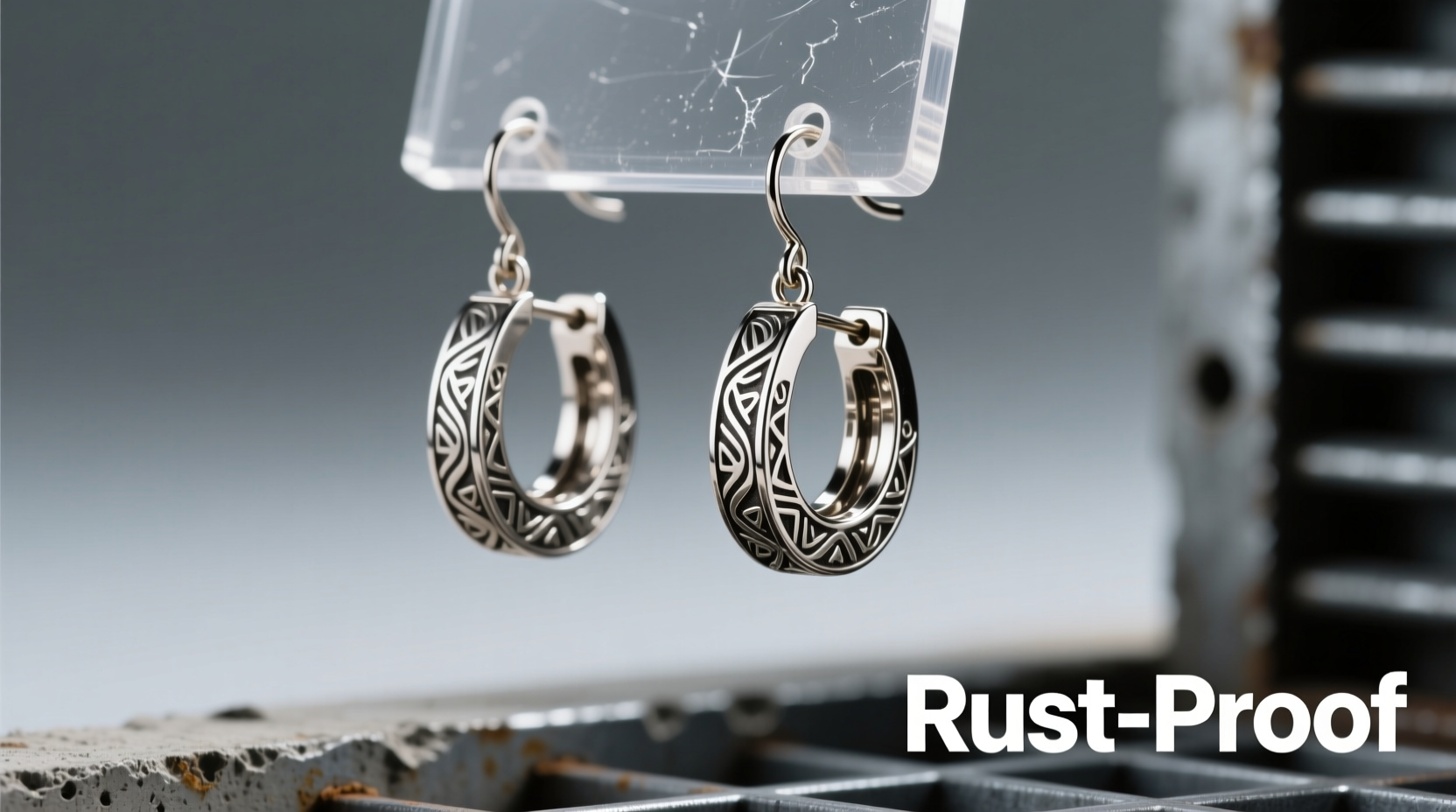
The term “rust-proof” in jewelry marketing usually means the earrings are made from non-ferrous (iron-free) metals or coated materials that resist oxidation and corrosion under normal conditions. These earrings won’t develop red rust because they contain no iron. But that doesn’t mean they’re impervious to environmental damage.
For example, copper may not rust, but it tarnishes when exposed to moisture and air, forming a green patina. Similarly, silver darkens over time due to sulfur exposure. Even stainless steel, often labeled as rust-proof, can corrode under extreme conditions—especially in saltwater or high-humidity environments.
Materials That Resist Corrosion (And Their Limits)
Not all metals react the same way to moisture, sweat, and air. Here’s a breakdown of common “rust-resistant” earring materials and their real-world performance:
| Material | Corrosion Resistance | Limits & Risks |
|---|---|---|
| Surgical-Grade Stainless Steel (316L) | High resistance to rust and tarnish | Prolonged exposure to chlorinated water or salt may cause pitting over time |
| Titanium | Extremely resistant; biocompatible and inert | Nearly zero risk of corrosion; ideal for sensitive skin |
| Niobium | Oxide layer forms a natural barrier | Safe for most allergies; color-anodized versions retain finish well |
| Gold-Plated Brass | Surface resists tarnish initially | Wear-off over time exposes base metal, which may oxidize or irritate skin |
| Sterling Silver | Prone to tarnish (not rust) | Requires regular polishing; reacts to body chemistry and pollutants |
While titanium and niobium come closest to being truly “rust-proof,” even these aren’t marketed as indestructible. Their strength lies in forming passive oxide layers that prevent further degradation—a self-healing mechanism that keeps them stable.
The Catch: Why “Rust-Proof” Isn’t Foolproof
The biggest misconception is assuming “rust-proof” equals “maintenance-free.” In reality, no earring is entirely immune to environmental stressors. Sweat, lotions, perfumes, chlorine, and humidity all accelerate wear—even on high-quality metals.
Consider this scenario: A customer buys “rust-proof” stainless steel earrings advertised for daily wear, including swimming. After wearing them in the ocean weekly, she notices small pits forming near the posts. What happened? Saltwater is highly corrosive, and while 316L stainless steel resists it better than most alloys, constant immersion without rinsing breaks down its protective chromium oxide layer.
“Stainless steel isn’t stainless forever—it depends on environment, alloy quality, and care. Calling it ‘rust-proof’ sets unrealistic expectations.” — Dr. Lena Park, Materials Scientist at Pacific Jewelry Labs
Additionally, many budget-friendly “rust-proof” earrings use low-grade alloys with thin protective coatings. Once scratched or worn through, the underlying metal oxidizes quickly. This is especially common with fake gold or silver finishes over nickel-rich bases, leading not only to cosmetic damage but also allergic reactions.
How to Choose Truly Durable Earrings: A Practical Checklist
To avoid disappointment and ensure longevity, follow this actionable checklist when purchasing supposedly rust-proof earrings:
- Verify the material: Look for specific terms like “surgical 316L stainless steel,” “titanium ASTM F136,” or “anodized niobium.” Avoid vague claims like “anti-rust alloy.”
- Avoid mixed metals: Earrings with multiple components (e.g., titanium post, steel back) may create galvanic corrosion when exposed to moisture.
- Check for certifications: Reputable brands provide lab reports or industry standards compliance for medical-grade metals.
- Read reviews critically: Look for long-term user feedback mentioning tarnishing, peeling, or skin reactions after months of use.
- Inspect plating thickness: If plated, opt for electroplated (EP) or PVD-coated items, which last longer than flash-plated alternatives.
Real Example: The Poolside Test
Sophia bought two pairs of “rust-proof” earrings before her summer vacation—one from a luxury dermatologist-recommended brand made of titanium, the other a trendy $12 pair labeled “stainless steel rust-proof.” She wore both daily, including during beach trips and pool swims.
After four weeks, the affordable pair showed dark spots near the clasp and left faint gray smudges on her lobes. The titanium pair looked unchanged. Upon inspection, the cheap earrings were made of low-grade steel with a magnetic pull—indicating ferrous content—and minimal plating. Sophia learned the hard way: not all “rust-proof” claims are equal.
Caring for Your Corrosion-Resistant Earrings
Even the best materials need proper care to maintain their integrity. Follow this simple routine to extend the life of your earrings:
- Remove before exposure: Take out earrings before swimming, showering, or applying skincare products.
- Clean weekly: Use mild soap, warm water, and a soft brush. Rinse thoroughly and dry with a lint-free cloth.
- Store properly: Keep in a dry, airtight container with anti-tarnish strips if storing long-term.
- Inspect regularly: Check for scratches, loose parts, or coating wear—especially on plated pieces.
- Rotate usage: Avoid wearing the same pair every day to reduce cumulative exposure to sweat and oils.
Frequently Asked Questions
Can stainless steel earrings rust?
True rust (iron oxide) is rare, but low-quality stainless steel can corrode, pit, or stain—especially when exposed to salt, chlorine, or acidic sweat. High-grade 316L resists this far better.
Are titanium earrings worth the extra cost?
Yes, especially for sensitive ears or active lifestyles. Titanium is lightweight, hypoallergenic, and nearly impervious to corrosion, making it one of the closest things to genuinely rust-proof earrings.
Do gold-plated earrings rust?
Gold itself doesn’t rust, but the base metal (often brass or copper) can oxidize if the plating wears off. This leads to discoloration and potential skin staining. Proper care extends plating life.
Final Thoughts: Rethinking “Rust-Proof”
The phrase “rust-proof earrings” is best understood as shorthand for “highly resistant to corrosion under typical conditions”—not an absolute guarantee. Marketing language often oversimplifies complex material science, leaving consumers surprised when their earrings degrade prematurely.
True durability comes from informed choices: selecting the right material for your lifestyle, understanding the limits of each metal, and committing to basic maintenance. Titanium and niobium offer the closest thing to bulletproof performance, while stainless steel and plated options require more vigilance.
Rather than chasing a mythical “forever” earring, focus on realistic expectations and smart habits. With the right knowledge, you can enjoy beautiful, irritation-free earrings that stand the test of time—without falling for the hype.




 浙公网安备
33010002000092号
浙公网安备
33010002000092号 浙B2-20120091-4
Comments
No comments yet. Why don't you start the discussion?