
In an age where wellness gadgets promise everything from better sleep to shinier hair, the scalp massager has quietly become a staple on bathroom shelves and in influencer routines. From handheld silicone brushes to electric vibrating devices, these tools claim to stimulate circulation, reduce stress, and even promote hair growth. But with so many beauty gadgets fading into obscurity after a viral moment, it’s fair to ask: are scalp massagers actually effective—or just another fleeting trend?
The answer isn’t as simple as yes or no. While some users swear by their nightly scalp massage ritual, others dismiss them as overpriced plastic toys. To separate fact from marketing hype, we need to examine the science behind scalp stimulation, analyze real-world results, and consider how these tools fit into broader hair and wellness routines.
The Science Behind Scalp Stimulation
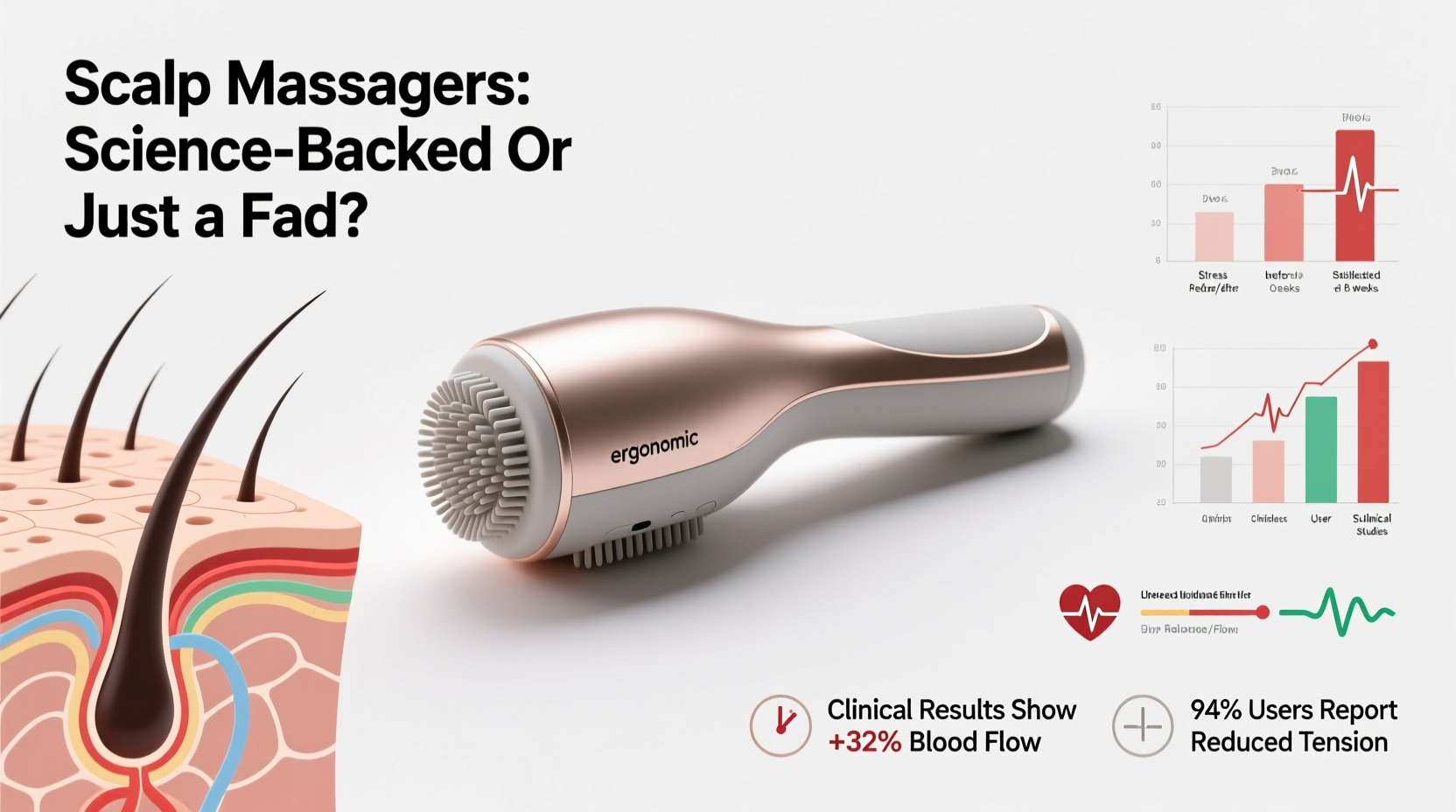
At the core of the scalp massager's appeal is a well-documented physiological principle: increased blood flow to the scalp can support healthier hair follicles. The dermal papilla at the base of each hair follicle relies on oxygen and nutrients delivered via blood circulation. When circulation improves, follicles may function more efficiently, potentially extending the growth phase (anagen phase) of hair.
A 2016 study published in *Eplasty* found that participants who performed daily 4-minute scalp massages for 24 weeks experienced measurable increases in hair thickness. While the study was small (only nine participants), the results were statistically significant and suggested that mechanical stimulation alone could influence hair quality.
Dr. Angela J. Lamb, director of the Ronald O. Perelman Department of Dermatology at Mount Sinai, explains:
“Regular scalp massage can help distribute natural oils, reduce tension in the muscles of the scalp, and improve microcirculation. These factors together create a better environment for hair growth—even if they don’t directly cause new hairs to sprout.”
This distinction is crucial. Scalp massagers aren't miracle cures for baldness or genetic hair loss. Instead, they act as supportive tools—much like brushing your teeth doesn’t guarantee perfect oral health but contributes to a healthy routine.
Types of Scalp Massagers and How They Work
Not all scalp massagers are created equal. Understanding the differences between manual and electric models helps clarify what each type can—and cannot—do.
| Type | How It Works | Best For | Likely Benefits |
|---|---|---|---|
| Manual Silicone Brushes | Finger-like nodes gently press and roll over the scalp | Daily use, sensitive scalps, travel | Improved product distribution, light exfoliation, relaxation |
| Electric Vibrating Devices | Battery-powered vibrations stimulate deeper tissue | Stress relief, deep stimulation | Increased blood flow, muscle relaxation, enhanced sensation |
| Shower-Mounted Tools | Attached to showerheads; water pressure enhances massage | Rinsing conditioners, exfoliating | Cleansing pores, removing buildup |
| Wooden Comb Massagers | Combines detangling with acupressure points | Curly or textured hair types | Reduced breakage, even oil distribution |
While electric models often deliver stronger sensations, research suggests that consistent pressure—not vibration—is the key factor in stimulating follicular activity. In fact, a 2021 review in *Skin Appendage Disorders* noted that rhythmic compression of the scalp, regardless of tool type, led to improved subjective reports of scalp health and reduced shedding over time.
Real-World Benefits: What Users Actually Experience
Anecdotal evidence from thousands of reviews across e-commerce platforms reveals consistent themes. Many users report:
- Immediate sense of relaxation and stress reduction
- Improved management of dandruff and flakiness
- Better absorption of serums and oils
- Less frequent scalp itching and tightness
- Perceived improvement in hair fullness after several weeks
Take the case of Maria T., a 34-year-old graphic designer from Portland, who began using a silicone scalp massager after experiencing postpartum hair thinning:
“I started losing clumps of hair after my daughter was born. My dermatologist said it was temporary, but I wanted to do something proactive. I bought a simple $12 brush and used it every time I washed my hair. Within two months, my scalp felt less dry, and I noticed fewer hairs in the drain. Was it the massager alone? Probably not—but combined with better nutrition and less stress, it became part of a routine that helped me feel back in control.”
Maria’s experience reflects a common pattern: scalp massagers rarely work in isolation but serve as catalysts for more mindful hair care. By encouraging users to pay closer attention to their scalp health, these tools foster habits—like regular exfoliation, reduced heat styling, and earlier detection of irritation—that contribute to long-term improvements.
When a Scalp Massager Might Not Be Worth It
Despite the benefits, there are scenarios where a scalp massager may offer little value—or even cause harm.
Individuals with certain conditions should exercise caution:
- Active scalp infections (e.g., fungal acne, impetigo): Physical irritation can worsen symptoms.
- Psoriasis or seborrheic dermatitis flare-ups: Aggressive scrubbing may trigger bleeding or spread lesions.
- Open wounds or recent scalp procedures: Post-laser therapy or hair transplants require medical clearance before any mechanical stimulation.
Additionally, overuse can lead to problems. Some users report increased oil production due to overstimulation of sebaceous glands, especially when using firm pressure daily. Others fall into the trap of “product stacking”—layering multiple serums, oils, and treatments under the assumption that more is better, which can clog pores and counteract intended benefits.
As Dr. Neil Sadick, clinical professor of dermatology at Weill Cornell Medical College, warns:
“The scalp is skin. And like facial skin, it can be overwhelmed. Just because a tool feels good doesn’t mean you should use it twice a day. Moderation and proper hygiene of the device itself are essential.”
How to Use a Scalp Massager Effectively: A Step-by-Step Guide
To get the most out of your scalp massager—without risking irritation—follow this simple routine:
- Cleanse First: Begin with damp hair. Apply shampoo directly to the scalp and use fingertips to loosen buildup.
- Apply Gentle Pressure: Place the massager at the hairline and move in slow, circular motions toward the crown. Spend 30 seconds per quadrant.
- Focus on Problem Areas: Pay extra attention to dry, flaky, or tight zones, but avoid pressing hard enough to cause pain.
- Rinse Thoroughly: Ensure all shampoo residue is removed, especially under thick hair.
- Use With Treatments (Optional): After washing, apply a lightweight serum or oil and repeat massage to enhance penetration.
- Clean the Device Weekly: Rinse silicone brushes with warm water and mild soap. Replace worn-out heads as needed.
For best results, limit use to 3–5 times per week. Daily use is acceptable only if your scalp tolerates it well and the tool is kept hygienic.
Checklist: Is a Scalp Massager Right for You?
Before buying, ask yourself the following:
- ✅ Do I struggle with product buildup or uneven oil distribution?
- ✅ Am I looking for ways to reduce stress or improve sleep?
- ✅ Do I already use scalp treatments (oils, serums, exfoliators)?
- ✅ Have I ruled out underlying medical causes of hair thinning?
- ❌ Do I have open sores, infections, or inflammatory scalp conditions?
- ❌ Am I expecting dramatic hair regrowth without addressing diet, hormones, or genetics?
If most of your answers are “yes” to the positives and “no” to the cautions, a scalp massager could be a worthwhile addition to your routine.
Frequently Asked Questions
Can a scalp massager regrow hair?
It won’t regrow hair lost due to genetics (androgenetic alopecia), but it may improve the health of existing follicles and prolong the growth phase. For medical-grade results, combine with FDA-approved treatments like minoxidil or consult a dermatologist.
How often should I replace my scalp massager?
Silicone brushes should be replaced every 6–12 months, depending on use and cleaning frequency. Look for signs of cracking, discoloration, or odor retention as indicators it’s time to upgrade.
Is it safe to use with colored or chemically treated hair?
Yes. In fact, gentle massage can help maintain scalp balance after bleaching or dyeing, which often causes dryness and sensitivity. Avoid excessive pressure immediately after chemical services.
The Verdict: More Than a Fad, But Not a Miracle
Scalp massagers are not magic wands. They won’t reverse balding, cure dandruff, or replace medical treatments. However, dismissing them as mere beauty fads overlooks their legitimate role in holistic scalp care.
When used correctly, they offer tangible benefits: improved circulation, enhanced product efficacy, stress reduction, and early detection of scalp issues. Their low cost, ease of use, and minimal risk profile make them accessible to most people—even those skeptical of wellness trends.
What elevates the scalp massager beyond gimmickry is its foundation in basic physiology and user behavior. Unlike flash-in-the-pan gadgets that disappear after one TikTok cycle, this tool encourages a habit—mindful scalp engagement—that aligns with long-standing dermatological advice.
So, are scalp massagers worth it? For many, the answer is yes—not because they transform hair overnight, but because they turn routine washing into a moment of self-care and awareness. In a world where we often neglect our scalps until problems arise, that small shift in attention might be the most valuable benefit of all.




 浙公网安备
33010002000092号
浙公网安备
33010002000092号 浙B2-20120091-4
Comments
No comments yet. Why don't you start the discussion?