
Scented diffusers have become a staple in modern homes, offering a simple way to freshen the air, reduce stress, and create a calming atmosphere. With their popularity rising, many pet owners are turning to essential oil diffusers for natural fragrance solutions. However, what smells pleasant to humans can be dangerous—or even deadly—for pets. Cats, dogs, birds, and small mammals have significantly more sensitive respiratory systems and metabolisms that process chemicals differently than humans. Using certain essential oils in diffusers around them can lead to serious health complications.
This article provides a comprehensive guide on the safety of scented diffusers around pets, identifies high-risk essential oils, and offers practical steps to enjoy aromatherapy without endangering your animal companions.
Why Essential Oils Can Be Dangerous for Pets
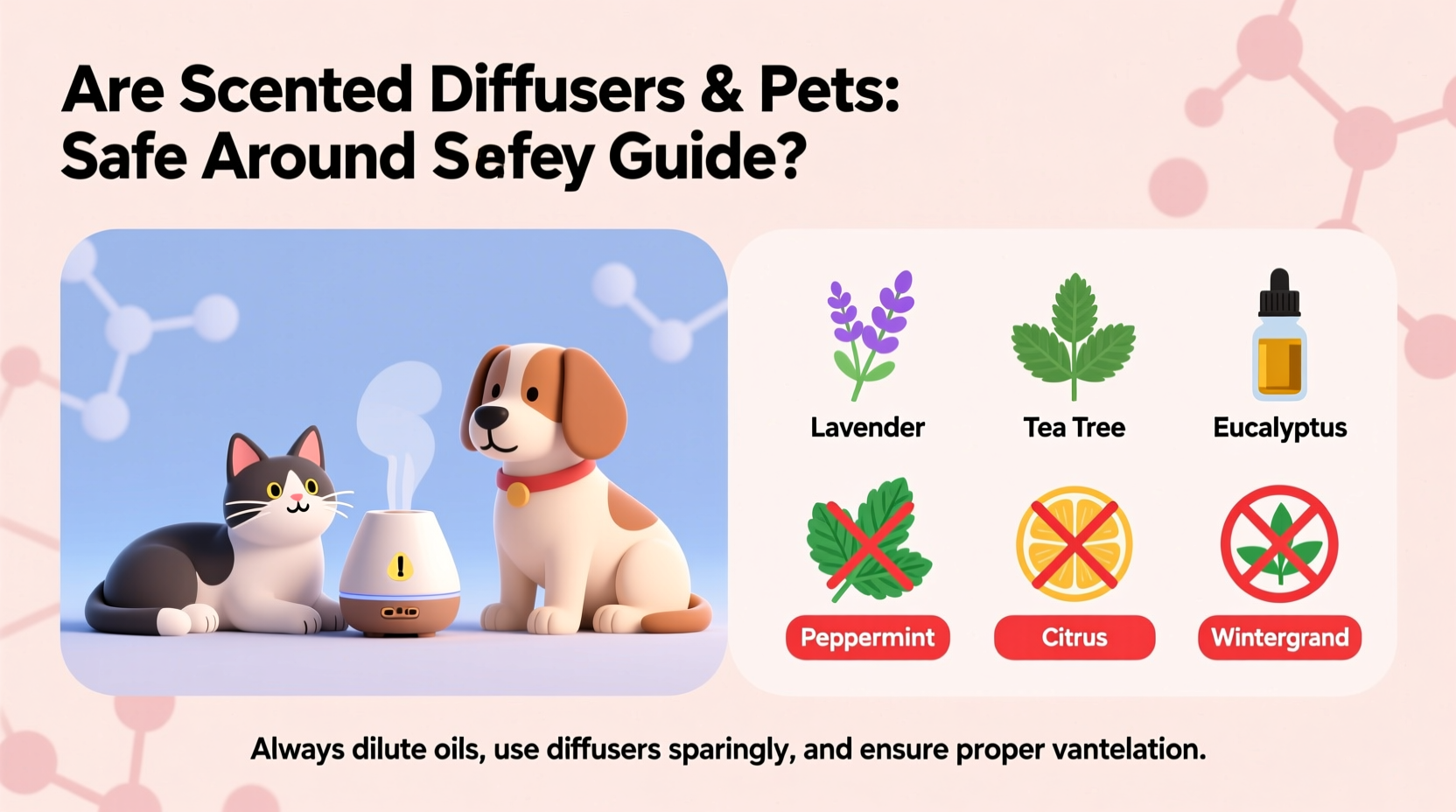
Essential oils are highly concentrated plant extracts. While they offer therapeutic benefits when used correctly in humans, their potency poses risks to animals. The danger lies not only in direct exposure but also in passive inhalation and accidental ingestion through grooming.
Cats, in particular, are extremely vulnerable. They lack specific liver enzymes—glucuronyl transferase—that help break down phenols and terpenes found in many essential oils. This metabolic deficiency means toxins can accumulate rapidly, leading to liver damage or failure. Dogs, while somewhat more resilient, can still suffer from respiratory distress, neurological symptoms, and gastrointestinal issues when exposed to certain oils.
Birds are among the most sensitive due to their highly efficient respiratory systems. Even brief exposure to diffused oils can cause breathing difficulties, organ failure, or sudden death. Small mammals like rabbits, guinea pigs, and hamsters also face similar risks because of their delicate lungs and fast metabolisms.
“Many essential oils marketed as ‘natural’ or ‘safe’ can be toxic to pets. Owners often don’t realize the risk until it’s too late.” — Dr. Karen Moriello, DVM, Diplomate ACVD, University of Wisconsin-Madison School of Veterinary Medicine
Essential Oils That Are Toxic to Pets
Not all essential oils are harmful, but several commonly used ones should be strictly avoided in homes with pets. The following table lists well-known toxic oils and their potential effects:
| Essential Oil | Pets at Risk | Common Symptoms of Exposure |
|---|---|---|
| Tea Tree (Melaleuca) | Cats, dogs, birds | Vomiting, weakness, tremors, liver damage |
| Eucalyptus | All pets | Drooling, coughing, difficulty breathing, seizures |
| Peppermint | Cats, dogs | Respiratory distress, lethargy, vomiting |
| Lavender (in high concentrations) | Cats, birds | Skin irritation, nausea, depression |
| Citrus (Lemon, Orange, Grapefruit) | Cats, birds | Photosensitivity, drooling, aspiration pneumonia |
| Pine | Dogs, birds | Respiratory irritation, chemical burns in airways |
| Cinnamon | All pets | Mouth sores, low blood sugar, liver failure |
| Ylang Ylang | Dogs | Vomiting, hypotension, cardiac abnormalities |
The compounds responsible for toxicity—such as phenols, monoterpene hydrocarbons, and ketones—are easily aerosolized in diffusers, making inhalation a primary route of exposure. Even oils considered “safe” in topical or diluted forms can become hazardous when vaporized and continuously inhaled.
Safe Practices for Using Diffusers Around Pets
Completely eliminating essential oils may not be necessary. With careful management, you can minimize risks while still enjoying aromatherapy benefits. The key is controlled usage and informed choices.
1. Choose Pet-Safe Oils (With Caution)
A few essential oils are generally considered lower risk when used sparingly and in well-ventilated areas. These include:
- Chamomile (German or Roman) – Mild sedative properties, but must be highly diluted.
- Frankincense – Often tolerated by dogs in low concentrations.
- Myrrh – Less volatile, but still requires caution.
Even these should be used infrequently and never in households with birds or cats unless explicitly approved by a veterinarian.
2. Limit Diffusion Time and Space
Continuous diffusion increases the concentration of airborne particles. Instead, follow this guideline:
- Diffuse for no more than 15–30 minutes at a time.
- Ensure the room is well-ventilated during and after use.
- Always allow several hours between sessions.
- Never diffuse in small, enclosed spaces where pets cannot leave.
3. Provide Escape Routes
Pets should always have access to a separate, oil-free area. Close doors to rooms where diffusers are operating, and monitor your pet’s behavior closely. Signs of discomfort—such as sneezing, panting, hiding, or excessive grooming—mean immediate removal from the environment is necessary.
4. Avoid Direct Contact
Never apply essential oils directly to a pet’s fur or skin. Also, prevent contact with diffuser surfaces, as animals may lick residue during grooming. Clean diffuser units regularly to avoid buildup.
Real-Life Scenario: A Cautionary Case
In suburban Colorado, a family introduced a new lavender and eucalyptus diffuser into their living room to help with seasonal allergies. Their two cats, previously healthy, began showing signs of lethargy and uncoordinated movement within days. One cat developed vomiting and refused food. Concerned, the owners rushed the cat to an emergency vet.
After blood tests revealed elevated liver enzymes and signs of hepatic stress, the veterinarian asked about household changes. Upon learning of the diffuser use, the vet diagnosed essential oil toxicity. The family discontinued use immediately, and with supportive care, both cats recovered over several weeks. The experience led them to remove all essential oil products from their home.
This case highlights how quickly symptoms can develop—even with oils perceived as mild—and underscores the importance of vigilance.
Step-by-Step Guide: Using Diffusers Safely with Pets
If you choose to use a diffuser despite having pets, follow this safety protocol:
- Identify your pet’s species and sensitivity level – Birds and cats are highest risk.
- Review the oil list – Eliminate any known toxic oils from your collection.
- Select a high-quality ultrasonic diffuser – Avoid heat-based diffusers that alter oil chemistry.
- Use only 3–5 drops per session – Less is safer.
- Diffuse in a pet-free room – Keep doors closed and ensure pets cannot enter.
- Limit sessions to 15–30 minutes – Follow with at least 4 hours of no diffusion.
- Observe your pet closely – Watch for coughing, sneezing, discharge, or behavioral changes.
- Stop immediately if any symptoms appear – Ventilate the home and consult your vet.
Checklist: Pet-Friendly Diffuser Safety
Before turning on your diffuser, run through this checklist:
- ✅ I have confirmed the essential oil is non-toxic for my pet species.
- ✅ My pet is not in the same room or has the option to leave.
- ✅ The diffuser is placed out of reach and away from cages or enclosures.
- ✅ I am using no more than 5 drops of oil.
- ✅ The room is well-ventilated (windows open or fan running).
- ✅ I am limiting diffusion to under 30 minutes.
- ✅ I have removed the diffuser and cleaned the area afterward.
Frequently Asked Questions
Can I use a diffuser if I have a dog?
You can, but with strict precautions. Avoid oils like tea tree, peppermint, citrus, and pine. Use short cycles in ventilated rooms, and always give your dog the option to leave. Monitor for signs of distress such as coughing or lethargy.
Are there any completely safe essential oils for cats?
No essential oil is considered 100% safe for cats due to their unique metabolism. Even oils like lavender and chamomile can be harmful when diffused. The safest approach is to avoid essential oil diffusers entirely in homes with felines.
What should I do if my pet inhales essential oils?
Immediately remove your pet from the area and provide fresh air. Do not induce vomiting. Contact your veterinarian or the ASPCA Animal Poison Control Center (888-426-4435) right away. Have the oil’s label ready for reference.
Conclusion: Balancing Wellness and Pet Safety
Aromatherapy can enhance well-being, but not at the expense of your pet’s health. Scented diffusers, while appealing, introduce invisible hazards into shared living spaces. The responsibility lies with pet owners to prioritize safety over ambiance.
By understanding which essential oils are toxic, recognizing early signs of exposure, and adopting strict usage guidelines, you can make informed decisions that protect your animal family members. When in doubt, err on the side of caution. There are plenty of pet-safe alternatives—like baking soda boxes or unscented air purifiers—that keep your home fresh without risking harm.




 浙公网安备
33010002000092号
浙公网安备
33010002000092号 浙B2-20120091-4
Comments
No comments yet. Why don't you start the discussion?