
Sheet masks have become a staple in skincare routines around the world, especially popularized by K-beauty trends. Rows of neatly packaged, single-use masks line drugstore shelves and luxury boutiques alike. But as their popularity has soared, so have questions about their real value. Are they truly delivering measurable benefits, or are they little more than wet paper with a premium price tag? To answer this, we need to look beyond marketing claims and examine the ingredients, function, and practical outcomes of regular use.
The core concept behind sheet masks is simple: a fiber or hydrogel sheet soaked in a concentrated serum is placed on the face to deliver active ingredients more effectively than applying the same serum with hands. But does this method actually enhance absorption? And when compared to traditional moisturizers or serums, do sheet masks justify their cost and environmental footprint?
How Sheet Masks Work: The Science Behind the Soak
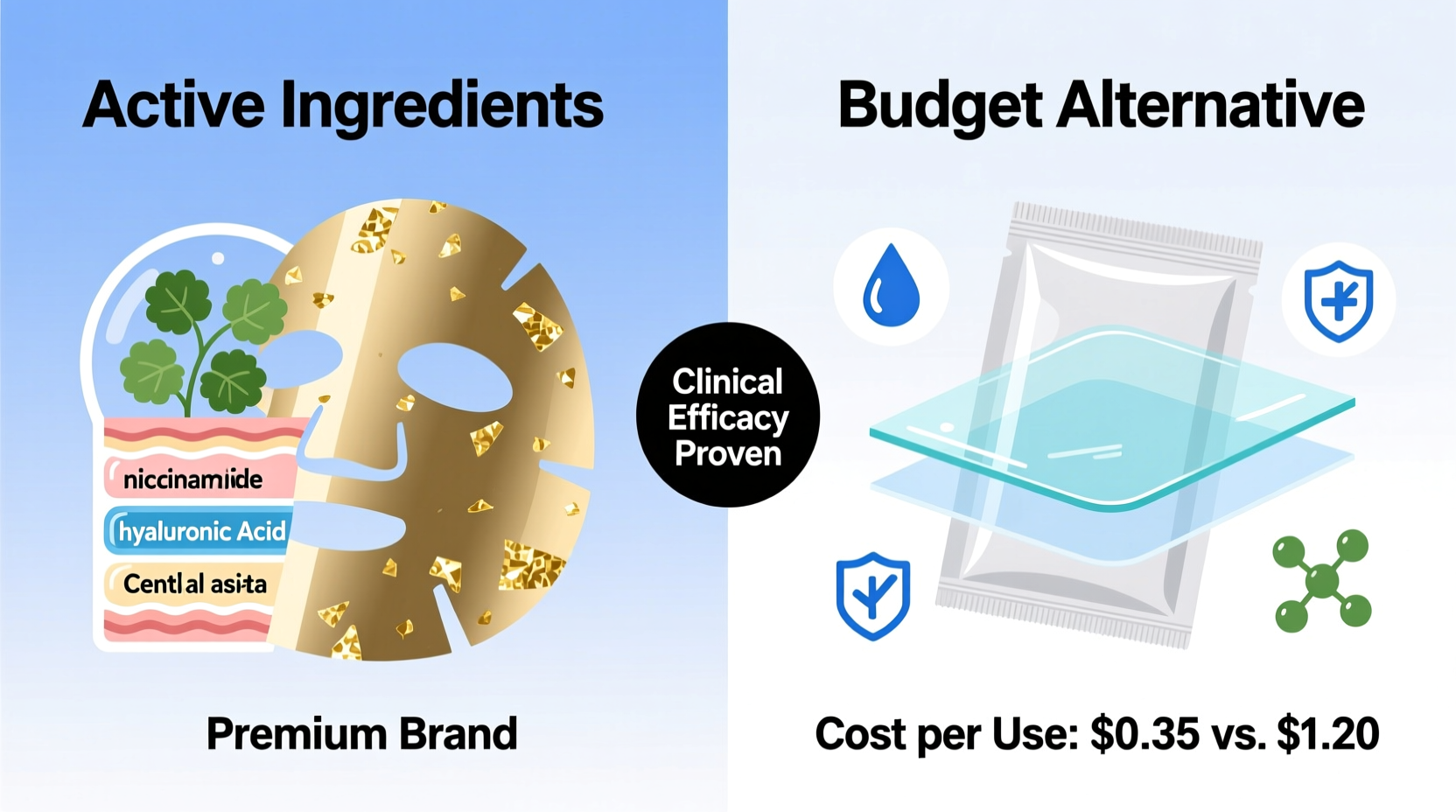
At their most basic, sheet masks create an occlusive barrier on the skin. This seal limits evaporation of moisture and increases the skin’s permeability, allowing active ingredients to penetrate more deeply. The mask holds the serum in direct contact with the skin for 15–30 minutes, preventing it from drying out—something that often happens when applying a liquid serum alone.
This process, known as occlusion, has been studied in dermatology for decades. Research shows that sealing hydration into the skin improves barrier function and can enhance the delivery of certain actives like hyaluronic acid, niacinamide, and peptides. A 2018 study published in the Journal of Cosmetic Dermatology found that participants who used sheet masks twice weekly for four weeks experienced significant improvements in skin hydration and elasticity compared to a control group.
However, not all ingredients benefit equally from occlusion. Oil-soluble compounds such as retinol or vitamin E may not absorb well through water-based sheet masks unless specifically formulated for penetration. Water-soluble ingredients like hyaluronic acid thrive in this environment because they attract and bind moisture to the skin’s surface.
Breaking Down the Ingredients: What’s Really in That Liquid?
The effectiveness of a sheet mask depends almost entirely on its formulation. While some contain high concentrations of proven actives, others are diluted with water, fragrance, and preservatives that offer little benefit—and may even irritate sensitive skin.
To determine whether a mask is worth using, check the ingredient list. Look for key components such as:
- Hyaluronic Acid: A powerful humectant that holds up to 1,000 times its weight in water, ideal for plumping dry skin.
- Niacinamide (Vitamin B3): Helps reduce redness, minimize pores, and strengthen the skin barrier.
- Peptides: Support collagen production and improve firmness over time.
- Centella Asiatica (Cica): Soothes inflammation and aids in healing irritated skin.
- Arbutin or Vitamin C: Target hyperpigmentation and brighten dull complexions.
Avoid masks loaded with alcohol, synthetic fragrances, or parabens, especially if you have reactive or acne-prone skin. These additives can disrupt the skin’s natural balance and lead to long-term sensitivity.
“Sheet masks aren’t miracle workers, but they’re excellent tools for targeted hydration and ingredient delivery when used correctly.” — Dr. Lena Park, Board-Certified Dermatologist
Comparing Value: Sheet Masks vs. Traditional Skincare
One of the biggest criticisms of sheet masks is their cost per use. A pack of 10 quality masks might cost $20–$30, making each application $2–$3. Compare that to a $30 serum bottle containing 30 ml, which could last three months with daily use. On the surface, traditional products seem far more economical.
But sheet masks serve a different purpose. They’re not meant to replace your daily routine—they’re intensive treatments, similar to weekly hair masks or facial peels. Their value lies in the immediate sensory experience and short-term results: dewy, calm, and visibly refreshed skin within minutes.
Here’s a comparison of common skincare formats:
| Skin Care Format | Cost Per Use (Avg) | Key Benefits | Best For |
|---|---|---|---|
| Sheet Mask | $2–$4 | Instant hydration, soothing, brightening boost | Pre-event prep, dry/sensitive skin days |
| Liquid Serum | $0.50–$1.50 | Long-term correction (acne, aging, pigmentation) | Daily treatment & maintenance |
| Cream Moisturizer | $0.30–$1.00 | Barrier protection, sustained hydration | All skin types, especially dry/eczema-prone |
| Overnight Mask | $1.00–$2.50 | Deep repair while sleeping | Mature, dehydrated, or stressed skin |
As shown, sheet masks are higher in cost per use but excel in immediacy and sensory appeal. They’re not inefficient—they’re specialized.
When Sheet Masks Shine: Real-Life Scenarios
Consider Sarah, a 32-year-old marketing executive based in Chicago. During winter, her office heating system dries out her skin, leaving it flaky and tight by midday. She started using a hyaluronic acid-infused sheet mask every Sunday night and noticed a visible difference in her skin’s resilience by the second week. “I don’t feel the need to reapply moisturizer constantly,” she says. “My makeup goes on smoother, and I get fewer compliments on how ‘glowy’ I look.”
Sarah isn’t seeing anti-aging miracles—but she is experiencing improved hydration and comfort, which makes her daily routine more effective. Her dermatologist recommended the masks as a supplementary step, not a replacement for her retinol serum or sunscreen.
This reflects a broader truth: sheet masks work best when integrated strategically. They’re particularly useful in these situations:
- Post-flight recovery: Air travel depletes skin moisture; a hydrating mask helps restore equilibrium.
- Before special events: A 20-minute glow boost without heavy makeup.
- After sun exposure: Calming masks with aloe or cica can soothe mild irritation.
- During seasonal transitions: When skin reacts to humidity shifts or temperature changes.
Smart Usage Guide: How to Maximize Your Mask’s Potential
Using a sheet mask incorrectly can waste both time and product. Follow this step-by-step guide to get the most out of each application:
- Cleanse thoroughly: Remove dirt, oil, and makeup so the serum can penetrate cleanly.
- Tone first: Apply a hydrating toner to prep the skin and slightly open pores.
- Apply the mask: Align it carefully over your face, smoothing out air bubbles.
- Relax for 15–20 minutes: Don’t walk around or lie flat—stay seated upright to prevent leakage.
- Massage in remaining essence: After removing the mask, gently press leftover serum into neck and décolletage.
- Follow with moisturizer: Seal in the hydration with a cream or balm, especially at night.
- Use 1–3 times per week: Overuse can lead to over-hydration and weakened barrier function.
Common Myths and Misconceptions
Despite their popularity, several myths persist about sheet masks:
- Myth: They replace moisturizers. False. They deliver hydration, but occlusion is needed afterward to lock it in.
- Myth: More expensive = better results. Not necessarily. Some affordable brands use identical active ingredients as luxury labels.
- Myth: Leaving the mask on longer boosts effectiveness. No—most masks are designed for 15–20 minutes. Beyond that, the sheet can start drawing moisture back from the skin as it dries.
- Myth: All skin types benefit equally. Oily or acne-prone skin may react poorly to overly rich essences or non-breathable materials.
Environmental and Ethical Considerations
Another factor in the \"worth it\" debate is sustainability. Most sheet masks come in multi-layered packaging—plastic pouches, foil seals, and non-biodegradable sheets. With millions used daily worldwide, the environmental impact is significant.
Some brands now offer biodegradable cellulose or bamboo fiber masks with recyclable packaging. Others use minimal water formulas or reusable silicone mask holders with refillable serums. If you value eco-conscious beauty, seek out these innovations—or consider switching to wash-off clay or gel masks with lower waste profiles.
Alternatively, DIY options like cotton pads soaked in green tea or rosewater can mimic the occlusive effect at a fraction of the environmental cost.
FAQ: Answering Common Questions
Can I use a sheet mask every day?
Not recommended. Daily use can overwhelm the skin’s natural barrier, leading to irritation or dependency on external hydration. Limit use to 2–3 times per week unless advised otherwise by a dermatologist.
Do sheet masks help with acne or anti-aging?
Some do—if they contain proven actives like salicylic acid, niacinamide, or peptides. However, they should complement, not replace, targeted treatments. For persistent acne or aging concerns, consult a professional and prioritize evidence-based regimens.
Are there any risks to using sheet masks?
Potential risks include allergic reactions (especially to fragrance), over-hydration (which weakens the skin barrier), and breakouts from occlusive materials. Always patch test new masks and avoid using them on broken or infected skin.
Final Verdict: Are They Worth It?
Calling sheet masks “expensive paper soaked in water” oversimplifies their function. Yes, the base material is often inexpensive. But the value lies in the formulation, delivery method, and user experience. For people seeking quick hydration, calming effects, or a ritualistic self-care moment, sheet masks offer tangible benefits.
They’re not essential. You can achieve similar hydration with a good serum and moisturizer. But they provide a convenient, mess-free way to intensify treatment—especially when skin is stressed, dehydrated, or in need of a visible refresh.
The key is choosing wisely. Opt for masks with clean, effective ingredients, use them strategically, and avoid treating them as magic fixes. View them as supplemental tools in a broader skincare ecosystem, not standalone solutions.
“The best skincare routines are balanced. Sheet masks can be part of that balance—if you use them with intention.” — Dr. Rachel Kim, Clinical Aesthetician
Make the Most of Your Routine
If you’ve dismissed sheet masks as gimmicks, reconsider—with discernment. If you’ve been relying on them exclusively, expand your approach. Skincare thrives on consistency, not shortcuts. Whether you keep using sheet masks or phase them out, let your choices be informed by science, not hype.




 浙公网安备
33010002000092号
浙公网安备
33010002000092号 浙B2-20120091-4
Comments
No comments yet. Why don't you start the discussion?