
Sheet masks have become a staple in skincare routines across the globe—especially in K-beauty circles. With their promise of hydration, radiance, and a moment of self-care, they’re often marketed as a quick fix for dull, tired skin. But are they truly effective when used weekly, or are they simply an Instagrammable excuse to lie still for 20 minutes? The answer isn’t black and white. It depends on your skin type, goals, ingredients, and expectations. Let’s take a deep dive into the reality behind weekly sheet mask use.
The Science Behind Sheet Masks: How They Work
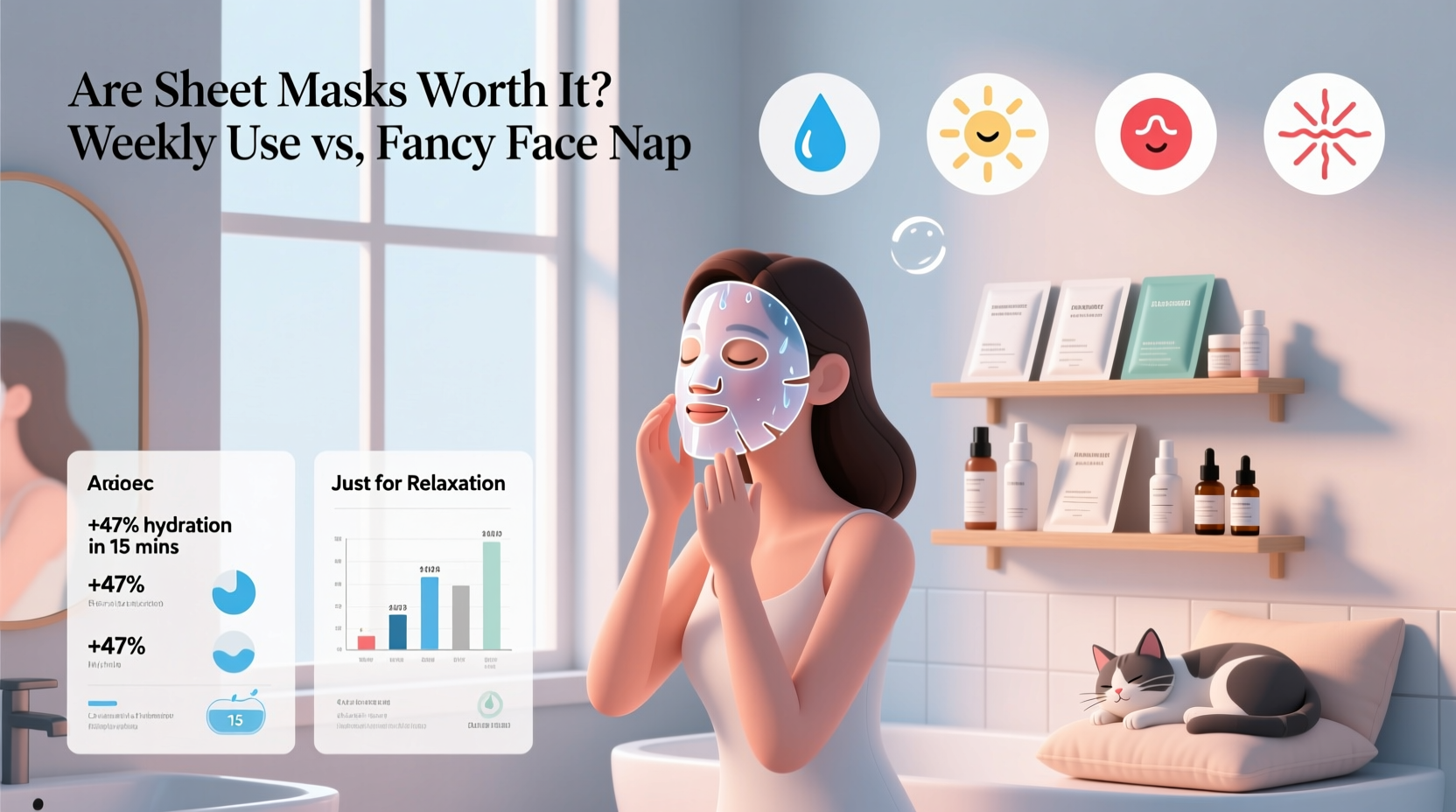
A sheet mask is essentially a thin fabric or cellulose sheet soaked in a concentrated serum blend. Unlike traditional moisturizers that sit on the skin's surface, sheet masks create an occlusive barrier. This seal prevents evaporation, allowing active ingredients more time to penetrate the upper layers of the skin—a process known as occlusion-assisted delivery.
This temporary boost in hydration can lead to visible plumping, reduced appearance of fine lines, and a smoother texture immediately after use. Ingredients like hyaluronic acid, niacinamide, ceramides, and panthenol are commonly found in these serums and are well-studied for their skin-supporting properties.
However, it’s important to note: most of the effects are short-term. While you may wake up with dewy, bouncy skin, the long-term benefits depend on consistency and formulation—not frequency alone.
“Occlusion increases ingredient penetration by up to 500% compared to open application. That’s why sheet masks can deliver a noticeable hydration spike—but sustained results require complementary daily care.” — Dr. Lena Park, Board-Certified Dermatologist
Weekly Use: Benefits vs. Realistic Expectations
Using a sheet mask once a week can be a strategic addition to a well-rounded skincare routine—if done thoughtfully. Here’s what weekly use can realistically offer:
- Hydration Boost: Especially beneficial during dry seasons or after sun exposure.
- Skin Barrier Support: Masks with ceramides or peptides can reinforce moisture retention.
- Pre-Event Glow: Ideal before special occasions when you want an instant luminosity lift.
- Mental Wellness: The ritual itself promotes mindfulness and stress reduction, which indirectly supports skin health.
But expecting dramatic anti-aging results or acne clearance from weekly masking is setting yourself up for disappointment. Sheet masks are not replacements for targeted treatments like retinoids, exfoliants, or prescription topicals. They’re best viewed as supplementary—like a vitamin boost rather than a full meal.
When Weekly Use Makes Sense (And When It Doesn’t)
Not all skin types benefit equally from weekly sheet masking. Here’s a breakdown of who gains the most—and who should proceed with caution:
| Skin Type | Weekly Use Recommended? | Why / Why Not |
|---|---|---|
| Dry or Dehydrated | Yes | Benefits greatly from extra hydration; look for masks with hyaluronic acid and glycerin. |
| Oily or Acne-Prone | Conditional | Choose oil-free, non-comedogenic formulas with tea tree or centella asiatica. Avoid heavy occlusion if prone to clogged pores. |
| Sensitive | Cautious | May react to fragrances, alcohol, or preservatives. Patch test first and limit to biweekly if tolerated. |
| Normal/Combination | Yes | Can enjoy benefits without risk—ideal for seasonal transitions or fatigue recovery. |
| Mature | Yes | Supports plumpness and elasticity; pair with collagen-boosting ingredients like peptides. |
Overuse—even with gentle formulas—can lead to issues. Some dermatologists warn that frequent occlusion might disrupt the skin’s natural barrier regulation over time, especially if the mask contains irritants. More isn’t always better.
Real-World Case: Sarah’s 6-Week Experiment
Sarah, a 34-year-old graphic designer from Portland, struggled with midday dullness and occasional dehydration, especially during winter months. Her routine included a cleanser, moisturizer, and SPF—but she rarely used targeted treatments.
Curious about the hype, she committed to using a different hydrating sheet mask every Sunday for six weeks. She chose reputable brands with clean formulations: mostly hyaluronic acid, niacinamide, and rice ferment extracts. She applied each mask for 15–20 minutes post-cleansing and followed with her usual moisturizer.
Results:
- Week 1–2: Immediate glow noticed the next morning. Colleagues commented on her “rested” look.
- Week 3–4: Skin felt softer, makeup applied more smoothly. Mild improvement in cheek-area flakiness.
- Week 5–6: No further dramatic changes. She realized the effect plateaued unless paired with better nightly hydration.
Takeaway: The masks gave Sarah a consistent hydration boost, but didn’t replace the need for a richer night cream or weekly exfoliation. Still, she continued weekly use—not for transformation, but for maintenance and ritual.
“The psychological benefit was real. I looked forward to Sundays as ‘me time.’ Even if the skin change wasn’t drastic, my stress levels dropped—and that showed on my face.” — Sarah T., participant
How to Use Sheet Masks Effectively: A Step-by-Step Guide
If you're going to use sheet masks weekly, do it right. Follow this sequence to get the most out of each session:
- Cleanse thoroughly: Remove makeup, sunscreen, and impurities so actives can penetrate cleanly.
- Tone (optional but recommended): Prepares the skin pH and enhances absorption.
- Unfold and apply the mask: Align eyes, nose, and mouth. Smooth out air pockets to ensure full contact.
- Relax for 15–20 minutes: Don’t multitask. Lie flat or recline to prevent serum runoff.
- Massage remaining serum: After removing the mask, gently press leftover essence into neck and décolletage.
- Follow with moisturizer: Lock in hydration—especially important if your climate is dry.
- Store unused masks properly: Keep in a cool, dark place. Avoid heat or humidity to preserve ingredient integrity.
Tip: For extra cooling relief, store your sheet masks in the refrigerator (not freezer) for 10–15 minutes before use—ideal for puffiness or post-sun exposure.Checklist: Is Your Weekly Sheet Mask Habit Worth It?
Before committing to weekly use, ask yourself these questions:
- ✅ Am I choosing masks based on my skin concerns—not packaging or trends?
- ✅ Are the ingredients clinically backed (e.g., hyaluronic acid, niacinamide, centella)?
- ✅ Do I follow up with moisturizer to seal in benefits?
- ✅ Have I noticed visible or tactile improvements within 4 weeks?
- ✅ Am I using them instead of proven treatments—or alongside them?
- ✅ Does my skin feel irritated, breaking out, or overly dependent on them?
If most answers are “yes” to the positives and “no” to irritation, weekly use is likely beneficial. If you're unsure, scale back to biweekly and monitor.
Frequently Asked Questions
Can I leave a sheet mask on overnight?
No. Most sheet masks are designed for short-term use (15–20 minutes). Leaving them on too long can cause the fabric to dry out and pull moisture from your skin, leading to rebound dryness or irritation. Always follow the recommended wear time.
Do cheaper sheet masks work as well as expensive ones?
Often, yes. Price doesn’t always correlate with efficacy. Many affordable brands (especially Korean and Japanese drugstore options) use high concentrations of proven ingredients. Focus on the ingredient list rather than brand prestige or marketing claims.
Should I wash my face after using a sheet mask?
No. Rinse only if the serum feels sticky or causes discomfort. Otherwise, massage the residue in and continue with your routine. Washing it off defeats the purpose of the treatment.
Final Verdict: Worth It or Waste of Time?
Calling sheet masks “just fancy face nap time” undersells their potential—but overselling them as miracle workers sets unrealistic expectations. The truth lies in balance.
Used weekly, sheet masks can provide measurable hydration, support skin resilience, and enhance your overall routine. They shine brightest when integrated thoughtfully: chosen for your skin type, applied correctly, and paired with foundational skincare habits.
For those seeking a moment of calm, a pre-event glow, or an extra layer of care during harsh weather, they’re absolutely worth it. But if you’re relying on them to fix acne, erase wrinkles, or replace daily sunscreen, you’re misplacing your investment.
Think of a weekly sheet mask like a spa day for your skin—beneficial, refreshing, and supportive, but not a substitute for consistent, science-backed care.
💬 Have you tried weekly sheet masking? Did you see results—or just enjoy the downtime? Share your experience below and help others decide whether to keep, tweak, or skip the trend!




 浙公网安备
33010002000092号
浙公网安备
33010002000092号 浙B2-20120091-4
Comments
No comments yet. Why don't you start the discussion?