
Every day, millions of people rely on their smartphones for communication, navigation, work, and entertainment. With such dependence comes a shared fear: dropping the device. One of the most common solutions is a silicone phone case. Soft, flexible, and widely available, these cases are often marketed as protective accessories. But do they actually safeguard your phone when it hits the ground? Or are they more about aesthetics than impact resistance?
To answer this question, we need to look beyond marketing claims and examine material properties, drop-test data, design limitations, and real-world usage patterns. The truth is nuanced — silicone cases offer some protection, but not in the way many users assume.
The Science Behind Impact Protection
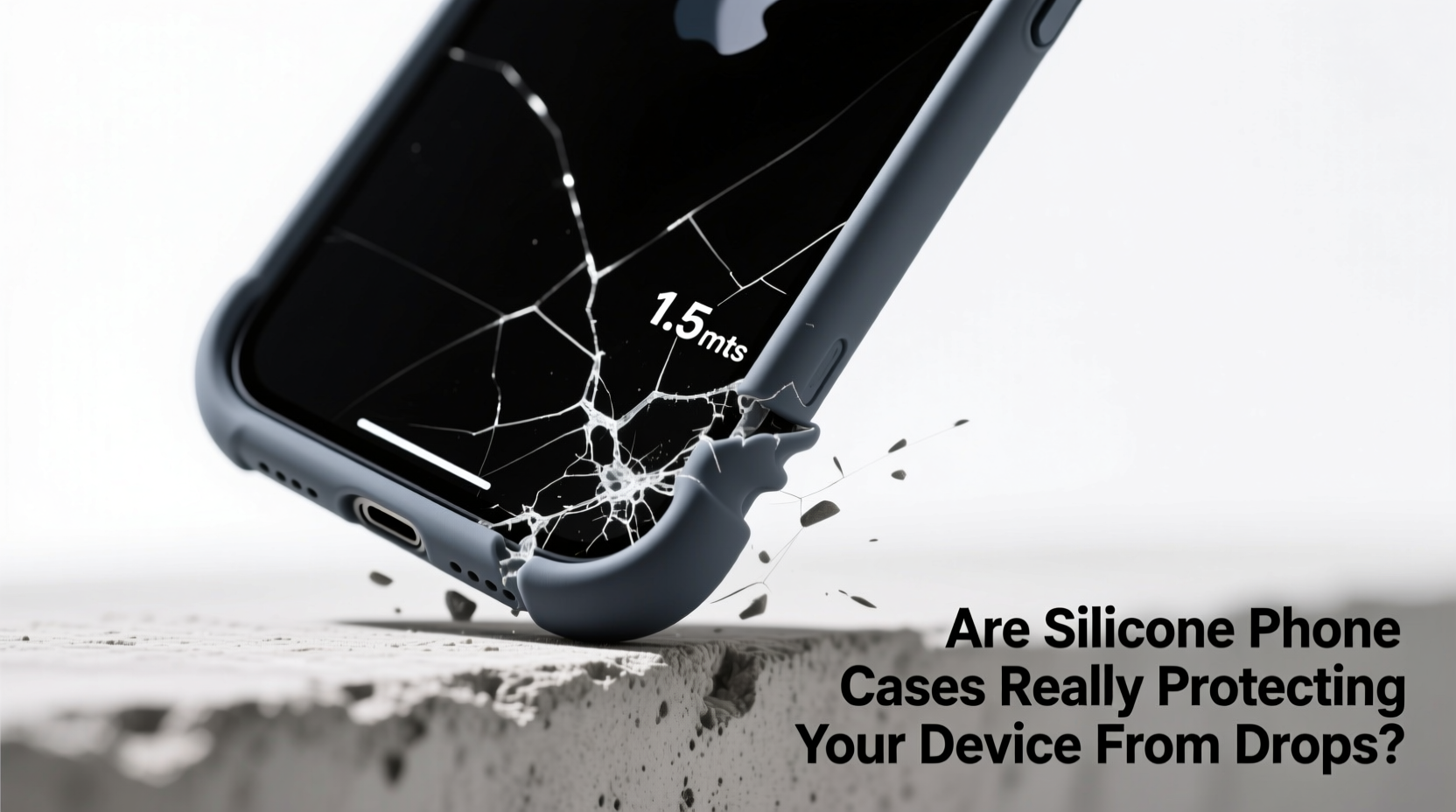
When a phone falls, kinetic energy is transferred upon impact. A good case absorbs or redirects that energy away from the phone’s body and screen. Materials like TPU (thermoplastic polyurethane), polycarbonate, and hybrid composites are engineered specifically for shock dispersion. Silicone, by contrast, behaves differently.
Silicone is a synthetic rubber known for flexibility, heat resistance, and water repellency. It deforms easily under pressure and returns to its original shape. While this makes it pleasant to hold and resistant to minor scratches, it doesn’t compress or absorb high-impact forces as effectively as denser materials. In physics terms, silicone has low hysteresis — meaning it doesn’t dissipate much energy during deformation. Instead, it rebounds quickly, transferring much of the shock directly to the phone.
“Silicone feels protective because it’s soft to the touch, but softness alone doesn’t equate to drop protection. What matters is energy absorption and structural reinforcement.” — Dr. Lena Torres, Materials Engineer at Mobile Safety Labs
This misconception stems from equating tactile comfort with physical safety. Just because a case feels cushioned doesn’t mean it can handle a 4-foot drop onto concrete.
Drop Test Results: Real-World Performance
Independent labs and consumer testers have conducted controlled drop tests comparing silicone cases to other types. Here’s a summary of findings across multiple studies:
| Case Type | Average Survival Rate (6 ft, concrete) | Common Failure Points | Notes |
|---|---|---|---|
| Silicone | 45% | Cracked screen, bent frame | Limited edge coverage; poor shock absorption |
| TPU (Flexible Plastic) | 70% | Minor scuffs, occasional corner cracks | Better energy dispersion due to thickness and density |
| Hybrid (TPU + Polycarbonate) | 88% | Rare screen damage | Rigid backplate with shock-absorbing corners |
| Military-Grade (MIL-STD-810G Certified) | 93% | Almost no internal damage | Multi-layer construction with air pockets |
These results show that while silicone cases may prevent minor scuffs and everyday abrasions, they fall short in high-impact scenarios. Their thin profile and lack of structural rigidity mean they offer minimal buffer between the phone and hard surfaces.
Design Limitations of Silicone Cases
Most silicone cases are designed primarily for grip and appearance. They’re slim, form-fitting, and often come in vibrant colors or textures. However, several design choices limit their protective capabilities:
- Lack of raised edges: Many silicone cases sit flush with the screen, offering no lip to protect the display during face-down drops.
- Thin walls: To maintain a sleek profile, manufacturers use minimal material, reducing shock absorption potential.
- Poor corner reinforcement: Corners bear the brunt of most impacts, yet silicone cases rarely include extra padding in these areas.
- Slippery when wet: Although silicone resists water, it becomes slick when damp, increasing the likelihood of accidental drops.
In contrast, rugged cases feature multi-layer designs, air-cushion technology, and protruding bumpers that absorb impact before it reaches the phone. Some even include replaceable outer shells or modular components for enhanced durability.
Mini Case Study: Office Worker vs. Construction Site Manager
Consider two individuals: Sarah, an office worker who carries her phone in a purse, and Jamal, a site manager who keeps his phone in a cargo pocket while climbing scaffolding.
Sarah uses a clear silicone case. She occasionally sets her phone down too close to the edge of her desk. Over six months, she experiences three minor drops — all onto carpet or tile. Her phone survives unscathed. She credits the case.
Jamal uses a military-grade hybrid case. On average, he drops his phone twice a week — usually onto gravel, concrete, or metal stairs. Despite over 80 documented falls in a year, his phone remains functional with only superficial case damage.
The difference isn’t just the environment — it’s the level of protection each case provides. For low-risk users like Sarah, silicone might suffice. For anyone facing frequent or harsh conditions, it’s inadequate.
When Silicone Cases Make Sense
That said, silicone isn’t without merit. It excels in specific situations where extreme drop protection isn’t the priority.
For example:
- Users seeking lightweight, grippy cases for daily indoor use.
- Those who value aesthetics and want a smooth, matte finish.
- People using phones with built-in durability (e.g., IP68 rating, reinforced glass).
- Owners of older models where replacement cost is low.
In these contexts, silicone offers reasonable defense against scrapes, dust, and light bumps. It also resists yellowing better than transparent TPU cases, maintaining visual appeal over time.
“Silicone is excellent for scratch resistance and grip, but don’t mistake it for armor. Think of it as a light jacket — fine for drizzle, not a hurricane.” — Mark Fenster, Tech Product Reviewer at GadgetSafe.io
Choosing the Right Case: A Practical Checklist
If your main concern is preventing damage from drops, here’s what to look for in a truly protective case:
- Elevated bezels: The case should extend slightly above the screen and camera lens to prevent direct contact with surfaces.
- Certified drop protection: Look for MIL-STD-810G certification or equivalent third-party testing data.
- Shock-absorbing materials: Prioritize cases with dual layers — a rigid outer shell and a flexible inner core.
- Corner reinforcement: Air pockets or extended bumpers in the corners significantly improve impact resistance.
- Grip texture: Even rugged cases should feel secure in hand; avoid overly glossy finishes.
- Compatibility with wireless charging: Ensure the case doesn’t interfere with charging efficiency.
Alternatives to Silicone for Maximum Protection
Several case types outperform silicone in impact resistance:
- TPU Cases: More durable than silicone, with better elasticity and energy dissipation. Often used in mid-range protective models.
- Polycarbonate Hard Shells: Rigid plastic backs provide excellent scratch and crush resistance, though less effective on direct drops without added lining.
- Hybrid Cases: Combine polycarbonate plates with TPU edges for balanced protection. Most recommended for active users.
- Folio & Wallet Cases: Leather or synthetic fronts add bulk but shield the screen when closed.
- Ultra-Rugged Cases: Brands like OtterBox, UAG, and Spigen offer multi-layer systems designed for extreme environments.
While these options tend to be thicker and heavier, they deliver measurable improvements in survival rates after drops.
FAQ: Common Questions About Silicone Case Protection
Can a silicone case protect my phone from a 5-foot drop?
In most cases, no. Independent tests show that standard silicone cases fail to prevent screen or internal damage when dropped from 5 feet onto hard surfaces like tile or concrete. Survival depends heavily on landing angle and surface type, but odds are against it.
Why do so many people use silicone cases if they don’t protect well?
Silicone cases are popular due to their affordability, comfort, and wide availability. Many users prioritize style and grip over heavy-duty protection, especially if they’re careful with their devices. Marketing also plays a role — terms like “shockproof” are sometimes used loosely.
Do liquid silicone cases offer better protection than regular ones?
No. Liquid silicone rubber (LSR) is simply a higher-quality, more consistent form of silicone. It improves longevity and color retention but does not enhance impact resistance. The fundamental material properties remain the same.
Conclusion: Rethinking Protection Expectations
Silicone phone cases are not inherently bad — they serve important functions in grip, scratch resistance, and aesthetic customization. However, labeling them as effective drop protectors is misleading. Physics and empirical evidence both show that silicone lacks the structural integrity and energy-dissipating qualities needed to shield a phone during serious falls.
If you live an active lifestyle, work in demanding environments, or simply want peace of mind, investing in a certified protective case is worth the added bulk. For those with lower risk exposure, silicone may still be a suitable choice — as long as expectations are realistic.
Ultimately, protection isn’t just about having a case; it’s about choosing the right one for your habits and environment. Don’t let softness fool you — true safety lies in smart design, tested performance, and informed decisions.




 浙公网安备
33010002000092号
浙公网安备
33010002000092号 浙B2-20120091-4
Comments
No comments yet. Why don't you start the discussion?