
Sleep tracking apps have become ubiquitous. From smartwatches to bedside devices, millions rely on them to decode their nightly rest. They deliver colorful charts, sleep scores, and detailed breakdowns of light, deep, and REM sleep—promising insights into health, recovery, and performance. But behind the polished interfaces and algorithmic summaries lies a critical question: How much of this data is grounded in medical accuracy, and how much is educated guesswork?
The truth isn’t binary. Sleep trackers aren’t pure fiction, nor are they clinical-grade tools. They represent a middle ground—convenient, accessible, and increasingly sophisticated, yet fundamentally limited by the technology they use and the complexity of human physiology.
The Science Behind Sleep Tracking
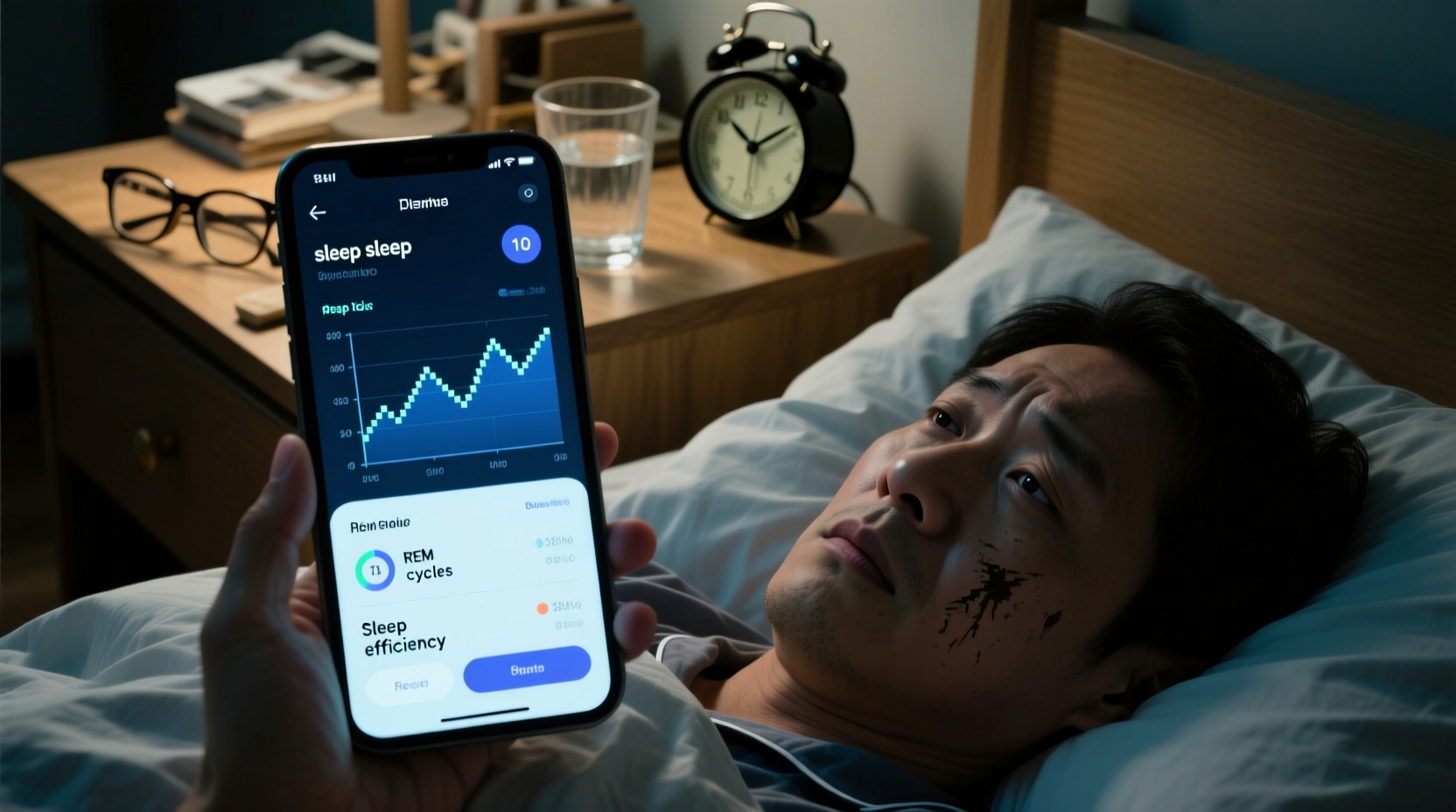
To understand the reliability of sleep tracking apps, it's essential to first grasp how they work. Most consumer devices use indirect methods to infer sleep stages and duration:
- Accelerometry: Measures movement via motion sensors. Little to no movement suggests sleep; frequent shifts may indicate wakefulness or lighter sleep phases.
- Heart Rate Variability (HRV): Monitors changes in the time between heartbeats. These fluctuations correlate with autonomic nervous system activity, which varies across sleep stages.
- Blood Oxygen Levels (SpO2): Some devices use pulse oximetry to detect oxygen saturation, potentially flagging breathing disruptions like apnea.
- Body Temperature: A few wearables track subtle temperature changes, which follow circadian rhythms and shift during different sleep phases.
These signals are fed into proprietary algorithms trained on datasets from laboratory polysomnography (PSG)—the gold standard for sleep analysis. PSG uses EEG (electroencephalography), EOG (eye movement), EMG (muscle tone), and other physiological markers to determine sleep architecture with high precision.
Consumer devices attempt to mimic these results without direct brainwave monitoring. This gap is where the \"guesswork\" begins.
“Actigraphy and heart rate data can provide useful trends over time, but they cannot replace EEG-based staging. The resolution is simply not there.” — Dr. Rebecca Fielding, Sleep Neurologist at Boston Regional Sleep Center
Accuracy: What the Research Says
Multiple studies have evaluated consumer sleep trackers against PSG and found mixed results. While most perform reasonably well in detecting total sleep time and wake periods, their ability to distinguish between sleep stages is significantly less reliable.
A 2020 meta-analysis published in *Sleep Medicine Reviews* assessed 34 studies involving popular devices like Fitbit, Apple Watch, and Garmin. The findings revealed that:
- Total sleep time was estimated within 10–15 minutes of PSG readings in healthy adults.
- Detection of wakefulness after sleep onset had moderate sensitivity (around 70%).
- Staging of deep and REM sleep showed poor agreement—often overestimating deep sleep and underestimating REM.
One major limitation is that algorithms are typically trained on young, healthy individuals. Their performance declines in older adults, people with insomnia, or those with sleep disorders like sleep apnea or restless legs syndrome.
Comparing Consumer Devices vs. Medical Standards
| Metric | Polysomnography (PSG) | Consumer Wearables (e.g., Fitbit, Apple Watch) |
|---|---|---|
| Sleep/Wake Detection | High accuracy using EEG, EOG, EMG | Moderate to good (via motion + HR) |
| Light Sleep Identification | Precise via brainwave patterns | Estimated—often conflated with awake or REM |
| Deep Sleep (N3) Detection | Definitive via slow-wave EEG activity | Fair—tends to overestimate |
| REM Sleep Detection | Confirmed through rapid eye movements and muscle atonia | Poor—underestimated due to lack of eye/muscle monitoring |
| Apnea or Breathing Events | Detected via airflow, effort, and SpO2 | Limited—only possible with SpO2 and motion cues |
| Accessibility & Comfort | Low—requires lab setting, wired setup | High—wearable, home use |
The table illustrates a key trade-off: medical-grade tools offer unparalleled accuracy but are impractical for daily use. Consumer devices sacrifice precision for convenience and long-term usability.
When Sleep Trackers Add Real Value
Despite their limitations, sleep tracking apps are not without merit. Their greatest strength lies in longitudinal trend detection. While a single night’s REM reading might be off by 30%, consistent tracking over weeks can reveal meaningful patterns:
- Noticing that alcohol consistently reduces deep sleep.
- Observing how stress or late meals delay sleep onset.
- Tracking improvements after starting a wind-down routine.
In behavioral psychology, awareness often precedes change. Seeing a visual representation of fragmented sleep after screen use can motivate someone to adopt better habits—even if the exact numbers aren’t perfect.
For individuals managing mild insomnia or adjusting lifestyle factors, sleep trackers serve as feedback loops. They encourage consistency in bedtime, reduce nighttime awakenings, and promote sleep hygiene by making the invisible visible.
“The placebo effect of sleep tracking can still be therapeutic. If seeing a low ‘sleep score’ leads someone to turn off their phone earlier, that’s a win.” — Dr. Alan Park, Behavioral Sleep Medicine Specialist
A Real Example: Sarah’s Experience
Sarah, a 38-year-old project manager, struggled with fatigue despite sleeping 7–8 hours nightly. Her Fitbit consistently reported low deep sleep and multiple awakenings. Skeptical at first, she began comparing her tracker data with how she felt each morning.
After two weeks, she noticed a pattern: nights with wine consumption showed 40% less deep sleep and more restlessness. She also saw that working past 9 PM correlated with delayed sleep onset. Though the absolute values might not match a lab reading, the relative differences were consistent.
She eliminated evening alcohol, set a digital curfew, and introduced a 10-minute meditation routine. Over six weeks, her average sleep score rose from 72 to 86, and she reported feeling more alert during the day. Her doctor confirmed improved energy levels and stable blood pressure.
Sarah didn’t need lab-grade precision—she needed actionable insight. For her, the tracker worked not because it was perfectly accurate, but because it highlighted trends she could act on.
Common Pitfalls and Misinterpretations
The danger with sleep tracking apps arises when users treat them as infallible diagnostics. Several cognitive traps undermine their usefulness:
- Nocebo Effect: Believing you had a “bad” night based on app data can lead to daytime fatigue—even if your actual sleep was adequate.
- Data Obsession: Constantly checking sleep scores can increase anxiety, ironically worsening sleep quality.
- Overreliance on Metrics: Ignoring subjective feelings in favor of numerical outputs (e.g., feeling rested but dismissing it because the app says “low REM”).
A 2022 study in *Journal of Clinical Sleep Medicine* found that individuals who frequently monitored their sleep were more likely to report insomnia symptoms—even when objective measures showed normal sleep duration.
How to Use Sleep Trackers Wisely: A Practical Checklist
To get the most out of sleep tracking without falling into misinformation traps, follow this checklist:
- ✅ Use the same device consistently—switching brands disrupts trend analysis.
- ✅ Focus on weekly averages, not single-night scores.
- ✅ Calibrate with how you feel—energy, mood, focus—are more important than any number.
- ✅ Avoid checking data immediately upon waking; wait until later in the day to prevent nocebo effects.
- ✅ Combine tracking with sleep hygiene practices: consistent schedule, dark room, cool temperature.
- ✅ Don’t self-diagnose conditions like sleep apnea—consult a specialist if symptoms persist.
- ✅ Disable notifications or “sleep coaching” if they cause stress.
When to Seek Professional Help
If your sleep tracker consistently shows disrupted sleep—and you feel tired despite adequate time in bed—it may be time to consult a sleep specialist. Red flags include:
- Frequent awakenings with gasping or choking
- Loud snoring known to disturb partners
- Excessive daytime sleepiness affecting work or safety
- Insomnia lasting more than three months
In such cases, consumer data can be a conversation starter with a doctor. Some clinics even allow patients to bring wearable data to appointments as supplementary evidence—though it will never substitute for formal testing.
Certain FDA-cleared devices, like the Oura Ring or Withings Sleep Analyzer, offer higher validity and are sometimes used in research settings. Even then, they remain screening tools, not diagnostic instruments.
Frequently Asked Questions
Can my smartwatch detect sleep apnea?
Some advanced wearables can flag potential breathing irregularities using SpO2 and heart rate variability. However, they cannot diagnose sleep apnea. Only a formal sleep study can confirm it. If your device alerts you to frequent desaturations, see a sleep physician.
Why does my partner’s sleep look better on their tracker, even though we go to bed at the same time?
Differences in movement, heart rate patterns, and even how tightly the device is worn affect readings. Comparisons between individuals are unreliable. Focus on personal trends instead.
Should I trust my sleep score more than how I feel?
No. Your subjective experience—how rested you feel, your energy and concentration—is the ultimate measure of sleep quality. If you feel refreshed but the app says “poor,” prioritize how you feel.
Conclusion: Data with a Grain of Salt
Sleep tracking apps are neither miracle tools nor meaningless gimmicks. They sit in a gray zone—offering plausible estimates wrapped in persuasive visuals. Their real power lies not in pinpoint accuracy, but in fostering awareness and encouraging healthier routines.
Treat them like a weather forecast: useful for planning, but not something to bet your life on. Look for patterns, not perfection. Use the data to inform small, sustainable changes—earlier bedtimes, reduced caffeine, better stress management—rather than obsessing over fluctuating percentages.
The best sleep tracker isn’t the one with the most features. It’s the one that helps you sleep better—whether through precise data or simply by reminding you to put the phone down and close your eyes.




 浙公网安备
33010002000092号
浙公网安备
33010002000092号 浙B2-20120091-4
Comments
No comments yet. Why don't you start the discussion?