
The holiday season brings joy, lights, and an increasing number of connected devices. Smart Christmas decorations—ranging from Wi-Fi-enabled light strands to voice-controlled snow globes—are now common in homes across the world. While these gadgets add convenience and festive flair, they also introduce a hidden risk: cybersecurity vulnerabilities. Many consumers assume that decorative tech is too simple or insignificant to attract hackers. But the reality is far different. As more households adopt smart decor, cybercriminals are finding creative ways to exploit weak points in holiday setups. Understanding the risks and taking proactive steps can keep your celebrations safe—and your personal data secure.
How Smart Christmas Decorations Work—and Where They’re Vulnerable
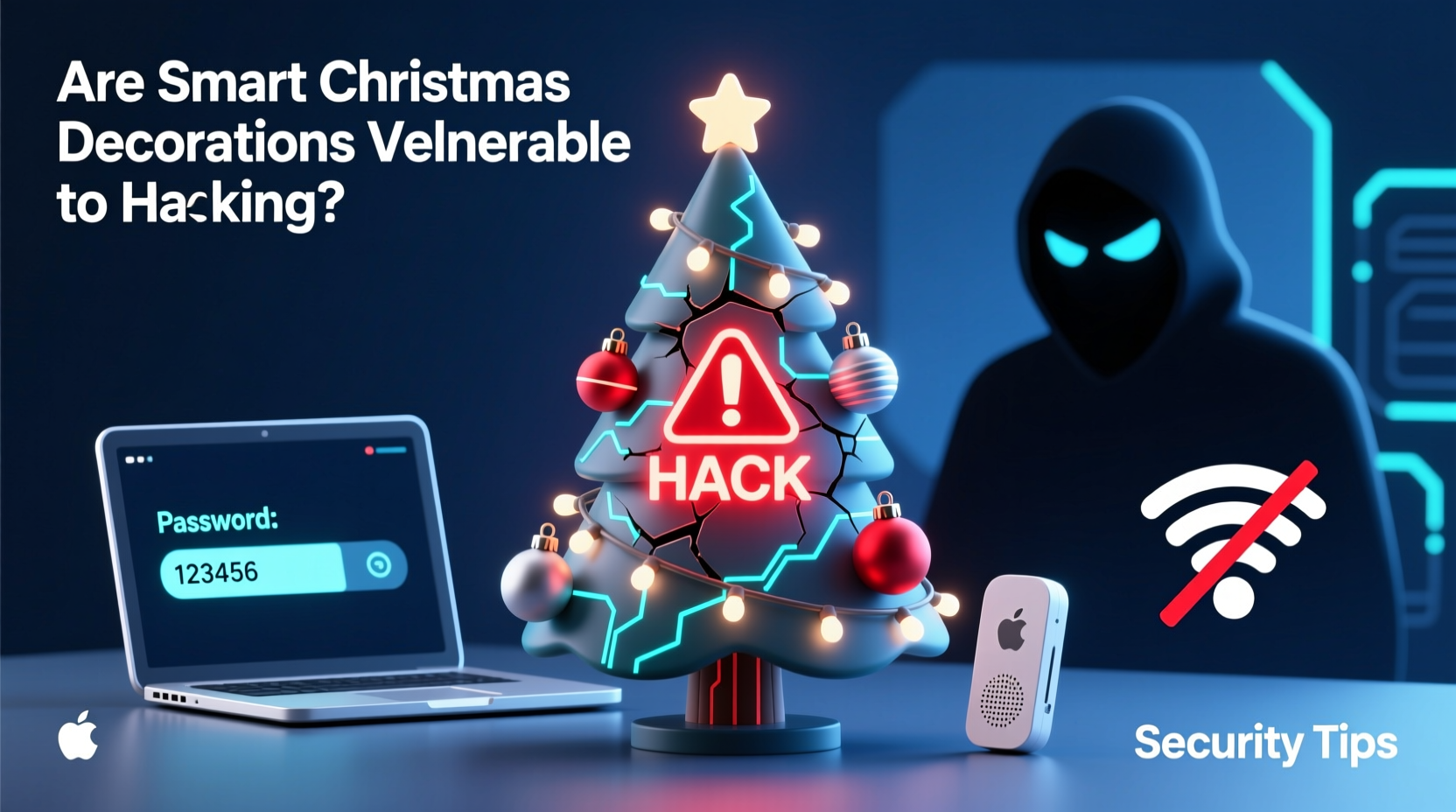
Smart Christmas decorations connect to your home Wi-Fi or Bluetooth network, allowing remote control via smartphone apps, voice assistants like Alexa or Google Assistant, or automated schedules. These include programmable LED lights, animated yard displays, music-synced ornaments, and even Santa cams that livestream visits from the big guy himself. While convenient, many of these devices lack robust security features. They often use default passwords, outdated firmware, or unencrypted communication protocols, making them easy targets for attackers.
Once compromised, a smart decoration can serve as a backdoor into your broader home network. Hackers don’t necessarily want your tree lights—they want access to your computers, phones, and smart home hubs. A single weak device can expose sensitive information such as login credentials, financial data, or surveillance footage from connected cameras.
Real-World Risks: When Holiday Cheer Turns Into a Security Breach
In 2022, a family in Colorado reported that their smart Christmas display began flashing strange messages and playing eerie audio clips late at night. After contacting their internet provider, they discovered their outdoor light controller had been hijacked through an unsecured Wi-Fi connection. The attacker used the device to launch a distributed denial-of-service (DDoS) attack on external websites, leveraging the home network as part of a botnet.
This isn't an isolated case. Security researchers have demonstrated how certain brands of smart lights can be reverse-engineered within minutes using freely available tools. In one experiment, a team at the University of Michigan showed that a $30 smart string light could be used to intercept nearby Wi-Fi traffic, including passwords entered on other devices connected to the same network.
“Any device with an IP address is a potential entry point. Even holiday novelties shouldn’t be trusted without verification.” — Dr. Lena Patel, Cybersecurity Researcher at MIT Lincoln Laboratory
Common Security Weaknesses in Smart Holiday Devices
Many manufacturers prioritize aesthetics and ease of setup over strong cybersecurity. Below are some of the most frequent flaws found in smart Christmas decorations:
- Lack of encryption: Data sent between the device and app may not be encrypted, allowing eavesdroppers to capture login details or commands.
- Default credentials: Some devices ship with universal usernames and passwords (like “admin/admin”), which users often never change.
- No automatic updates: Firmware patches that fix known bugs or security holes are rarely pushed automatically, leaving devices exposed.
- Poor app security: Companion mobile apps may store data insecurely or request excessive permissions.
- Open network ports: Certain controllers open inbound ports on your router, creating direct pathways for remote exploitation.
Worse still, many of these products come from lesser-known brands sold exclusively online, where regulatory oversight is minimal. There's no requirement for manufacturers to disclose security practices, issue timely updates, or support devices beyond a few months after release.
Step-by-Step Guide to Securing Your Smart Holiday Setup
Protecting your home doesn’t require advanced technical skills—just consistent habits and awareness. Follow this timeline to ensure your smart decorations stay festive, not infamous.
- Before Purchase – Research the Brand (1–2 Days)
Check reviews on trusted tech sites and look for mentions of security issues. Prefer well-known brands with a history of firmware updates and transparent privacy policies. - Unboxing – Change Defaults Immediately (Day of Setup)
As soon as you set up the device, change any default password and disable unnecessary features like remote access if you don’t need them. - Network Isolation – Create a Guest Network (Same Day)
Connect all smart decorations to a separate Wi-Fi network isolated from your main devices. Most modern routers support guest networks, which limit cross-device access. - Update Firmware – Check Weekly During the Season
Visit the manufacturer’s website or app regularly to confirm no new updates are pending. Enable auto-updates if available. - Monitor Activity – Use Network Tools Monthly
Consider installing a network monitoring tool (like Fing or GlassWire) to detect unusual behavior, such as unexpected data transfers or unknown devices joining your network. - After the Holidays – Power Down and Disconnect
Once the season ends, unplug smart decorations and remove them from your network. This prevents dormant devices from being exploited during off-seasons.
Do’s and Don’ts of Smart Decoration Security
| Do | Don’t |
|---|---|
| Use strong, unique passwords for each device | Use the default password forever |
| Place devices on a guest Wi-Fi network | Connect smart lights directly to your primary network |
| Regularly check for firmware updates | Assume the device is “set and forget” |
| Disable remote access unless needed | Leave remote management enabled by default |
| Turn off and disconnect after use | Leave devices plugged in year-round |
Expert Insight: Why Small Devices Pose Big Threats
Cybersecurity experts emphasize that attackers often target the weakest link—not the most valuable one. A hacked coffee maker or toy reindeer might seem trivial, but when connected to the same network as your laptop, it becomes a gateway.
“The danger isn’t that someone turns your lights red instead of green—it’s that they use that access to steal your identity or spy on your family.” — Mark Zhao, Senior Threat Analyst at Kroll Cyber Risk
This principle, known as lateral movement, allows hackers to move from a low-security device to higher-value targets. Once inside your network, they can scan for other connected systems, attempt credential theft, or install malware silently.
Checklist: Secure Your Smart Holiday Decorations in 7 Steps
Security Checklist for Smart Christmas Decorations:
- ☐ Research brand reputation before buying
- ☐ Set up devices on a guest Wi-Fi network
- ☐ Change default usernames and passwords immediately
- ☐ Disable remote access and unused features
- ☐ Install firmware updates upon release
- ☐ Monitor network activity for anomalies
- ☐ Unplug and disconnect after the holidays
Frequently Asked Questions
Can hackers really break into my home network through Christmas lights?
Yes. If the lights are connected to your Wi-Fi and lack proper security, they can act as an entry point. Researchers have demonstrated real-world exploits where smart lights were used to gain access to internal networks and compromise other devices.
Do I need antivirus software for smart decorations?
You cannot install traditional antivirus on most smart decorations. Instead, focus on securing your network—use firewalls, segment IoT devices, and monitor traffic. Antivirus on your computers and phones helps defend against threats that originate from compromised peripherals.
Is it safe to let kids control smart decorations via voice commands?
Voice control itself is generally safe if your assistant (e.g., Alexa, Google Home) is secured with a PIN and two-factor authentication. However, ensure the underlying smart devices are also protected, as voice platforms inherit the vulnerabilities of connected gadgets.
Conclusion: Celebrate Safely with Smarter Habits
Smart Christmas decorations bring magic to the season, but they also demand responsibility. Treating them as mere novelties overlooks their potential role in larger cyberattacks. By choosing reputable brands, isolating devices on separate networks, and staying vigilant about updates, you can enjoy high-tech holidays without compromising your digital safety.
Security isn’t about fear—it’s about awareness. A few small actions today can prevent major headaches tomorrow. As you hang your lights and power up your animated sleigh, take a moment to lock down your digital doorstep. Your future self, and your network, will thank you.




 浙公网安备
33010002000092号
浙公网安备
33010002000092号 浙B2-20120091-4
Comments
No comments yet. Why don't you start the discussion?