
As holiday traditions blend with modern technology, smart Christmas lights have become a popular choice for homeowners seeking convenience, customization, and festive flair. With voice control, app-based scheduling, and dazzling light shows synced to music, these devices add magic to the season. But behind the sparkle lies a growing concern: are smart Christmas lights vulnerable to hacking?
The short answer is yes—like any internet-connected device, smart lights can be exploited if not properly secured. While they may seem like low-risk gadgets compared to computers or smart locks, they can serve as entry points into home networks, expose personal data, or even be used in coordinated cyberattacks. The good news is that with informed choices and proactive measures, you can enjoy your illuminated displays without compromising your digital safety.
How Smart Christmas Lights Work—and Where Risks Begin
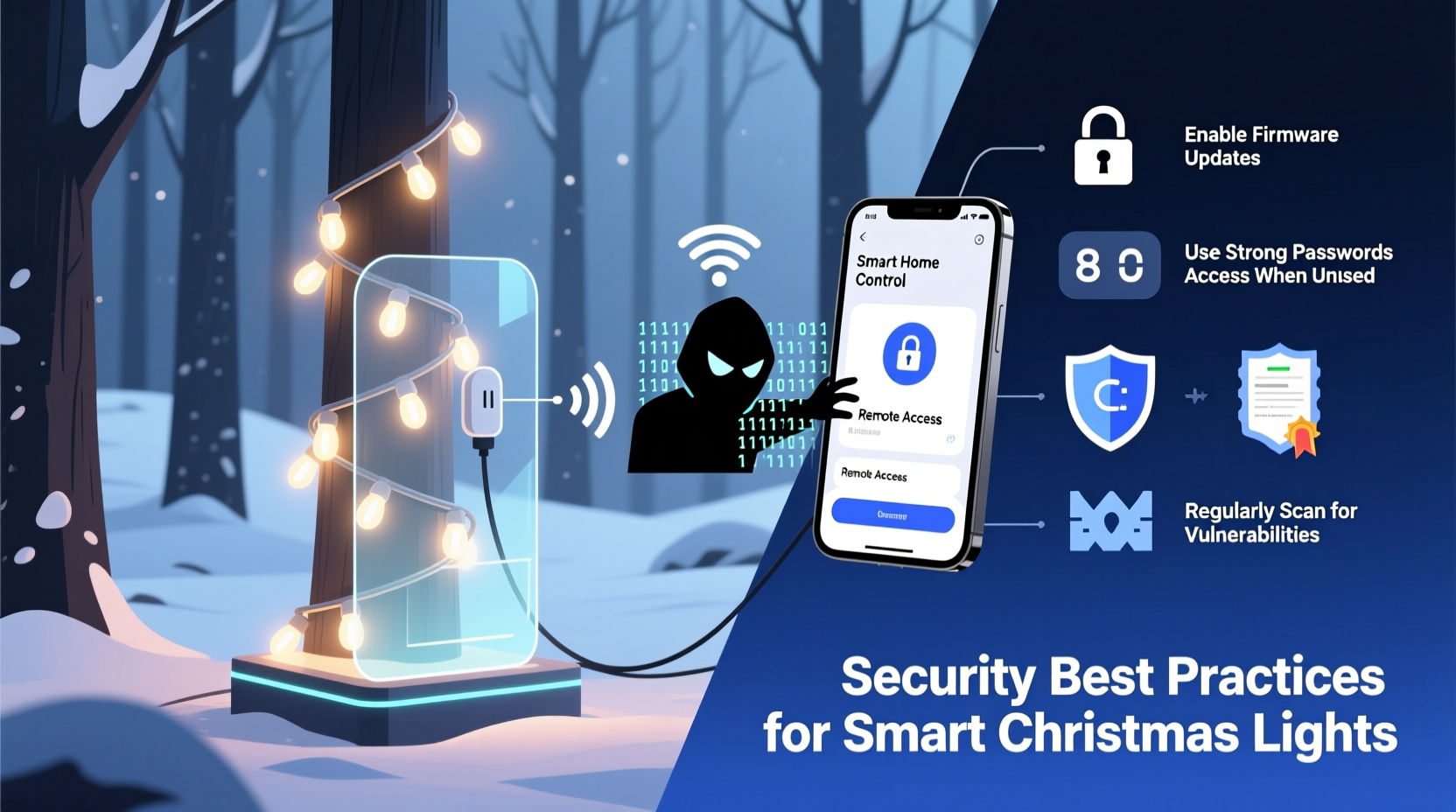
Smart Christmas lights connect to your home Wi-Fi network or use Bluetooth to communicate with a smartphone app or voice assistant. Some models rely on cloud services to store settings, schedules, and firmware updates. This connectivity enables remote control and automation but also introduces potential vulnerabilities.
Security flaws often stem from weak default passwords, unencrypted data transmission, outdated firmware, or poorly designed mobile apps. In some cases, manufacturers prioritize functionality over security, especially in budget-friendly models. Once compromised, attackers could:
- Take control of your lights remotely (e.g., turning them on/off at odd hours)
- Use your device as a foothold to access other connected devices on your network
- Collect information about your routines based on lighting patterns
- Recruit your lights into a botnet—a network of hijacked devices used to launch large-scale attacks
In 2017, a well-publicized case involved a hacker demonstrating how Philips Hue bulbs could be exploited to spread malware across a home network via radio frequency signals, bypassing traditional firewalls. Though not a widespread attack, it highlighted how seemingly innocuous IoT devices can pose serious risks when security is overlooked.
Common Vulnerabilities in Smart Lighting Systems
Understanding the technical weaknesses helps users make smarter decisions. Here are the most common security gaps found in smart Christmas lights:
1. Weak or Hardcoded Credentials
Some older or cheaper models come with default usernames and passwords that cannot be changed. These credentials are often publicly listed online, making them easy targets for automated bots scanning for vulnerable devices.
2. Unsecured Communication Channels
If data between the app and the lights isn’t encrypted using protocols like HTTPS or TLS, hackers on the same network—or nearby—can intercept commands or inject malicious code.
3. Outdated Firmware
Firmware updates often patch known security flaws. Devices that don’t support automatic updates—or whose manufacturers stop providing them—become increasingly risky over time.
4. Poor App Security
The mobile application used to control the lights might lack proper authentication, store passwords insecurely, or request excessive permissions. A compromised app can expose your entire smart lighting system.
5. Cloud Dependency Without Proper Safeguards
Lights that sync with cloud servers may transmit usage data, location, or account details. If the cloud infrastructure has weak security, this data becomes vulnerable to breaches.
“Any device that connects to the internet expands your attack surface. Even decorative tech needs to be treated with caution.” — Dr. Lena Torres, Cybersecurity Researcher at MIT Lincoln Laboratory
Security Best Practices for Smart Christmas Light Owners
You don’t need to abandon smart lights to stay safe. By following proven security strategies, you can minimize risk while still enjoying their full range of features.
1. Buy from Reputable Brands
Stick to well-known manufacturers like Philips Hue, LIFX, Nanoleaf, or GE Lighting, which typically invest more in security testing, regular updates, and transparent privacy policies. Avoid no-name brands sold exclusively on discount marketplaces unless they provide verifiable security documentation.
2. Isolate Your Smart Lights on a Separate Network
Create a dedicated guest Wi-Fi network for all IoT devices, including smart lights. This segmentation ensures that even if a light is hacked, the attacker won’t have direct access to your primary devices—laptops, phones, or smart home hubs.
3. Keep Firmware Updated
Check for firmware updates monthly during the holiday season. Many apps notify users of available updates, but it’s wise to manually verify in the settings menu. Enable auto-updates if the option exists.
4. Use Strong, Unique Passwords
Never use “admin/admin” or “password123.” Create complex passwords for both your Wi-Fi network and any associated accounts. Consider using a password manager to generate and store secure credentials.
5. Disable Remote Access When Not Needed
If you only control your lights from within your home, turn off remote access in the app settings. This prevents external connections and reduces exposure to internet-based attacks.
6. Review App Permissions Carefully
When installing the companion app, deny unnecessary permissions such as access to contacts, microphone, or location unless absolutely required. Monitor for suspicious behavior like unexpected background activity.
7. Turn Off Lights When Not in Use—or Unplug After the Season
Physically disconnecting smart lights after the holidays eliminates risk entirely. If left plugged in year-round, ensure they remain updated and monitored.
Step-by-Step Guide: Securing Your Smart Christmas Lights
Follow this practical timeline to lock down your smart lighting setup before the holiday season begins:
- Week 1: Research and Purchase
Select lights from trusted brands with strong security track records. Verify they support firmware updates and offer encryption. - Week 2: Set Up a Guest Network
Log into your router settings and create a separate Wi-Fi network labeled “IoT” or “Guest.” Assign a unique, strong password. - Week 3: Install and Configure
Connect the lights to the guest network—not your main one. During setup, create a new account with a strong password; avoid using your primary email if possible. - Week 4: Audit App Settings
Review permissions, disable remote access, and enable two-factor authentication (2FA) if supported. Check for an initial firmware update. - Ongoing: Monthly Maintenance
Set a calendar reminder to check for updates every four weeks. Watch for unusual behavior like lights activating unexpectedly. - Post-Holiday: Disconnect and Store Safely
Unplug lights after use. Label cords clearly and store in a dry container. Note the model and purchase date for future reference.
Do’s and Don’ts: Smart Light Security Checklist
| Action | Do | Don’t |
|---|---|---|
| Password Management | Use long, random passwords stored in a manager | Reuse passwords across devices or accounts |
| Network Setup | Place lights on a segmented guest network | Connect directly to your main home Wi-Fi |
| Updates | Install firmware updates promptly | Ignore update notifications or delay patches |
| Remote Access | Disable it if controlling locally only | Leave remote access enabled indefinitely |
| End-of-Season Care | Unplug and inspect for damage | Leave plugged in year-round without monitoring |
Real-World Example: A Hacked Holiday Display
In December 2022, a homeowner in Austin, Texas, noticed his elaborate yard display—featuring hundreds of smart lights synchronized to holiday music—was suddenly playing heavy metal at full brightness at 3 a.m. Neighbors were alerted, and local police responded, assuming a prank.
After resetting the system, he discovered unauthorized login attempts originating from Eastern Europe. An investigation revealed that his lights were connected to his primary Wi-Fi network and running outdated firmware. The attacker had exploited a known vulnerability in the app’s API to gain control.
Though no personal data was stolen, the incident disrupted his neighborhood and raised concerns about broader network security. He later implemented network segmentation and began using a dedicated IoT router, significantly improving his defenses.
This case underscores how even non-critical devices can become vectors for nuisance attacks or stepping stones to more valuable systems.
Frequently Asked Questions
Can hackers really cause damage through smart Christmas lights?
While they likely won’t steal your bank details directly, hackers can use compromised lights to infiltrate your network, monitor habits, or participate in distributed denial-of-service (DDoS) attacks. In rare cases, physical damage like overheating could occur if firmware is manipulated, though this is uncommon.
Are Bluetooth-only smart lights safer than Wi-Fi ones?
Generally, yes. Bluetooth has a shorter range (typically under 30 feet), limiting remote exploitation. However, Bluetooth devices can still be vulnerable to nearby attacks if pairing isn’t secured. For maximum safety, choose Bluetooth models that require authenticated pairing and avoid leaving them discoverable.
Do I need antivirus software for smart lights?
No—antivirus software runs on computers and phones, not IoT devices. Instead, focus on securing your network, updating firmware, and monitoring connected devices. Some advanced routers include built-in IoT protection features that can help detect anomalies.
Conclusion: Shine Bright, Stay Secure
Smart Christmas lights bring joy, creativity, and convenience to the holiday season—but they also come with digital responsibilities. Treating them as part of your overall cybersecurity strategy is no longer optional. From choosing reputable brands to isolating devices on separate networks, each step strengthens your defense against potential threats.
Security doesn’t have to mean sacrificing fun. With the right precautions, you can run dazzling light shows, automate festive scenes, and even let kids control the colors—all without opening the door to hackers. As smart home ecosystems grow, vigilance becomes the most important ornament on the tree.




 浙公网安备
33010002000092号
浙公网安备
33010002000092号 浙B2-20120091-4
Comments
No comments yet. Why don't you start the discussion?