
Smart plugs have transformed how we manage household devices, offering remote control, scheduling, and energy monitoring through smartphone apps and voice assistants. While convenient, a growing concern among homeowners—especially those with vintage homes or aging appliances—is whether these modern gadgets are truly safe when used with older equipment, particularly space heaters and legacy appliances. The short answer is: it depends. With proper precautions, many older devices can be safely integrated into a smart home setup. But without understanding electrical loads, plug specifications, and appliance conditions, using a smart plug could pose fire hazards or damage equipment.
This article breaks down the real risks, compatibility factors, and practical steps to ensure safe operation when pairing smart plugs with older appliances and heaters. Whether you're retrofitting a 1950s radiator or automating a decades-old coffee maker, this guide delivers actionable insights to help you make informed decisions.
Understanding Smart Plug Capabilities and Limits
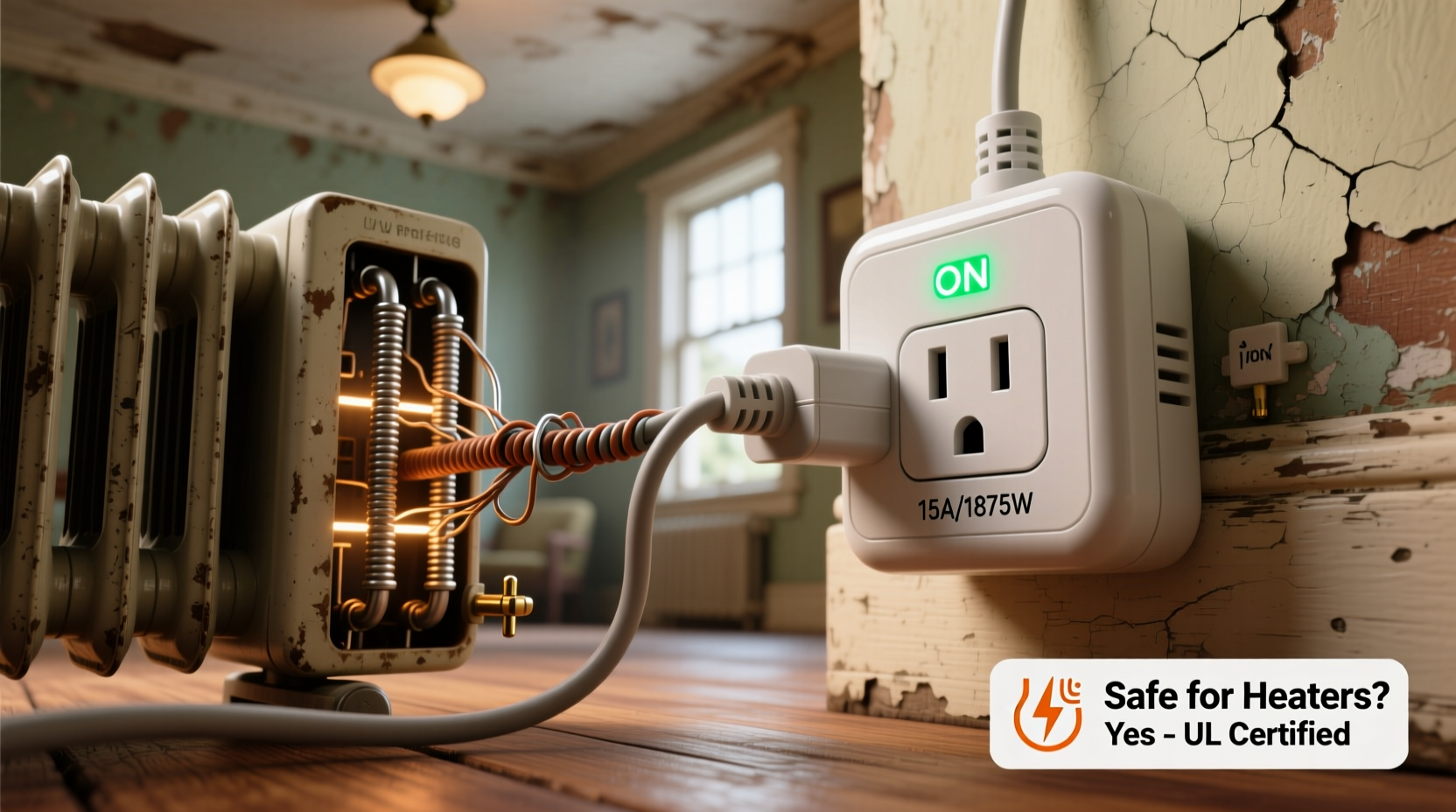
Smart plugs are essentially Wi-Fi- or Bluetooth-enabled switches that sit between an outlet and your device. They allow users to turn appliances on or off remotely, schedule operations, monitor power usage, and integrate with home automation systems like Alexa, Google Assistant, or Apple HomeKit.
However, not all smart plugs are created equal. Most consumer-grade models are rated for 15 amps at 120 volts, which translates to a maximum load of 1,800 watts. This limit is critical when dealing with high-draw appliances such as space heaters, refrigerators, or older electric kettles, which may consume 1,000–1,500 watts or more under peak operation.
Exceeding a smart plug’s wattage rating causes overheating, insulation breakdown, and in extreme cases, electrical fires. Older appliances often lack precise energy labels, making it harder to determine their actual draw. Additionally, motors or compressors in vintage devices can produce startup surges (inrush current) far exceeding their nominal wattage—something many smart plugs aren’t designed to handle.
Are Older Appliances Compatible with Smart Plugs?
Compatibility isn’t just about plugging in—it’s about electrical harmony. Older appliances, especially those manufactured before the 2000s, were not designed with smart home integration in mind. Many lack surge protection, have inconsistent power draws, or use outdated components that increase resistance and heat buildup.
Consider the following factors when assessing compatibility:
- Wiring Condition: Frayed cords or cracked insulation on older appliances increase the risk of short circuits when combined with a smart plug’s internal circuitry.
- Grounding: Some vintage appliances use two-prong plugs (ungrounded). Using them with a three-prong smart plug adapter can bypass safety mechanisms and create shock hazards.
- Motor Load: Devices like fans, refrigerators, or washing machines contain motors that generate high inrush currents. These spikes can trip or damage smart plugs not built for such loads.
- Heating Elements: Toasters, irons, and older space heaters draw near-maximum wattage continuously. Sustained high heat around the plug area can degrade plastic housings over time.
According to the U.S. Consumer Product Safety Commission (CPSC), nearly 3,300 home fires annually are linked to electrical distribution and lighting equipment, including extension cords and power strips. Adding a smart plug into the mix doesn’t inherently increase risk—but misusing one does.
“Older appliances weren’t engineered for intermittent cycling or digital switching. You’re introducing a variable they weren’t tested for.” — Dr. Alan Reyes, Electrical Safety Engineer, National Fire Protection Association
Safety Risks of Using Smart Plugs with Heaters
Space heaters are among the most dangerous appliances to connect to smart plugs—especially older models. The CPSC reports that heating equipment is involved in about 50,000 home fires each year, with portable heaters accounting for 84% of related deaths.
Why is this combination risky?
- Continuous High Load: A typical 1,500-watt heater runs at the upper limit of most smart plugs. Prolonged use generates heat in both the plug and outlet, potentially melting components.
- Lack of Thermal Cut-Off: Many smart plugs do not include internal thermal fuses. If the device overheats due to poor ventilation or dust buildup, there’s no automatic shutoff.
- Cycling Dangers: Turning a heater on/off frequently via a smart plug can stress its heating elements and reduce lifespan—or worse, cause element failure leading to arcing.
- No Manual Override: If your Wi-Fi goes down or the app crashes, you might not be able to shut off a heater remotely, creating a potential hazard if no one is home.
In fact, major smart plug manufacturers—including TP-Link (Kasa), Wemo, and Amazon (Alexa-compatible plugs)—explicitly warn against using their devices with space heaters, hair dryers, or other high-wattage heating appliances.
Real Example: A Winter Incident in Ohio
In 2022, a homeowner in Cleveland installed a popular brand of smart plug to automate an old oil-filled radiator in a guest bedroom. The heater drew 1,450 watts—within the plug’s 1,800-watt rating. However, after several weeks of nightly use, the smart plug began emitting a burning smell. The homeowner noticed discoloration around the outlet and unplugged the device just before smoke appeared. An electrician later confirmed that sustained heat had degraded the plug’s internal solder joints, creating a partial short. Though no fire occurred, the incident highlighted how even “within-spec” usage can become unsafe over time, especially with aging infrastructure.
Do’s and Don’ts: Smart Plug Usage with Older Devices
To minimize risks while still enjoying smart home benefits, follow these guidelines:
| Action | Recommended? | Reason |
|---|---|---|
| Use smart plug with LED lamps or phone chargers | ✅ Yes | Low power draw; minimal heat generation; ideal for automation. |
| Connect to older coffee maker (800W) | ⚠️ Maybe | Check startup surge; ensure cord and plug are in good condition. |
| Control a 1,500W ceramic space heater | ❌ No | High continuous load; manufacturer warnings apply; fire risk. |
| Automate a vintage fan with motor start | ⚠️ Caution | Motor inrush current may exceed plug capacity; test briefly first. |
| Use with ungrounded (two-prong) appliance | ❌ Avoid | Lack of grounding increases shock and fault risks. |
| Plug into a power strip or extension cord | ❌ Never | Daisy-chaining increases resistance and fire risk; voids warranties. |
Step-by-Step Guide to Safe Integration
If you want to use a smart plug with an older appliance, follow this sequence to evaluate and implement safely:
- Identify the Appliance’s Power Draw: Check the label for watts or amps. If unavailable, use a plug-in power meter (like the Kill-A-Watt) to measure actual consumption during startup and runtime.
- Select a High-Rated Smart Plug: Choose a model rated for at least 15A/1,800W. Look for built-in safety features like overload protection, thermal cutoff, and UL certification.
- Inspect the Appliance Cord and Plug: Ensure no fraying, cracking, or corrosion. Replace damaged cords before connecting.
- Test in a Controlled Environment: Plug in and run the appliance for 15 minutes. Feel the smart plug and outlet—if either is warm, discontinue use immediately.
- Avoid Automation for Critical Devices: Do not schedule or remotely operate heaters, refrigerators, or sump pumps unless using industrial-grade, hardwired controls.
- Monitor Long-Term Performance: Recheck temperature monthly. Dust and debris can accumulate inside outlets, increasing resistance over time.
When It’s Safer to Skip the Smart Plug
Some appliances should never be used with smart plugs, regardless of age. These include:
- Electric space heaters
- Hair dryers and curling irons
- Toasters and toaster ovens
- Window air conditioners
- Refrigerators and freezers (risk of food spoilage if connection fails)
- Pumps or sump systems (critical operation)
For older versions of these devices, the risks are amplified due to less efficient components, degraded insulation, and lack of modern safety cut-offs. Instead of risking a fire, consider upgrading to newer, energy-efficient models that support built-in Wi-Fi or work with smart outlets designed for heavy loads.
Frequently Asked Questions
Can I use a smart plug with an old oil-filled radiator?
It’s strongly discouraged. Even if the wattage seems within limits, sustained heat and lack of smart plug thermal protection create long-term risks. Oil radiators often cycle on/off internally—adding an external switch disrupts this balance and may lead to overheating.
Are there smart plugs built for high-power appliances?
Yes, but they’re rare in consumer markets. Industrial-grade smart relays (like those from Shelly or Fibaro) can handle higher loads and are designed for integration with heating systems. However, installation often requires an electrician and direct wiring—not plug-and-play use.
What happens if my smart plug overheats?
Overheating can melt internal components, cause charring, or ignite surrounding materials. Signs include discoloration, a burning smell, or intermittent power loss. Immediately disconnect the plug and inspect both the device and wall outlet for damage.
Expert Recommendations and Final Thoughts
The convenience of smart home technology shouldn’t come at the cost of safety. While smart plugs offer undeniable benefits, they are not universal solutions. Older appliances, especially those with heating elements or motors, demand careful evaluation before automation.
Dr. Linda Chen, a senior researcher at Underwriters Laboratories, emphasizes: “Safety certifications matter. Look for smart plugs with UL, ETL, or CSA marks—they’ve undergone rigorous testing for durability and fault conditions. And remember: no plug, smart or otherwise, can compensate for faulty wiring or outdated appliances.”
The safest approach is to reserve smart plugs for low-power, non-critical devices—lamps, phone chargers, speakers, or decorative lighting. For heaters and essential appliances, stick to manual control or invest in professionally installed smart thermostats or hardwired automation systems.
Conclusion
Smart plugs can coexist safely with older appliances—if used wisely. The key is respecting electrical limits, inspecting equipment condition, and avoiding high-risk combinations like space heaters. By following manufacturer guidelines, measuring actual power usage, and prioritizing safety over convenience, you can enjoy modern automation without compromising peace of mind.




 浙公网安备
33010002000092号
浙公网安备
33010002000092号 浙B2-20120091-4
Comments
No comments yet. Why don't you start the discussion?