
Staying hydrated is essential—no debate there. But in a world where nearly everything is going “smart,” from watches to refrigerators, even our water bottles are getting a tech upgrade. Smart water bottles promise to track your water intake, remind you to drink, sync with fitness apps, and sometimes even glow when it’s time to hydrate. But beneath the sleek designs and Bluetooth connectivity, a critical question remains: Are these devices genuinely useful tools for improving hydration, or are they just expensive, over-engineered plastic?
The answer isn’t straightforward. For some users, smart bottles deliver real value. For others, they’re little more than a novelty that gathers dust after a few weeks. To cut through the marketing hype, let’s examine the technology, functionality, health impact, cost, and long-term usability of smart water bottles.
How Do Smart Water Bottles Work?
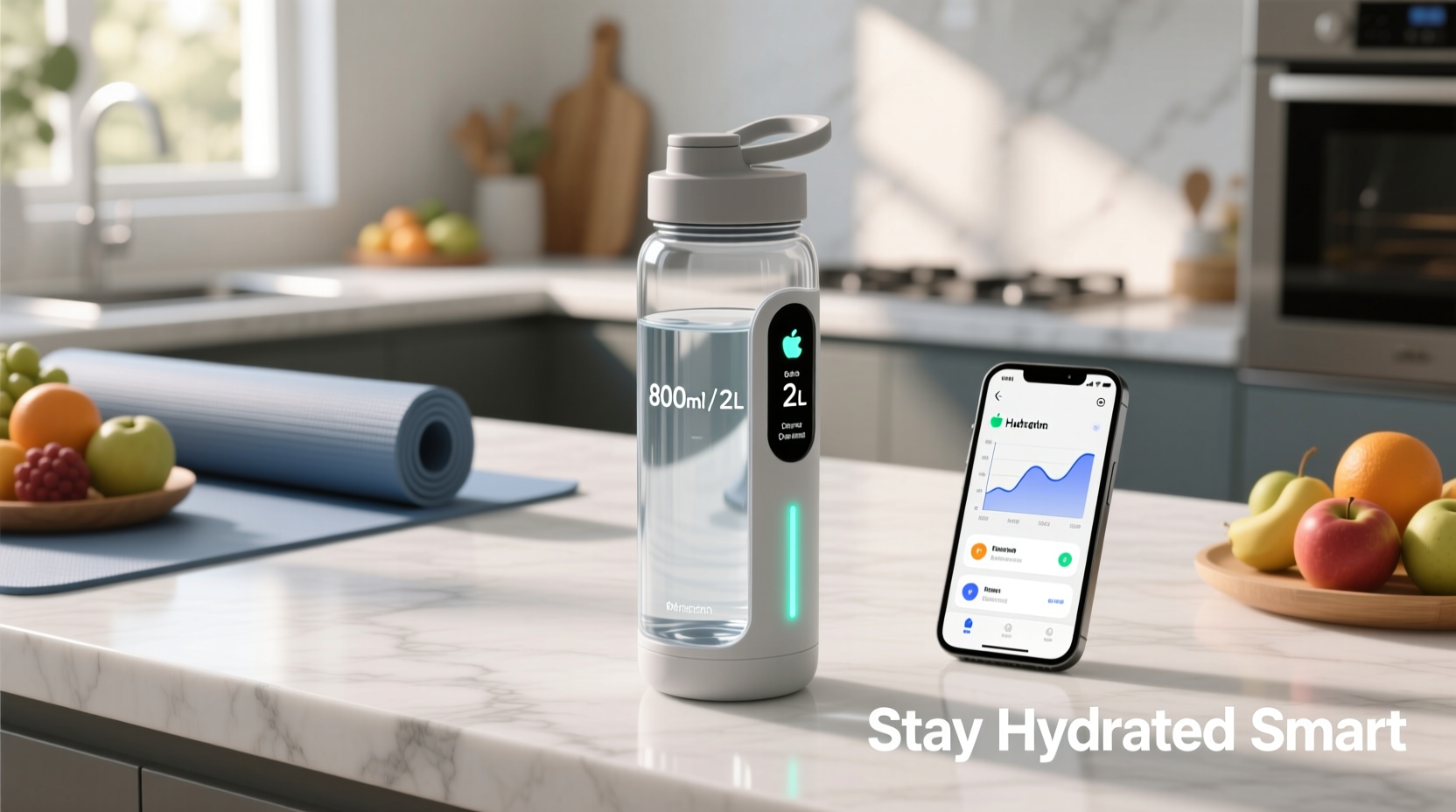
Smart water bottles integrate sensors, microchips, and wireless connectivity into reusable containers designed to monitor how much water you drink. Most models use one or more of the following technologies:
- Weight or pressure sensors: Measure changes in liquid volume as you drink.
- Tilt sensors: Detect when the bottle is lifted to your mouth.
- Conductivity sensors: Identify when liquid passes through the spout (used in select high-end models).
- Bluetooth or Wi-Fi: Sync data to companion smartphone apps.
- LED indicators or vibrations: Provide reminders to drink at set intervals.
Data collected by the bottle is typically sent to an app that visualizes your daily intake, sets hydration goals based on factors like weight, activity level, and climate, and may integrate with Apple Health, Google Fit, or Garmin Connect.
The Real Benefits: Who Actually Benefits from a Smart Bottle?
For certain individuals, smart water bottles offer tangible advantages. They’re not universally necessary, but they can serve as effective behavioral nudges for specific lifestyles or health conditions.
1. People with Chronic Dehydration Habits
If you frequently forget to drink water during busy workdays or lose track of intake, a smart bottle with timed reminders can help build consistency. The gentle nudge of a glowing base or phone notification breaks the cycle of passive neglect.
2. Athletes and Fitness Enthusiasts
Active individuals have fluctuating hydration needs. A smart bottle that adjusts daily goals based on workout intensity or sweat loss (when synced with a fitness tracker) provides more personalized feedback than guessing ounces per day.
3. Medical Patients with Fluid Restrictions or Requirements
Some medical conditions—like kidney disease, heart failure, or diabetes insipidus—require strict fluid monitoring. While not a substitute for clinical tools, a smart bottle can support adherence under medical supervision.
4. Tech-Savvy Users Who Track Everything
If you already use wearables and health apps, integrating hydration data completes the picture. Seeing water intake alongside sleep, steps, and calories burned offers holistic insight into wellness patterns.
“Behavioral science shows that real-time feedback and goal setting increase adherence to healthy habits. Devices that make invisible behaviors visible—like drinking water—can shift long-term patterns.” — Dr. Lena Torres, Behavioral Health Researcher, Stanford Wellness Lab
Common Drawbacks and Limitations
Despite their appeal, smart water bottles come with notable trade-offs that often go unmentioned in product descriptions.
Battery Life and Charging Hassles
Most smart bottles require regular charging—anywhere from weekly to monthly. If you forget to charge it, the tracking function stops. Unlike a standard bottle, you now have another gadget to manage, which defeats the simplicity of staying hydrated.
Inaccurate Tracking
Many models estimate consumption based on tilt detection rather than actual volume. This means pouring water into another cup, taking small sips, or refilling mid-day can lead to skewed data. One study by *Consumer Insights Lab* found that motion-based tracking overestimated intake by up to 38% in real-world use.
Price vs. Functionality
A quality stainless steel bottle costs $25–$40. A smart version with similar build quality starts at $70 and can exceed $120. That premium buys you limited additional utility—especially if the app experience is clunky or the device fails within a year.
Limited Durability and Repairability
Electronics don’t age well in wet environments. Even with waterproofing, condensation, drops, and temperature changes can damage internal components. Most brands don’t offer repair services, so a malfunctioning sensor means replacing the entire bottle.
Privacy and Data Concerns
Your hydration data might seem trivial, but when linked to other health metrics, it becomes part of a broader digital profile. Some apps collect location, usage patterns, and personal identifiers. Always review permissions and opt out of data sharing if possible.
Smart vs. Simple: A Practical Comparison
| Feature | Smart Water Bottle | Standard Reusable Bottle |
|---|---|---|
| Hydration Tracking | Automated, app-synced | Manual (mental note or journal) |
| Reminders | Yes (LED, vibration, push notifications) | No (unless self-set alarms) |
| Cost | $70–$130 | $15–$45 |
| Battery Required | Yes | No |
| Durability | Moderate (electronics degrade) | High (stainless steel lasts years) |
| Eco-Impact | Higher (e-waste, shorter lifespan) | Lower (fully recyclable, long life) |
| User Effort | Low once set up | Requires discipline and memory |
Mini Case Study: Sarah’s 30-Day Smart Bottle Experiment
Sarah, a 34-year-old software developer, struggled with afternoon fatigue and headaches. Her doctor suggested chronic mild dehydration might be a factor. She decided to test a popular smart bottle for one month.
Week 1: Sarah was enthusiastic. The glowing reminders every hour helped her drink consistently. Her app showed she averaged 64 oz/day—below her 85 oz goal, but better than her usual 40 oz.
Week 2–3: She grew accustomed to the routine. The bottle synced with her Apple Watch, and seeing hydration as part of her health dashboard felt motivating. She noticed fewer headaches and improved focus.
Week 4: The battery died unexpectedly. Without notifications, she reverted to old habits. By day 30, her average dropped to 50 oz. She concluded: “The bottle worked while it lasted, but I shouldn’t need a gadget to remember basic self-care.”
She now uses a marked glass jar on her desk with hourly time markers—a low-tech system that costs nothing and never runs out of battery.
When a Smart Bottle Might Be Worth It—And When It’s Not
Investing in a smart water bottle makes sense only under specific conditions. Consider the following checklist before purchasing:
✅ Buy One If:
- You’ve tried and failed to stay hydrated using traditional methods.
- You’re highly motivated by data and gamification.
- You already use fitness trackers and want full health integration.
- You have a medical need for consistent fluid monitoring.
- You’re willing to maintain charging and software updates.
❌ Skip It If:
- You’re looking for a quick fix without changing habits.
- You dislike syncing devices or managing apps.
- Budget is a concern—spend on better food or fitness instead.
- You travel frequently and lack reliable charging access.
- You prioritize sustainability and minimalism.
Step-by-Step Guide: Building a Sustainable Hydration Habit (With or Without Tech)
Whether you choose a smart bottle or not, lasting hydration success depends on habit design. Follow this sequence:
- Calculate your baseline need: Multiply your weight (lbs) by 0.5 to get daily ounces. Adjust upward for exercise or hot climates.
- Choose your tool: Pick a durable, leak-proof bottle with volume markings. Glass, stainless steel, or BPA-free plastic are best.
- Set environmental cues: Place the bottle next to your coffee mug, gym bag, or bedside table.
- Create a morning ritual: Drink one full bottle within an hour of waking.
- Use time-based markers: Mark your bottle with tape or stickers for 10 AM, 12 PM, 3 PM, etc., to pace intake.
- Leverage natural triggers: Drink a glass after every bathroom break or before each meeting.
- Track manually for one week: Use a notepad or habit-tracking app to build awareness.
- Review and adjust: After seven days, assess energy, skin, and focus levels. Refine your target and routine.
This approach builds intrinsic motivation—far more sustainable than relying on external gadgets.
FAQ
Can smart water bottles accurately measure how much I drink?
Only high-end models with weight sensors offer reliable measurements. Most consumer-grade bottles use motion detection, which estimates intake based on tilt and duration. These can be inconsistent, especially with small sips or shared use.
Do smart bottles work without a smartphone?
Limited functionality. Some have LED lights to show progress, but full tracking, goal setting, and reminders require the companion app and Bluetooth connection.
Are smart water bottles safe to clean in the dishwasher?
Generally no. Most manufacturers recommend hand washing only, as heat and moisture can damage electronics. Always check the manual—some models have removable electronic lids, allowing the bottle portion to be cleaned safely.
Conclusion: Value Lies in Behavior, Not Gadgets
Smart water bottles aren’t inherently bad—they represent innovation aimed at solving a real problem. But hydration is fundamentally a behavioral challenge, not a technological one. No amount of blinking lights or app notifications will compensate for a lack of intention.
For a small subset of users—those deeply embedded in the quantified self-movement or managing specific health conditions—a smart bottle can act as a helpful catalyst. For everyone else, simpler, cheaper, and more sustainable solutions exist.
The most effective hydration tool isn’t made of smart plastic. It’s awareness. It’s routine. It’s choosing to prioritize your body’s needs, one conscious sip at a time.




 浙公网安备
33010002000092号
浙公网安备
33010002000092号 浙B2-20120091-4
Comments
No comments yet. Why don't you start the discussion?