
In an era where desk jobs dominate and screen time continues to rise, back pain and poor posture have become common workplace complaints. Enter the standing desk—a sleek, height-adjustable solution promising improved spinal alignment, reduced neck strain, and enhanced energy levels. But behind the marketing claims and ergonomic hype, a critical question remains: Are standing desks genuinely beneficial for posture, or are they simply another wellness trend inflated beyond their real-world impact?
The answer isn’t black and white. While research supports certain postural advantages, standing desks also come with caveats that can undermine their benefits if not used correctly. To separate fact from fiction, we’ll examine biomechanics, long-term studies, expert insights, and practical usage patterns to give you a clear, evidence-based picture.
The Posture Problem in Modern Work Culture
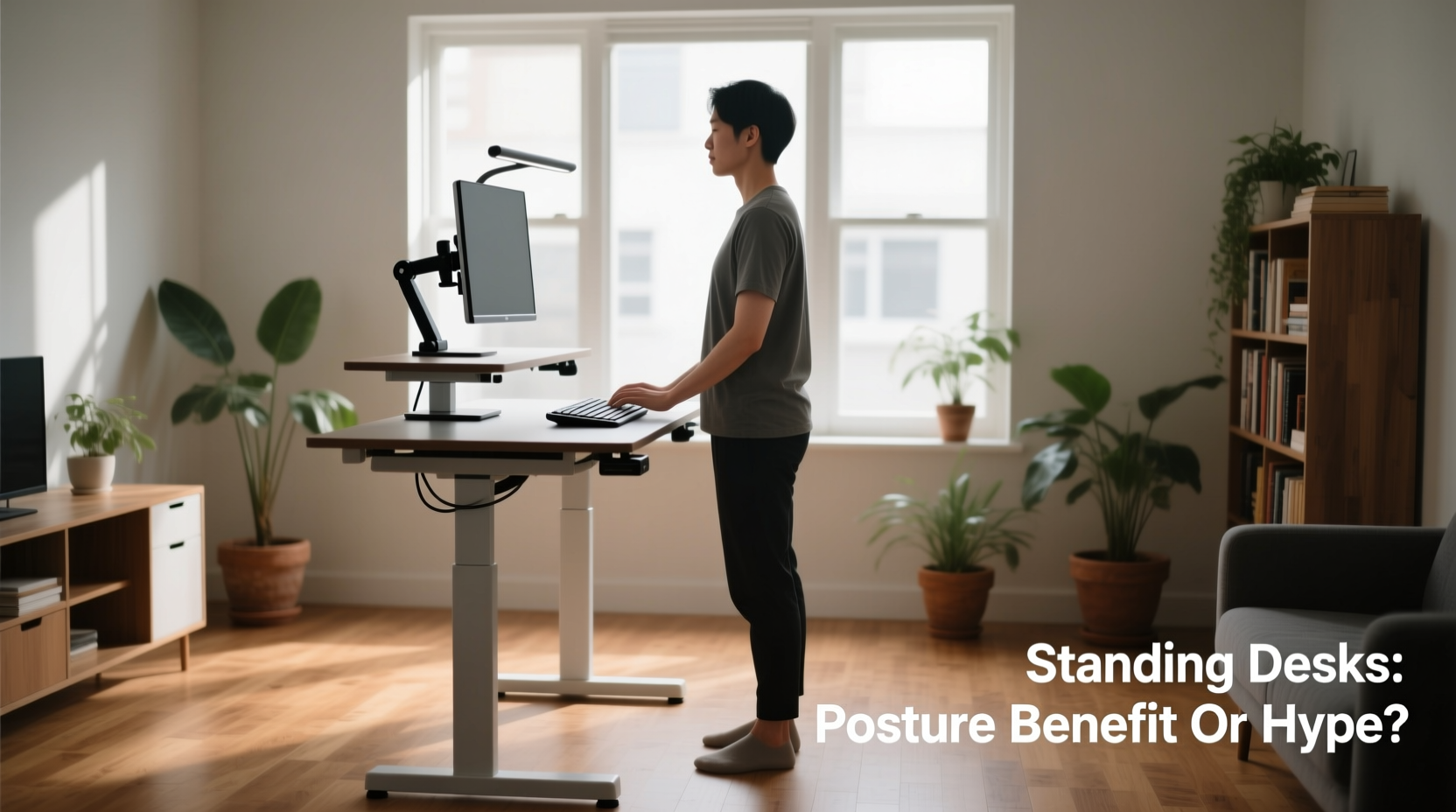
Sitting for prolonged periods—especially in poorly designed chairs or at improperly adjusted workstations—leads to what experts call “flexion bias.” This refers to the forward curvature of the spine that occurs when you slump, hunch over a keyboard, or crane your neck toward a monitor. Over time, this position weakens core muscles, tightens hip flexors, and places undue pressure on intervertebral discs.
Dr. Emily Tran, a physical therapist specializing in workplace ergonomics, explains:
“Eight hours a day of sustained sitting changes how your body functions. Muscles adapt to being inactive, ligaments shorten, and your nervous system starts treating poor posture as normal.”
This adaptation contributes to chronic conditions like kyphosis (excessive upper back rounding), forward head posture, and lower back pain—all increasingly prevalent among knowledge workers.
Standing desks emerged as a countermeasure, offering users the ability to alternate between sitting and standing throughout the day. The logic is simple: reduce sedentary time, engage more muscles, and encourage upright alignment. But does this translate into measurable improvements in posture?
How Standing Desks Influence Spinal Alignment
When used properly, standing desks can promote better posture by encouraging neutral spine positioning—the natural S-curve of the spine without excessive slouching or arching. Standing activates postural muscles in the core, glutes, and legs, which support spinal stability.
A 2021 study published in Ergonomics found that participants using sit-stand desks reported significantly less upper back and neck discomfort after six weeks compared to those who remained seated all day. Furthermore, motion analysis showed reduced forward head tilt and shoulder protraction during standing work sessions.
However, these benefits depend heavily on setup and behavior. Simply standing at a desk doesn’t automatically improve posture. In fact, poor standing habits—such as locking knees, shifting weight to one leg, or placing the monitor too low—can create new musculoskeletal issues.
Postural Pitfalls of Improper Standing Desk Use
- Leaning on the desk: Shifts weight unevenly and promotes asymmetrical loading of the spine.
- Wearing unsupportive footwear: Increases fatigue and reduces shock absorption, leading to lower back strain.
- Standing too long without breaks: Can cause varicose veins, foot pain, and muscle fatigue, prompting compensatory slouching.
- Misaligned workstation: A keyboard placed too high forces shoulder elevation; too low encourages rounded shoulders.
These missteps reveal a crucial truth: a standing desk is only as effective as the user’s awareness and discipline. Without proper education and adjustment, it may offer little more than symbolic value.
The Science Behind Sit-Stand Transitions
The most compelling argument for standing desks isn’t constant standing—it’s movement variability. Human physiology evolved for dynamic activity, not static positions. Whether sitting or standing, holding any single posture for extended periods leads to tissue fatigue and decreased circulation.
Research from the American Council on Exercise (ACE) indicates that alternating between sitting and standing every 30–45 minutes optimizes blood flow, reduces spinal compression, and maintains muscle engagement. This rhythmic shift helps prevent the neuromuscular “shutdown” associated with prolonged immobility.
One longitudinal study tracked office workers using adjustable desks over a 12-month period. Those who followed a structured sit-stand schedule (e.g., 45 minutes sitting, 15 minutes standing) demonstrated measurable improvements in thoracic extension and reduced lumbar disc pressure compared to control groups.
Mini Case Study: Tech Company Implements Ergonomic Rotation
A mid-sized software firm in Portland introduced sit-stand desks across its engineering department. Initially, employees stood for 2–3 hours daily but reported increased foot and knee discomfort. After consulting an ergonomic specialist, the company implemented a timed rotation protocol using desktop reminders.
Within three months, employee surveys showed a 40% reduction in self-reported back pain and a 32% increase in perceived focus. Follow-up posture assessments by occupational therapists revealed improved shoulder alignment and fewer cases of forward head posture.
The key change wasn’t just the equipment—it was the introduction of routine variation and behavioral coaching.
Comparing Standing Desks to Traditional Workstations
| Factor | Sitting Desk (Standard) | Standing Desk (Properly Used) | Mixed-Use (Sit-Stand Rotation) |
|---|---|---|---|
| Spinal Load | High (continuous compression) | Moderate (reduced lumbar pressure) | Low (dynamic load distribution) |
| Muscle Engagement | Low (core and legs inactive) | Moderate (postural muscles active) | High (alternating activation) |
| Risk of Back Pain | High (especially with poor chair) | Moderate (if stance is correct) | Low (with proper rotation) |
| Circulation & Metabolism | Poor (reduced calorie burn) | Better (increased energy expenditure) | Best (improved blood flow) |
| User Compliance | High (habitual use) | Variable (fatigue may limit use) | Moderate to High (with reminders) |
This comparison underscores that while standing desks alone aren’t a panacea, they serve as tools within a broader strategy of movement integration. The greatest postural gains occur when standing is part of a deliberate, varied routine rather than a rigid replacement for sitting.
Expert Recommendations for Effective Use
To maximize the postural benefits of a standing desk, professionals emphasize setup, timing, and mindfulness. Here’s a checklist based on guidance from certified ergonomists and spine specialists:
✅ Standing Desk Posture Checklist
- Adjust desk height: Top surface should align with your elbows when arms are bent at 90 degrees.
- Position monitor correctly: Centered, top line at or slightly below eye level.
- Use an anti-fatigue mat: Reduces joint stress and encourages micro-movements.
- Wear supportive shoes: Or stand barefoot on a cushioned surface if appropriate.
- Engage your core: Gently activate abdominal muscles to support the lower back.
- Distribute weight evenly: Avoid locking knees or shifting to one hip.
- Alternate frequently: Aim for 15–30 minutes standing per hour, not continuous standing.
- Take micro-breaks: Perform shoulder rolls, neck stretches, or walk briefly every 20–30 minutes.
“The best posture is the next posture. Movement is medicine for the spine.” — Dr. Lena Patel, Occupational Health Physician
Step-by-Step Guide to Transitioning to a Standing Desk
If you’re new to standing desks, jumping straight into two-hour standing blocks can lead to discomfort and discouragement. Follow this gradual timeline to build tolerance and reinforce good habits:
- Week 1 – Baseline Adjustment: Set up your desk correctly. Stand for 10 minutes every hour. Focus on alignment and comfort.
- Week 2 – Build Duration: Increase standing to 15–20 minutes per hour. Introduce gentle calf raises or weight shifts to stay active.
- Week 3 – Optimize Workflow: Schedule standing tasks (e.g., calls, reading) during peak alertness times. Use a timer or app reminder.
- Week 4 – Evaluate & Refine: Assess how your body feels. Adjust desk height, mat type, or rotation pattern as needed.
- Ongoing – Maintain Variety: Continue rotating positions. Add light stretching or walking meetings to further reduce static load.
This phased approach prevents overuse injuries and allows your body to adapt neurologically and structurally to new demands.
Frequently Asked Questions
Can standing desks fix bad posture?
Not on their own. Standing desks can support better posture when combined with proper ergonomics, movement, and muscle awareness. They are tools, not cures. Long-standing postural imbalances require targeted exercises, behavioral changes, and sometimes professional therapy.
Is it bad to stand all day at a standing desk?
Yes. Prolonged standing increases the risk of lower limb swelling, plantar fasciitis, and lower back stiffness. It can also lead to fatigue-related slouching, negating any postural benefit. Experts recommend no more than 30–45 minutes of standing per hour, with regular transitions.
Do I need a standing desk if I exercise regularly?
Exercise is essential, but it doesn’t offset the negative effects of prolonged sitting during the workday. Even fit individuals develop poor posture from sustained desk work. A standing desk complements fitness by reducing sedentary time and promoting spinal health throughout the day.
Conclusion: A Tool, Not a Trend
Standing desks are neither miracle devices nor overrated gadgets. Their effectiveness hinges on how they’re used. When integrated thoughtfully into a dynamic work environment—with attention to posture, timing, and individual needs—they can meaningfully improve spinal alignment and reduce discomfort.
But like any tool, they require skill and intention. Simply owning a standing desk won’t correct years of slouching or eliminate back pain. The real benefit lies in breaking the cycle of static postures and reintroducing movement into the workday.
So, are standing desks better for posture? Yes—but only when they inspire smarter, more mindful ways of working. The desk itself doesn’t transform your body; your habits do.




 浙公网安备
33010002000092号
浙公网安备
33010002000092号 浙B2-20120091-4
Comments
No comments yet. Why don't you start the discussion?