
Sedentary office life has long been linked to physical strain, mental fatigue, and declining productivity. In response, standing desks have surged in popularity—touted as a solution for both health and concentration. But with so much buzz around ergonomic trends, it’s fair to ask: Are standing desks genuinely beneficial for focus, or are they simply another short-lived wellness fad?
The answer isn’t black and white. While standing desks aren't a magic bullet, growing evidence suggests they can support cognitive performance when used thoughtfully. The key lies not in standing all day, but in dynamic movement and intentional posture shifts throughout the workday.
The Science Behind Posture and Cognitive Function
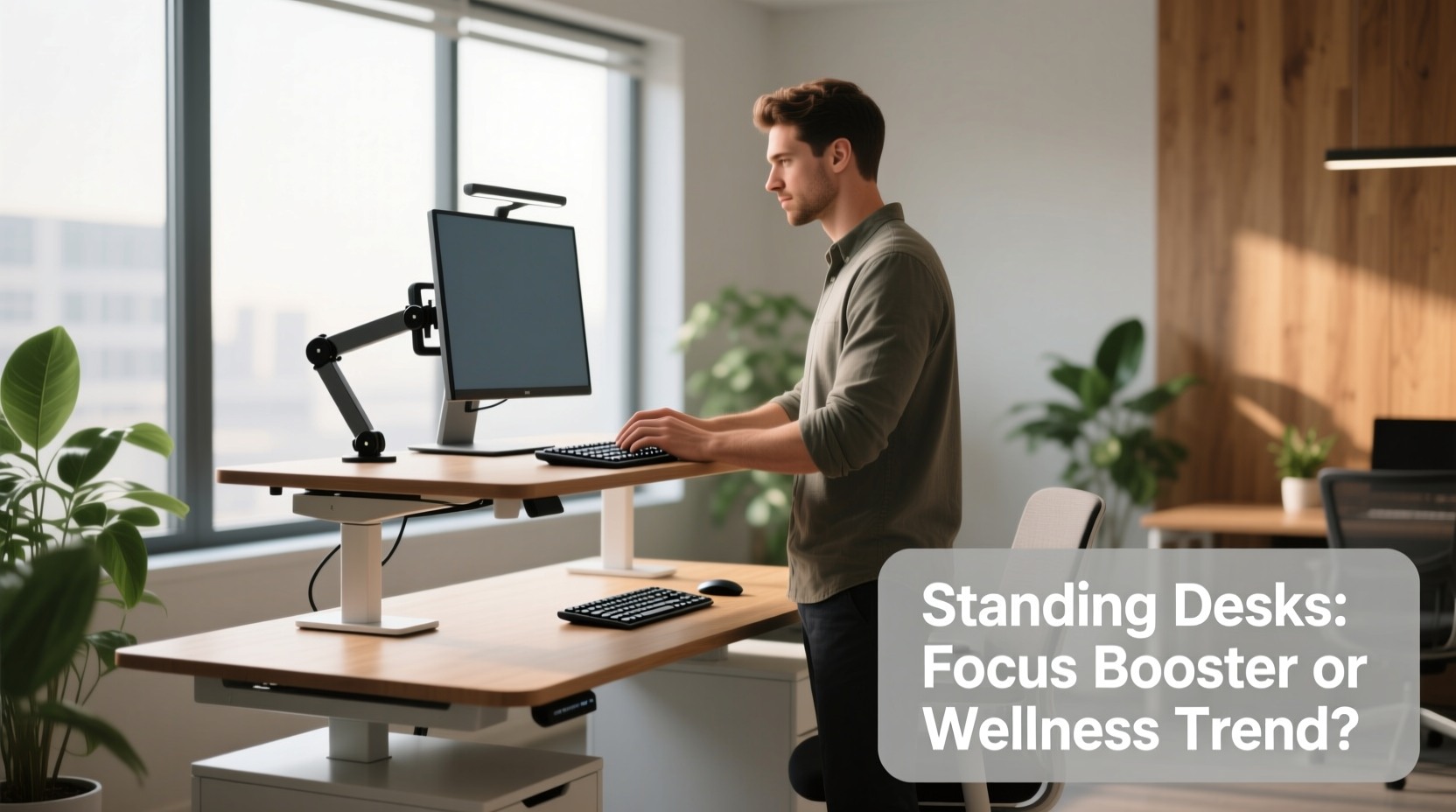
Our bodies and minds are deeply interconnected. Blood flow, oxygen delivery, and neurotransmitter activity are all influenced by physical position. Prolonged sitting slows circulation, especially to the brain, which may contribute to afternoon slumps and reduced alertness.
A 2016 study published in *Preventing Chronic Disease* found that call center employees who used standing desks were 45% more productive over a six-month period than their seated counterparts. Not because standing made them smarter, but because it helped sustain energy and engagement during long shifts.
Neurologically, standing activates the sympathetic nervous system slightly more than sitting, promoting mild arousal—a state conducive to attention and vigilance. This doesn’t mean standing turns you into a hyper-focused machine, but it can help counteract the drowsiness associated with hours of immobility.
“Movement is medicine for the brain. Alternating postures keeps the mind engaged and reduces cognitive fatigue.” — Dr. Sarah Lang, Cognitive Neuroscientist at the University of Toronto
However, the benefits depend on duration and context. Standing for two hours straight without breaks can lead to discomfort, distraction, and even decreased performance. The real advantage comes from variability—not just standing versus sitting, but shifting positions regularly.
Standing Desks vs. Wellness Fads: What’s the Difference?
Wellness fads often promise dramatic results with minimal effort: detox teas, vibrating belts, or “miracle” supplements. They rise quickly, lack robust research, and fade when expectations aren’t met.
Standing desks, while trendy, differ in several ways:
- Rooted in ergonomics: Developed from decades of workplace injury prevention research.
- Supported by longitudinal data: Studies show consistent use improves musculoskeletal comfort and reduces sedentary time.
- Integrated into professional environments: Adopted by tech companies, hospitals, and universities—not just boutique startups.
Yet misuse can turn even valid tools into fads. Simply buying a standing desk and using it incorrectly—standing rigidly for eight hours, ignoring back pain, or neglecting proper monitor height—leads to poor outcomes. That failure is often blamed on the tool, not the method.
Real Impact on Focus: A Balanced Perspective
Focus isn’t just about willpower; it’s shaped by environment, physiology, and routine. Here’s how standing desks influence each factor:
Energy Regulation
Standing increases calorie expenditure by about 0.15 calories per minute compared to sitting—modest, but enough to prevent the metabolic slowdown that dulls mental clarity. For people prone to post-lunch fog, a midday standing session can act like a natural stimulant.
Movement Cues
Adjustable desks encourage micro-movements: shifting weight, stretching, pacing briefly. These small actions stimulate proprioception (body awareness), which feeds into alertness circuits in the brain.
Reduced Physical Discomfort
Chronic lower back pain or neck strain from poor sitting posture can silently erode concentration. By improving spinal alignment and reducing pressure on discs, standing desks often alleviate these distractions—freeing up mental bandwidth.
But there’s a caveat: standing too long causes its own issues—leg fatigue, varicose veins, foot pain—all of which also impair focus. Balance is essential.
Optimizing Your Desk Setup: A Step-by-Step Guide
Maximizing focus with a standing desk requires more than flipping a switch. Follow this timeline to integrate it effectively into your workflow:
- Week 1: Assess and Adjust
Set up your desk so the top of the monitor aligns with your eye level. Elbows should be at 90 degrees when typing. Use an anti-fatigue mat and wear supportive shoes. - Week 2: Introduce Gradual Standing
Start with 20-minute standing intervals every two hours. Track how you feel before, during, and after. Note any changes in energy or discomfort. - Week 3: Build a Rhythm
Alternate between 30 minutes sitting and 30 minutes standing. Use a timer or smartwatch reminder to avoid over-standing. - Week 4: Refine Based on Feedback
Evaluate your focus levels, posture, and overall comfort. Adjust durations based on tasks—e.g., stand during creative brainstorming, sit during deep analytical work. - Ongoing: Incorporate Movement
Add light stretches, walking meetings, or calf raises while standing. Keep blood flowing and muscles engaged.
Do’s and Don’ts of Using a Standing Desk for Focus
| Do | Don’t |
|---|---|
| Use a sit-stand desk that allows easy transitions | Stand for more than 2 consecutive hours |
| Wear supportive footwear or use an anti-fatigue mat | Bend your neck down to look at a low monitor |
| Alternate postures every 30–60 minutes | Rely solely on standing to fix poor ergonomics |
| Pair standing with light movement (shifting weight, gentle pacing) | Ignore early signs of leg or back discomfort |
| Use standing for high-energy tasks like calls or planning | Assume standing is always better than sitting |
Mini Case Study: From Foggy Mornings to Sustained Clarity
Jamie, a technical writer at a software company, struggled with mid-morning mental dips. Despite drinking coffee and taking short walks, she’d hit a wall around 10:30 AM. After receiving a standing desk through her employer’s wellness program, she began experimenting with posture shifts.
She started standing during her first writing block (9:00–10:30 AM) and noticed sharper focus and fewer distractions. Over three weeks, she refined her rhythm: standing for drafting and editing, sitting for code review and detailed proofreading. She also added five-minute stretch breaks every hour.
After two months, Jamie reported a 30% reduction in revision time and improved confidence in her output. Her manager noted fewer delays in deliverables. Crucially, she didn’t stand all day—she moved. The desk was a tool, not a rule.
What Experts Recommend: Beyond the Hype
Leading occupational health organizations emphasize movement over static positioning. The American College of Sports Medicine recommends breaking up sitting every 30 minutes with brief standing or walking.
Dr. Elena Torres, an ergonomics consultant at Stanford Health, explains:
“The goal isn’t to replace sitting with standing. It’s to replace inactivity with activity. A standing desk is most effective when it becomes a gateway to more dynamic work habits.”
This means pairing your desk with behavioral changes: walking meetings, phone calls on your feet, or using bathroom breaks as mobility resets. The desk enables change—but you drive it.
FAQ
Can standing desks improve ADHD symptoms?
While not a treatment, standing desks may help individuals with ADHD manage restlessness and maintain alertness. The ability to shift positions provides sensory input that can support focus. However, results vary, and it should complement—not replace—established strategies.
How many hours a day should I stand at my desk?
There’s no universal number, but research suggests aiming for 2 to 4 hours of cumulative standing throughout the workday, broken into 30- to 60-minute intervals. Listen to your body: if you feel fatigued or distracted, sit down.
Are standing desks worth the cost?
For those spending 6+ hours daily at a desk, especially with back or neck discomfort, the investment often pays off in reduced pain and improved energy. Even basic adjustable risers ($100–$200) can make a difference. Consider it preventive healthcare.
Checklist: Getting the Most Out of Your Standing Desk
- ✅ Ensure monitor is at eye level
- ✅ Position keyboard so elbows are at 90°
- ✅ Use an anti-fatigue mat
- ✅ Start with 20-minute standing sessions
- ✅ Alternate every 30–60 minutes
- ✅ Wear supportive shoes
- ✅ Pair standing with light movement
- ✅ Track energy and focus for one week
- ✅ Adjust based on feedback
- ✅ Combine with walking breaks and stretches
Conclusion: A Tool, Not a Trend
Standing desks are not a panacea, nor are they destined to vanish like fad diets or juice cleanses. Their staying power lies in adaptability and alignment with human physiology. When used as part of a broader strategy to reduce sedentariness and enhance workspace dynamism, they can meaningfully support mental clarity and sustained focus.
The real innovation isn’t the desk itself, but the mindset it encourages: that work shouldn’t require physical sacrifice, and that small changes in posture can yield outsized returns in well-being and performance.




 浙公网安备
33010002000092号
浙公网安备
33010002000092号 浙B2-20120091-4
Comments
No comments yet. Why don't you start the discussion?