
In the past decade, electric standing scooters have exploded onto city streets. From dockless rentals to personal models, they’ve become a familiar sight in urban landscapes worldwide. Proponents praise them as eco-friendly, efficient solutions to last-mile transit. Critics dismiss them as fads—unsafe, short-lived, and more hazard than help. So, are standing scooters actually worth it for city commuting, or are they just impractical gadgets dressed up as innovation?
The truth lies somewhere in between. For some commuters, scooters offer unmatched convenience and savings. For others, they’re a liability on crowded sidewalks and unreliable in adverse weather. This article breaks down the real value of standing scooters by examining their practicality, cost-effectiveness, safety record, environmental impact, and long-term viability in modern cities.
The Rise of the Standing Scooter
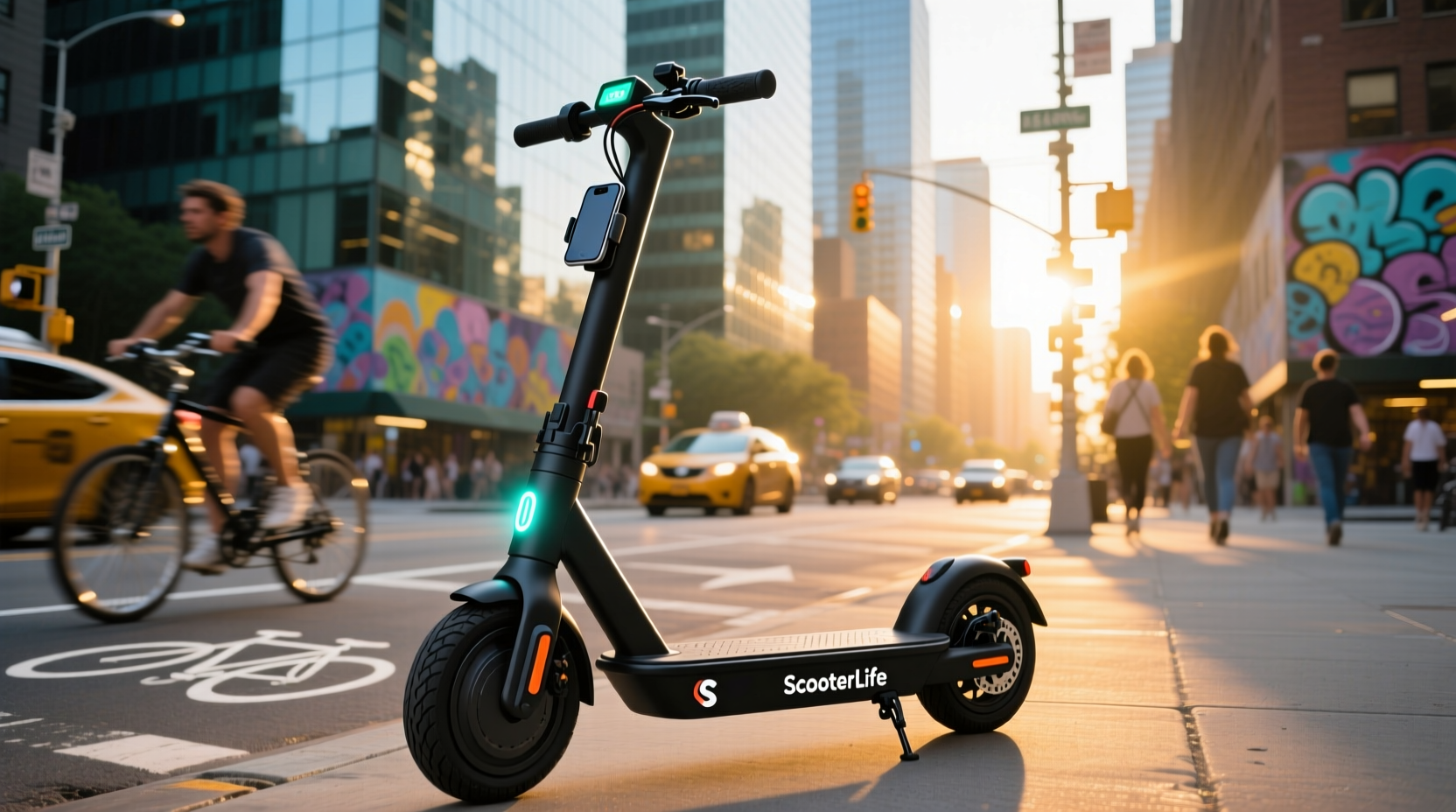
Standing scooters, particularly electric ones (e-scooters), gained mainstream attention around 2017 with companies like Bird and Lime launching shared fleets in cities across the U.S. and Europe. The model was simple: unlock a scooter via smartphone, ride to your destination, and leave it on the sidewalk for the next user. It tapped into growing demand for flexible, low-cost alternatives to cars and public transit.
According to the National Association of City Transportation Officials (NACTO), e-scooter trips in the U.S. surpassed 38.5 million in 2019 alone. Cities from Paris to Portland embraced them as tools to reduce congestion and carbon emissions. But rapid adoption brought backlash—scooters blocking sidewalks, reckless riding, and durability concerns raised questions about whether this trend had staying power or was simply a Silicon Valley-driven gimmick.
Practicality: When Scooters Work—and When They Don’t
The usefulness of a standing scooter depends heavily on context: distance, terrain, infrastructure, and personal needs.
For trips under three miles—especially those bridging gaps between home and transit hubs—scooters shine. They’re faster than walking, cheaper than rideshares, and often quicker than waiting for a bus. In dense downtown areas with bike lanes and low-speed limits, they integrate well into existing traffic patterns.
However, limitations quickly emerge:
- Weather dependency: Rain, snow, or even wet pavement makes scooters hazardous due to reduced traction.
- Poor road conditions: Potholes, gravel, and uneven surfaces increase the risk of falls.
- Lack of storage: Most models don’t have baskets or cargo space, making them impractical if you need to carry groceries, work materials, or wear bulky clothing.
- Physical strain: Standing for extended periods on a narrow deck can fatigue legs and lower back, especially over longer distances.
Cost Analysis: Rental vs. Ownership
One major factor in determining whether scooters are “worth it” is cost. There are two main models: rental services and personal ownership.
| Cost Factor | Rental Scooters | Personal Scooters |
|---|---|---|
| Initial Cost | $1–$3 unlock + $0.15–$0.40 per minute | $300–$1,200 upfront |
| Monthly Expense (avg. 10 rides) | $60–$120 | $0 after purchase |
| Maintenance | Borne by provider | User responsibility (~$50–$100/year) |
| Lifespan | 6–12 months (shared fleet) | 2–5 years (with care) |
| Convenience | Available but inconsistent | Always accessible at home |
For occasional use—say, once or twice a week—rentals may suffice. But frequent riders can recoup the cost of a personal scooter within four to six months. High-quality models like the Segway Ninebot MAX or Unagi Model One offer better range, durability, and safety features, justifying the investment for regular commuters.
Safety and Urban Integration
No discussion about scooters is complete without addressing safety. While convenient, standing scooters pose risks—not only to riders but also to pedestrians when used improperly.
A 2020 study published in *JAMA Network Open* found that head injuries accounted for nearly 30% of scooter-related ER visits, yet helmet usage remains low. Many cities lack dedicated micro-mobility lanes, forcing riders onto sidewalks or into fast-moving vehicle traffic.
“Cities that invest in protected bike lanes see significantly fewer e-scooter accidents. Infrastructure determines behavior.” — Dr. Lena Torres, Urban Mobility Researcher, MIT
Best practices for safe scooter use include:
- Wearing a helmet (even if not legally required)
- Using lights and reflectors at night
- Obeying speed limits and traffic signals
- Avoiding sidewalk riding where prohibited
- Taking rider education courses offered by some municipalities
Cities like Barcelona and Oslo have implemented strict zoning, parking rules, and mandatory training to improve integration. Others, like San Francisco, initially banned scooters before reintroducing them under regulated pilot programs. The message is clear: scooters aren’t inherently unsafe—but they require thoughtful policies to coexist safely in urban environments.
Environmental Impact and Sustainability
Proponents often highlight scooters as green alternatives to cars. And in theory, they are: zero tailpipe emissions, low energy consumption, and high efficiency per mile.
However, the sustainability picture darkens when considering lifecycle impacts. Shared scooters have short lifespans due to heavy use and vandalism. Charging, collection, and redistribution often rely on gas-powered vans, increasing their carbon footprint. A 2019 North Carolina State University study found that the total emissions of shared e-scooters were comparable to those of electric motorcycles when logistics were factored in.
Personal scooters, on the other hand, perform much better environmentally. With longer lifespans, individual charging, and no redistribution needed, they offer a genuinely sustainable option—especially when replacing car trips.
Mini Case Study: Sofia’s Commute in Austin
Sofia works in downtown Austin and lives two miles from her office. Her morning routine used to involve driving, circling for parking, and spending $5 daily on garage fees. After a rainy day left her stranded without an umbrella during a bus transfer, she decided to try an e-scooter.
She purchased a mid-range model for $550. Her route uses protected bike lanes along Congress Avenue, and the ride takes 12 minutes—half the time of the bus. She folds the scooter and stores it under her desk. Within five months, she’d saved over $800 in parking and fuel. On days with thunderstorms, she switches to the bus or works remotely.
“It’s not perfect,” she says, “but for 300 days a year, it’s the fastest, cheapest, and most enjoyable way to get to work.”
Sofia’s experience reflects the ideal use case: short urban trip, reliable infrastructure, and a rider who understands the scooter’s limits.
Checklist: Is a Standing Scooter Right for You?
Before investing in a scooter—rented or owned—consider these key factors:
- ✅ Is your typical commute under 3 miles?
- ✅ Does your city have bike lanes or low-traffic roads?
- ✅ Can you store the scooter securely at home and work?
- ✅ Are you comfortable balancing on a standing platform for 10–15 minutes?
- ✅ Do you have access to safe charging options?
- ✅ Will you wear a helmet and follow local laws?
- ✅ Are alternative transit options slow, expensive, or unreliable?
If you answered “yes” to most of these, a scooter could be a smart addition to your commute.
Step-by-Step Guide to Starting Your Scooter Commute
Ready to give it a try? Follow this timeline to start safely and effectively:
- Week 1: Research local regulations. Some cities ban scooters on sidewalks or require registration.
- Week 2: Test ride a rental model during off-peak hours to assess comfort and handling.
- Week 3: Identify your safest route using bike maps or apps like Google Maps (bicycle layer).
- Week 4: Purchase a helmet and reflective gear. Consider a small backpack for essentials.
- Month 2: Buy a personal scooter if usage justifies it, or continue with rentals.
- Ongoing: Perform weekly checks on tire pressure, brakes, and battery health.
This gradual approach reduces risk and helps build confidence before relying on the scooter regularly.
FAQ
Are standing scooters legal in most cities?
Most U.S. and European cities allow personal e-scooters, but rules vary widely. Some prohibit sidewalk riding, limit speeds to 15 mph, or require helmets. Always check your local transportation department website before riding.
How far can a typical e-scooter go on one charge?
Range varies by model and rider weight. Entry-level scooters offer 10–15 miles; premium models like the Dualtron Thunder can exceed 60 miles. For commuting, aim for at least 20 miles of range to account for hills and temperature changes.
Can I take a standing scooter on public transit?
In many cities, yes—foldable scooters are permitted on buses, subways, and trains outside peak hours. Check your transit agency’s policy, as some restrict usage during rush periods to avoid crowding.
Conclusion: A Tool, Not a Toy
Standing scooters are neither miracle machines nor useless gadgets. They are tools—highly effective in the right context, frustrating or dangerous in the wrong one. For city dwellers with short, predictable commutes and access to safe infrastructure, they offer a compelling blend of speed, affordability, and environmental benefit.
But success depends on responsible use, proper equipment, and supportive urban planning. Riders must prioritize safety, cities must invest in micro-mobility infrastructure, and manufacturers must build durable, repairable products.




 浙公网安备
33010002000092号
浙公网安备
33010002000092号 浙B2-20120091-4
Comments
No comments yet. Why don't you start the discussion?