
In an era of curated convenience, subscription boxes have surged in popularity. From gourmet snacks and skincare samples to monthly book deliveries and niche hobby kits, these services promise discovery, delight, and personalized value delivered straight to your door. But beneath the glossy packaging and excitement of unboxing lies a growing concern: are they truly worth it? Or do they quietly contribute to financial strain and physical clutter?
This article examines the real value proposition of subscription boxes by analyzing their economic return, psychological appeal, environmental footprint, and long-term sustainability. More importantly, it offers a practical framework for evaluating whether these services enhance your life—or simply fill your shelves with unused items.
The Allure of Subscription Boxes
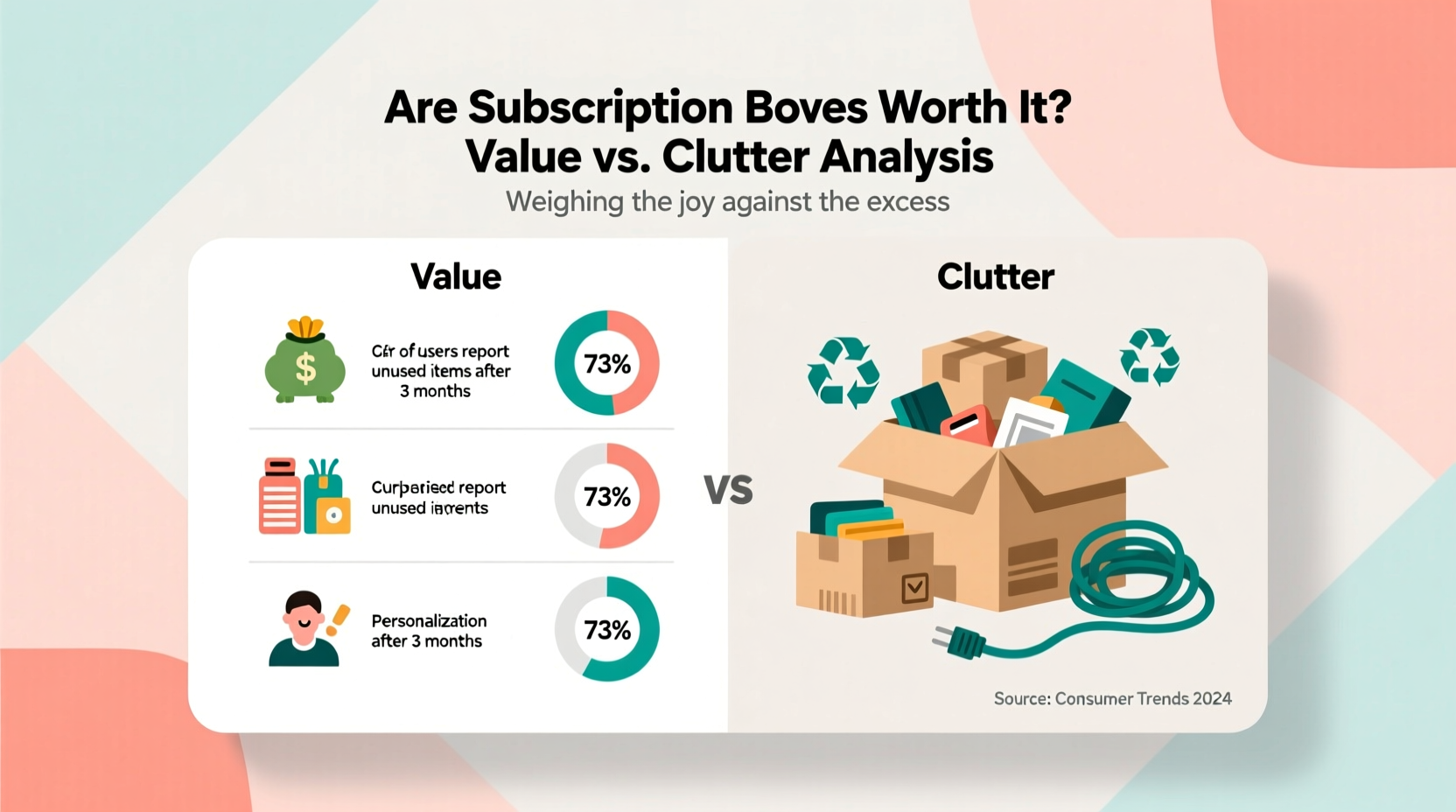
Subscription models thrive on anticipation. The idea of receiving something new each month taps into our innate love of surprise and novelty. Marketers understand this well, leveraging limited-edition products, exclusive access, and tailored selections to make each delivery feel special.
Many consumers report emotional benefits from subscriptions: joy during unboxing, reduced decision fatigue, and a sense of being “taken care of.” For busy individuals, having curated goods selected on their behalf can feel like a luxury service. Others appreciate discovering new brands or trying products they wouldn’t typically purchase.
However, emotional satisfaction doesn’t always align with tangible value. A box may spark joy today but become tomorrow’s clutter if its contents go unused. The key is distinguishing between perceived value and actual utility.
Breaking Down the True Cost
At first glance, many subscription boxes appear affordable. A $25 monthly beauty box might seem like a small indulgence. But annualized, that same box costs $300—a significant sum when multiplied across multiple subscriptions.
Consider not just the price tag, but also the opportunity cost. That $300 could fund a professional skincare treatment, a high-quality product that lasts longer, or even savings. Moreover, some boxes include full-sized items, while others offer mostly samples—value varies dramatically.
Shipping fees, taxes, and auto-renewal policies further complicate the equation. Some companies lock users into multi-month commitments or make cancellation difficult. Hidden costs erode transparency and can turn a seemingly reasonable service into a financial drain.
Value Metrics to Evaluate
- Retail equivalency: Compare the total retail value of included items to what you’d pay individually.
- Usage rate: What percentage of items do you actually use?
- Duplication: Are you receiving products you already own or don’t need?
- Replacement effect: Does the box replace purchases you’d make anyway, or does it encourage additional spending?
“Consumers often overestimate the value of free or discounted items when they’re bundled. Just because something is ‘included’ doesn’t mean it adds value to your life.” — Dr. Lena Peterson, Behavioral Economist
Clutter: The Silent Consequence
One of the most under-discussed downsides of subscription boxes is the accumulation of stuff. Even useful items contribute to clutter when they exceed your consumption capacity or storage space.
A 2022 study by the Container Store found that 72% of people who subscribed to at least two recurring boxes reported feeling overwhelmed by excess products. Skincare samples pile up, snack boxes lead to duplicate pantry items, and clothing boxes result in unworn garments taking up closet space.
Clutter isn’t just physical—it’s mental. Researchers at Princeton University have shown that disorganized environments increase cognitive load and reduce focus. When your home becomes a repository for underused subscription goods, the psychological burden can outweigh the initial excitement.
Environmental Impact of Disposable Models
Beyond personal clutter, subscription boxes raise sustainability concerns. Many rely on excessive packaging—cardboard, plastic inserts, air pillows—to create an “unboxing experience.” While some brands use recyclable materials, contamination and improper disposal limit real-world recyclability.
Additionally, the production and shipping of low-usage items generate unnecessary carbon emissions. A box filled with single-use samples may provide fleeting enjoyment but contributes disproportionately to waste compared to buying only what you need.
When Subscription Boxes Add Real Value
Despite the risks, subscription boxes can be worthwhile—if chosen strategically. They deliver the most value in specific scenarios:
- Discovery phase: Trying new products (e.g., coffee, wine, skincare) without committing to full-size purchases.
- Niche interests: Hobby-based boxes (e.g., calligraphy, plant care, puzzle kits) that curate hard-to-find supplies.
- Gift giving: Reliable monthly gifts for loved ones with specific tastes.
- Lifestyle support: Meal kits for busy families or fitness supplement boxes for athletes with consistent usage.
The critical factor is alignment with actual needs and habits. A coffee lover who drinks three bags a month gains clear value from a curated bean subscription. In contrast, someone who rarely brews coffee may let beans stale on the shelf.
Mini Case Study: Sarah’s Beauty Box Journey
Sarah, a 34-year-old graphic designer, subscribed to a popular beauty box for two years. At $28 per month, she spent $672 over 24 months. Initially thrilled by the variety, she soon noticed patterns: half the skincare samples didn’t suit her sensitive skin, makeup shades were unusable, and minuscule product sizes meant frequent repurchasing.
After tracking usage, she found only 35% of items were fully used. The rest expired or were discarded. She canceled the subscription and redirected the funds toward one premium serum she genuinely needed—saving money and reducing clutter.
Her takeaway: curation doesn’t equal relevance. Personal fit matters more than volume.
How to Audit Your Subscriptions: A Step-by-Step Guide
To determine whether your subscription boxes are worth it, follow this evaluation process every six months—or before renewing any service.
- Gather all recent boxes: Collect the last three to six deliveries.
- Inventory contents: List every item received, including size and brand.
- Assess usage: Mark each item as “used,” “partially used,” or “unused.”
- Calculate effective cost: Divide total amount paid by number of used items.
- Evaluate duplicates: Note how many items overlapped with existing products.
- Measure space impact: Estimate how much storage the unused items occupy.
- Decide: Renew, modify, pause, or cancel based on findings.
This audit transforms subjective feelings (“I like getting surprises”) into objective data (“I used 2 out of 8 items last quarter”).
Do’s and Don’ts of Subscription Management
| Do | Don’t |
|---|---|
| Start with a trial or one-time purchase to test fit | Commit to long-term plans without testing |
| Choose boxes aligned with active hobbies or daily routines | Subscribe based solely on social media hype |
| Cancel immediately if usage drops below 50% | Keep paying “just in case” you might use it later |
| Use subscription tracking apps to monitor spending | Forget about auto-renewals buried in your payment history |
| Donate unopened items to shelters or swap groups | Let expired products accumulate in drawers |
Expert Strategies to Maximize Value
For those who choose to keep select subscriptions, experts recommend several optimization tactics:
- Customize when possible: Use preference profiles to filter out unsuitable items (e.g., allergens, unwanted scents).
- Stack with discounts: Wait for seasonal promotions or refer-a-friend bonuses to reduce net cost.
- Combine with loyalty programs: Some brands offer credit toward full-size purchases when you try samples via subscription.
- Rotate instead of stacking: Subscribe to one box for three months, then switch to another—prevents overlap and maintains novelty.
“The most valuable subscription isn’t the cheapest—it’s the one you consistently use and enjoy without guilt or waste.” — Marcus Tran, Consumer Behavior Analyst
FAQ
Can a subscription box save me money?
Only if it replaces purchases you’d make anyway and offers better pricing or discovery value. Most boxes don’t undercut retail prices significantly. Savings come from avoiding impulse buys, not from the box itself.
How do I stop feeling guilty about canceling?
Remember: subscriptions exist to serve you, not the other way around. If a service no longer fits your lifestyle, canceling is responsible consumer behavior. Free yourself from the “sunk cost” fallacy—the money already spent shouldn’t dictate future choices.
Are there clutter-free alternatives?
Yes. Consider digital subscriptions (e-books, music, courses), experiential memberships (museums, gyms), or donation-based services where your fee supports a cause rather than delivers physical goods.
Final Checklist: Is Your Subscription Worth It?
Before renewing or signing up, ask yourself:
- Have I used at least 70% of the previous box’s contents?
- Would I have bought these items individually?
- Do I have space to store both opened and unopened items?
- Does this align with my current lifestyle and goals?
- Is the cost justified by time saved or joy experienced?
- Can I easily cancel if it stops delivering value?
If you answer “no” to two or more, reconsider the subscription.
Conclusion: Make Intentionality Your Standard
Subscription boxes aren’t inherently good or bad—they’re tools. Like any recurring expense, their worth depends on how thoughtfully you use them. The most valuable subscriptions are those that simplify your life, introduce meaningful discoveries, and integrate seamlessly into your routine without adding stress or mess.
Challenge the default mindset of “more is better.” Instead, adopt a philosophy of intentional consumption: fewer, higher-impact services that respect your budget, space, and time. Audit regularly, cancel without guilt, and reserve subscriptions for moments when they truly enhance your life—not just fill it.




 浙公网安备
33010002000092号
浙公网安备
33010002000092号 浙B2-20120091-4
Comments
No comments yet. Why don't you start the discussion?