
For decades, time-outs have been a go-to disciplinary strategy in homes and classrooms across the world. The idea is simple: when a child misbehaves, they are removed from the situation and asked to sit quietly for a set period. While this method may appear effective on the surface—producing short-term compliance—it has sparked growing concern among child development experts. Many now question whether time-outs are developmentally appropriate or if they inadvertently harm emotional regulation and parent-child attachment.
Understanding the impact of discipline techniques requires looking beyond immediate behavior control. Children do not misbehave out of defiance alone; their actions often reflect unmet needs, overwhelming emotions, or underdeveloped self-regulation skills. When discipline focuses solely on punishment rather than teaching, it can miss critical opportunities for growth.
The Science Behind Child Brain Development
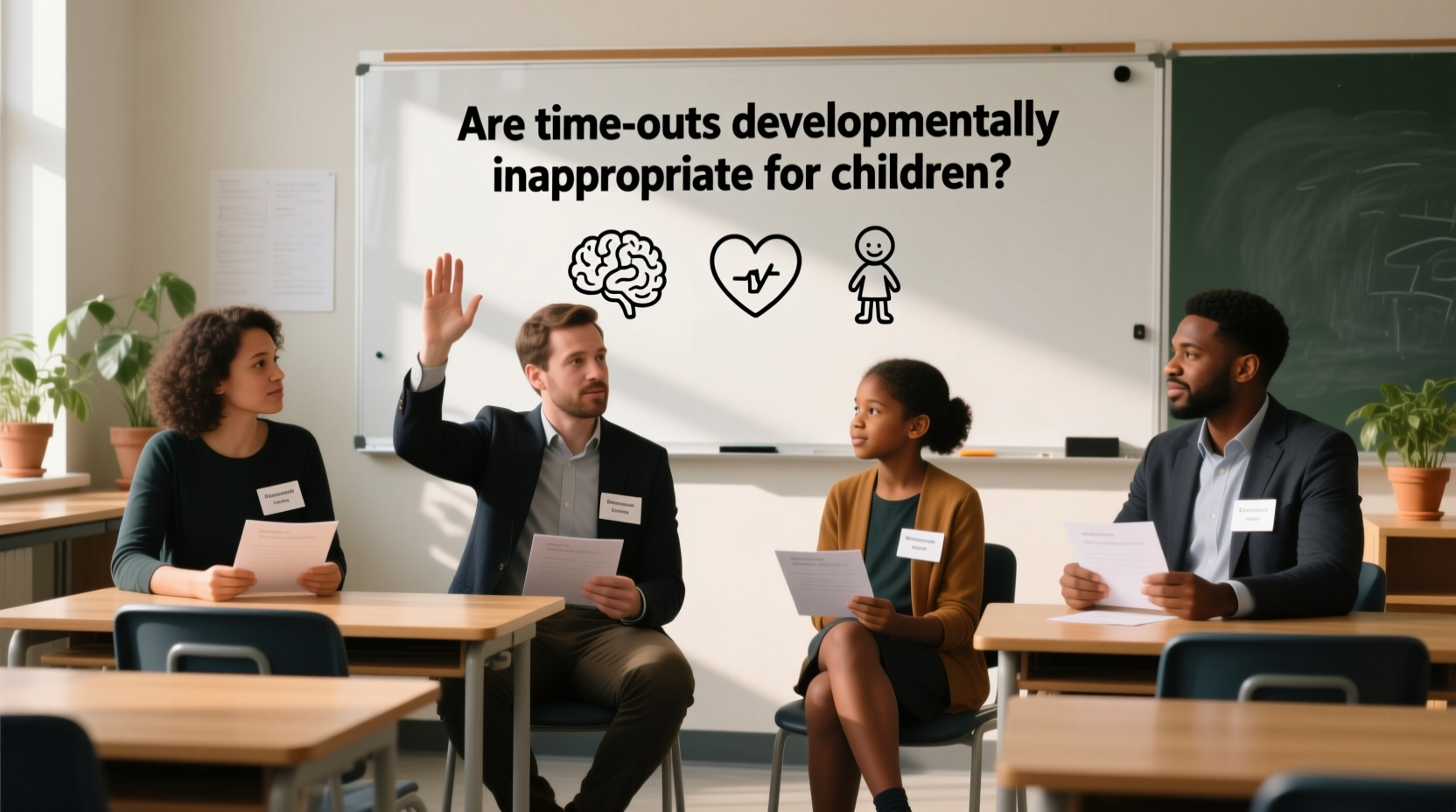
A child’s brain is still forming well into adolescence, particularly areas responsible for impulse control, emotional regulation, and decision-making—the prefrontal cortex. During early childhood, the limbic system, which governs emotions and survival responses, is far more active than higher cognitive centers. This means young children are biologically incapable of consistently managing strong emotions like frustration, fear, or anger.
When a child acts out, they are often in a state of emotional dysregulation. In that moment, logic and reasoning are inaccessible. Time-outs, especially when administered punitively, can intensify feelings of isolation and rejection. Instead of calming down, the child may experience the time-out as abandonment, triggering stress hormones like cortisol and undermining trust in caregivers.
“Discipline should be about teaching, not punishing. When we isolate a child during distress, we send the message that big feelings are unacceptable and that support disappears when they need it most.” — Dr. Daniel J. Siegel, clinical professor of psychiatry and co-author of *The Whole-Brain Child*
Why Time-Outs May Be Developmentally Inappropriate
Several key developmental principles suggest that traditional time-outs conflict with healthy emotional and social growth:
- Misalignment with attachment needs: Young children rely on caregivers for co-regulation. Removing them during emotional upheaval contradicts the secure base they need.
- Punitive vs. instructive: Time-outs rarely explain what went wrong or how to make better choices next time.
- Shame-based compliance: Children may learn to suppress emotions rather than understand and manage them.
- Lack of skill-building: Unlike problem-solving or empathy exercises, time-outs don’t teach alternative behaviors.
Alternatives to Traditional Time-Outs: A Developmentally Supportive Approach
Effective discipline supports long-term emotional intelligence, resilience, and relationship-building. The goal isn’t obedience at all costs, but helping children grow into self-aware, empathetic individuals. Below are evidence-based alternatives to punitive time-outs.
1. Co-Regulation Through Connection
Instead of isolating a child, sit beside them. Use calm tones and physical presence (if welcomed) to help them regain equilibrium. Say things like, “I see you’re really upset. I’m here with you.” This models emotional regulation and reinforces security.
2. Problem-Solving Conversations
Once the child is calm, engage in a collaborative discussion. Ask open-ended questions: “What happened?” “How were you feeling?” “What could we try differently next time?” This builds accountability without shame.
3. Natural Consequences
Allow consequences that logically follow behavior. For example, if a child throws a toy and breaks it, they experience the result of their action. Guide them toward repair or restitution when possible.
4. Redirection and Distraction (Especially for Toddlers)
Very young children often lack the capacity for reflection. Gently redirecting attention or changing environments can prevent escalation without punishment.
5. Emotion Coaching
Name emotions clearly: “You’re angry because your sister took your crayon.” Validating feelings helps children recognize and manage them over time. Research shows emotion-coached children exhibit greater empathy and academic success.
Do’s and Don’ts of Discipline: A Comparison Table
| Do’s | Don’ts |
|---|---|
| Stay calm and regulated yourself | React with anger or threats |
| Validate emotions before correcting behavior | Say “You’re fine” or “Stop crying” |
| Use natural and logical consequences | Impose arbitrary punishments |
| Model respectful communication | Use sarcasm or public shaming |
| Teach replacement behaviors | Assume the child knows better |
Real Example: From Time-Outs to Time-Ins
Sarah, a mother of a 4-year-old, used time-outs for months after her son, Leo, hit his younger sibling during a toy dispute. Despite consistent enforcement, the hitting continued. Frustrated, she consulted a child psychologist who suggested shifting from time-outs to “time-ins.”
The new approach involved sitting with Leo when he became aggressive, holding his hands gently, and saying, “I won’t let you hurt your sister. I know you’re mad—let’s take deep breaths together.” At first, Leo cried longer, but within weeks, he began naming his emotions: “I feel mad!” Sarah responded by offering choices: “Do you want to squeeze a stress ball or draw your anger?” Over time, incidents decreased, and Leo started using words instead of actions.
This shift didn’t excuse the behavior—it addressed its root cause. By staying connected, Sarah taught Leo that even when he lost control, love and support remained constant.
Step-by-Step Guide: Transitioning Away from Time-Outs
- Reflect on your goals: Are you aiming for obedience or emotional competence? Clarifying your intention reshapes your approach.
- Observe triggers: Track when misbehavior occurs. Is it fatigue, hunger, sensory overload, or unmet attention needs?
- Practice self-regulation: Before responding to a child’s meltdown, take three deep breaths. Your calm is their anchor.
- Replace isolation with presence: Sit nearby during emotional outbursts. Offer quiet companionship without lecturing.
- Introduce emotion vocabulary: Read books or use charts that label feelings. Make emotional literacy part of daily life.
- Hold family meetings: Discuss conflicts collaboratively. Let children contribute solutions—they’re more likely to follow rules they helped create.
- Be patient: Change takes time. Expect setbacks and celebrate small improvements.
Frequently Asked Questions
Are all forms of time-outs harmful?
Not necessarily. A brief pause in a safe, supportive environment—sometimes called a “cool-down corner”—can help an overwhelmed child regain composure. The key difference lies in intent and delivery. If the space is voluntary, comforting, and paired with adult presence, it functions as a regulation tool rather than punishment.
What if my child refuses to cooperate without time-outs?
Children accustomed to time-outs may initially resist change, especially if they’ve learned to manipulate consequences. Consistency and empathy are crucial. Stick with connection-based strategies even when progress feels slow. Most children adapt within 4–6 weeks, especially when they sense genuine understanding.
Can schools use alternatives to time-outs effectively?
Yes. Many progressive schools have replaced time-outs with peace corners, mindfulness practices, and restorative circles. These approaches reduce suspensions and improve classroom climate. Teachers report stronger student engagement and fewer behavioral escalations.
Conclusion: Rethinking Discipline for Healthier Development
The question isn’t just whether time-outs work—but at what cost. While they may produce temporary compliance, they risk damaging the very foundation children need to thrive: secure relationships and emotional resilience. Modern developmental science affirms that children behave better when they feel better, not when they’re made to feel worse.
Discipline rooted in empathy, consistency, and education fosters internal motivation, self-awareness, and moral reasoning. It prepares children not just to obey rules, but to navigate complex emotions and relationships throughout life. Moving away from isolation-based tactics doesn’t mean permissiveness—it means choosing long-term growth over short-term control.




 浙公网安备
33010002000092号
浙公网安备
33010002000092号 浙B2-20120091-4
Comments
No comments yet. Why don't you start the discussion?