
Smartphones are among the most frequently touched objects in our lives. From checking emails to scrolling through social media, we interact with them hundreds of times a day—often without thinking about what bacteria or viruses might be lingering on the surface. Given that studies have found phones can carry more germs than a toilet seat, it's no surprise that UV phone sanitizers have surged in popularity. But do they actually deliver on their promises? And more importantly, are they worth incorporating into your daily routine?
Unlike traditional cleaning methods like wipes or sprays, UV sanitizers use ultraviolet-C (UV-C) light to neutralize microbes. While the science behind UV-C is well-established in medical settings, consumer devices vary widely in quality and performance. This article examines the real benefits, limitations, and practical considerations of UV phone sanitizers to help you decide if they’re a smart addition to your personal hygiene habits.
How UV Phone Sanitizers Work: The Science Behind the Light
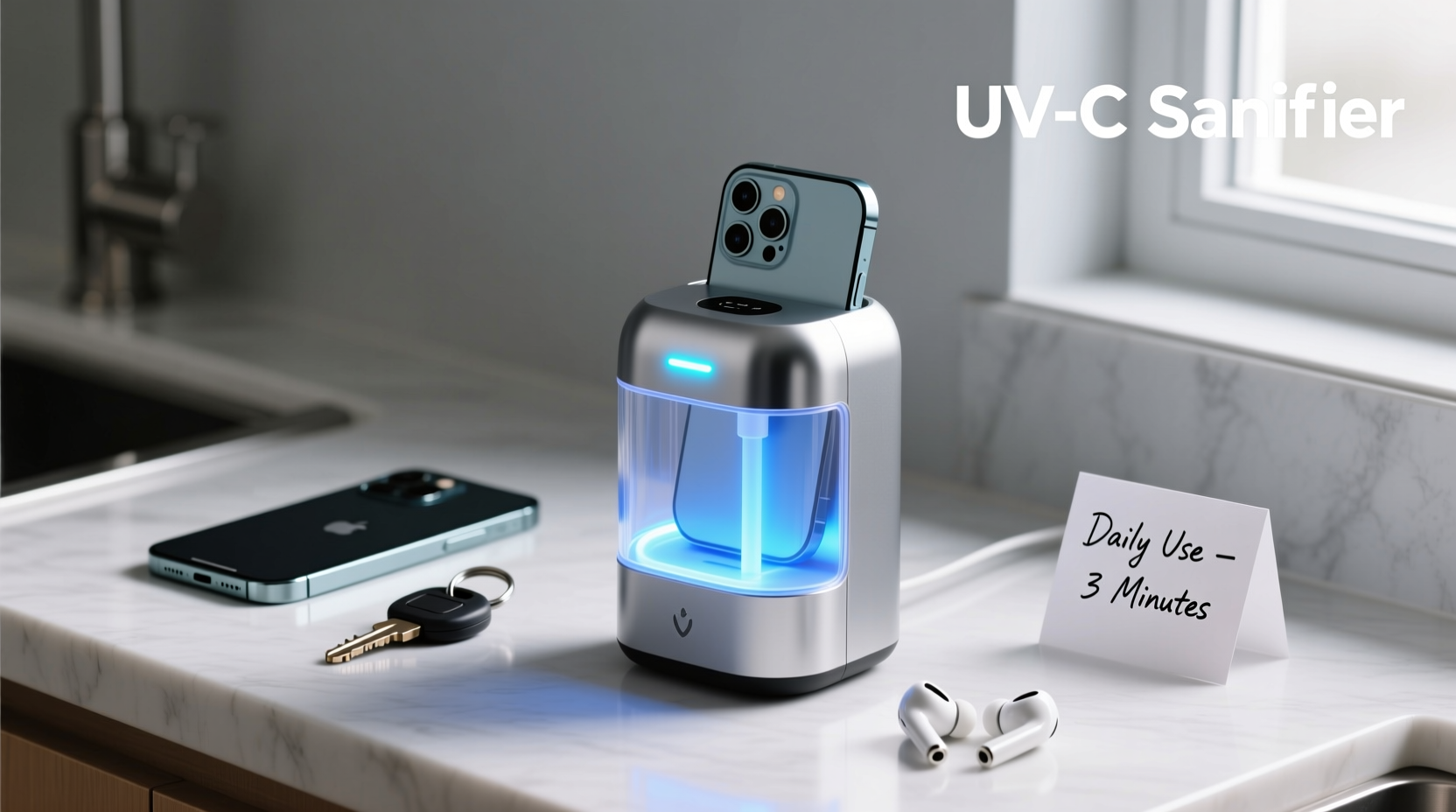
UV-C light operates within a specific wavelength range—typically between 200 and 280 nanometers—that has germicidal properties. When microorganisms such as bacteria, viruses, and molds are exposed to this light, it damages their DNA or RNA, rendering them unable to replicate and effectively killing them.
In hospitals, laboratories, and water treatment facilities, high-intensity UV-C systems have been used for decades to disinfect surfaces, air, and liquids. Portable UV phone sanitizers apply the same principle on a smaller scale. These devices usually consist of a closed chamber lined with UV-C LEDs. You place your phone inside, close the lid, and activate the cycle, which typically lasts from 3 to 10 minutes.
The key advantage of UV-C over chemical cleaners is that it doesn’t leave residue or require physical scrubbing. It also avoids moisture exposure, which is critical for protecting sensitive electronics. However, its effectiveness depends heavily on direct line-of-sight exposure. Shadows, crevices, or uneven surfaces may block the light, leaving some areas untreated.
“UV-C is a proven disinfection method, but consumer devices must deliver sufficient intensity and exposure time to be effective.” — Dr. Lena Patel, Microbiologist and Public Health Researcher
Effectiveness: What UV Sanitizers Can and Cannot Kill
Independent lab tests show that high-quality UV-C devices can eliminate up to 99.9% of common pathogens, including E. coli, Staphylococcus aureus, and influenza viruses. Some models have even been tested against coronaviruses, including SARS-CoV-2, with promising results when proper dosage is applied.
However, not all UV sanitizers are created equal. Many budget models use underpowered LEDs or run cycles too short to deliver a lethal dose of UV radiation. The required dosage—measured in millijoules per square centimeter (mJ/cm²)—varies by pathogen. For example:
| Pathogen | UV Dose Required for 99.9% Inactivation | Typical Cycle Time in Quality Devices |
|---|---|---|
| E. coli | ~6.6 mJ/cm² | 3–5 minutes |
| Influenza A | ~3.4 mJ/cm² | 3 minutes |
| SARS-CoV-2 | ~10–22 mJ/cm² | 5–10 minutes |
| Mold spores | ~50–100+ mJ/cm² | 10+ minutes (rarely achieved) |
While most reputable brands design their cycles to meet or exceed these thresholds, third-party verification is rare. Without access to lab reports or standardized labeling, consumers must rely on brand claims—which aren't always accurate.
Real-World Use: A Mini Case Study
Consider Sarah, a nurse working in an urban hospital. She’s conscious of infection control and carries her phone into patient rooms regularly. Despite wiping it daily with alcohol pads, she noticed persistent smudges and occasional skin irritation on her fingers—possibly from residual chemicals.
She decided to try a mid-range UV sanitizer after reading about reduced chemical exposure. Over six weeks, she used it twice daily—once before her shift and once at night. She reported that her phone felt cleaner, with fewer greasy marks, and the irritation subsided. More importantly, during flu season, she remained illness-free while several colleagues fell sick.
Was it the sanitizer alone? Probably not. But combined with handwashing and mask use, it became part of a layered defense strategy. Her experience reflects a growing trend: UV sanitizers aren’t magic bullets, but they can enhance hygiene when used consistently alongside other practices.
Pros and Cons: Is the Investment Justified?
Before deciding whether to adopt a UV phone sanitizer, weigh the tangible benefits against potential drawbacks.
Advantages
- No chemicals or residue: Ideal for people with sensitive skin or allergies to alcohol-based cleaners.
- Convenience: One-touch operation fits easily into morning or evening routines.
- Protects device longevity: Reduces need for liquid cleaners that can degrade screen coatings over time.
- Multi-use capability: Many models can sanitize earbuds, keys, watches, or credit cards.
- Psychological comfort: Especially valuable during cold and flu seasons or global health concerns.
Limitations
- Shadow effect: Areas blocked by camera bumps, cases, or folds won’t be disinfected.
- Variable quality: Cheap units may emit ineffective wavelengths or insufficient power.
- Plastic degradation: Prolonged UV exposure can yellow transparent phone cases over time.
- Energy use: Adds another small appliance to charge and manage.
- Cost: Prices range from $30 to over $100, with diminishing returns at higher price points.
For frequent travelers, healthcare workers, parents, or immunocompromised individuals, the pros often outweigh the cons. For others, occasional wiping may suffice.
Step-by-Step Guide to Using a UV Sanitizer Effectively
Simply owning a UV sanitizer isn’t enough—you need to use it correctly to get the full benefit. Follow this routine to maximize effectiveness:
- Remove your phone case: Both the phone and case should be sanitized separately, as germs accumulate on both surfaces.
- Wipe off visible grime: UV light works best on clean surfaces. Use a dry or slightly damp microfiber cloth to remove fingerprints and dust.
- Position the phone centrally: Place it screen-down or as directed by the manufacturer to ensure even exposure.
- Close the lid securely: Most devices won’t activate unless sealed, protecting eyes from UV exposure.
- Start the cycle: Wait for the full duration—do not open early, as this interrupts disinfection.
- Retrieve and reassemble: After completion, put the case back on and return the phone to use.
- Clean the chamber monthly: Wipe the interior with a dry cloth to prevent dust buildup that could block UV rays.
For optimal hygiene, repeat this process once or twice daily—especially after high-risk exposures like public transit, restaurants, or medical visits.
What Experts Recommend: Balancing Hype and Reality
While UV technology is scientifically sound, experts caution against overestimating consumer devices. “A UV sanitizer is a supplementary tool, not a replacement for hand hygiene,” says Dr. Raj Mehta, infectious disease specialist. “Your hands are the primary vector for transferring germs to your phone—and back to your face.”
He emphasizes that regular handwashing and avoiding phone use during meals or in restrooms are more impactful than any gadget. Still, he acknowledges that UV devices can reduce bioburden on high-touch items, especially in environments where contamination risk is elevated.
Additionally, researchers at the University of Arizona found that phones cleaned daily had significantly lower microbial loads than those wiped weekly or not at all. The study didn’t isolate UV versus chemical methods but concluded that consistent cleaning—regardless of method—was the determining factor in reducing contamination.
Checklist: Choosing a Reliable UV Phone Sanitizer
With so many options on Amazon and retail shelves, use this checklist to identify trustworthy models:
- ✅ Confirmed UV-C wavelength (265–275 nm)
- ✅ Minimum 5-minute cycle time
- ✅ Reflective interior to enhance exposure
- ✅ Safety shutoff when opened
- ✅ Third-party lab testing mentioned (e.g., “tested to kill 99.9% of germs”)
- ✅ Compact size with room for phone + small accessories
- ❌ Avoid vague terms like “UV light,” “antibacterial light,” or “sterilizing box” without specifics
Brands like PhoneSoap, HoMedics, and Violife have established reputations with published test data. Lesser-known brands may offer lower prices but lack transparency.
Frequently Asked Questions
Can UV phone sanitizers damage my device?
High-quality UV-C exposure over typical cycle lengths does not harm smartphones. The light doesn’t generate significant heat, and modern screens are resistant to UV degradation. However, prolonged or excessive exposure may fade colors on certain plastics or cases over months of use.
Do I still need to wipe my phone if I use a UV sanitizer?
Yes. UV light doesn’t remove dirt, oils, or fingerprints. Physical debris can shield microbes from UV exposure. Wiping with a microfiber cloth before sanitizing ensures maximum effectiveness.
Can UV sanitizers kill COVID-19 on my phone?
Laboratory studies confirm that sufficient doses of UV-C inactivate SARS-CoV-2 on surfaces. Reputable consumer devices designed for 5–10 minute cycles meet this threshold. However, no home device can guarantee 100% elimination due to positioning variables.
Final Verdict: Are They Worth Adding to Your Routine?
UV phone sanitizers aren’t essential for everyone, but they offer measurable benefits for those prioritizing hygiene. If you frequently touch shared surfaces, work in healthcare, travel often, or live with vulnerable individuals, a quality UV sanitizer can be a worthwhile addition to your routine.
It’s not about replacing handwashing or cleaning—it’s about layering protection. Think of it like wearing a seatbelt: it doesn’t prevent every accident, but it significantly reduces risk when used consistently.
The investment ranges from moderate to premium, but a single device can last years with proper care. When paired with mindful habits—like washing hands before eating and avoiding phone use in high-contamination zones—the cumulative effect supports better overall health.




 浙公网安备
33010002000092号
浙公网安备
33010002000092号 浙B2-20120091-4
Comments
No comments yet. Why don't you start the discussion?