
Smartphones are among the most frequently touched objects in daily life—often more than doorknobs, elevator buttons, or handrails. After being carried through public spaces like subways, grocery stores, or gyms, they accumulate bacteria, viruses, and other pathogens. This has led to a surge in popularity for UV phone sanitizers, small devices that claim to eliminate germs using ultraviolet (UV-C) light. But do they actually work? And more importantly, are they worth the investment for everyday users concerned about hygiene?
The short answer is: sometimes. The long answer depends on several factors—how the device works, what kind of germs it targets, how consistently you use it, and whether simpler alternatives offer similar protection at lower cost.
How UV Phone Sanitizers Work
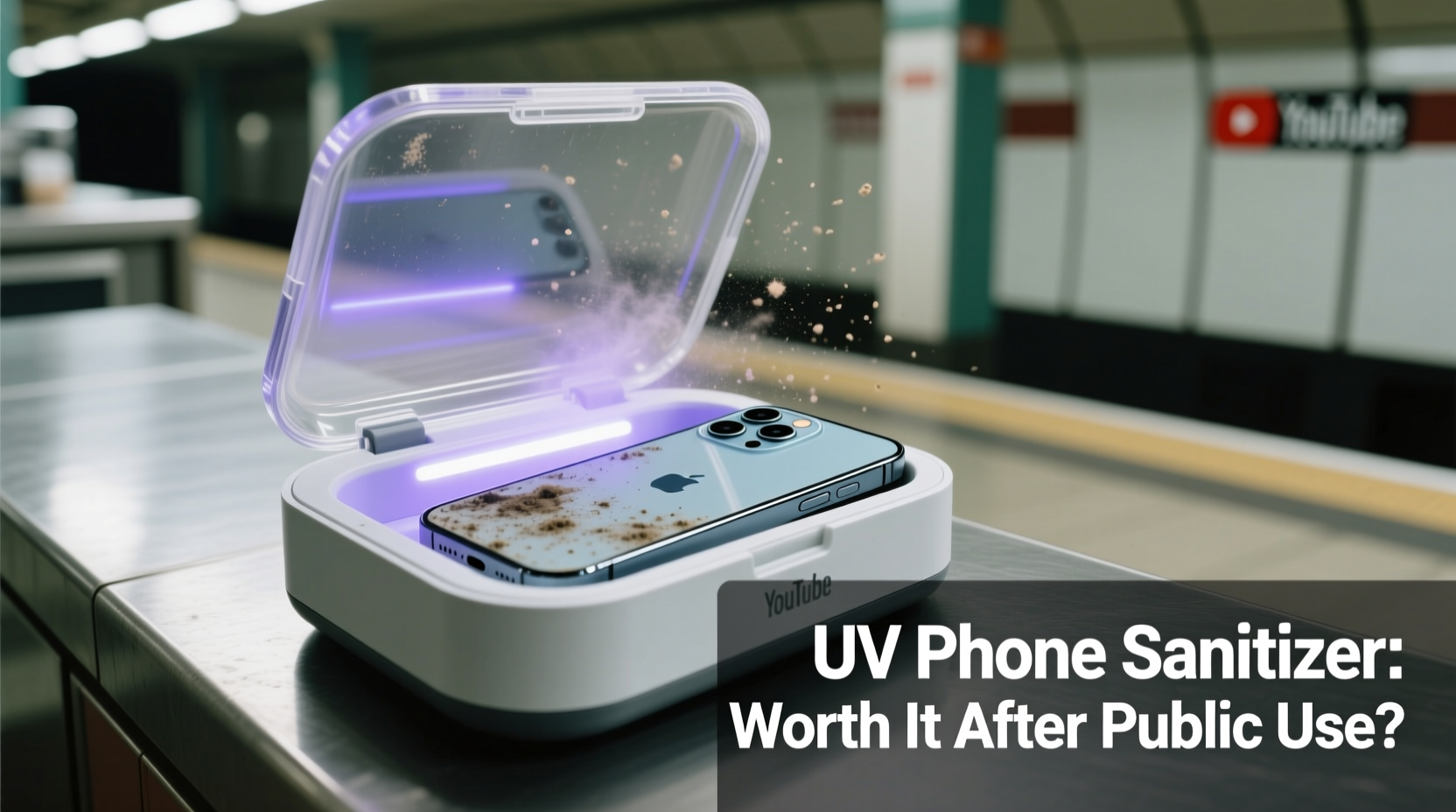
UV phone sanitizers rely on short-wavelength ultraviolet light, specifically UV-C radiation, which has germicidal properties. At wavelengths between 200 and 280 nanometers, UV-C disrupts the DNA and RNA of microorganisms, rendering them unable to replicate and effectively killing or deactivating them.
These sanitizers typically come in two forms:
- Enclosed boxes – where you place your phone inside for a cycle lasting 3–10 minutes.
- Portable wands – handheld UV-C emitters that you manually wave over surfaces, including phones.
While both aim to sanitize, enclosed models generally offer more consistent exposure because they position the light source evenly around the device. Wands require careful manual operation to ensure full coverage and sufficient dwell time on each area.
It’s important to note that not all “UV” lights are effective. Some consumer products emit only UV-A or weak UV-B, which lack germicidal power. True sanitization requires verified UV-C output at appropriate intensity and duration.
“UV-C light is a proven disinfectant used in hospitals and labs, but consumer devices vary widely in quality and performance.” — Dr. Lena Park, Microbiologist and Public Health Researcher
What Germs Can UV-C Actually Kill?
Studies have shown that properly calibrated UV-C light can reduce or eliminate common pathogens found on phones, including:
- Staphylococcus aureus (including MRSA)
- Escherichia coli (E. coli)
- Influenza virus
- Rhinovirus (common cold)
- SARS-CoV-2 (the virus causing COVID-19)
A 2021 study published in *The American Journal of Infection Control* tested various UV-C devices on smartphones contaminated with known bacterial loads. Devices delivering at least 5 mJ/cm² of UV-C energy achieved over 99% reduction in surface microbes after a 5-minute cycle.
However, effectiveness drops significantly when shadows, crevices, or uneven surfaces block direct exposure. Cases, camera bumps, charging ports, and screen protectors can shield areas from full irradiation, leaving potential contamination behind.
Comparing UV Sanitizers vs. Traditional Cleaning Methods
Before investing in a UV sanitizer, consider how it stacks up against conventional cleaning approaches. Here's a comparison of methods based on effectiveness, convenience, safety, and cost:
| Method | Effectiveness | Ease of Use | Safety | Cost (Long-Term) |
|---|---|---|---|---|
| UV-C Sanitizer (Box Type) | High (if properly designed) | Very Easy | Safe if sealed; avoid eye/skin exposure | $$ (One-time purchase $40–$100) |
| UV Wand | Moderate (user-dependent) | Requires attention | Risk of skin/eye exposure | $–$$ ($20–$80) |
| 70% Isopropyl Alcohol Wipes | High | Easy | Safe if used correctly; avoid excess moisture | $ (Refills ~$5/month) |
| Soap and Water (Damp Cloth) | Moderate | Easy | Risk of water damage if misused | $ |
| No Cleaning | None | N/A | Unhygienic | Free |
As the table shows, alcohol wipes remain one of the most effective and affordable options. Apple and Samsung both recommend using a 70% isopropyl alcohol wipe or Clorox Disinfecting Wipe to clean the exterior surfaces of phones—just avoid openings like speakers and ports.
Real-World Example: Commuter Hygiene Habits
Consider Sarah, a nurse who commutes daily via subway in a major city. She touches turnstiles, railings, and shared seating before arriving at work. Her phone goes into her pocket during transit and comes out frequently throughout the day. Concerned about cross-contamination, she initially bought a UV phone sanitizer box for $75.
After three weeks, she noticed inconsistent results—her phone still felt greasy, and smudges remained untouched by UV light. She realized UV doesn’t remove physical grime, only kills microbes under ideal conditions. She began combining weekly alcohol wipe cleaning with nightly UV cycles. This hybrid approach improved cleanliness and gave her greater peace of mind.
Sarah’s experience reflects a growing trend: UV sanitizers work best as part of a broader hygiene routine, not as standalone solutions.
When UV Sanitizers Are Worth It
Despite limitations, there are clear scenarios where UV phone sanitizers provide tangible benefits:
- High-risk environments: Healthcare workers, daycare staff, or those with compromised immune systems may benefit from added disinfection layers.
- Frequent travelers: Airports, rental cars, and hotel rooms expose phones to unfamiliar microbial environments.
- Shared devices: Families or workplaces sharing tablets or phones can reduce transmission risk with regular UV treatment.
- Complementing physical cleaning: UV can reach places wipes might miss, such as tiny crevices, without moisture exposure.
Additionally, some UV boxes double as wireless chargers, offering dual functionality. Models with built-in fans also help dry out moisture if you occasionally use damp wipes beforehand.
When They’re Not Worth It
For many average users, the marginal benefit doesn’t justify the cost. If you already clean your phone weekly with alcohol wipes, wash your hands regularly, and avoid using your phone in high-contamination zones (like restrooms), a UV sanitizer adds little extra protection.
Moreover, low-quality or counterfeit UV devices flood online marketplaces. Many fail to deliver sufficient UV-C dosage or lack safety certifications. Without third-party testing data, consumers can't verify claims.
Step-by-Step Guide: Maximizing Phone Hygiene
Whether or not you own a UV sanitizer, follow this practical routine to keep your phone truly clean:
- Power off your phone (optional but recommended to prevent overheating during UV exposure).
- Remove the case and set it aside—clean both separately.
- Wipe down with 70% isopropyl alcohol using a soft, lint-free cloth. Gently clean screen, frame, buttons, and back.
- Dry thoroughly before proceeding to UV treatment or reassembly.
- Place phone and case inside UV sanitizer, ensuring no overlapping parts block light.
- Run full cycle (typically 5–10 minutes depending on model).
- Let cool briefly if the device generates heat, then reassemble.
- Wash hands after handling cleaned items to avoid immediate recontamination.
This eight-step process ensures both physical debris and biological contaminants are addressed.
Checklist: Choosing a Reliable UV Sanitizer
Before purchasing, ask these key questions:
- ✅ Does it specify UV-C wavelength (ideally 265–280 nm)?
- ✅ Is it FDA-registered or independently tested?
- ✅ What is the disinfection cycle time?
- ✅ Does it have safety features (auto shutoff, sealed chamber)?
- ✅ Can it accommodate your phone size and case?
- ✅ Does it combine charging or other useful functions?
- ✅ Are replacement lamps or parts available?
If a product lacks clear answers to these, reconsider the purchase.
FAQ: Common Questions About UV Phone Sanitizers
Can UV-C damage my phone?
Prolonged or intense UV exposure can degrade plastics and yellow screen protectors over time, much like sunlight fades car interiors. However, typical sanitizing cycles (under 10 minutes) pose minimal risk. Most modern phones already face UV exposure outdoors, so occasional use is unlikely to cause harm.
Do UV sanitizers kill 100% of germs?
No method achieves 100% elimination. Even medical-grade UV systems achieve 99.9% reduction under controlled conditions. Shadows, dirt, and organic matter reduce efficacy. Think of UV as reducing risk, not eliminating it entirely.
Can I use a UV sanitizer instead of washing my hands?
No. Handwashing remains the single most effective way to prevent illness. A clean phone won’t help if your hands are dirty. UV sanitizers should complement—not replace—basic hygiene practices.
Final Verdict: Are They Worth It?
UV phone sanitizers can be a worthwhile addition for certain users—especially those in high-exposure professions, frequent travelers, or individuals seeking extra reassurance. When paired with regular wiping, they offer an additional layer of protection against harmful microbes.
But for the average person who cleans their phone occasionally and maintains good hand hygiene, a UV sanitizer is more of a convenience than a necessity. The same level of protection can often be achieved with a $5 pack of alcohol wipes and disciplined habits.
The decision ultimately hinges on personal risk tolerance, lifestyle, and budget. If you choose to buy one, invest in a reputable, well-tested model—not the cheapest option on an e-commerce site. Prioritize safety, transparency, and proven performance.
“We tend to overestimate new technologies while underestimating simple behaviors. Washing hands and cleaning surfaces with alcohol remain our strongest defenses.” — Dr. Rajiv Mehta, Infectious Disease Specialist
Take Action Today
Your phone doesn’t need to be sterile—but it shouldn’t be a petri dish either. Start with what’s proven: clean your phone at least once a week with an approved disinfectant wipe. Wash your hands before eating or touching your face. Keep your case removable and easy to clean.
If you decide to explore UV sanitizing, treat it as a supplementary tool, not a magic solution. Combine technology with habit, and you’ll create a far more resilient defense against germs than any gadget alone can offer.




 浙公网安备
33010002000092号
浙公网安备
33010002000092号 浙B2-20120091-4
Comments
No comments yet. Why don't you start the discussion?