
Velvet has made a bold comeback in interior design, prized for its rich texture, depth of color, and luxurious sheen. It’s not uncommon to see emerald green or deep navy velvet sectionals anchoring modern living rooms. But when you share your home with pets—especially dogs and cats with shedding coats or muddy paws—the question arises: Is a velvet sofa a stylish statement or a long-term maintenance disaster?
The answer isn’t a simple yes or no. Velvet can be practical in pet-friendly homes, but only under the right conditions. The type of velvet, how it's maintained, and your household’s daily routines all play crucial roles. Let’s explore the realities of owning a velvet sofa with pets, separating myth from fact.
Understanding Modern Velvet: Not All Fabrics Are Created Equal
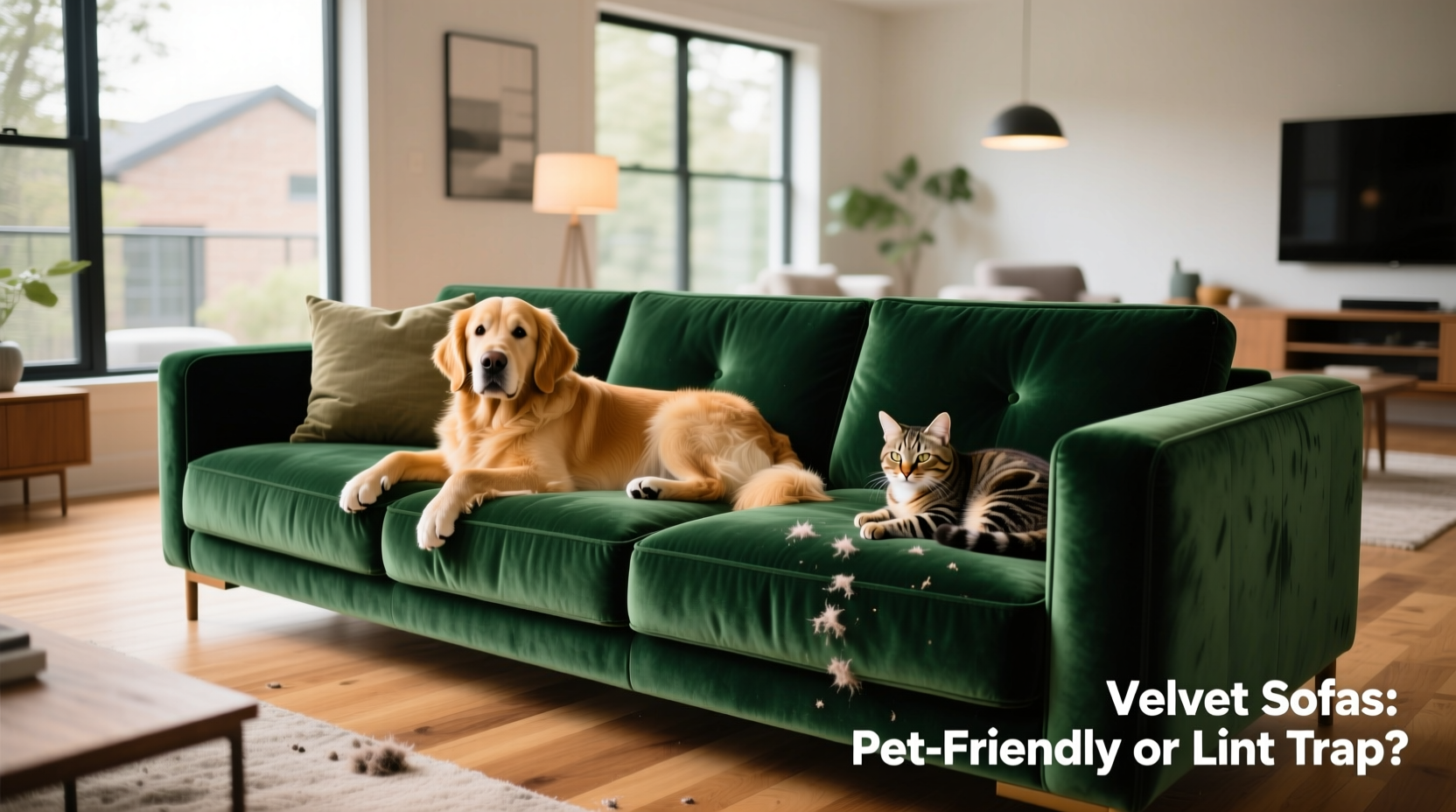
Gone are the days when velvet meant delicate silk reserved for formal parlors. Today’s velvet sofas are typically upholstered in synthetic or blended fabrics—polyester, cotton-poly blends, or even performance-grade microfiber—engineered for durability and easier care. These modern materials retain the plush look of traditional velvet while offering better resistance to wear, stains, and pilling.
Synthetic velvets, especially those labeled as “crushed” or “panne,” often have a tighter weave and a flatter pile, making them less prone to showing paw prints, fur, or vacuum marks. They’re also more likely to be treated with stain-resistant finishes, which is essential in homes where spills, tracked-in dirt, or occasional accidents happen.
“Modern performance velvets are light-years ahead of their predecessors. Many are designed specifically for high-traffic areas and family homes.” — Laura Bennett, Interior Textile Consultant
The Pet Owner’s Dilemma: Pros and Cons of Velvet Sofas
No fabric is perfect, especially when tested by enthusiastic tail wags or curious claws. Here’s a balanced look at what velvet brings to the table—and where it might fall short.
Advantages of Velvet in Pet-Friendly Homes
- Luxurious appearance that hides minor scuffs: Unlike leather or tightly woven linens, velvet doesn’t show fine scratches as easily. Light surface abrasions from claws often blend into the nap rather than standing out.
- Soft texture pets may enjoy: Many animals prefer soft surfaces for lounging. A velvet sofa might become a favorite nap spot, reducing wear on harder furniture.
- Color depth masks some messes: Darker velvet tones (navy, charcoal, forest green) hide hair, dust, and small spills better than lighter fabrics like beige microfiber.
- Less reflective than leather or vinyl: Doesn’t show paw smudges or oily nose prints as prominently.
Challenges to Consider
- Fur magnet: The nap of velvet attracts pet hair like a lint roller. Daily vacuuming or frequent brushing may be necessary to keep it looking clean.
- Moisture sensitivity: While many modern velvets are treated, untreated versions can water-spot easily. Accidents or spilled drinks require immediate attention.
- Pilling from friction: If a dog frequently jumps on and off the sofa, repeated rubbing can cause pilling or flattening in high-contact zones like armrests.
- Vacuum marks: Using the wrong attachment or excessive suction can leave visible tracks in the pile. Always use a soft brush roll or upholstery nozzle.
Real-Life Test: One Family’s Experience with a Velvet Sofa and Two Dogs
The Thompsons moved into a new home last year and chose a deep plum velvet sectional for their open-concept living space. They own two medium-sized rescue dogs—a Labrador mix and a terrier—both moderate shedders with muddy tendencies after rain.
Within the first month, they noticed pet hair clung heavily to the fabric, especially on the cushions. However, they were surprised by how well the sofa handled muddy paws. After wiping with a damp cloth, no staining occurred. The key, they learned, was consistency. They began using a handheld lint roller daily and vacuumed the sofa weekly with an upholstery attachment.
After eight months, the sofa shows minimal wear. There’s slight flattening on one armrest where the terrier likes to rest his head, but overall, it remains presentable. “We love how it looks,” says Sarah Thompson. “It feels expensive, and honestly, it’s held up better than our old microfiber couch, which trapped odors and showed every scratch.”
Their takeaway? Velvet isn’t low-maintenance, but it’s manageable with routine care and realistic expectations.
Choosing the Right Velvet: A Buyer’s Checklist
If you're considering a velvet sofa for a pet-inhabited home, use this checklist to guide your decision:
- ✅ Look for \"performance fabric\" or \"pet-friendly\" labeling
- ✅ Opt for synthetic fibers (polyester, acrylic, or poly-cotton blends)
- ✅ Select a tight weave or crushed finish for durability
- ✅ Choose darker, deeper colors or textured weaves to camouflage hair and debris
- ✅ Test the fabric: Rub it firmly with your palm—does it pill or flatten easily?
- ✅ Ask about stain-resistant treatments or cleanability ratings (e.g., 50,000 double rubs)
- ❌ Avoid silk or rayon velvet—they’re too delicate for active households
- ❌ Steer clear of ultra-long pile or loose weaves
Maintenance Guide: How to Keep Your Velvet Sofa Looking Fresh
Velvet demands consistent upkeep, especially with pets around. Follow this step-by-step care plan to preserve both appearance and longevity.
- Daily: Use a lint roller or sticky roller to remove pet hair and surface dust. Focus on seat cushions and backrests.
- Weekly: Vacuum with an upholstery attachment on low suction. Move in the direction of the pile to avoid distortion.
- Spot Cleaning: Blot spills immediately with a clean, dry cloth. Use a mild detergent mixed with water and a soft sponge. Never saturate the fabric.
- Deep Clean Every 3–6 Months: Use a fabric-safe steam cleaner or hire a professional upholstery cleaner. Always test in an inconspicuous area first.
- Fluff and Rotate: Gently brush the fabric with a soft clothes brush or velvet comb to lift the pile. Rotate cushions monthly to distribute wear.
Comparison: Velvet vs. Other Pet-Friendly Fabrics
| Fabric Type | Pet Hair Resistance | Stain Resistance | Durability | Maintenance Level |
|---|---|---|---|---|
| Modern Velvet (Polyester) | Low – attracts hair | High (if treated) | Medium-High | High – requires regular grooming |
| Microfiber / Performance Fabric | High – repels hair | Very High | Very High | Low – easy wipe-clean |
| Leather / Faux Leather | Medium – shows hair but wipes clean | High | High | Medium – needs conditioning |
| Cotton Linen Blend | Medium – traps hair in weave | Low-Medium | Medium | Medium – prone to wrinkling and soiling |
| Olefin (Indoor-Outdoor Fabric) | High | Very High | High | Low |
While microfiber and olefin win for lowest maintenance, velvet stands out for aesthetic appeal. If design is a priority and you’re willing to invest time in upkeep, it remains a viable option.
Frequently Asked Questions
Can I machine-wash velvet cushion covers?
Only if the manufacturer explicitly states it’s safe. Most velvet upholstery should not be machine-washed, as agitation can damage the pile or cause shrinkage. Always check care labels and opt for professional cleaning when in doubt.
Will my cat ruin a velvet sofa by scratching?
Velvet is generally more resistant to snagging than looser weaves like tweed or boucle, but it’s not scratch-proof. Cats with strong scratching habits may still pull threads over time. Provide alternative scratching posts and trim nails regularly to minimize risk.
How do I remove pet odors from a velvet sofa?
First, sprinkle baking soda generously and let sit for 2–3 hours before vacuuming. For lingering smells, use an enzyme-based fabric deodorizer designed for pet odors. Avoid sprays with heavy fragrances, as they can leave residues that attract more dirt.
Final Verdict: Practical or Problematic?
Velvet sofas aren’t inherently impractical for homes with pets—but they aren’t low-effort either. They demand a proactive approach to cleaning and a willingness to accept some trade-offs. If you value elegance and tactile richness and are prepared to maintain your furniture diligently, a quality performance velvet sofa can thrive in a pet-friendly environment.
The key is selecting the right variant: avoid natural fiber velvets and prioritize synthetic, tightly woven, and preferably stain-treated options. Pair smart material choices with consistent care, and you can enjoy the opulent look of velvet without constant frustration.
For families who want both style and function, velvet sits in the middle ground—not the easiest, but far from the worst choice. With the right mindset and routine, it’s entirely possible to have a beautiful living room that both you and your pets can enjoy.




 浙公网安备
33010002000092号
浙公网安备
33010002000092号 浙B2-20120091-4
Comments
No comments yet. Why don't you start the discussion?