
Insomnia affects millions of people worldwide, disrupting sleep patterns, impairing daytime function, and contributing to long-term health risks such as cardiovascular disease and depression. As more individuals seek non-pharmacological solutions, weighted blankets have gained popularity as a potential tool for improving sleep quality. But beyond anecdotal praise and marketing claims, what does the scientific evidence actually say? Is there credible research supporting the use of weighted blankets for reducing insomnia symptoms?
This article examines peer-reviewed studies, explores the physiological mechanisms behind deep pressure stimulation, evaluates limitations in current research, and offers practical guidance for those considering this intervention.
How Weighted Blankets Work: The Science of Deep Pressure Stimulation
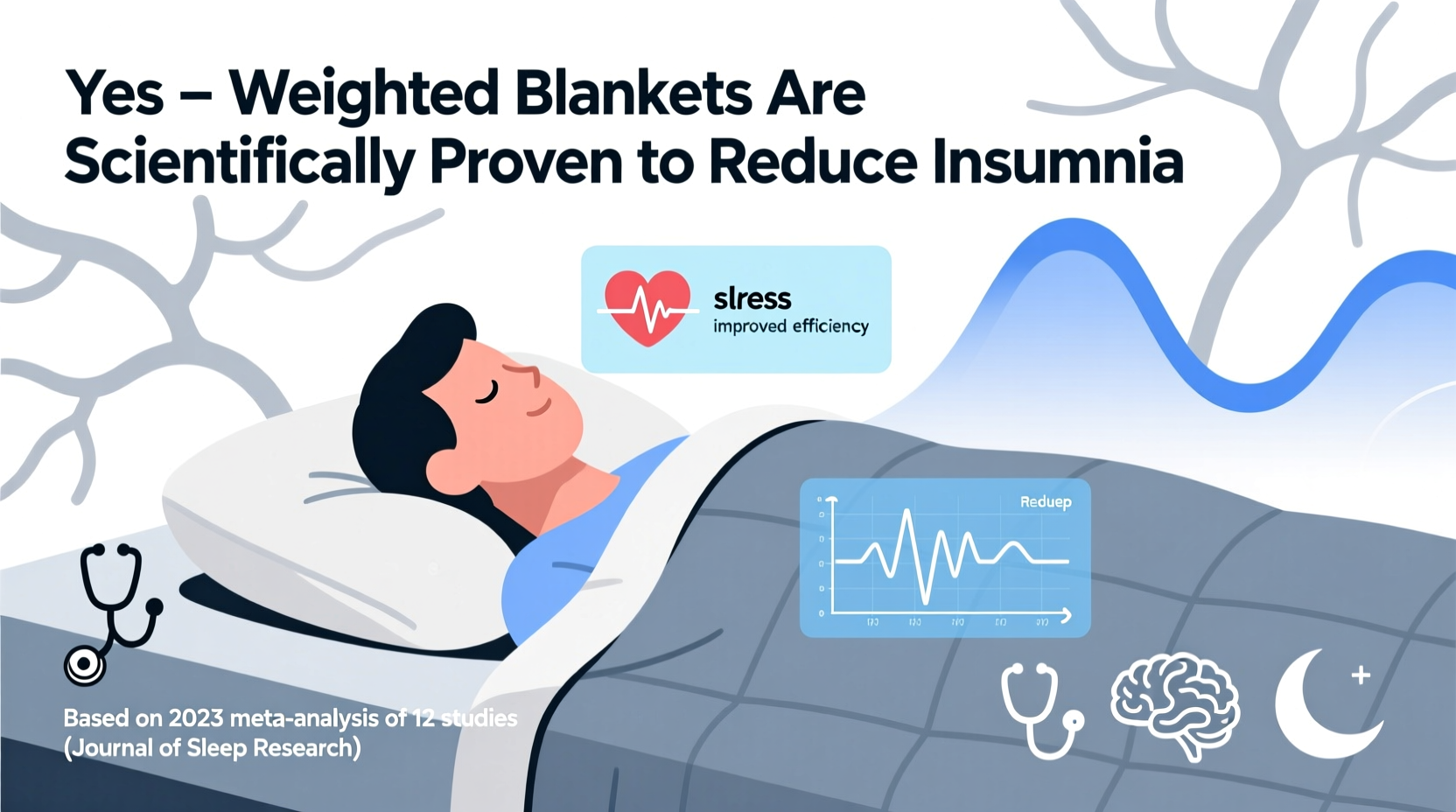
The therapeutic foundation of weighted blankets lies in deep pressure stimulation (DPS), a form of tactile input that applies gentle, distributed pressure across the body. DPS is believed to influence the autonomic nervous system by promoting parasympathetic activity—the \"rest and digest\" state—while dampening sympathetic arousal associated with stress and hyperarousal in insomnia.
When pressure is applied evenly over large areas of the skin, mechanoreceptors send signals to the brain that can modulate neurotransmitter release. Studies suggest this process may increase serotonin and dopamine levels while reducing cortisol, the primary stress hormone. Serotonin, in particular, serves as a precursor to melatonin, the hormone regulating sleep-wake cycles. This neurochemical cascade may help prepare the body for sleep onset and improve sleep continuity.
“Deep pressure stimulation has been shown in controlled settings to reduce anxiety and promote relaxation, which are critical components in managing chronic insomnia.” — Dr. Laura Buxton, Sleep Neurologist, Harvard Medical School
Weighted blankets typically range from 5 to 30 pounds, with most manufacturers recommending a weight approximately 10% of the user’s body weight. The even distribution of glass or plastic microbeads throughout the blanket ensures consistent pressure without restricting movement.
Clinical Evidence: What Peer-Reviewed Studies Reveal
Several randomized controlled trials (RCTs) and observational studies have investigated the effects of weighted blankets on sleep outcomes, particularly in populations with insomnia, anxiety, or comorbid psychiatric conditions.
A pivotal 2020 study published in JAMA Psychiatry examined 120 adults diagnosed with moderate to severe insomnia. Participants were assigned to either a weighted blanket group (using a 7–12 kg blanket) or a control group using a light blanket (1.5 kg). After four weeks, the weighted blanket group showed statistically significant improvements:
- Reduced time to fall asleep by an average of 20 minutes
- Increased total sleep time by 32 minutes per night
- Lower self-reported insomnia severity scores (ISI)
- Improved sleep efficiency (time spent asleep vs. time in bed)
Another double-blind RCT conducted in Sweden in 2015 focused on patients with anxiety disorders and comorbid insomnia. Results indicated that 60% of participants using a weighted blanket reported reduced nighttime awakenings and improved subjective sleep quality compared to 42% in the control group. Notably, actigraphy data confirmed fewer nocturnal movements in the treatment group.
A 2022 meta-analysis reviewing seven clinical trials concluded that weighted blankets produced small-to-moderate effect sizes in improving sleep onset latency and overall sleep quality, particularly among individuals with elevated baseline anxiety levels. However, the authors noted heterogeneity in study designs and called for larger, longer-term trials.
Who Benefits Most? Identifying Effective Use Cases
While not universally effective, certain groups appear to benefit more from weighted blanket therapy based on clinical findings:
- Individuals with anxiety-related insomnia: Those whose sleep difficulties stem from rumination, hyperarousal, or generalized anxiety show the most consistent improvements.
- People with sensory processing differences: Some adults with autism spectrum disorder (ASD) or attention-deficit/hyperactivity disorder (ADHD) report enhanced sleep regulation due to the calming sensory input.
- Older adults with mild insomnia: In low-risk populations, weighted blankets offer a drug-free alternative to sedatives, which carry higher risks in aging individuals.
However, benefits are less pronounced in cases of primary insomnia unrelated to stress or neurological sensitivity. Additionally, individuals with respiratory conditions, circulatory issues, or mobility limitations should consult a physician before use, as excessive weight could exacerbate underlying conditions.
Mini Case Study: Managing Chronic Insomnia Without Medication
Sarah, a 43-year-old graphic designer, struggled with chronic insomnia for over five years. Despite trying cognitive behavioral therapy for insomnia (CBT-I) and short-term melatonin supplementation, she continued experiencing delayed sleep onset and frequent awakenings. Her sleep diary revealed high pre-sleep anxiety and difficulty “shutting off” mentally.
After reading about deep pressure stimulation, Sarah purchased a 15-pound (6.8 kg) weighted blanket—approximately 10% of her body weight. She began using it nightly, incorporating it into a wind-down routine that included dim lighting and no screens after 9 PM.
Within two weeks, she noticed a reduction in racing thoughts at bedtime. By week four, her average sleep onset time decreased from 68 to 35 minutes, and she reported feeling more refreshed upon waking. A follow-up sleep tracker analysis confirmed increased REM sleep duration and fewer awakenings. While not a standalone cure, the blanket became a key component of her sustainable sleep hygiene strategy.
Limitations and Considerations in Current Research
Despite promising results, several limitations temper the strength of current conclusions:
- Small sample sizes: Many studies include fewer than 100 participants, limiting statistical power.
- Short duration: Most trials last between two to six weeks, offering little insight into long-term efficacy or habituation effects.
- Subjective measures: Heavy reliance on self-reported sleep quality rather than objective polysomnography (PSG) data.
- Placebo effect: The tactile novelty and psychological expectation of improvement may contribute to perceived benefits.
Moreover, commercial interests often fund research, raising concerns about bias. Independent replication of findings remains limited. While actigraphy and heart rate variability (HRV) monitoring provide some objective validation, comprehensive PSG studies comparing weighted blankets to established treatments like CBT-I are still lacking.
Additionally, individual variability plays a major role. Factors such as optimal weight, fabric type, ambient temperature, and personal comfort preferences influence adherence and outcomes. Some users discontinue use due to overheating—a known drawback of many models constructed with synthetic materials.
Do’s and Don’ts When Using a Weighted Blanket for Insomnia
| Do | Don't |
|---|---|
| Choose a blanket weighing ~10% of your body weight | Select a blanket that feels too heavy or restrictive |
| Use breathable, natural fabrics like cotton or bamboo | Use on infants or children under 2 years old |
| Combine with good sleep hygiene practices | Replace medical treatment without consulting a doctor |
| Start with shorter durations (e.g., 30 minutes) | Use if you have sleep apnea or severe respiratory issues |
| Wash according to manufacturer instructions | Leave it on pets or others who cannot remove it independently |
Practical Guide: How to Use a Weighted Blanket Effectively
To maximize the potential benefits of a weighted blanket for insomnia, follow this step-by-step approach:
- Assess suitability: Consult your healthcare provider if you have respiratory, circulatory, or musculoskeletal conditions.
- Select the right weight: Aim for 10% of your body weight, plus or minus one or two pounds for comfort.
- Choose breathable materials: Opt for dual-layer designs with cotton outer covers to minimize heat retention.
- Integrate into a bedtime routine: Begin using the blanket during quiet activities like reading or meditation 30–60 minutes before bed.
- Monitor response: Track sleep onset, awakenings, and morning alertness for at least two weeks using a journal or app.
- Evaluate and adjust: If discomfort or disrupted sleep occurs, consider a lighter model or discontinue use.
- Combine with evidence-based strategies: Pair the blanket with CBT-I techniques such as stimulus control and sleep restriction for synergistic effects.
Checklist: Preparing to Try a Weighted Blanket
- ☐ Confirmed no contraindications with my doctor
- ☐ Selected a blanket at ~10% of my body weight
- ☐ Chose a machine-washable, hypoallergenic cover
- ☐ Committed to a trial period of at least 3–4 weeks
- ☐ Set up a cool, dark sleeping environment
- ☐ Discontinued screen use one hour before bed
- ☐ Established a consistent sleep schedule
Frequently Asked Questions
Can a weighted blanket replace sleep medication?
No single intervention should replace prescribed treatment without medical supervision. However, weighted blankets may serve as a complementary or alternative option for individuals seeking non-drug approaches. Some users successfully reduce reliance on sleep aids when combining weighted blankets with cognitive behavioral therapy and lifestyle changes.
Are weighted blankets safe for everyone?
No. They are not recommended for infants, toddlers, or individuals with obstructive sleep apnea, chronic respiratory conditions, or paralysis. Older adults should consult a physician before use, especially if mobility is impaired. Always ensure the user can independently remove the blanket.
How long does it take to see results?
Responses vary. Some people notice improvements within a few nights, while others require two to three weeks of consistent use. Patience and integration into broader sleep hygiene practices enhance the likelihood of success.
Conclusion: A Promising Tool Within a Broader Strategy
The scientific evidence suggests that weighted blankets can be an effective aid in reducing symptoms of insomnia, particularly for individuals whose sleep challenges are intertwined with anxiety or sensory dysregulation. Clinical studies support modest but meaningful improvements in sleep onset, duration, and quality, grounded in the neurobiological principles of deep pressure stimulation.
However, they are not a universal solution. Their effectiveness depends on proper selection, realistic expectations, and integration into a holistic sleep improvement plan. Used wisely, they represent a safe, non-invasive addition to the growing toolkit of evidence-based sleep interventions.




 浙公网安备
33010002000092号
浙公网安备
33010002000092号 浙B2-20120091-4
Comments
No comments yet. Why don't you start the discussion?