
When it comes to preserving the beauty and integrity of delicate ornaments—whether heirloom glass baubles, vintage porcelain figurines, or hand-carved trinkets—storage isn't just about space. It's about safety, climate stability, and long-term preservation. Many collectors and homeowners face a critical decision: should they use traditional wooden crates or modern plastic storage bins? Each option has strengths, but the choice depends heavily on the type of ornament, environmental conditions, and how often items are accessed. This guide examines both solutions in depth, helping you make an informed, lasting decision.
Understanding the Risks to Delicate Ornaments
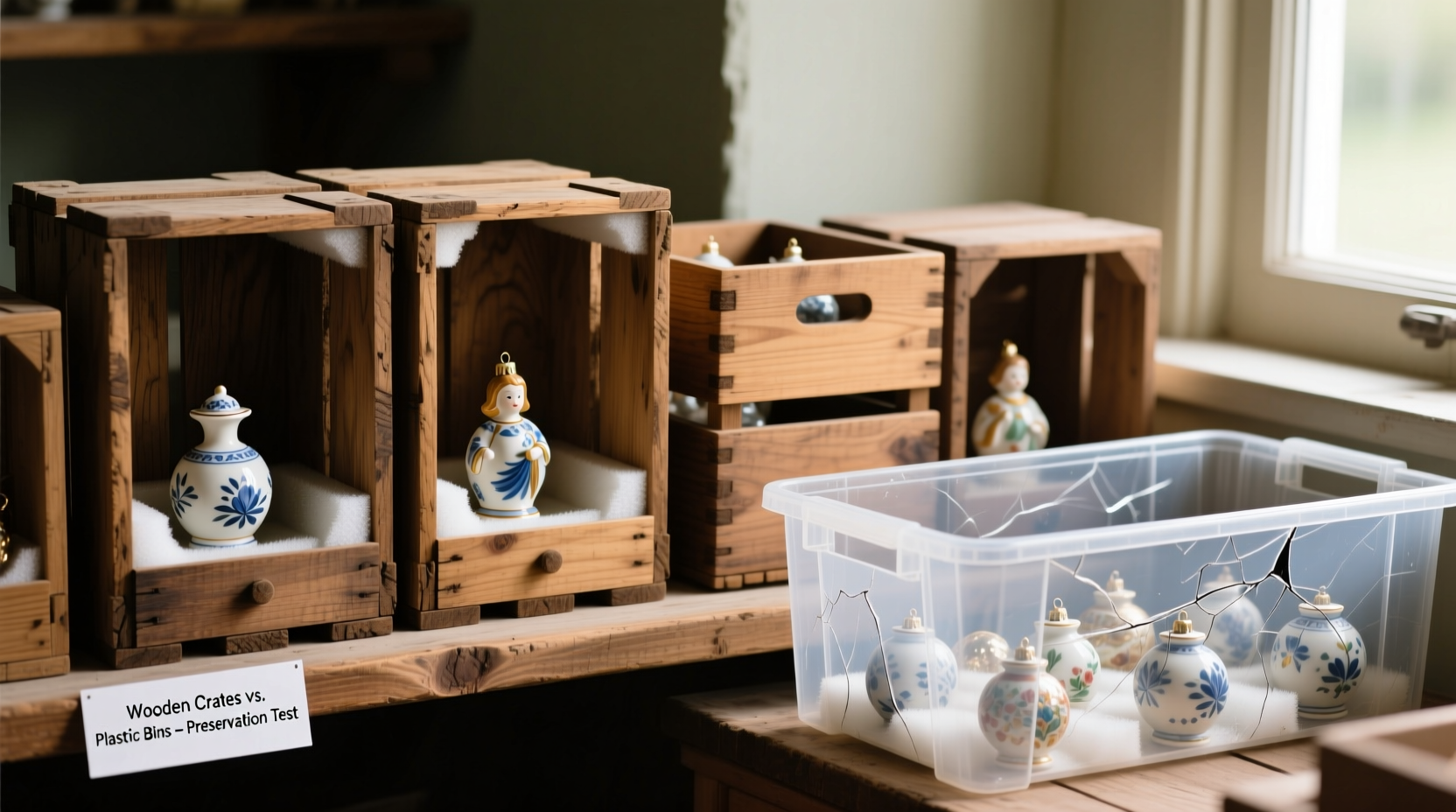
Delicate ornaments are vulnerable to more than just physical impact. Even minor fluctuations in temperature, humidity, or air quality can degrade materials over time. Glass may develop \"crizzling,\" porcelain can crack under stress, and wood-based pieces may warp or attract pests. The right storage container must mitigate these risks while offering practical access and structural support.
Plastic bins have become popular due to their affordability, stackability, and moisture resistance. Wooden crates, by contrast, offer natural breathability and superior shock absorption but require more maintenance. Understanding the specific vulnerabilities of your ornaments is the first step toward choosing the right storage method.
Material Comparison: Wood vs. Plastic
The core difference between wooden crates and plastic bins lies in their material properties. These differences affect durability, insulation, weight capacity, and interaction with stored items.
| Feature | Wooden Crates | Plastic Bins |
|---|---|---|
| Impact Resistance | High (natural shock absorption) | Moderate (rigid, may transfer impact) |
| Moisture Protection | Low to moderate (unless sealed) | High (fully waterproof) |
| Breathability | Excellent (allows air circulation) | Poor (traps moisture if sealed) |
| Durability | Long-lasting with proper care | Prone to cracking in cold temps |
| Pest Resistance | Low (attracts insects if untreated) | High (inert material) |
| Aesthetic Appeal | High (can double as display) | Low (utilitarian look) |
While plastic excels in moisture resistance, its impermeability can backfire. Sealed plastic bins trap ambient humidity, creating microclimates that encourage mold growth on organic materials like fabric, paper, or unglazed ceramics. Wood, especially kiln-dried hardwoods like maple or birch, naturally regulates moisture through microscopic pores, reducing condensation risk.
“Materials matter deeply in archival storage. Breathable containers like properly finished wood reduce off-gassing and moisture buildup, which are silent killers of fragile collectibles.” — Dr. Lena Pruitt, Conservator at the National Museum of Decorative Arts
Structural Design and Protection Features
Protection isn’t just about the container’s material—it’s also about design. Wooden crates traditionally feature reinforced corners, dovetail joints, and removable lids, allowing for custom padding and modular stacking. Many antique crates were built specifically for transporting fragile cargo across continents, a testament to their resilience.
Plastic bins, while standardized, often lack internal customization. Most come with flat, hard interiors that increase the risk of scratching or chipping during movement. However, some premium bins now include foam inserts or adjustable dividers, narrowing the gap in functionality.
For maximum protection, consider hybrid approaches: using wooden crates lined with closed-cell foam or felt, or placing padded plastic bins inside wooden outer shells. This combines the best of both worlds—structural rigidity from wood and internal cushioning from modern materials.
Step-by-Step: Building a Protective Storage System
- Assess your collection: Group ornaments by material (glass, ceramic, metal, etc.) and fragility level.
- Choose the base container: Use wooden crates for long-term storage in climate-stable areas; reserve plastic bins for damp environments like basements.
- Add internal cushioning: Line the bottom and sides with acid-free paper, bubble wrap, or non-adhesive foam sheets.
- Wrap each ornament individually: Use tissue paper followed by soft cloth bags for extra protection.
- Label and organize: Mark crates clearly and store vertically when possible to avoid pressure on lower layers.
- Monitor conditions: Check every 3–6 months for signs of moisture, pests, or deterioration.
Real-World Example: A Collector’s Dilemma
Sarah Mitchell, a vintage Christmas ornament collector from Vermont, faced a crisis after her basement flooded in 2022. She had stored decades of hand-blown German glass ornaments in clear plastic bins, believing they were safe from moisture. While the bins didn’t leak, trapped humidity inside caused oxidation on metallic finishes, and several ornaments developed fine cracks from thermal stress during seasonal transitions.
After consulting a local museum conservator, Sarah transferred her collection to custom-built pine crates lined with anti-tarnish cloth and silica gel packs. She stores them in a closet on the main floor, away from exterior walls. Two years later, her ornaments remain pristine, and she reports greater peace of mind.
“I thought plastic was safer because it was ‘sealed,’ but I learned the hard way that sealing in bad air is worse than no seal at all,” Sarah said. “The wooden crates breathe, and I can actually see and feel the difference.”
Environmental Considerations and Long-Term Viability
Climate plays a decisive role in storage effectiveness. In humid regions—coastal areas, river valleys, or places with high rainfall—plastic bins may initially seem ideal. But without desiccants or regular ventilation, they become moisture traps. Wooden crates, particularly those made from rot-resistant woods like cedar or redwood, perform better in these climates when properly maintained.
In dry or arid zones, wood can lose moisture and shrink, potentially loosening joints. To counteract this, apply a light coat of food-grade mineral oil annually to maintain integrity. Avoid varnishes or polyurethane finishes unless labeled non-toxic and inert, as off-gassing chemicals can damage sensitive finishes.
From a sustainability perspective, wooden crates typically have a lower environmental footprint. Most are made from renewable timber, are biodegradable, and can be repaired or repurposed. Plastic bins, often derived from petroleum, contribute to microplastic pollution and rarely survive beyond 5–10 years without brittleness or warping.
Checklist: Choosing the Right Container for Your Ornaments
- ✅ Are your ornaments made of moisture-sensitive materials? → Choose ventilated wooden crates.
- ✅ Is storage space prone to flooding or high humidity? → Use plastic bins with silica gel packs.
- ✅ Do you frequently access or display your ornaments? → Opt for wooden crates with easy-open lids.
- ✅ Are pests (e.g., silverfish, carpet beetles) a concern? → Avoid raw wood; use sealed crates or plastic.
- ✅ Do you value aesthetics and heritage presentation? → Wooden crates enhance visual appeal.
- ✅ Is long-term archival preservation your goal? → Combine wood with acid-free lining and climate control.
Frequently Asked Questions
Can I paint or stain a wooden crate for ornament storage?
Yes, but only after the finish has fully cured—typically 30 days for oil-based products. Use low-VOC, water-based sealants to minimize chemical off-gassing. Never store ornaments in a freshly treated crate.
Are plastic bins safe for vintage glass ornaments?
They can be, provided the bin is not airtight and includes desiccants. Avoid clear bins in direct sunlight, as UV exposure can accelerate degradation. For long-term storage, wooden crates with padded interiors are generally safer.
How do I prevent wooden crates from attracting pests?
Use kiln-dried wood, apply natural deterrents like cedar linings or lavender sachets, and inspect crates quarterly. Avoid storing near food pantries or areas with prior pest activity.
Final Recommendations
There is no universal answer to whether wooden crates are better than bins—but for most delicate ornaments, especially those of sentimental or historical value, wooden crates offer superior long-term protection. Their natural breathability, shock absorption, and repairability make them ideal for climate-stable environments. Plastic bins serve best in wet or unpredictable conditions, provided they are used with moisture control measures.
The smart approach is not to choose one over the other exclusively, but to match the container to the context. Store your most fragile pieces in ventilated wooden crates on upper floors, use plastic bins with desiccants in basements, and never skip individual wrapping and routine inspections.
“Storage is part of conservation. The container doesn’t just hold the object—it interacts with it. Over decades, that interaction determines whether an ornament survives or deteriorates.” — Miguel Torres, Senior Archivist, Heritage Preservation Society
Take Action Today
Your ornaments carry memories, artistry, and sometimes generations of family history. Don’t leave their fate to convenience. Evaluate your current storage method: Is it protecting against moisture? Shock? Neglect? Upgrade one container this week—line a wooden crate, add silica gel to a bin, or simply re-wrap a cherished piece in acid-free paper. Small steps today ensure these treasures endure for decades to come.




 浙公网安备
33010002000092号
浙公网安备
33010002000092号 浙B2-20120091-4
Comments
No comments yet. Why don't you start the discussion?