
Arm spasms—sudden, involuntary contractions of the muscles in the upper or lower arm—are more than just a fleeting annoyance. While often harmless and temporary, they can sometimes signal underlying health issues. Whether you're an athlete, office worker, or someone managing a chronic condition, understanding what triggers these spasms, how to respond, and when to take them seriously is essential for maintaining daily function and long-term well-being.
What Are Arm Spasms?
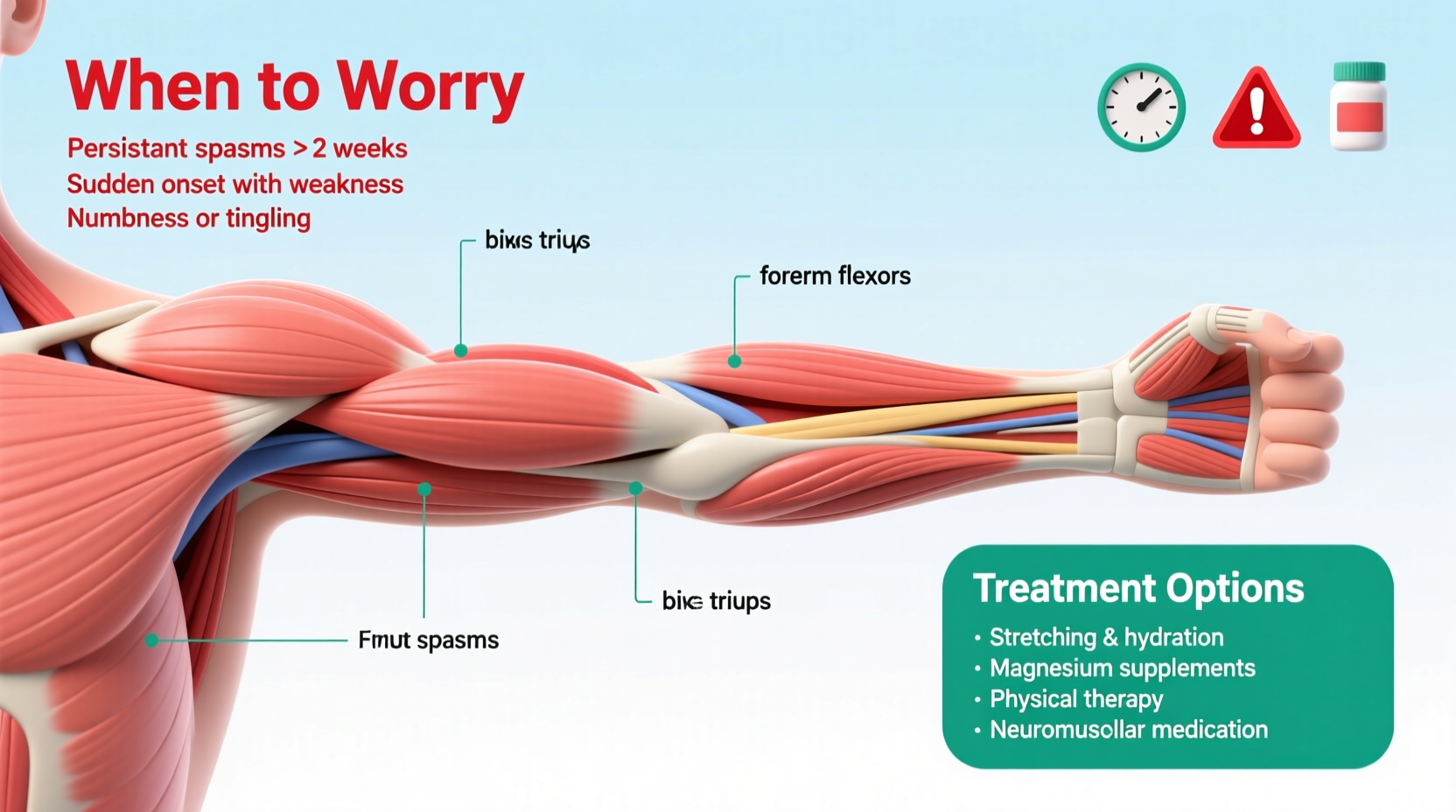
Arm spasms occur when muscles contract suddenly without voluntary control. These contractions can range from mild twitching to intense, painful cramping that temporarily limits movement. They may affect small muscle groups, such as those controlling finger movement, or larger areas like the biceps or triceps.
Spasms are typically brief but can recur frequently. Unlike tremors—which involve rhythmic shaking—spasms are characterized by tightness, stiffness, or jerking motions due to overactive nerve signals or muscle fatigue.
Common Causes of Arm Spasms
The origins of arm spasms vary widely, from lifestyle factors to neurological conditions. Most cases stem from benign, reversible causes, but persistent or worsening symptoms warrant further evaluation.
- Dehydration and electrolyte imbalance: Low levels of potassium, calcium, or magnesium disrupt nerve signaling and increase muscle excitability.
- Muscle overuse or strain: Repetitive motions (e.g., typing, lifting, sports) fatigue muscles, making them prone to cramping.
- Poor circulation: Reduced blood flow during prolonged sitting or cold exposure can trigger spasms.
- Nerve compression: Conditions like cervical radiculopathy (pinched neck nerve) send abnormal signals to arm muscles.
- Stress and anxiety: Heightened nervous system activity can lead to muscle tension and twitching.
- Caffeine or stimulant use: Excessive intake may overstimulate neuromuscular junctions.
When to Worry: Red Flags That Demand Medical Attention
While occasional arm spasms are normal, certain patterns suggest a need for professional assessment. Ignoring warning signs could delay diagnosis of serious conditions affecting nerves, muscles, or metabolism.
“Recurrent, one-sided muscle spasms with weakness or numbness should never be dismissed. They may indicate nerve root compression or even early neuromuscular disease.” — Dr. Lena Torres, Neurologist at Boston General Hospital
Symptoms That Require Prompt Evaluation
| Symptom | Possible Implication | Action Step |
|---|---|---|
| Spasms with progressive weakness | ALS, peripheral neuropathy | See neurologist within 1–2 weeks |
| Numbness or tingling radiating from neck to hand | Cervical spine issue (e.g., herniated disc) | Consult spine specialist |
| Frequent nighttime cramps disrupting sleep | Electrolyte disorder or vascular insufficiency | Blood test and vascular screening |
| Spasms spreading to other limbs | Neurological progression | Urgent neurological workup |
| Muscle wasting or visible atrophy | Chronic denervation or myopathy | EMG testing recommended |
Treatment Options Based on Cause
Effective management depends on identifying the root cause. A tailored approach yields better results than generic remedies.
For Lifestyle-Related Spasms
- Hydration and nutrition: Maintain balanced fluid intake and consider supplements if deficiencies are confirmed via blood tests.
- Stretching and massage: Daily gentle stretching of biceps, triceps, and forearms reduces muscle tension.
- Ergonomic adjustments: Modify workspace setup to prevent repetitive strain.
Medical Interventions
- Medications: Muscle relaxants (e.g., baclofen), anti-inflammatories, or anticonvulsants for nerve-related spasms.
- Physical therapy: Targeted exercises improve strength, flexibility, and nerve gliding techniques.
- Injections: Botulinum toxin (Botox) may be used for severe focal dystonia or spasticity.
Alternative Therapies
Some patients report relief with acupuncture, magnesium oil application, or biofeedback training to regulate muscle activity. While evidence varies, these approaches may complement conventional care when used under supervision.
Mini Case Study: Office Worker with Recurring Forearm Spasms
Jamal, a 38-year-old data analyst, began experiencing frequent twitching in his right forearm after transitioning to remote work. Initially dismissing it as stress, he noticed increasing discomfort and occasional loss of grip strength.
After two months, he consulted a neurologist. An MRI revealed a C6-C7 disc bulge compressing a nerve root. With physical therapy focused on posture correction and nerve mobilization, plus ergonomic keyboard adjustments, Jamal’s spasms resolved within ten weeks. His case underscores how seemingly minor symptoms can reflect structural issues requiring timely intervention.
Step-by-Step Guide to Managing Arm Spasms at Home
- Stop activity immediately: Avoid pushing through pain; rest the affected arm.
- Stretch gently: Extend the arm and slowly pull fingers back to stretch forearm flexors.
- Apply heat or ice: Use warmth for tightness, ice for acute soreness (15 minutes on, 15 off).
- Hydrate: Sip water with a pinch of salt and lemon to replenish electrolytes.
- Monitor frequency: Keep a log noting time, duration, triggers, and associated symptoms.
- Adjust habits: Reduce caffeine, improve sleep hygiene, and incorporate daily mobility routines.
- Seek help if no improvement in 2–3 weeks: Especially if new symptoms emerge.
Checklist: When to Consider Seeing a Doctor
- ☑ Spasms occur multiple times per week without clear cause
- ☑ You experience numbness, weakness, or coordination problems
- ☑ Pain radiates from neck down the arm
- ☑ Cramps awaken you regularly
- ☑ There's visible muscle shrinkage or asymmetry
- ☑ Over-the-counter remedies provide no relief
Frequently Asked Questions
Can arm spasms be a sign of a heart attack?
Not typically on their own. However, left arm pain or discomfort—especially if sudden, crushing, and accompanied by chest pressure, shortness of breath, or nausea—can be a heart attack symptom. Spasms alone are rarely cardiac in origin, but any concerning combination warrants emergency evaluation.
Are arm spasms linked to anxiety?
Yes. Anxiety increases baseline muscle tension and stimulates the sympathetic nervous system, which can lead to twitching or cramping, especially in the hands and forearms. Breathing exercises, mindfulness, and reducing stimulants often help alleviate these spasms.
How long do arm spasms usually last?
Most resolve within seconds to minutes. If a spasm lasts longer than five minutes or recurs repeatedly without relief, it may indicate dehydration, mineral deficiency, or neurological dysfunction and should be evaluated.
Conclusion: Take Control of Your Muscular Health
Arm spasms are common, but your response to them doesn’t have to be passive. By understanding potential causes—from simple dehydration to complex neurological conditions—you empower yourself to make informed decisions about care. Early recognition of red flags, combined with proactive self-management, can prevent complications and restore comfort.




 浙公网安备
33010002000092号
浙公网安备
33010002000092号 浙B2-20120091-4
Comments
No comments yet. Why don't you start the discussion?