
Rice is a dietary staple for over half the global population. It's affordable, versatile, and a reliable source of energy. However, increasing scientific evidence has revealed a hidden concern: arsenic contamination. While not visible or detectable by taste, arsenic in rice poses long-term health risks, especially with frequent consumption. Understanding how and why arsenic ends up in rice—and what you can do about it—is essential for making safer food choices.
Why Arsenic Is Found in Rice
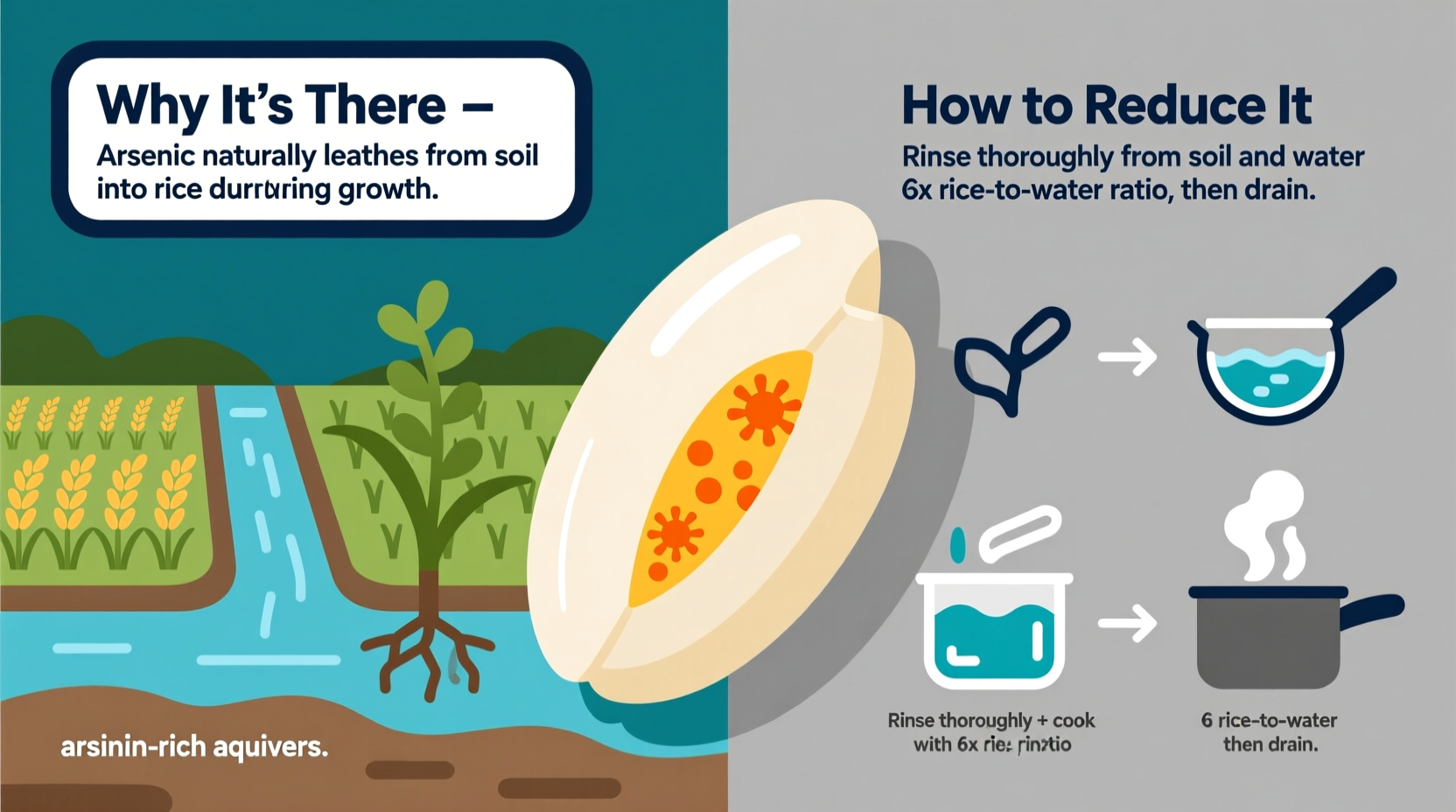
Arsenic is a naturally occurring element found in soil and water. It exists in two primary forms: organic and inorganic. Inorganic arsenic, the more toxic variety, is linked to increased risks of cancer, cardiovascular disease, and developmental issues. Unlike many other crops, rice absorbs significantly more arsenic from the environment due to the way it’s grown.
Rice is typically cultivated in flooded paddies. The submerged conditions cause arsenic in soil to become more soluble and bioavailable, allowing rice plants to absorb it through their roots. This process is exacerbated in regions with high natural arsenic levels in groundwater or where historical use of arsenic-based pesticides has contaminated the soil.
Additionally, rice is a grain that accumulates more arsenic than alternatives like wheat or barley. According to the U.S. Food and Drug Administration (FDA), “Rice tends to accumulate arsenic at levels higher than other food crops due to its unique growing conditions.”
Health Risks of Chronic Arsenic Exposure
Short-term exposure to high levels of arsenic can cause acute poisoning, but the real concern lies in low-dose, long-term intake. Regular consumption of arsenic-contaminated rice, especially among vulnerable populations like infants and pregnant women, may lead to serious health consequences.
- Cancer risk: Long-term exposure is associated with skin, lung, bladder, and liver cancers.
- Developmental effects: Children exposed to arsenic may experience reduced cognitive function and growth delays.
- Cardiovascular issues: Studies link chronic arsenic intake to hypertension and heart disease.
- Diabetes: Some research suggests a correlation between arsenic exposure and insulin resistance.
The European Food Safety Authority (EFSA) has classified inorganic arsenic as a top priority food contaminant due to its widespread presence and potential harm. Infants and young children are particularly at risk because they consume proportionally more rice-based products relative to their body weight.
How to Reduce Arsenic in Rice: A Step-by-Step Guide
You don’t need to eliminate rice from your diet entirely. With informed preparation methods, you can significantly reduce arsenic levels. Below is a practical, science-backed approach:
- Choose lower-arsenic rice varieties: Basmati rice from California, India, or Pakistan tends to have lower arsenic levels. Sushi rice from the U.S. is also a better option.
- Rinse thoroughly before cooking: Washing rice several times under cold water removes surface starch and some soluble arsenic.
- Use a high water-to-rice ratio: Cook rice in a 6:1 water-to-rice ratio (six cups of water per one cup of rice).
- Boil and drain, rather than absorb: After boiling, strain the rice through a fine-mesh sieve. This method can remove up to 50–60% of inorganic arsenic.
- Avoid cooking rice in contaminated water: Use filtered or purified water, especially if your local tap water has known arsenic issues.
- Discard excess water: Never reabsorb the cooking water, as this reintroduces arsenic into the grains.
“Cooking rice like pasta—boiling it in excess water and draining—can reduce arsenic levels significantly without sacrificing texture.” — Dr. Michael Harbut, Environmental Health Specialist, Michigan State University
Comparison of Arsenic Levels in Common Rice Types
| Rice Type | Typical Inorganic Arsenic Level (µg/kg) | Recommended Frequency |
|---|---|---|
| Brown rice (U.S. origin) | 150–200 | Limited (1–2 times/week) |
| White rice (U.S. origin) | 100–150 | Moderate (2–3 times/week) |
| Basmati rice (India/Pakistan) | 70–100 | Safer choice (3+ times/week) |
| Calrose or sushi rice (California) | 80–120 | Good alternative |
| Wild rice (not true rice) | 5–20 | Lowest risk; ideal substitute |
Real-Life Example: A Family Reduces Arsenic Intake
The Chen family in Portland, Oregon, relied heavily on brown rice for meals due to its perceived health benefits. Their two young children ate rice cereal daily and had rice-based snacks frequently. After learning about arsenic risks from a pediatric nutrition seminar, they decided to reassess their habits.
They began switching to basmati rice from certified low-arsenic sources, started using the boil-and-drain method, and introduced quinoa and oats as breakfast staples. Within three months, their household rice consumption dropped by 40%, and they replaced infant rice cereal with oat-based alternatives. A follow-up urine test (conducted through a local environmental health clinic) showed a 60% reduction in arsenic biomarkers in the children.
This case illustrates how small, informed changes can yield measurable health improvements—even without eliminating rice entirely.
Action Checklist: Minimize Arsenic in Your Rice Diet
Follow this concise checklist to protect yourself and your family:
- ☑ Choose white basmati or sushi rice over generic brown rice when possible
- ☑ Rinse rice at least 3–4 times before cooking
- ☑ Use a 6:1 water-to-rice ratio and drain excess water after boiling
- ☑ Limit rice consumption to 2–3 servings per week, especially for children
- ☑ Avoid rice milk and rice-based snacks for infants under age 5
- ☑ Test your home water supply if using well water
- ☑ Diversify grains: include amaranth, buckwheat, millet, and oats regularly
Frequently Asked Questions
Is organic rice free of arsenic?
No. Organic farming prohibits synthetic pesticides, but arsenic comes from natural soil and water sources. Organic rice can have just as much—or even more—arsenic than conventional rice, depending on the region it’s grown in.
Can I remove all arsenic from rice by washing it?
Washing helps reduce surface-level arsenic but doesn't eliminate it entirely. Only about 10–15% is removed by rinsing alone. Combining rinsing with the high-water-ratio cooking method is far more effective.
Are instant rice products safer?
Not necessarily. Instant rice is often pre-cooked and dehydrated, which may concentrate contaminants. It also tends to be lower in nutrients. Always check sourcing and preparation instructions.
Conclusion: Make Smarter Choices Without Sacrificing Flavor
Arsenic in rice is a real concern, but it doesn’t mean you must give up one of the world’s most beloved foods. By understanding the sources of contamination and adopting smarter cooking practices, you can significantly reduce your exposure. Prioritize rice types with lower arsenic levels, cook with excess water, and diversify your grain intake. These steps are simple, cost-effective, and backed by science.




 浙公网安备
33010002000092号
浙公网安备
33010002000092号 浙B2-20120091-4
Comments
No comments yet. Why don't you start the discussion?