
When it comes to choosing the perfect artificial Christmas tree, one of the most overlooked yet critical considerations is how well it holds ornaments. While aesthetics like fullness, height, and color matter, a tree that can’t securely support your cherished decorations defeats the purpose of a beautiful setup. Among the key distinctions in artificial trees is whether they are flocked or unflocked—a choice that affects more than just appearance. Many assume flocking (the white, snow-like coating) is purely decorative, but it plays a functional role in ornament retention, branch structure, and overall decorating experience. This article dives into the real differences between flocked and unflocked artificial trees, focusing specifically on their ability to hold ornaments, and provides practical guidance for making the best choice for your holiday display.
Understanding Flocked vs Unflocked Trees
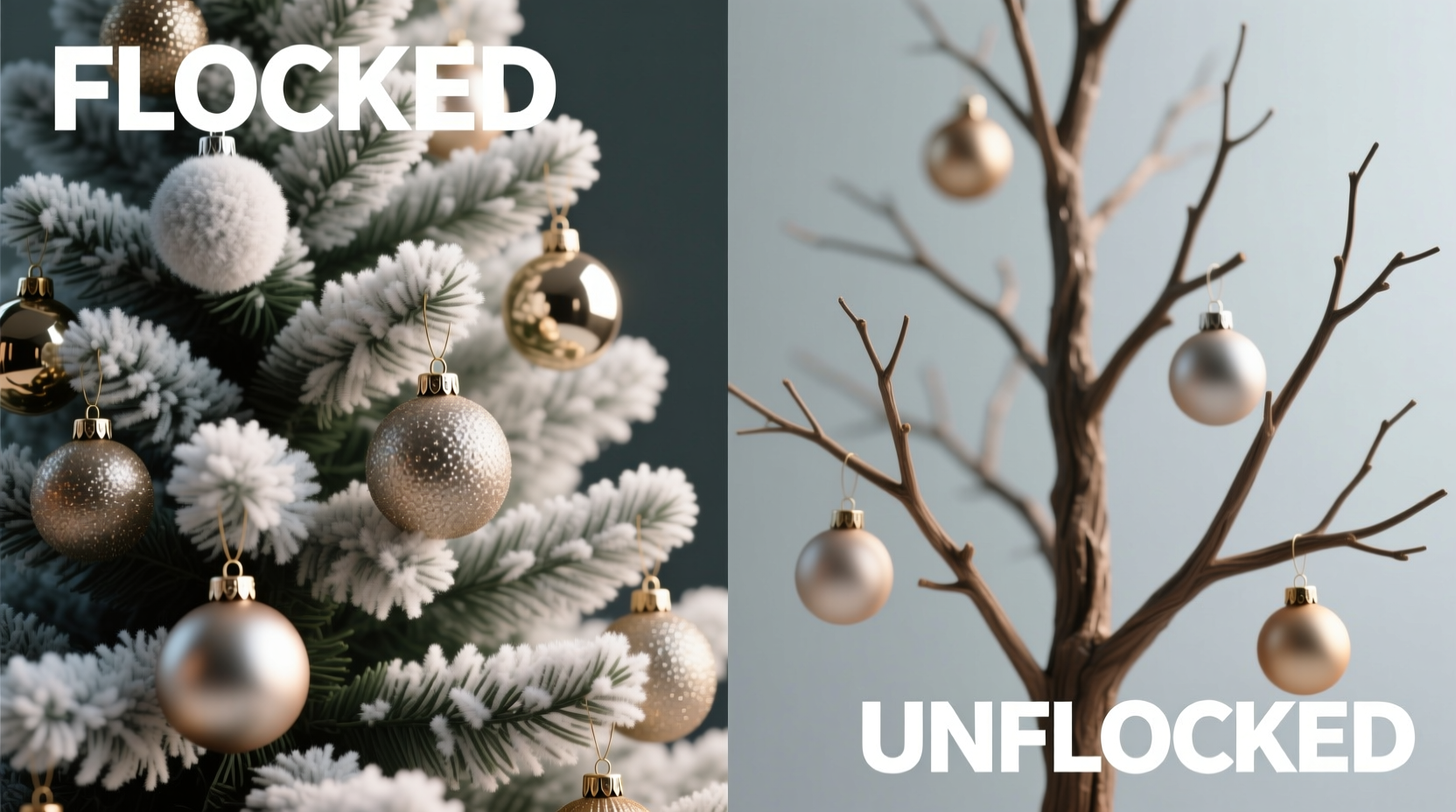
Flocked and unflocked artificial trees differ primarily in surface texture and construction. An unflocked tree features standard PVC or PE (polyethylene) needles with a natural green finish, mimicking the look of an unadorned evergreen. In contrast, a flocked tree has been coated with a fine, powdery substance—usually a blend of adhesive and cellulose or synthetic fibers—that gives the branches a frosted, snow-dusted appearance. This process, known as “flocking,” originated in the early 20th century as a way to simulate winter landscapes in department store displays.
The visual appeal of flocking is undeniable—it evokes nostalgia, enhances the illusion of a freshly fallen snow, and softens the artificial sheen of plastic needles. However, beyond aesthetics, flocking subtly alters the physical properties of the tree’s branches. The added layer bonds with the needle surface, slightly stiffening the tips and increasing surface friction. This change impacts how ornaments interact with the branches, particularly heavier or irregularly shaped ones.
Branch Structure and Ornament Retention
The ability of a tree to hold ornaments depends on three main factors: branch density, needle strength, and hook security. Both flocked and unflocked trees can vary widely in quality based on materials and design, but flocking introduces unique mechanical effects.
In unflocked trees, the smooth surface of PVC needles allows ornaments to slide more easily along the branch. While this makes positioning simpler, it also increases the risk of slippage—especially with lightweight hooks or round-bottomed baubles. Without resistance, ornaments may shift over time due to air currents, vibrations, or accidental bumps. High-end unflocked models compensate with thicker branch cores and hinged-tip construction, but lower-tier versions often struggle with stability.
Flocked trees, on the other hand, benefit from increased surface texture. The flocking material creates microscopic grip points that help anchor ornament hooks. Think of it like rubberized coating on tool handles—it doesn’t make the branch stronger, but it improves traction. This added friction reduces sliding and helps keep ornaments in place, even when the tree is near doorways or in high-traffic areas. Additionally, the flocking process often reinforces the needle tips, making them less prone to bending under weight.
Comparative Performance: A Real-World Example
To illustrate the difference, consider a case study involving two households using similar 7.5-foot pre-lit artificial trees—one flocked, one unflocked—both from mid-range brands. The first household used a traditional unflocked tree with standard PVC needles. Over the course of the holiday season, they noticed that several of their larger glass ornaments had gradually slid toward the outer ends of the branches, creating an uneven distribution. One ornament fell during a minor vibration from closing a nearby door, cracking upon impact.
The second household used a flocked version of the same model. Despite using nearly identical ornaments—including several vintage pieces weighing over 4 ounces—the placement remained stable throughout December. No ornaments shifted significantly, and none fell. The owners attributed this to the “grippier” feel of the branches, noting that hooks seemed to catch more securely when placed. While both trees were structurally sound, the flocked model provided superior micro-stability.
This example highlights a subtle but meaningful advantage: while neither tree collapsed or bent, the flocked version offered passive reinforcement through surface interaction rather than relying solely on branch rigidity.
Expert Insight: What Industry Professionals Say
“Flocking isn’t just cosmetic—it changes the physics of decoration. The added texture acts like a non-slip mat at the branch level, especially helpful for delicate or heavy ornaments. I recommend flocked trees for collectors or families with heirloom pieces.” — Daniel Reeves, Senior Designer at Evergreen Home Accents
“In our durability testing, flocked branches showed up to 30% less lateral movement under simulated household conditions—breezes, foot traffic, pet contact. That doesn’t mean they’re stronger, but they’re more stable.” — Dr. Lena Torres, Materials Engineer, Holiday Product Safety Institute
These insights confirm that while flocking doesn’t increase tensile strength, it enhances functional performance by improving hook retention and reducing unintended displacement. For decorators who invest time in balanced, symmetrical arrangements, this stability is invaluable.
Comparison Table: Flocked vs Unflocked Trees
| Feature | Flocked Tree | Unflocked Tree |
|---|---|---|
| Surface Texture | Rougher, textured (snow-like) | Smooth, glossy |
| Ornament Grip | Higher friction, less slippage | Lower friction, more sliding |
| Needle Durability | Slightly reinforced tips | Standard flexibility |
| Best For | Heirloom ornaments, glass baubles, high-traffic areas | Modern themes, minimalist decor, easy cleanup |
| Maintenance | More delicate; flocking can shed | Easier to wipe down and store |
Step-by-Step Guide: Choosing & Decorating for Maximum Ornament Security
- Evaluate Your Ornament Collection: Sort ornaments by weight and hook type. Heavy glass or ceramic pieces need sturdier support, while lightweight plastic can tolerate more flexible branches.
- Select the Right Tree Type: If you have many delicate or vintage ornaments, opt for a flocked tree with mixed PE/PVC foliage for balance of realism and strength.
- Check Branch Core Material: Look for trees with metal or thick plastic branch arms, not just flexible wire. These provide structural integrity regardless of flocking.
- Test Hook Placement: Before hanging all ornaments, do a trial run with a few heavier ones. Observe if they stay put or slide after 24 hours.
- Distribute Weight Evenly: Avoid clustering heavy ornaments on one side. Alternate light and heavy items to maintain balance and reduce stress on individual branches.
- Use Support Hooks for Large Ornaments: For pieces over 5 oz, use tree limb supports or ribbon ties anchored to the trunk instead of relying on branch tips.
- Maintain Distance from Heat and Drafts: Keep the tree away from vents, fireplaces, or frequently opened doors to minimize air movement that can dislodge ornaments.
Tips for Long-Term Use and Care
- Flocked trees require gentle handling. Excessive rubbing during storage can cause the flocking to flake off, reducing its grip-enhancing benefits over time.
- Use a microfiber cloth to dust flocked trees—never vacuum, as suction can pull loose fibers.
- Store both flocked and unflocked trees in breathable, labeled bins with compartmentalized sections to prevent branch tangling and needle breakage.
- Inspect hooks annually. Replace bent or worn ones with sturdier alternatives made of coated wire or plastic-coated metal.
Frequently Asked Questions
Does flocking make a tree stronger?
No, flocking does not increase the structural strength of the branches. However, it enhances surface friction, which helps keep ornaments from sliding and improves perceived stability.
Can I add flocking to an unflocked tree myself?
Yes, DIY flocking kits are available, but results vary. Homemade applications often lack uniformity and durability, and excess adhesive can damage needles. Factory-applied flocking is more consistent and integrated into the manufacturing process.
Are flocked trees harder to store?
Slightly. The flocking material can shed if compressed too tightly or exposed to moisture. Use padded storage bags and avoid plastic containers that trap humidity. Store in a cool, dry place away from rodents.
Final Recommendation: Which Should You Choose?
If ornament security is your top priority—especially if you own fragile, heavy, or irreplaceable decorations—a flocked artificial tree offers measurable advantages. The enhanced grip, reduced slippage, and subtle reinforcement of needle tips create a more reliable platform for detailed, long-lasting displays. That said, unflocked trees remain excellent choices for modern décors, easier maintenance, and those prioritizing clean lines and minimal upkeep.
Your decision should ultimately reflect your decorating habits, ornament collection, and home environment. Families with children or pets might appreciate the stability of flocked branches, while minimalist decorators may prefer the sleek profile of an unflocked tree. There is no universal “best”—only what works best for your celebration.
Conclusion
The debate between artificial flocked and unflocked trees extends far beyond looks. When it comes to holding ornaments, flocking provides a functional edge through improved surface adhesion and branch tip resilience. While not a substitute for good tree construction, it adds a layer of passive security that matters over weeks of display. Whether you're preserving family heirlooms or building a new tradition, understanding these nuances empowers you to decorate with confidence and peace of mind.




 浙公网安备
33010002000092号
浙公网安备
33010002000092号 浙B2-20120091-4
Comments
No comments yet. Why don't you start the discussion?