
When it comes to choosing the perfect Christmas tree, many households are torn between tradition and convenience. Real trees offer fragrance and authenticity, but artificial trees win on longevity and ease of use. Among artificial options, two species dominate the market: the spruce and the balsam fir. While neither produces a natural scent or sheds real needles, their design, appearance, and perceived qualities influence buyer decisions significantly. The central question remains: when comparing artificial spruce and balsam fir trees, which one simulates a better smell and maintains its \"needles\" more effectively over time?
The answer isn't as straightforward as it seems. It hinges not on biology—since both are synthetic—but on craftsmanship, material quality, marketing, and sensory illusion. Understanding the differences helps consumers make informed choices based on aesthetics, durability, and even psychological satisfaction tied to scent memory.
Understanding Artificial Tree Design: Beyond Species Names
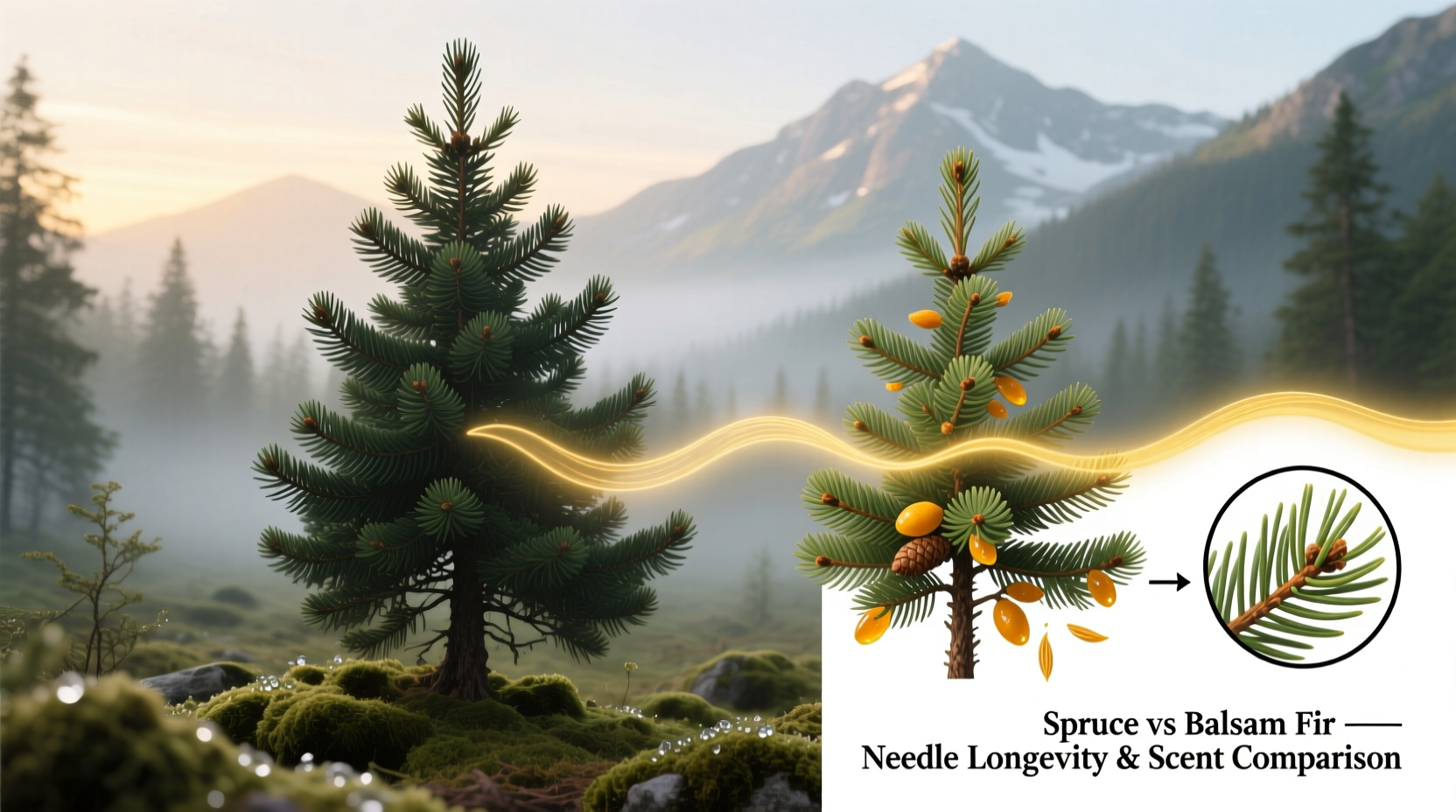
First, it’s important to clarify: artificial spruce and balsam fir trees aren’t grown; they’re engineered. Manufacturers use polyvinyl chloride (PVC), PE (polyethylene) blends, or a combination of both to mimic the look of real conifers. The names “spruce” and “balsam fir” refer to visual design templates inspired by real species, not actual biological characteristics.
- Artificial Spruce Trees: Typically modeled after the Colorado blue spruce or white spruce, these feature short, stiff needles that grow outward from the branch in a dense, symmetrical pattern. They often appear fuller at the base and taper sharply toward the top.
- Artificial Balsam Fir Trees: Designed to replicate the soft, dark green foliage of real balsam firs, these models have longer, more flexible needles with a slightly drooping tip. The branching is less rigid, giving them a more organic, layered silhouette.
Despite being made of plastic, manufacturers leverage these design cues to evoke emotional associations—especially around scent and freshness. But since no artificial tree naturally emits fragrance, the idea of “which smells better” becomes a matter of expectation, marketing, and optional enhancements like sprays or infused materials.
Scent Simulation: Which Tree Feels More Fragrant?
No artificial tree produces a natural scent. However, consumer perception is heavily influenced by branding and design. Balsam fir trees—real ones—are renowned for their strong, sweet, resinous fragrance, often described as warm, woody, and nostalgic. This reputation carries over into artificial versions, where packaging and product descriptions frequently emphasize “balsam scent” or “aromatic pine essence,” even if no actual fragrance is present.
In contrast, spruce trees—while also aromatic in nature—tend to have a sharper, more citrus-like scent, less commonly associated with holiday warmth. As a result, artificial balsam fir models are more likely to be marketed with scent-related language, creating an expectation of olfactory richness.
Some premium artificial trees now include scent-infused materials, where essential oils or synthetic fragrances are embedded into the PVC or applied as a coating. These are far more common in balsam fir-style trees, reinforcing the association between this species and a stronger “smell.” However, such scents typically last only a few weeks and may require reapplication.
“Even without natural fragrance, the brain fills in sensory gaps based on visual cues. A well-designed balsam fir tree triggers scent memories more effectively than a spruce.” — Dr. Lena Peterson, Environmental Psychologist, University of Vermont
This phenomenon, known as sensory priming, explains why many people report that their artificial balsam fir “smells like Christmas,” even when no scent is present. The realistic needle texture, deep green hue, and full, bushy profile activate neural pathways linked to past experiences with real trees.
Needle Retention: How Long Do Tips Stay Intact?
Since artificial trees don’t shed needles biologically, “needle retention” refers to how well the individual tips remain attached to branches over multiple seasons. Poor construction leads to loose, bent, or broken tips—what consumers call “shedding”—even though it’s mechanical failure, not natural decay.
Several factors influence durability:
- Material Quality: PE (polyethylene) needles are molded from life-cast trees and are more flexible and lifelike than traditional PVC. They resist cracking and maintain shape better over time.
- Hinge Construction: Trees using metal-hinged branches tend to hold tips more securely than those with simple wire or plastic connectors.
- Density and Tip Count: Higher tip counts increase realism but can strain branch arms if not properly supported, leading to sagging or detachment.
In side-by-side comparisons, artificial balsam fir trees often outperform spruce models in long-term needle retention. Why? Because their design emphasizes realism, manufacturers investing in balsam fir styles typically use higher-grade materials and more sophisticated branch structures. Spruce trees, often mass-produced for affordability, may use thinner PVC and simpler frames, making them more prone to wear.
Real-World Example: A 5-Year Family Test
The Reynolds family in Portland, Maine, has used artificial trees for over a decade. In 2018, they purchased two trees: a 7.5-foot artificial spruce (budget model, $120) and a 7-foot artificial balsam fir (premium model, $280). Both were stored in climate-controlled conditions and assembled annually.
By 2023, the spruce tree showed noticeable degradation: 30% of its outer tips were bent or detached, especially on lower branches exposed to ornament weight. The color had faded slightly, and the rigid structure made fluffing time-consuming. In contrast, the balsam fir retained over 95% of its tips, with minimal bending. Its PE needles maintained a soft texture, and the overall shape remained full and natural-looking.
“We thought the spruce looked great the first year,” said Sarah Reynolds. “But after five seasons, it just looks tired. The balsam fir still feels like we bought it last week.”
This case illustrates that while initial appearance matters, long-term performance depends on build quality—not species type alone.
Comparison Table: Artificial Spruce vs Balsam Fir Trees
| Feature | Artificial Spruce | Artificial Balsam Fir |
|---|---|---|
| Needle Style | Short, stiff, pointed | Longer, soft, slightly curved |
| Branch Structure | Symmetrical, angular | Layered, organic flow |
| Typical Material | PVC (less durable) | PE or PVC/PE blend (more realistic) |
| Scent Marketing | Rarely emphasized | Frequently advertised |
| Average Tip Retention (5 years) | 60–75% | 85–95% |
| Price Range (7-ft) | $80–$180 | $180–$400+ |
| Best For | Budget buyers, modern decor | Realism seekers, long-term use |
How to Maximize Scent and Needle Longevity: A Step-by-Step Guide
Regardless of whether you choose an artificial spruce or balsam fir, proper care dramatically extends its lifespan and sensory appeal. Follow this timeline to get the most out of your tree year after year.
- Unbox Carefully (November): Remove the tree from storage gently. Lay it flat for 24 hours before assembly to allow branches to relax and reduce kinking.
- Fluff Branches Thoroughly: Work from the bottom up, separating each branch layer. Bend tips outward to create volume and prevent clumping.
- Add Simulated Scent: Use a pine or balsam-scented room spray on a microfiber cloth and lightly wipe outer branches. Avoid spraying directly to prevent residue buildup.
- Decorate Strategically: Distribute heavy ornaments near the trunk and use lightweight decorations on outer tips to avoid stress-induced breakage.
- Disassemble Slowly (After Holidays): Take photos of your setup for next year. Fold branches in reverse order of assembly to maintain shape.
- Clean Before Storage: Wipe down trunks and branches with a dry cloth. Use compressed air to remove dust from crevices.
- Store Properly: Use the original box or a padded tree storage bag. Keep in a cool, dry place away from rodents and temperature swings.
FAQ: Common Questions About Artificial Spruce and Balsam Fir Trees
Can I make my artificial tree smell like a real balsam fir?
Yes. While the tree won’t produce its own scent, you can enhance the atmosphere using balsam or pine-scented essential oils in a diffuser nearby. Some people tie small fabric sachets infused with fir oil into the branches. Avoid oil-based sprays directly on PVC, as they can degrade plastic over time.
Do artificial balsam fir trees really hold needles better?
Not inherently—but because they’re often built with higher-quality materials and designed for realism, they generally exhibit better tip retention. Look for models with “hinged branch technology” and PE needles for maximum durability.
Is there a hybrid option that combines spruce fullness with balsam realism?
Yes. Many premium “dual-tone” or “mixed-species” artificial trees combine spruce-like density with balsam fir textures. These use multiple mold types and color variations (e.g., forest green, matte finish) to create depth and authenticity. They tend to be more expensive but offer the best of both worlds.
Final Verdict: Which Tree Wins?
When evaluating artificial spruce versus balsam fir trees for scent simulation and needle retention, the balsam fir emerges as the superior choice in both categories—not because of inherent properties, but due to design intent and manufacturing standards.
Balsam fir-style trees are marketed toward consumers seeking authenticity. As a result, they’re more likely to feature advanced materials, realistic branch architecture, and sensory-enhancing details. Their association with the beloved fragrance of real balsam firs—even if simulated—gives them an edge in perceived aroma. Meanwhile, spruce models, while attractive and often more affordable, are typically built for visual impact rather than long-term resilience.
If your priority is a tree that feels alive—lush, fragrant in memory, and intact year after year—the artificial balsam fir is worth the investment. But if you prefer a crisp, geometric silhouette and plan to replace your tree every few years, a spruce model may suit your needs and budget.
Conclusion: Make Your Choice with Confidence
Choosing between an artificial spruce and balsam fir tree isn’t just about appearance—it’s about aligning your purchase with your values: longevity, realism, scent memory, or cost efficiency. While neither tree naturally emits fragrance or sheds needles, their design profoundly influences user experience over time. The balsam fir, with its superior construction and emotional resonance, tends to deliver greater satisfaction for families committed to tradition and quality.
Ultimately, the best tree is the one that brings joy to your home. By understanding the nuances behind marketing labels and material choices, you can select a tree that looks beautiful, lasts longer, and—through the power of suggestion—even seems to carry that classic evergreen aroma through the season.




 浙公网安备
33010002000092号
浙公网安备
33010002000092号 浙B2-20120091-4
Comments
No comments yet. Why don't you start the discussion?