
Eating asparagus often comes with an unusual side effect: a distinct, pungent odor in urine. This phenomenon has puzzled people for centuries—so much so that even Benjamin Franklin wrote about it. While the smell can be surprising or even off-putting, it’s generally harmless. Yet many wonder: Why does this happen? Who experiences it? And could it say something about their health? The answers lie in genetics, metabolism, and chemistry.
The Science Behind the Smell
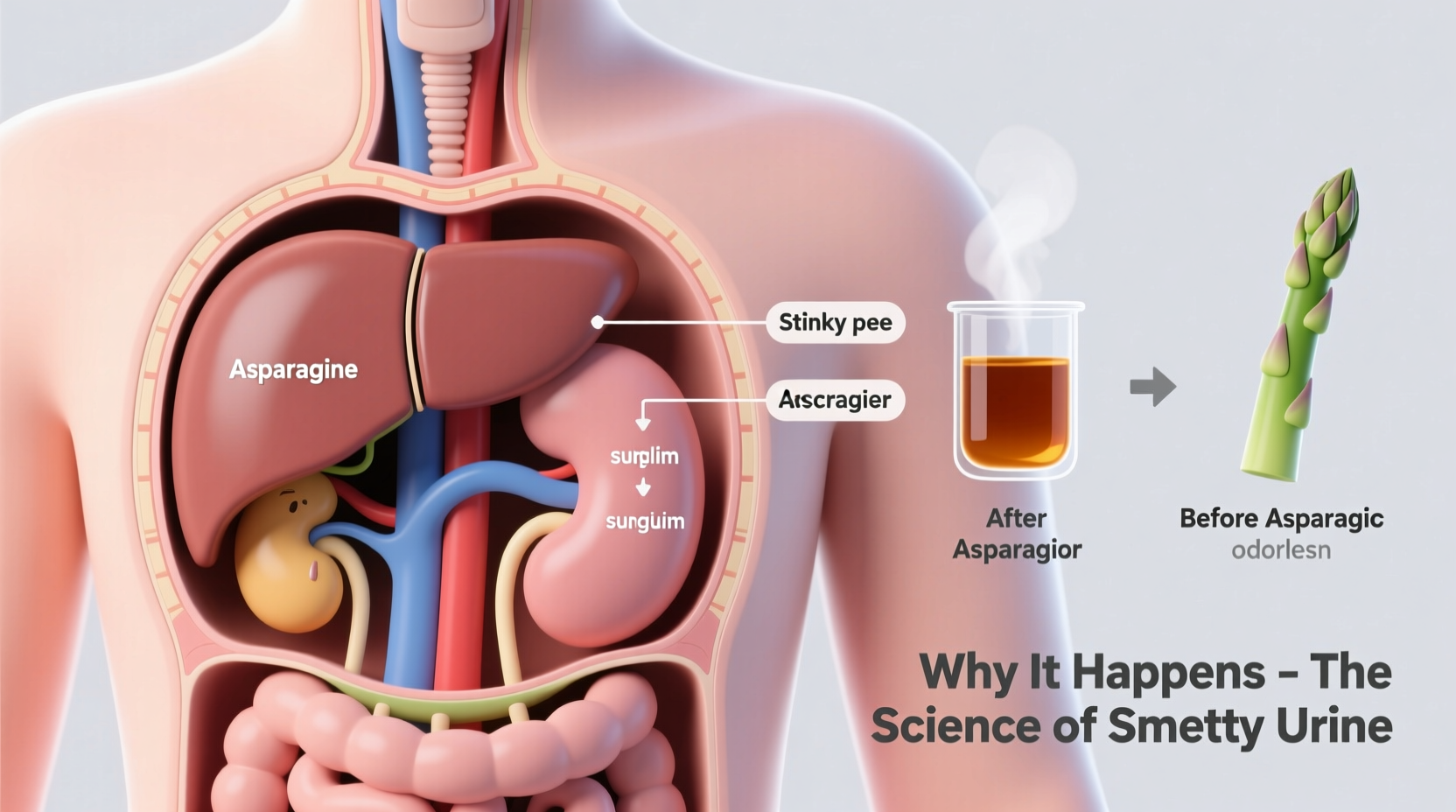
When you eat asparagus, your body breaks down its compounds during digestion. One group of sulfur-containing chemicals called asparagusic acid is unique to asparagus and not found in any other food. Once ingested, your digestive system converts asparagusic acid into volatile sulfur byproducts such as methanethiol, dimethyl sulfide, and dimethyl disulfide. These compounds are responsible for the strong, rotten-egg or cabbage-like odor in urine.
These molecules are highly volatile, meaning they evaporate quickly and release their scent when urine is exposed to air. Because they’re small and water-soluble, they pass rapidly through the kidneys and appear in urine within 15 to 30 minutes after eating asparagus. That’s why the smell often shows up so quickly after a meal.
“Sulfur-containing metabolites from asparagus are among the fastest-acting dietary influences on urine odor we’ve observed.” — Dr. Robert H. Reynolds, Clinical Biochemist
Not Everyone Smells It—And Not Everyone Produces It
There are two key variables at play: production and perception.
- Production: Some individuals do not produce the odorous compounds after eating asparagus due to variations in metabolism.
- Perception: Others produce the compounds but cannot smell them because of genetic differences in olfactory receptors.
A 2016 study published in The BMJ analyzed data from nearly 7,000 participants and confirmed that genetic variation plays a major role in both producing and detecting the smell. Specifically, a cluster of genes related to olfactory receptors on chromosome 1 determines whether someone can detect the odor. Meanwhile, metabolic enzymes in the liver influence how asparagusic acid is broken down.
Do’s and Don’ts: Understanding Your Body’s Response
| Action | Do | Don't |
|---|---|---|
| After eating asparagus | Drink water to help flush metabolites and reduce concentration in urine | Worry if your urine smells—this is normal and temporary |
| If you can’t smell it | Ask a partner or family member to confirm whether the odor is present | Assume no one else notices—it may be a detection issue, not a production one |
| For health monitoring | Pay attention to persistent unusual odors unrelated to diet | Mistake asparagus-related odor for a urinary tract infection without other symptoms |
What It Means for Your Health
In most cases, smelly urine after asparagus consumption is completely benign. It reflects normal metabolic function and efficient kidney filtration. In fact, being able to produce and/or detect the odor may indicate healthy liver and kidney activity.
However, consistent changes in urine odor—especially when not linked to diet—can signal underlying issues such as:
- Urinary tract infections (often accompanied by burning, urgency, or cloudy urine)
- Diabetes (sweet or fruity-smelling urine due to ketones)
- Liver disease (musty or fishy odor)
- Dehydration (strong ammonia-like smell)
The key difference is context. Asparagus-related odor appears quickly, lasts only a few hours, and disappears once the food is fully processed. If strange odors persist beyond a day or occur regularly without dietary triggers, consult a healthcare provider.
Mini Case Study: Sarah’s Dietary Discovery
Sarah, a 34-year-old teacher, began tracking her diet and energy levels after experiencing frequent fatigue. She noticed that every time she ate roasted asparagus at dinner, her morning urine had a sharp, unpleasant smell. Concerned, she researched online and initially feared a liver problem. After reading about the genetic component, she asked her husband if he noticed the same. He confirmed he did—but her sister, who also eats asparagus, said she never detects any change.
Sarah later learned through a genetic testing service that she carries the olfactory gene variant associated with detecting the odor. Reassured that the smell was normal and diet-related, she continued enjoying asparagus as part of her balanced meals, now understanding her body’s unique response.
Step-by-Step: How to Determine Your Reaction to Asparagus
- Eat a serving of cooked asparagus (about ½ cup to 1 cup).
- Note the time you ate it for reference.
- Monitor your urine within 15–30 minutes after digestion begins.
- Smell your urine shortly after urination, preferably in a well-ventilated bathroom.
- Ask someone else if they can detect an odor if you’re unsure.
- Repeat occasionally to confirm consistency—some people only notice it with larger servings.
Frequently Asked Questions
Does everyone’s pee smell after eating asparagus?
No. Research suggests only about 40% to 80% of people produce the odor, and a similar (but not identical) percentage can actually smell it. The disconnect between producers and detectors means some people make stinky urine without knowing it, while others may think they do but actually don’t.
Can children smell it?
Some can, but sensitivity varies with age and genetics. Younger individuals may be less likely to notice or report the odor, but there's no evidence that children metabolize asparagus differently than adults.
Is it bad if I don’t smell anything after eating asparagus?
Not at all. It simply means you either don’t produce the sulfur compounds in significant amounts or lack the specific olfactory receptors to detect them. Both are normal genetic variations, like tasting cilantro as soapy or being unable to smell certain flowers.
Maximizing the Benefits of Asparagus Without the Worry
Asparagus is a nutrient-dense vegetable rich in fiber, folate, vitamins A, C, E, and K, and antioxidants. It supports heart health, digestion, and detoxification pathways in the liver. The temporary urine odor should not deter anyone from including it in their diet.
To minimize concern or discomfort around the smell:
- Stay well-hydrated to dilute urine and reduce odor intensity.
- Consume asparagus as part of a varied diet to avoid overexposure.
- Use natural bathroom ventilation or air purifiers if sensitive to smells.
- Understand your personal biology—knowing whether you're a \"smeller\" or \"non-smeller\" can ease anxiety.
“The asparagus-pee phenomenon is a perfect example of how genetics, diet, and metabolism intersect in everyday life.” — Dr. Lena Patel, Nutrigenomics Researcher
Conclusion
The link between asparagus and stinky pee is a fascinating blend of biochemistry and inherited traits. Far from being a cause for concern, it’s a testament to the complexity of human metabolism. Whether you produce the odor, can smell it, or experience neither, your body is likely functioning normally. Rather than avoiding this nutritious vegetable, embrace it—and the quirky reminder it leaves behind.




 浙公网安备
33010002000092号
浙公网安备
33010002000092号 浙B2-20120091-4
Comments
No comments yet. Why don't you start the discussion?