
In recent years, Pokémon merchandise has exploded beyond children's toys into a full-fledged collector’s market. From limited-edition plushies to high-end statues, fans and investors alike are asking: Are authentic Pokémon figures truly worth more than simple keychains—or is the premium price tag just manufactured hype? The answer isn’t straightforward. While some figures command hundreds or even thousands of dollars, others barely outperform their smaller, cheaper counterparts. Understanding what drives value requires looking at materials, rarity, condition, and market psychology.
The Market Landscape: Figures vs Keychains
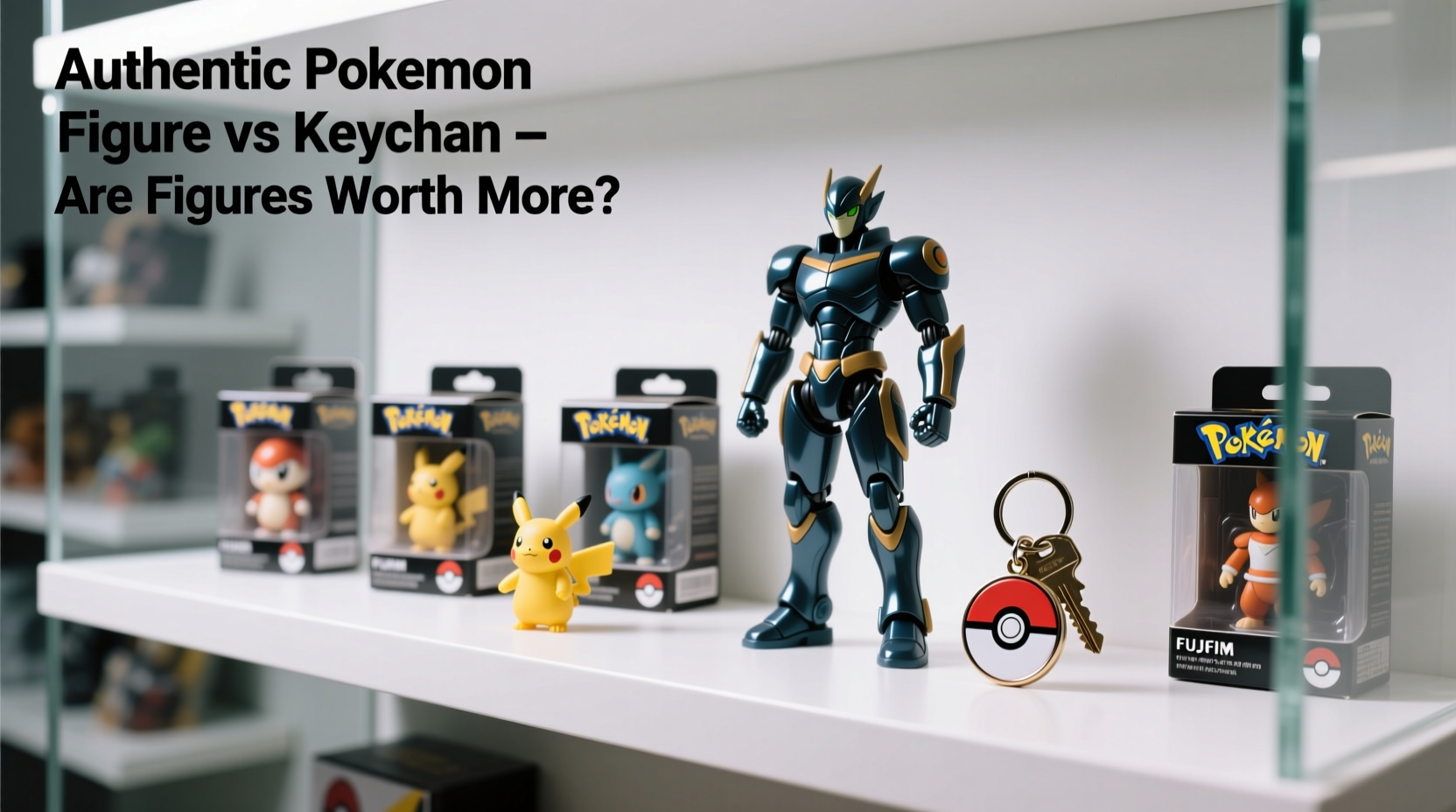
Pokémon keychains and figures occupy different tiers in the collectibles ecosystem. Keychains are typically mass-produced, small, and affordable—often priced between $5 and $30. They’re designed for accessibility, often released with fast-food promotions, store exclusives, or as part of broader merchandising campaigns. In contrast, authentic figures—especially those labeled “premium,” “deluxe,” or “collector’s edition”—are usually larger, made with higher-quality materials like PVC or resin, and sometimes come with certificates of authenticity.
But size and material don’t automatically equate to value. A rare Pikachu keychain from a 2000 McDonald’s promotion recently sold for over $200 on eBay due to scarcity and nostalgia. Meanwhile, a brand-new 12-inch Mewtwo statue released in 2022 sits unsold at retail price months later, indicating weak demand despite its premium look.
“Scarcity, not scale, determines collectible value. A tiny keychain from a discontinued line can outvalue a large modern figure if the right collectors want it.” — Daniel Reyes, Toy Appraiser & Collector Market Analyst
What Actually Determines Value?
Several key factors influence whether a Pokémon item appreciates over time:
- Rarity: Limited runs, regional exclusives, or items tied to defunct promotions (e.g., Burger King 1999) have inherent scarcity.
- Condition: Mint-in-box (MIB) items hold far more value than opened or damaged ones. Even minor scratches reduce resale potential.
- Licensing: Officially licensed products from companies like Bandai, Takara Tomy, or The Wand Company carry more credibility than generic knockoffs.
- Cultural Moment: Items tied to major events—anniversary editions, movie releases, or viral social media trends—gain temporary spikes in demand.
- Character Popularity: Pikachu, Charizard, and Eevee consistently dominate collector interest, while less popular Pokémon rarely appreciate unless exceptionally rare.
Comparative Value Analysis: Figures vs Keychains
| Feature | Authentic Pokémon Figure | Pokémon Keychain |
|---|---|---|
| Avg. Price (New) | $40 – $200+ | $5 – $30 |
| Material Quality | PVC, Resin, Fabric (higher durability) | PVC, Rubber, Metal (lower durability) |
| Rarity Potential | Moderate (many re-releases) | High (discontinued promos) |
| Resale Appreciation (5+ yrs) | Low to Moderate (unless iconic) | High (if rare/retro) |
| Collector Demand | Steady among display enthusiasts | Spiky, driven by nostalgia |
| Storage Requirements | Bulky; needs dust-free space | Compact; easy to store |
This comparison reveals a paradox: while figures appear more \"serious\" as collectibles, keychains often offer better return-on-investment for vintage or rare pieces. Their small size makes them easier to store and ship, increasing liquidity in online auctions. Additionally, retro keychains benefit heavily from 90s and early 2000s nostalgia, a powerful driver in today’s market.
Real Example: The Charizard Keychain That Outsold a Statue
In 2023, a sealed 2001 Pokémon Center Japan-exclusive Charizard keychain sold for $380 on Yahoo! Japan Auctions. It was part of a short-run holiday set, never widely distributed outside Japan, and had remained unopened for over two decades. Around the same time, a new 10-inch articulated Charizard action figure released by a third-party brand struggled to sell at its $120 MSRP.
The discrepancy wasn't about quality—it was about provenance and emotional resonance. The keychain represented a specific moment in Pokémon history, one that older fans were willing to pay a premium to reclaim. The figure, though technically superior, lacked narrative weight and was seen as just another product in an oversaturated market.
How to Evaluate What’s Worth Buying
If you're considering investing in Pokémon collectibles, follow this step-by-step guide to avoid being swayed by hype:
- Research the release details: Was it a limited run? How many units were made? Check forums like Reddit’s r/PokemonCollectors or dedicated databases.
- Check current resale prices: Use eBay’s “Sold Listings” filter to see what similar items actually sold for—not just listed.
- Assess packaging and condition: Sealed items retain value far better. Look for yellowing, dents, or broken seals.
- Evaluate character relevance: Is it a fan-favorite or a niche pick? High-demand characters have more stable markets.
- Monitor trends: Follow collector influencers and auction results. Sudden spikes may indicate temporary hype rather than lasting value.
Checklist: Before You Buy Any Pokémon Collectible
- ✅ Confirm it’s officially licensed (look for Nintendo/The Pokémon Company branding)
- ✅ Verify production number or limited edition status
- ✅ Search completed sales for comparable items
- ✅ Inspect photos closely for wear or damage (if buying used)
- ✅ Consider storage space and long-term preservation needs
- ✅ Ask: Am I buying this for fun or investment? Only invest what you can afford to lose.
Frequently Asked Questions
Do all sealed Pokémon items increase in value?
No. Sealing helps preserve condition, but unless the item is rare or culturally significant, it may never appreciate. Mass-produced figures from big retailers rarely gain value, even if untouched.
Are newer figures a better investment than old keychains?
Generally, no. Most modern figures are produced in large volumes with global distribution, limiting scarcity. Vintage keychains from closed promotions or regional events have a stronger track record of appreciation.
How can I tell if a figure is authentic?
Look for official logos, model numbers, and packaging consistency. Compare against known正品 (zhèngpǐn, genuine product) examples on collector sites. Avoid sellers who can’t provide proof of purchase or clear close-ups.
Conclusion: Hype vs. Lasting Value
The idea that Pokémon figures are inherently more valuable than keychains is largely a myth perpetuated by marketing and visual appeal. In reality, value comes from scarcity, cultural significance, and sustained collector demand—not size or material sophistication. While a well-crafted figure might look impressive on a shelf, it won’t necessarily grow in worth. Conversely, a humble keychain from a forgotten promotion could become a gold mine decades later.
The smart approach is to focus on provenance over presentation. Buy what resonates with you, but if you’re seeking financial return, prioritize rarity, condition, and historical context over sheer physical presence. The most valuable Pokémon items aren’t always the biggest—they’re the ones that tell a story collectors are willing to pay to own.




 浙公网安备
33010002000092号
浙公网安备
33010002000092号 浙B2-20120091-4
Comments
No comments yet. Why don't you start the discussion?