
Choosing the right feeding system for your cat isn’t just about convenience—it’s a critical decision that affects your pet’s long-term health. With rising concerns about feline obesity and inconsistent eating habits, many cat owners are turning to automated or gravity-based feeders to manage their pet’s diet. But how reliable are these systems when it comes to portion control? And which one truly supports a healthy, balanced lifestyle for your cat?
This article dives deep into the mechanics, benefits, and limitations of automatic and gravity feeders. We’ll explore real-world performance, expert insights, and practical considerations so you can make an informed choice based on your cat’s needs—not marketing claims.
How Automatic Feeders Work: Precision Over Simplicity
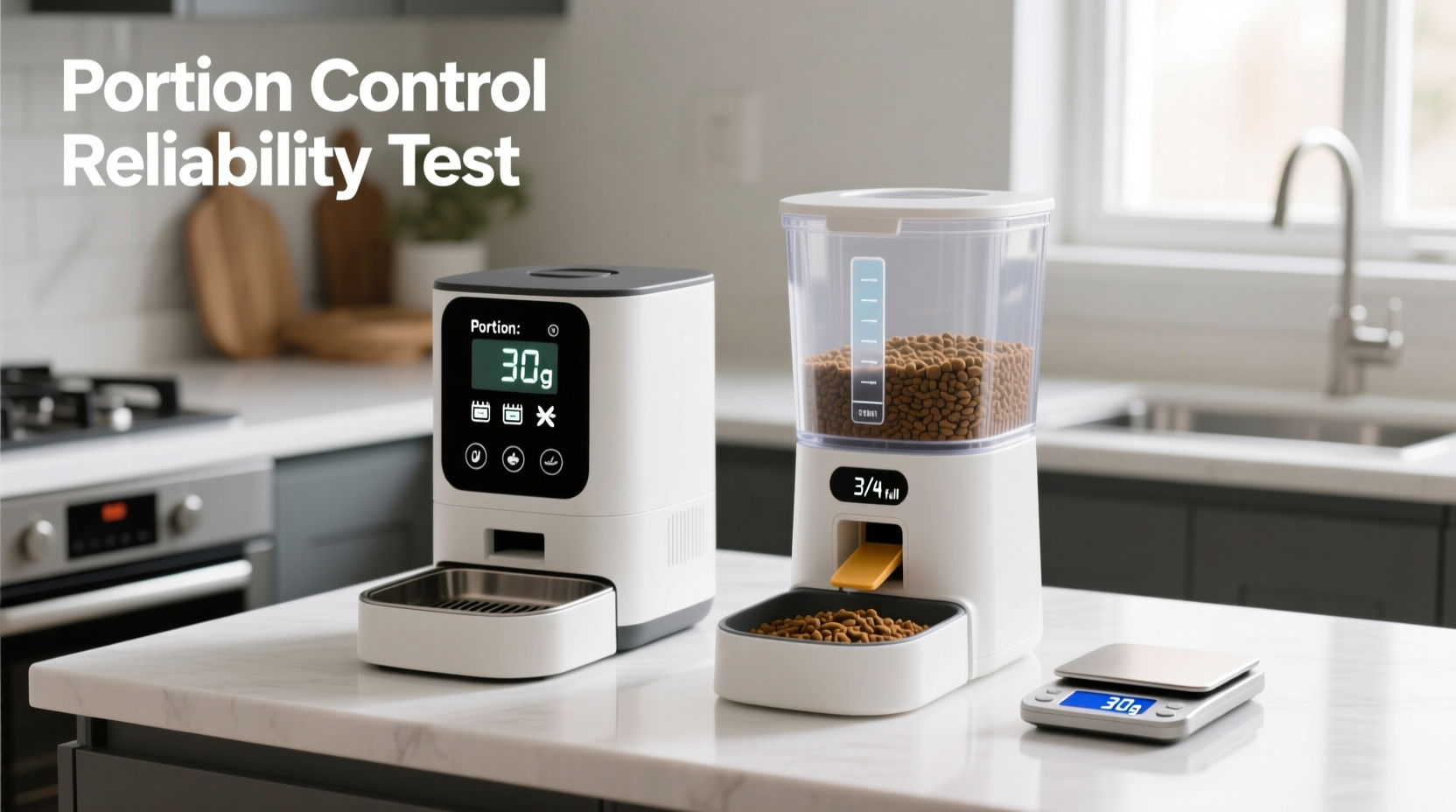
Automatic cat feeders are electronic devices programmed to dispense measured amounts of dry food at set times. Most models include digital timers, portion size controls, mobile app integration, and even camera feeds. They’re designed to mimic scheduled feeding, offering precise portion control and reducing human error in meal timing.
These feeders typically use rotating trays or auger mechanisms to release kibble. Some advanced models feature voice recording, motion detection, and Wi-Fi connectivity, allowing remote monitoring and adjustments. The primary goal is consistency—ensuring your cat eats the right amount at the right time, even when you're away.
The strength of automatic feeders lies in their ability to enforce strict portioning. For cats on weight management plans or those prone to overeating, this level of control is invaluable. However, reliance on batteries or power sources introduces potential failure points. A malfunctioning timer or low battery could result in missed meals or double portions, undermining the very purpose of precision feeding.
The Mechanics of Gravity Feeders: Simplicity with Trade-offs
Gravity feeders operate on a simple principle: as your cat eats from a bowl, more food flows down from a connected hopper due to gravitational pull. These feeders have no electronics, timers, or moving parts—just a reservoir that automatically refills the dish.
While convenient and low-maintenance, gravity feeders offer zero portion control. Your cat has continuous access to food, which aligns with the natural grazing behavior of some felines. However, this free-feeding model increases the risk of overconsumption, especially in multi-cat households or with breeds predisposed to obesity, like Maine Coons or Ragdolls.
Veterinary nutritionists often caution against unrestricted access to dry food. According to Dr. Sarah Thompson, DVM, a feline wellness specialist:
“Cats evolved as hunters with intermittent feeding patterns. Constant access to high-carb dry food disrupts their metabolic rhythm and contributes to insulin resistance and urinary issues.” — Dr. Sarah Thompson, DVM, Feline Nutrition Specialist
Despite these risks, gravity feeders remain popular due to their affordability, ease of use, and compatibility with various kibble types. They also eliminate mechanical failures associated with electronic devices. But when it comes to portion control, they offer none—only availability.
Comparing Portion Control Reliability: A Side-by-Side Analysis
To understand which system delivers more reliable portion control, we must evaluate them across key criteria: accuracy, consistency, adaptability, and health outcomes.
| Feature | Automatic Feeder | Gravity Feeder |
|---|---|---|
| Portion Accuracy | High (programmable measurements) | None (free-feeding only) |
| Meal Timing Control | Precise (set schedules) | No control |
| Reliability During Power Outage | Low (requires battery backup) | High (no power needed) |
| Risk of Overeating | Low (if properly programmed) | High (constant access) |
| Maintenance Needs | Moderate (clean sensors, replace batteries) | Low (basic cleaning) |
| Suitability for Multi-Cat Homes | High (individualized schedules) | Low (competition, overeating) |
| Cost (Initial Investment) | $50–$150+ | $15–$30 |
The data shows a clear divide: automatic feeders excel in controlled environments where portion discipline is essential. Gravity feeders win in simplicity and cost but fail entirely in regulating intake. If portion control is your priority, automatic feeders are objectively more reliable.
Real-World Example: Managing Weight in a Sedentary Indoor Cat
Consider the case of Luna, a 7-year-old domestic shorthair living in a Chicago apartment. Luna was diagnosed with mild obesity after gaining 1.5 pounds over six months. Her owner, Maria, worked long hours and relied on a large gravity feeder filled twice weekly. Luna ate throughout the day, often out of boredom.
After consulting her vet, Maria switched to a programmable automatic feeder. She set four small meals per day, totaling 220 calories—aligned with Luna’s ideal intake. Within three months, Luna lost half a pound and stabilized her weight. More importantly, her energy levels improved, and she became more interactive during waking hours.
Luna’s transformation wasn’t due to a magical device—it resulted from enforced structure. The automatic feeder removed the guesswork and eliminated constant snacking. This case illustrates how technology, when used correctly, can support veterinary dietary recommendations.
When Automatic Feeders Fall Short: Limitations You Should Know
Despite their advantages, automatic feeders aren’t foolproof. Several factors can compromise their reliability:
- Kibble jams: Moisture, dust, or oddly shaped kibble can clog dispensing mechanisms, leading to underfeeding.
- Power dependency: Without a battery backup, outages mean missed meals.
- Cat resistance: Some cats ignore unfamiliar devices or learn to manipulate them for extra food.
- Programming errors: Incorrect settings can lead to over- or under-portioning.
- Limited wet food compatibility: Most models only handle dry kibble, excluding moisture-rich diets important for urinary health.
In contrast, gravity feeders avoid technical issues but introduce behavioral ones. Cats may develop possessive guarding behaviors around the feeder, especially in shared spaces. Others may eat rapidly when food first drops, then return hours later to graze—disrupting natural satiety cues.
Step-by-Step Guide: Choosing the Right Feeder for Your Cat
Follow this structured approach to determine which system suits your household:
- Assess your cat’s health status. Consult your vet about ideal daily calorie intake and whether portion control is medically necessary.
- Evaluate your schedule. If you’re frequently away or travel often, automation adds value. If you’re home most days, manual feeding might suffice.
- Consider your cat’s personality. Does your cat eat slowly or bolt food? Are there multiple pets competing for food? Aggressive eaters benefit from scheduled meals.
- Determine your budget. Factor in not just purchase price but potential replacement costs and maintenance.
- Test both systems temporarily. Borrow or trial models before committing. Observe how your cat interacts with each.
- Monitor results over two weeks. Track weight, eating patterns, and litter box habits to assess impact.
Hybrid Solutions: Best of Both Worlds?
Some owners combine both systems strategically. For example, using an automatic feeder for main meals while keeping a small gravity-style bowl available for light snacking—though this requires careful calorie accounting. Others opt for timed gravity feeders with physical barriers that open at set intervals, blending automation with passive delivery.
A growing trend is “smart gravity” feeders equipped with weight sensors that log consumption via an app. While they don’t control portions directly, they provide data to help owners adjust feeding strategies. These tools won’t stop overeating, but they offer insight—making them useful for monitoring rather than control.
Frequently Asked Questions
Can gravity feeders cause obesity in cats?
Yes, especially in less active indoor cats. Continuous access to dry food encourages mindless grazing, often exceeding caloric needs. Studies show that free-fed cats consume up to 30% more calories than those on scheduled meals.
Are automatic feeders safe for kittens or senior cats?
They can be, with caveats. Kittens need frequent small meals—ensure the feeder allows for at least 3–4 daily portions. Senior cats may struggle with noise or movement; choose quiet models with wide dispensing chutes to accommodate dental issues.
Do vets recommend automatic feeders over gravity feeders?
Many do, particularly for weight management or diabetic cats requiring strict meal timing. However, veterinarians emphasize that any feeder should complement—not replace—owner involvement in monitoring appetite and health changes.
Final Verdict: Is Portion Control Really Reliable?
When it comes to portion control, automatic feeders are significantly more reliable than gravity feeders. Their ability to deliver precise, timed meals makes them ideal for managing weight, supporting medical diets, and maintaining routine in busy households. However, reliability depends on proper setup, maintenance, and understanding your cat’s unique needs.
Gravity feeders, while convenient and durable, offer no portion regulation. They suit highly active outdoor-access cats or those thriving on free-feeding—but pose risks for sedentary or overweight individuals.
No feeder replaces attentive caregiving. Even the most advanced automatic device won’t alert you to a sudden loss of appetite or vomiting. Technology should enhance, not replace, your role as a responsible pet owner.
“The best feeding system is one that supports your cat’s health goals and fits seamlessly into your life—without creating false security.” — Dr. James Lin, Board-Certified Veterinary Behaviorist
Take Action Today for a Healthier Feeding Routine
Your cat’s long-term well-being starts with consistent, mindful feeding practices. Whether you choose an automatic feeder, stick with gravity, or blend approaches, make sure your decision is rooted in your cat’s actual needs—not convenience alone.
Review your current feeding method. Is your cat maintaining a healthy weight? Eating at regular intervals? Showing signs of overconsumption or food anxiety? Use this article as a checklist to evaluate what’s working—and what might need to change.




 浙公网安备
33010002000092号
浙公网安备
33010002000092号 浙B2-20120091-4
Comments
No comments yet. Why don't you start the discussion?