
For pet owners, feeding time is more than a routine—it’s a cornerstone of health, behavior, and emotional well-being. As modern lifestyles grow busier, many are turning to automatic feeders as a solution for consistency. But how does this compare to traditional bowl feeding? More importantly, can timed feeding actually help reduce pet anxiety? The answer lies in understanding animal psychology, feeding patterns, and the role of predictability in a pet’s daily life.
Dogs and cats thrive on routine. Their internal clocks adapt quickly to regular mealtimes, walks, and even human interaction schedules. Disruptions to these rhythms can lead to stress, manifested through pacing, vocalization, or destructive behaviors. This article examines the impact of automatic feeders versus free-choice (bowl) feeding, evaluates whether scheduled meals ease anxiety, and provides practical guidance for choosing the best method for your pet.
How Feeding Methods Influence Pet Behavior
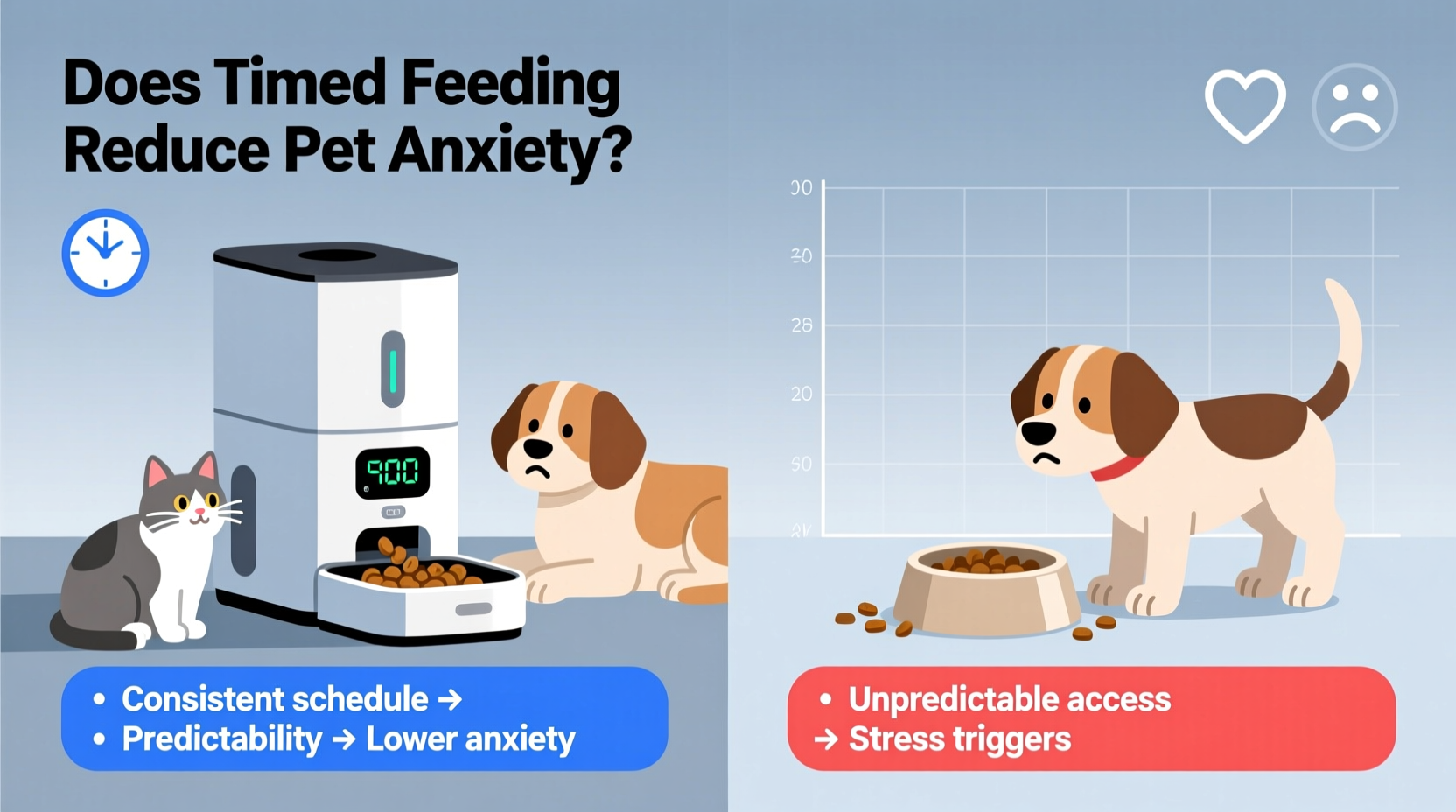
The way a pet eats affects more than digestion—it shapes their sense of security. Bowl feeding, also known as free-feeding, allows animals continuous access to food. While convenient, especially for indoor cats, it removes structure from their day. In contrast, timed feeding—whether done manually or via an automatic feeder—introduces predictability. This predictability may be the key to reducing stress.
Animals evolved as opportunistic eaters, but domestication has rewired their expectations. A dog left alone all day with a full bowl may graze out of boredom rather than hunger. Cats, though natural grazers, can develop irregular eating habits when food is always available, leading to overeating or missed meals due to environmental stressors like loud noises or other pets.
Timed feeding resets these patterns. When meals arrive at the same time every day, pets begin to anticipate them. That anticipation isn’t just about hunger—it’s a cognitive anchor. Studies in canine cognition suggest that predictable routines lower cortisol levels, the hormone associated with stress.
Automatic Feeders: Pros, Cons, and Real-World Use
Automatic feeders have surged in popularity, particularly among working professionals and frequent travelers. These devices dispense pre-measured portions at programmed intervals, often featuring voice recording capabilities, mobile app control, and portion locks to prevent overeating.
Modern models offer dual compartments, battery backup, and even cameras to monitor eating behavior remotely. For anxious pets, some feeders include calming audio messages recorded by the owner, which can reinforce feelings of safety during mealtime.
However, not all pets respond well to automation. Some dogs bark or paw at the device, interpreting it as a puzzle to solve. Others may ignore the food altogether if they associate feeding with direct human interaction. Cats, being more independent, often adapt better—but only if the device operates quietly and reliably.
“Consistency is one of the most powerful tools we have in managing pet anxiety. An automatic feeder, when used correctly, can provide that stability—even when the owner isn’t home.” — Dr. Lena Reyes, Veterinary Behaviorist
Key Benefits of Automatic Feeders
- Enforces consistent meal timing, supporting circadian rhythm regulation
- Helps manage weight by preventing overeating
- Reduces begging behavior by setting clear feeding boundaries
- Provides peace of mind for owners with unpredictable schedules
- Can integrate with smart home systems for real-time monitoring
Potential Drawbacks
- Technical malfunctions (e.g., jammed mechanisms, Wi-Fi outages)
- Lack of social interaction during feeding, which some pets need
- Initial stress during transition period
- Higher upfront cost compared to basic bowls
- Risk of underfeeding if portion settings aren’t calibrated properly
Bowl Feeding: Simplicity with Hidden Risks
Bowl feeding remains the default for many households. It requires minimal effort: fill the bowl, let the pet eat when hungry. While this method works for some, it carries hidden behavioral and physiological risks.
Free-feeding often leads to irregular consumption patterns. A cat might eat several small meals early in the day but skip dinner due to fear of another pet or external noise. Dogs may consume large amounts late at night, disrupting sleep cycles. Without defined meal times, pets lose the psychological comfort of routine.
Moreover, constant access to food blurs the boundary between hunger and boredom eating. This can contribute to obesity, which itself is linked to increased anxiety and reduced mobility. In multi-pet homes, competition around food bowls can heighten tension, especially if one animal dominates access.
That said, bowl feeding isn’t inherently bad. For pets with medical conditions requiring frequent small meals—such as diabetes or gastrointestinal sensitivities—free access to specific diets may be necessary. The key is supervision and structure, even within flexibility.
Does Timed Feeding Reduce Pet Anxiety?
Evidence increasingly supports the idea that timed feeding reduces anxiety in both dogs and cats. Predictable routines create a sense of control in an otherwise uncontrollable environment. When pets know when their next meal will come, they spend less energy scanning for resources and more time resting or engaging in low-stress activities.
A 2022 study published in *Applied Animal Behaviour Science* found that dogs on scheduled feeding schedules exhibited significantly lower baseline cortisol levels than those fed ad libitum. These dogs also showed fewer signs of separation anxiety, such as excessive barking or destructive chewing, when left alone.
For cats, research from the University of Lincoln demonstrated that timed feeding combined with puzzle feeders improved overall mood indicators, including grooming frequency and willingness to interact with humans. The combination of routine and mental stimulation proved more effective than either factor alone.
The mechanism behind this effect is rooted in classical conditioning. Pets learn to associate certain cues—like the sound of a timer, footsteps, or a mechanical dispenser—with positive outcomes. Over time, these cues become calming signals, reducing anticipatory stress.
Mini Case Study: Reducing Separation Anxiety in a Rescue Dog
Max, a three-year-old mixed-breed rescue, was adopted after spending months in a shelter. His new family noticed he paced constantly between 12 PM and 2 PM—precisely when the shelter staff had fed him daily. Despite having food available at all times, Max refused to eat during this window and became increasingly agitated.
His veterinarian recommended switching to timed feeding using an automatic feeder set for 12:15 PM and 6:00 PM. Within two weeks, Max’s pacing decreased by 70%. By week four, he began lying down near his feeder during lunchtime, showing no signs of distress. The structured schedule restored his sense of safety, proving that timing—not just food availability—was central to his anxiety.
Choosing the Right Method: A Practical Guide
There is no one-size-fits-all answer. The ideal feeding strategy depends on your pet’s species, age, health, temperament, and household dynamics. Below is a step-by-step approach to help you decide.
Step-by-Step: Transitioning to Timed Feeding
- Assess your pet’s current eating habits. Track when and how much they eat over five days.
- Determine optimal meal frequency. Adult dogs typically do well with two meals; cats may prefer 3–4 smaller ones.
- Select a feeding method. Choose between manual timed feeding or an automatic feeder based on your schedule.
- Introduce meals gradually. Begin by removing the bowl outside mealtimes while offering food at fixed hours.
- Monitor behavior and adjust. Watch for signs of stress, refusal to eat, or aggression.
- Reinforce positive associations. Use calm tones, gentle presence, or puzzle toys to make mealtimes enjoyable.
Checklist: Is Your Pet Ready for Timed Feeding?
- ✅ No underlying medical condition requiring constant food access
- ✅ Stable weight and healthy appetite
- ✅ Lives in a low-stress environment during transition
- ✅ Owner can commit to consistent timing or use a reliable automated system
- ✅ No history of food guarding that could worsen with restricted access
Comparison Table: Automatic Feeder vs Bowl Feeding
| Feature | Automatic Feeder | Bowl Feeding |
|---|---|---|
| Consistency | High – delivers meals at exact times | Low – dependent on owner availability |
| Anxiety Reduction | High – promotes predictability | Moderate to Low – lacks structure |
| Portion Control | Excellent – prevents overeating | Poor – difficult to regulate intake |
| Social Interaction | Low – machine-based delivery | High – often involves owner presence |
| Best For | Busy owners, anxious pets, weight management | Medical cases, young animals, flexible households |
| Maintenance | Regular cleaning, battery checks, software updates | Basic cleaning required |
Frequently Asked Questions
Can timed feeding cause anxiety in pets who are used to free feeding?
Initially, yes—some pets may show signs of stress when food is no longer continuously available. However, this usually subsides within 7–14 days as they adapt to the new routine. Gradual transition and positive reinforcement minimize discomfort.
Are automatic feeders safe for long-term use?
Yes, provided they are high-quality, regularly maintained, and monitored. Opt for models with customer support, jam detection, and backup power. Always verify that food dispenses correctly during testing phases.
Do cats really benefit from timed feeding?
Absolutely. While cats are natural grazers, domesticated cats benefit from structure. Timed feeding helps regulate metabolism, prevents obesity, and reduces nighttime vocalization linked to hunger cues.
Final Thoughts: Structure Breeds Calm
The debate between automatic feeders and bowl feeding ultimately centers on one principle: predictability. Animals don’t crave novelty in their basic needs—they crave reliability. Whether delivered by hand or machine, timely, consistent meals provide more than nutrition; they offer emotional stability.
For anxious pets, especially those with histories of neglect or rehoming, timed feeding can be a therapeutic tool. It restores a sense of order, reduces hyper-vigilance, and fosters trust in their environment. While bowl feeding has its place, particularly in medical contexts, structured routines supported by technology often yield superior behavioral outcomes.
If you're considering a change, start small. Observe your pet’s response. Adjust timing, portions, and delivery methods as needed. Remember, the goal isn't convenience—it's well-being.




 浙公网安备
33010002000092号
浙公网安备
33010002000092号 浙B2-20120091-4
Comments
No comments yet. Why don't you start the discussion?