
Feeding a pet is more than just placing food in a bowl—it’s a cornerstone of responsible pet ownership. Whether you're caring for a dog, cat, or another domestic animal, how and when meals are delivered can impact health, behavior, and even the human-animal bond. With advancements in pet technology, automatic feeders have become increasingly popular, promising convenience and consistency. But do they truly replace the benefits of hands-on, manual feeding? This article compares both approaches in depth, examining their advantages, limitations, and real-world implications to help pet owners make informed decisions.
Understanding Automatic Feeders: How They Work
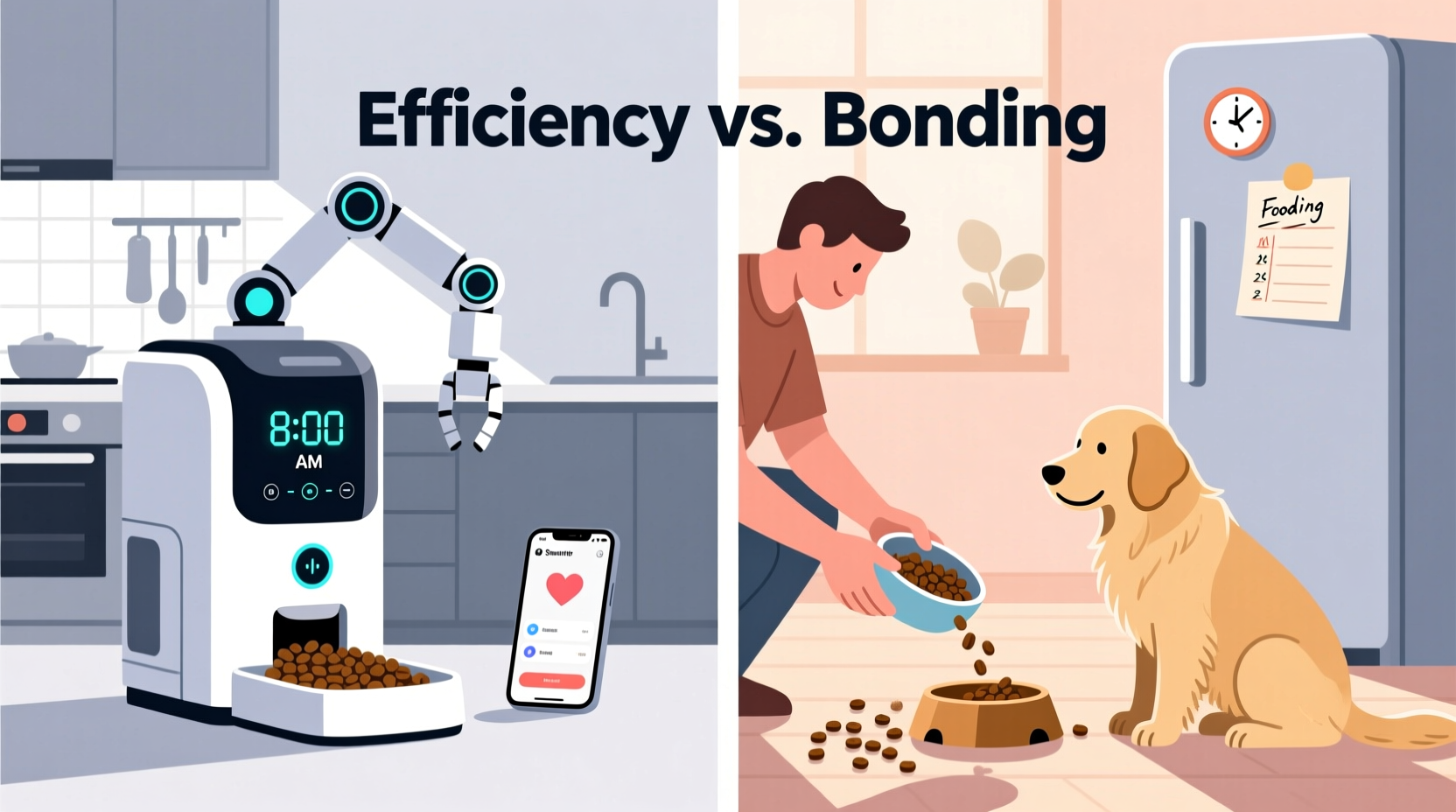
Automatic feeders are electronic devices designed to dispense pet food at scheduled times. Most models connect to Wi-Fi, allowing remote control via smartphone apps. They typically feature programmable timers, portion controls, and some even include cameras and two-way audio. These units range from basic single-meal dispensers to advanced multi-compartment systems capable of handling wet and dry food separately.
The core benefit lies in consistency. For pets on strict dietary regimens—such as those managing diabetes, obesity, or gastrointestinal issues—precise meal timing supports medical stability. Traveling pet owners also find value in these devices, especially when combined with pet-sitting services.
However, not all automatic feeders are created equal. Mechanical jams, power outages, or app malfunctions can disrupt feeding schedules. Additionally, some pets may be startled by the noise or motion of the device, leading to anxiety or refusal to eat.
The Role of Manual Feeding in Pet Care
Manual feeding involves direct human interaction during mealtime. The owner measures portions, places food in the bowl, and often observes the pet while eating. This method has been the standard for generations and remains deeply embedded in the daily rituals of pet ownership.
One of the most significant advantages of manual feeding is behavioral monitoring. Owners can immediately notice changes in appetite, which may signal illness. A sudden disinterest in food, for example, could indicate dental pain, infection, or stress—issues that might go unnoticed with automated systems unless paired with video monitoring.
Moreover, manual feeding strengthens the emotional connection between pet and owner. The routine becomes a moment of bonding, particularly for dogs who thrive on structured interactions. Cats, too, benefit from predictable human engagement, even if their affection appears more subtle.
“Mealtime is one of the most consistent opportunities owners have to assess their pet’s well-being. Losing that touchpoint can delay early diagnosis of serious conditions.” — Dr. Lena Torres, DVM, Small Animal Nutrition Specialist
Key Differences: A Side-by-Side Comparison
| Feature | Automatic Feeder | Manual Feeding |
|---|---|---|
| Consistency | High – meals delivered at exact times daily | Variable – depends on owner schedule |
| Portion Control | Precise – programmable settings reduce overfeeding risk | Depends on owner accuracy |
| Bonding Opportunity | Limited – minimal human interaction during feeding | Strong – direct engagement with pet |
| Emergency Detection | Poor – unless equipped with camera/notifications | Excellent – immediate observation of behavior/appetite |
| Travel & Schedule Flexibility | High – ideal for irregular hours or short trips | Low – requires someone else to step in |
| Maintenance Needs | Moderate to high – cleaning, battery checks, software updates | Low – simple bowl washing |
| Cost | High initial investment ($50–$200+) | Negligible (bowl + time) |
When an Automatic Feeder Makes Sense
There are specific scenarios where automatic feeders offer clear advantages. Consider these use cases:
- Irregular Work Hours: Shift workers or those with unpredictable schedules can maintain consistent mealtimes.
- Multi-Pet Households: Advanced models allow timed access control, preventing food theft or dominance behaviors.
- Diet Management: Pets on calorie-restricted diets benefit from measured, tamper-proof portions.
- Short-Term Absences: Weekend trips become easier without relying on neighbors or pet sitters solely for feeding.
Still, success depends on proper setup. Misprogramming timers or using low-quality kibble that clumps can lead to underfeeding or mechanical failure. Regular maintenance—cleaning food trays, checking seals, updating firmware—is essential.
A Real-Life Example: Managing a Diabetic Cat
Sarah, a nurse working night shifts, adopted a diabetic cat named Milo who required insulin injections within 30 minutes of each meal. Her inconsistent home schedule made manual feeding unreliable. After consulting her vet, she invested in a Wi-Fi-enabled automatic feeder with portion control and a built-in camera.
She programmed two meals per day aligned with her limited waking hours at home. Using the app, she triggered feeding remotely after administering insulin. The camera allowed her to confirm Milo ate his full portion. Over six months, Milo’s glucose levels stabilized, and his energy improved significantly.
In this case, the automatic feeder wasn’t just convenient—it was medically necessary. However, Sarah still performs weekly manual feedings to reinforce bonding and observe Milo’s demeanor up close.
Best Practices for Combining Both Methods
Rather than viewing automatic and manual feeding as mutually exclusive, many experts recommend a hybrid approach. This strategy leverages the strengths of both systems while minimizing drawbacks.
- Use automation for consistency, not isolation: Let the feeder handle daily meals, but reserve one feeding per day—or several per week—for personal interaction.
- Monitor closely during transitions: When introducing an automatic feeder, supervise the first few cycles to ensure your pet adapts without stress.
- Keep backup plans: Have a trusted friend or neighbor who can manually feed your pet if the device fails.
- Integrate health checks: Pair automated feeding with regular weigh-ins and veterinary visits to track long-term wellness.
- Choose the right model: Opt for feeders with jam alerts, battery backups, and easy-clean components.
“The goal isn’t to automate care out of pet ownership, but to enhance it. Technology should support, not replace, attentive stewardship.” — Dr. Rajiv Mehta, Veterinary Behaviorist
Frequently Asked Questions
Can automatic feeders cause anxiety in pets?
Some pets, especially those sensitive to sound or movement, may initially fear the noise or spinning mechanism of a feeder. Gradual introduction, positive reinforcement with treats, and placement in a quiet area can ease the transition. If anxiety persists, manual feeding or alternative solutions may be better suited.
Are automatic feeders suitable for puppies or kittens?
Cautiously. Young animals require frequent meals and close monitoring of growth and digestion. While some feeders can accommodate multiple small meals, they lack the observational feedback critical during early development. Manual feeding is generally preferred until the pet reaches maturity.
How do I prevent my pet from knocking over or tampering with the feeder?
Place the unit against a wall or in a corner to limit access from behind. Some models come with locking mechanisms or weight sensors. Alternatively, designate a feeding zone with baby gates or crates during meal delivery to ensure only the intended pet accesses the food.
Action Plan: Choosing the Right Feeding Strategy
Deciding between automatic and manual feeding shouldn’t be based on convenience alone. Follow this step-by-step evaluation to determine the best fit for your household:
- Assess your pet’s health needs: Is your pet on a special diet, medication, or weight management plan? Medical requirements often favor precision offered by automation.
- Evaluate your daily routine: Do you leave home for extended periods? Frequent travelers may benefit more from automated systems.
- Consider household dynamics: Multiple pets? Aggression around food? An automatic feeder with access control might reduce conflict.
- Test compatibility: Try borrowing or renting a feeder before purchasing. Observe how your pet reacts to the sound, smell, and release mechanism.
- Plan for failures: What happens if the feeder jams or loses power? Ensure you have a contingency, such as pre-portioned backup meals or a reliable helper.
- Commit to oversight: Even with automation, schedule regular check-ins. Watch your pet eat at least once or twice a week to monitor intake and behavior.
Conclusion: Balancing Innovation with Intuition
The debate between automatic feeders and manual feeding isn’t about declaring a winner—it’s about matching tools to lifestyles and pets’ individual needs. Automation brings undeniable benefits in consistency and flexibility, particularly for busy or medically involved households. Yet, the tactile, observational, and emotional dimensions of manual feeding remain irreplaceable elements of responsible pet care.
The most effective feeding strategy is one that honors both efficiency and empathy. By thoughtfully integrating technology without sacrificing presence, pet owners can provide nutritious, timely meals while preserving the deep, everyday connections that define companionship.




 浙公网安备
33010002000092号
浙公网安备
33010002000092号 浙B2-20120091-4
Comments
No comments yet. Why don't you start the discussion?