
Cleaning a cat’s litter box is one of the least enjoyable but most necessary parts of pet ownership. For years, the only option was daily scooping—bending over, sifting through waste, and disposing of clumps. But with the rise of smart home tech, automatic litter boxes have entered the mainstream, promising hands-free cleanup and odor control. The reality, however, is more complicated. While these robotic systems can offer convenience, they come with trade-offs in reliability, cost, and compatibility with certain cats. So, is ditching the scoop for a self-cleaning box actually worth it?
The answer depends on your lifestyle, your cat’s behavior, and how much you value time versus consistency. This article dives into the core differences between automatic litter boxes and traditional scooping, evaluates common pain points, and provides practical guidance based on real-world usage.
How Automatic Litter Boxes Work
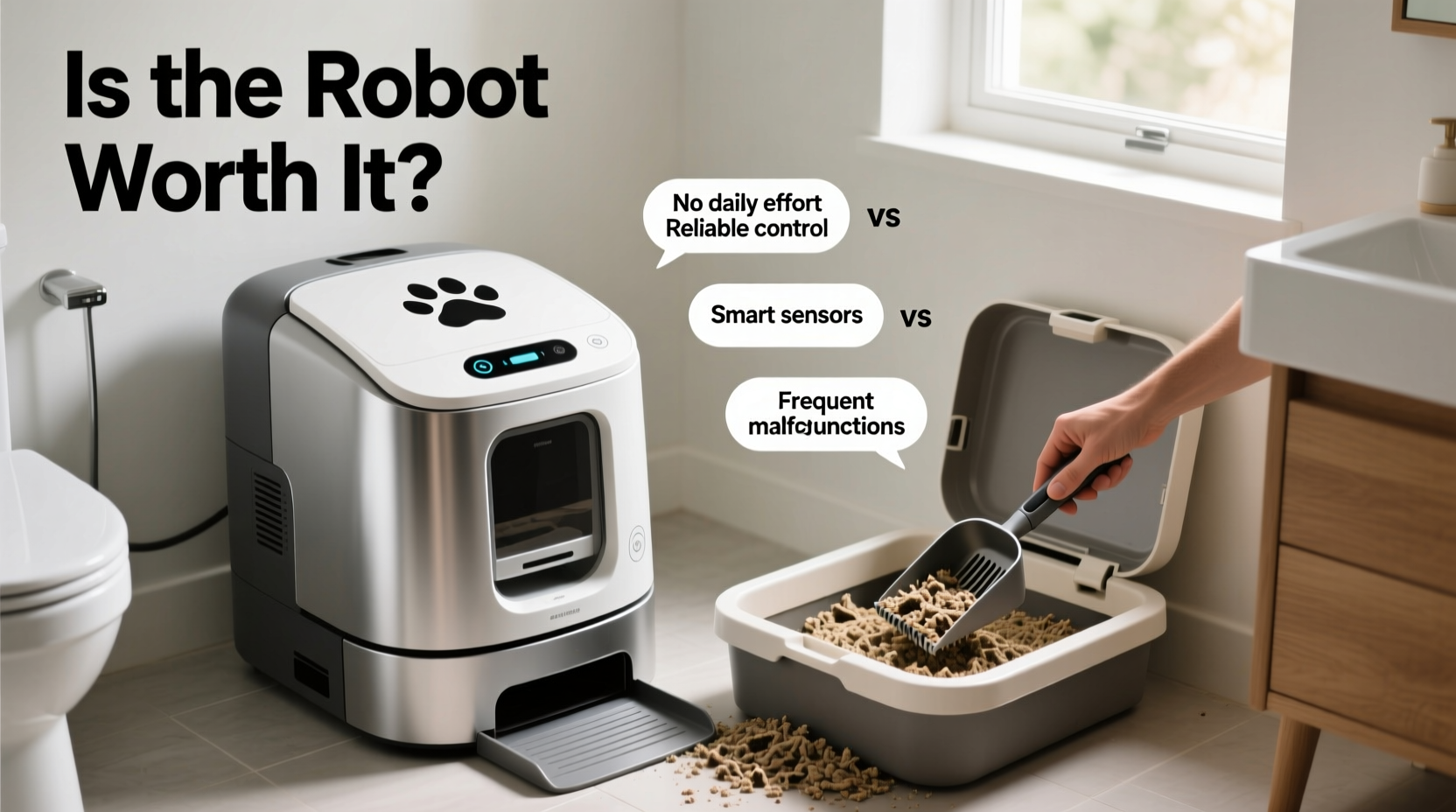
Automatic litter boxes use sensors, rakes, or rotating mechanisms to detect when a cat has used the box and then separate waste from clean litter. Most models fall into one of two categories:
- Sifting Systems: A rake moves through the litter after a delay (usually 7–15 minutes), collecting clumps and depositing them into a sealed waste drawer.
- Rotating Trays: After use, the entire tray slowly rotates, allowing clean litter to fall back while waste is trapped and funneled into a compartment.
Many high-end models include app connectivity, usage tracking, carbon filters, and even voice alerts. Brands like Litter-Robot, PetSafe ScoopFree, and CatGenie dominate the market, each with varying degrees of success.
Despite their sophistication, these devices are not foolproof. Mechanical failures, sensor misreads, and litter jams are common complaints. And unlike a simple plastic box and scoop, repairs or replacements can be costly.
Manual Scooping: The Tried-and-True Method
Scooping remains the standard for a reason: it’s reliable, affordable, and gives owners direct control over cleanliness. A quality scoop and fresh clumping litter can make the task quick and efficient. Daily scooping prevents odor buildup, reduces bacterial growth, and helps monitor your cat’s health through urine and stool patterns.
Most veterinarians recommend scooping at least once per day, with full litter changes every 2–4 weeks depending on usage. For households with multiple cats, this frequency increases.
The main drawback is time and effort. It’s easy to procrastinate, especially during busy weeks, which leads to unpleasant odors and stressed cats. Some people also find the physical act distasteful or difficult due to mobility issues.
Still, the simplicity of manual cleaning means fewer points of failure. There’s no motor to burn out, no sensors to recalibrate, and no software updates required. If something goes wrong, it’s usually just a matter of replacing the litter or cleaning the box.
“Consistency in litter box maintenance is critical for feline urinary health. Whether automated or manual, the key is regular cleaning.” — Dr. Rebecca Thompson, DVM, Feline Behavior Specialist
Comparative Breakdown: Automation vs. Manual
| Factor | Automatic Litter Box | Manual Scooping |
|---|---|---|
| Upfront Cost | $300–$700 | $15–$50 |
| Ongoing Costs | Premium litter, replacement parts, liners | Litter only |
| Daily Effort | Near-zero (empty waste drawer every few days) | 5–10 minutes per day |
| Reliability | Moderate to low (mechanical issues common) | High (no moving parts) |
| Odor Control | Good (sealed waste compartments) | Fair to good (depends on frequency) |
| Cat Acceptance | Varies (some fear noise or movement) | Generally high |
| Maintenance Complexity | High (clean sensors, check mechanisms) | Low (wash box, refill litter) |
The table illustrates a clear trade-off: automation saves labor but introduces complexity and expense. For someone with a tight schedule or physical limitations, the investment might be justified. For others, especially multi-cat households where reliability is paramount, manual scooping may still be the smarter long-term choice.
Real-World Challenges with Automatic Systems
While marketing materials show sleek devices operating flawlessly, user experiences often tell a different story. Common issues include:
- Jamming: Clumps get stuck in rakes or trays, requiring disassembly and cleaning.
- False Triggers: Sensors activate when a cat merely walks by, leading to premature cleaning cycles.
- Noise Complaints: The grinding or rotating sound startles some cats, causing avoidance.
- Incompatibility: Not all litters work well—especially lightweight or non-clumping types.
- Waste Drawer Overflow: Without monitoring, drawers fill up and spill, creating a mess worse than a neglected scoop job.
A 2023 consumer survey by PetTech Review found that nearly 40% of automatic litter box owners experienced at least one major malfunction within the first year. Of those, 22% abandoned the device entirely and returned to manual scooping.
Mini Case Study: The Smith Family’s Litter-Robot Experiment
The Smiths, a dual-income family with two cats, purchased a Litter-Robot 4 hoping to reduce morning chores. Initially, it worked well—the cats adapted quickly, and waste was contained efficiently. However, after three months, the unit began jamming frequently, especially when one cat produced larger clumps. They tried different litters, adjusted sensitivity settings, and cleaned internal components weekly, but the problem persisted.
During a two-week vacation, the device failed completely. By the time they returned, both cats were using the bathroom elsewhere in the house. The repair cost $120, and the downtime led to lasting litter box aversion in one cat. Today, the family uses a simple top-entry box with daily scooping—and reports higher satisfaction.
Their experience underscores a critical point: automation can fail at the worst possible time, and cats don’t tolerate inconsistency well.
When an Automatic Box Makes Sense
Despite the risks, automatic litter boxes are not inherently flawed. They work exceptionally well in specific scenarios:
- Single-cat households: Fewer variables mean less strain on the system.
- Owners with mobility issues: Bending or lifting can be painful or impossible for some.
- People who travel frequently: With proper setup, these boxes can go days without attention.
- Highly routine cats: Animals that use the box at predictable times adapt better to mechanical cycles.
If you fall into one of these categories, investing in a top-tier model with strong customer support and a warranty may be worthwhile. Look for features like:
- Large capacity waste drawers
- Adjustable cycle delays
- App alerts for full bins or errors
- Easily replaceable parts
Step-by-Step Guide to Transitioning to an Automatic Litter Box
If you’re considering automation, follow this sequence to maximize success:
- Research models compatible with your space and cat count. Measure doorway clearance and ensure the unit fits.
- Read verified owner reviews, focusing on long-term reliability and customer service.
- Introduce the new box gradually. Place it beside the old one and let your cat investigate.
- Run the cycle manually at first to acclimate your cat to the sound without surprise activation.
- Monitor usage closely for the first two weeks. Watch for avoidance or accidents.
- Establish a maintenance schedule: Clean sensors weekly, empty waste every 3–5 days, and inspect for wear monthly.
- Have a backup plan. Keep a spare litter box ready in case of failure.
Patience is essential. Some cats take weeks to accept a new system, especially if it involves movement or noise.
Frequently Asked Questions
Do automatic litter boxes really save time?
Yes, but with caveats. You’ll spend less time on daily scooping, but more on troubleshooting, cleaning sensors, and managing waste compartments. Over time, the net gain depends on how often the device functions without issue.
Can my cat get hurt in an automatic litter box?
Serious injuries are rare, but possible. Most modern units have weight sensors to prevent activation when a cat is inside. However, kittens, small cats, or curious pets may trigger false readings. Always supervise initial use and choose models with safety certifications.
Are there eco-friendly automatic options?
Some brands offer biodegradable litter trays or recyclable waste drawers, but most systems rely on plastic components and frequent replacements. The environmental footprint is generally higher than traditional scooping with natural litter.
Checklist: Is an Automatic Litter Box Right for You?
- ☐ I’m willing to pay $300+ upfront
- ☐ I have space for a large, plugged-in unit
- ☐ My cat(s) are medium to large (not kittens)
- ☐ I travel often or have limited mobility
- ☐ I can commit to weekly maintenance checks
- ☐ I have a backup litter box available
- ☐ I’ve read long-term user reviews for my preferred model
If you checked most of these, automation could fit your life. If not, manual scooping remains a dependable, cost-effective solution.
Conclusion: Weighing Convenience Against Consistency
The dream of a self-cleaning litter box is compelling—walk past, and the mess disappears. But the reality is that today’s technology still struggles with the unpredictability of real-life pet ownership. Reliability issues, high costs, and cat-specific sensitivities mean that automatic systems aren’t a universal upgrade.
For some, the time saved and improved hygiene are worth the occasional breakdown. For others, especially in multi-cat homes or with finicky felines, the peace of mind that comes with a simple scoop and a clean box wins every time.
Ultimately, the best choice isn’t about embracing the future—it’s about what works consistently, safely, and sustainably for you and your cat. If you do go automated, treat it as a tool that requires oversight, not a set-it-and-forget-it solution. And if you stick with scooping, know that millions of responsible cat owners do the same—often with better results.




 浙公网安备
33010002000092号
浙公网安备
33010002000092号 浙B2-20120091-4
Comments
No comments yet. Why don't you start the discussion?