
Squatting is a fundamental human movement pattern—essential not only in fitness but also in daily life. Whether you're lifting groceries, playing with children, or performing strength training, proper squat mechanics are crucial. Yet, many people experience back pain when squatting, which can range from mild discomfort to debilitating strain. Understanding why this happens and how to correct it isn’t just about improving performance—it’s about protecting one of your body’s most vital structures: your spine.
Common Causes of Back Pain During Squatting
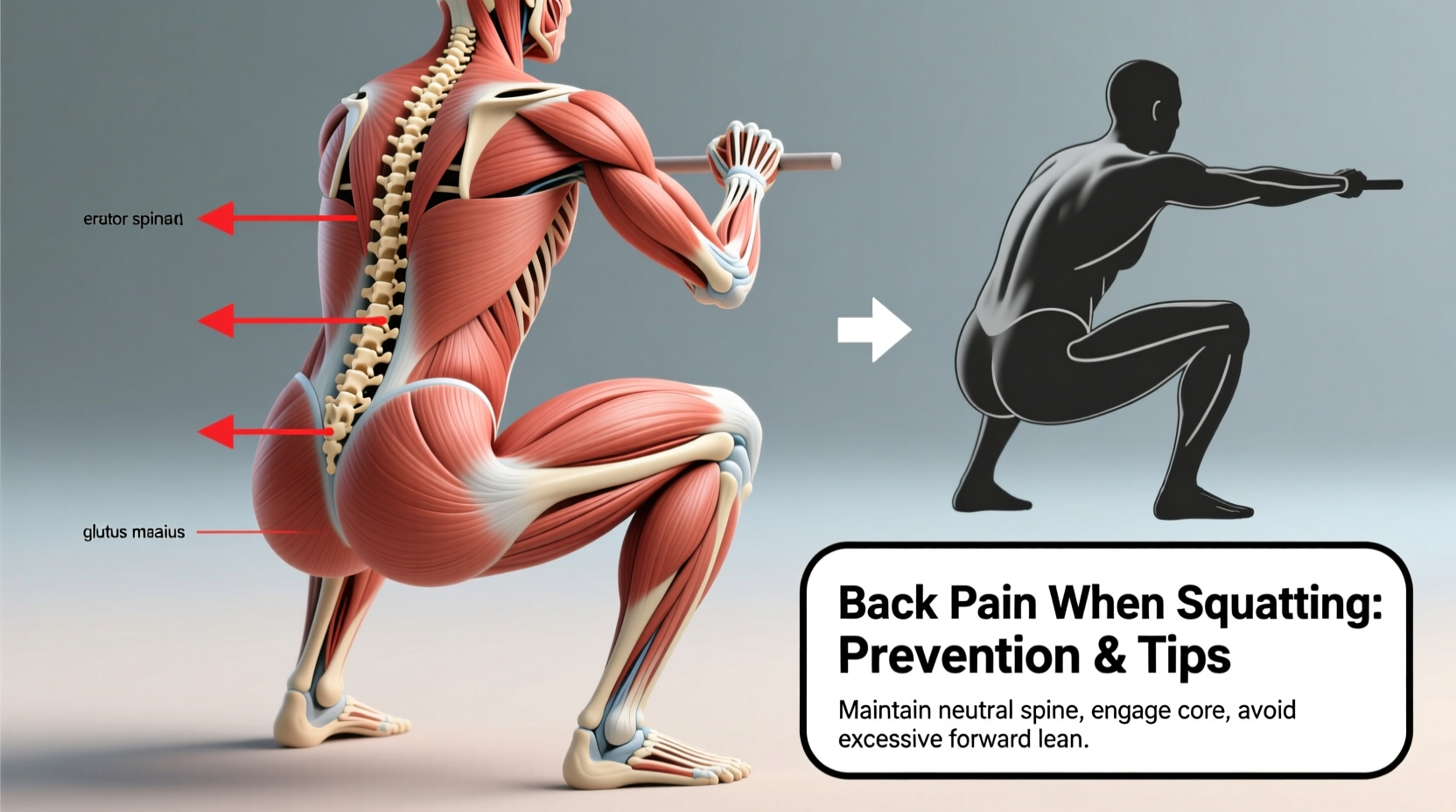
Back pain during squats rarely stems from a single factor. Instead, it's often the result of biomechanical inefficiencies, muscle imbalances, or poor technique. Identifying the root cause is essential for long-term relief and injury prevention.
- Lumbar Flexion Under Load: Rounding the lower back, especially when lifting weight, places excessive stress on spinal discs and ligaments.
- Insufficient Hip Mobility: Tight hips force the lumbar spine to compensate by moving excessively, increasing shear forces on the vertebrae.
- Weak Core Muscles: A weak core fails to stabilize the spine, allowing unwanted motion during descent and ascent.
- Poor Ankle Dorsiflexion: Limited ankle mobility shifts weight forward, causing the torso to pitch and the back to round.
- Improper Bar Placement (in weighted squats): Incorrect bar positioning can alter spinal alignment and increase compressive forces.
- Overloading Too Soon: Adding heavy weights before mastering form amplifies any existing flaws in movement.
Prevention Strategies: Building a Resilient Spine
Preventing back pain starts long before you step into a squat. It involves cultivating strength, mobility, and awareness across multiple joints and muscle groups. A proactive approach reduces risk and enhances functional capacity.
“Most squat-related back injuries stem from cumulative poor mechanics, not sudden trauma. The spine tolerates load well—but only when aligned properly.” — Dr. Jordan Lee, Physical Therapist & Movement Specialist
Core Stability Training
A strong core doesn’t mean visible abs; it means a system of deep stabilizers—transverse abdominis, multifidus, diaphragm, and pelvic floor—that work together to maintain spinal rigidity. Exercises like dead bugs, planks with abdominal bracing, and bird-dogs build this foundational control.
Hip and Ankle Mobility Work
Tight hip flexors or restricted ankle dorsiflexion limit your ability to drop into a deep squat without compromising your spine. Incorporate daily drills such as:
- Calf stretches against a wall
- Frog stretches for hip internal rotation
- Lunging hip flexor mobilizations with posterior tilt
Step-by-Step Guide to a Safe, Pain-Free Squat
Executing a technically sound squat minimizes spinal stress and maximizes efficiency. Follow this sequence to refine your form:
- Set Your Stance: Feet shoulder-width apart, toes slightly turned out. Distribute weight evenly across the whole foot.
- Engage Your Core: Take a breath into your belly, brace your abs as if preparing for a punch—this creates intra-abdominal pressure to support the spine.
- Hinge at the Hips: Initiate the movement by pushing your hips back, as if closing a car door with your butt.
- Control the Descent: Lower yourself slowly, keeping your chest up and spine neutral. Avoid letting your knees collapse inward.
- Reach Depth Safely: Go only as deep as you can maintain a neutral spine. Some individuals may need to limit depth due to anatomical variation.
- Drive Through the Heels: Push through the entire foot, especially the heel and big toe mound, to stand up powerfully.
- Reset Between Reps: At the top, fully extend hips and knees, release tension briefly, then re-brace for the next rep.
Do’s and Don’ts When Squatting with Back Sensitivity
| Do’s | Don’ts |
|---|---|
| Maintain a neutral spine throughout the movement | Round your back, especially under load |
| Brace your core before initiating the squat | Hold your breath or breathe shallowly |
| Warm up hips, ankles, and thoracic spine before squatting | Jump straight into heavy sets without preparation |
| Use assistance (like holding a pole) if balance is an issue | Force depth beyond what your body allows |
| Start with bodyweight or goblet squats to master form | Add weight before achieving consistent technique |
Real-World Example: Recovering From Recurrent Low Back Pain
Mark, a 38-year-old software engineer, began experiencing sharp low back pain every time he attempted air squats during home workouts. Initially dismissing it as stiffness, he pushed through—only to find the pain worsening over weeks. After consulting a physical therapist, Mark discovered two key issues: severely tight hip flexors from prolonged sitting and near-zero core engagement during movement.
His rehabilitation plan included daily hip flexor stretches, breathing exercises to activate his diaphragm and transverse abdominis, and a progressive return to squatting using a box to control depth. Within six weeks, Mark could perform unweighted squats without pain—and eventually progressed to kettlebell goblet squats with confidence.
This case illustrates that back pain during squats is often reversible with targeted corrections, even without structural damage.
Essential Tips for Long-Term Back Health
Checklist: Pre-Squat Preparation Routine
- ✅ Perform 1 minute of diaphragmatic breathing to engage core muscles
- ✅ Complete 10 reps each of ankle mobilizations and hip openers
- ✅ Do 2 sets of 10 bodyweight glute bridges to activate posterior chain
- ✅ Practice 5 slow tempo bodyweight squats focusing on form
- ✅ Assess comfort and adjust stance or depth if needed
Frequently Asked Questions
Why does my lower back hurt only at the bottom of the squat?
Pain at the lowest point often indicates lumbar flexion due to limited hip or ankle mobility. As you descend, the pelvis may tuck under (posterior pelvic tilt), causing the spine to round. This “butt wink” increases disc pressure. Try reducing depth or improving mobility before progressing.
Can I still squat if I have a history of herniated discs?
Yes, but with caution. Many individuals with disc issues can squat safely using proper form, controlled range of motion, and appropriate loading. Always consult a healthcare provider or physical therapist to determine safe parameters for your condition.
Is it better to squat with shoes or barefoot?
Barefoot squatting improves ground feedback and foot stability but requires good ankle mobility. Weightlifting shoes with elevated heels benefit those with limited dorsiflexion. Choose based on your individual biomechanics and goals.
Conclusion: Move Stronger, Live Better
Back pain when squatting isn't something you must accept. With mindful practice, targeted mobility work, and attention to technique, most causes are preventable and often reversible. Your ability to squat comfortably impacts more than just gym performance—it affects how you move through life.
Start where you are. Relearn the fundamentals. Build resilience gradually. Your spine will thank you for years to come.




 浙公网安备
33010002000092号
浙公网安备
33010002000092号 浙B2-20120091-4
Comments
No comments yet. Why don't you start the discussion?