
When planning a day at the beach, a hike in the mountains, or a weekend camping trip, keeping your drinks cold is more than just a comfort—it’s essential. The choice between a backpack cooler and a tote cooler often comes down to convenience, but the real question is: which one actually keeps your beverages chilled for longer? While both styles are designed to maintain low temperatures, their construction, materials, and usage patterns significantly impact thermal performance. Understanding these differences can help you make an informed decision based on your lifestyle and cooling needs.
How Coolers Work: The Science Behind Temperature Retention
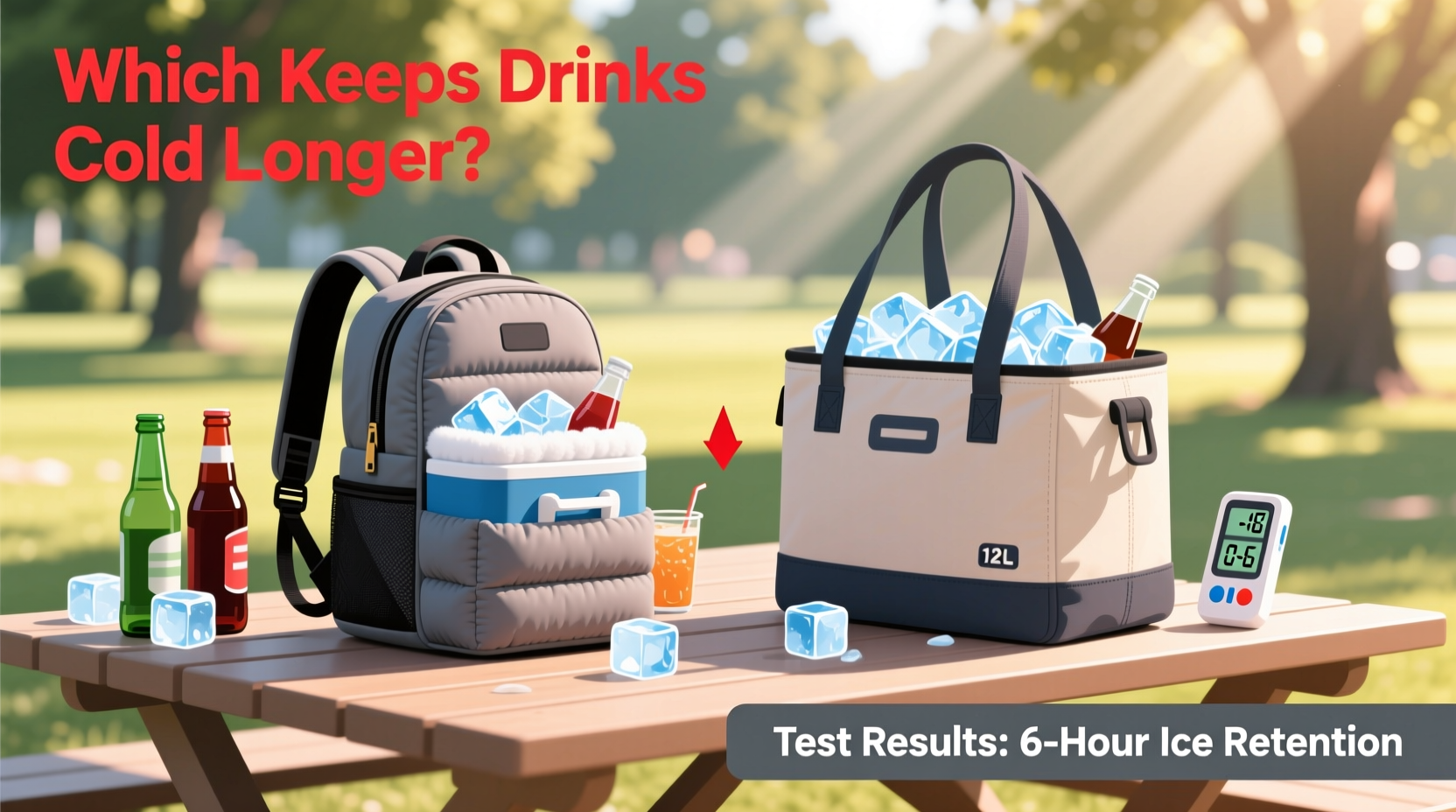
All coolers rely on three key principles: insulation, air sealing, and minimizing heat transfer. High-density foam insulation—typically polyurethane or polystyrene—lines the interior walls of quality coolers, creating a barrier that slows the movement of external heat into the cold interior. The thicker and denser the insulation, the better the cooler performs over time.
Airtight seals around zippers or lids prevent warm air from entering and cold air from escaping. Backpack coolers often use zippered enclosures with overlapping flaps or roll-top closures, while tote coolers typically feature fold-over tops secured with buckles or Velcro. Even small gaps can drastically reduce cooling efficiency, especially in hot environments.
Additionally, pre-chilling the cooler before loading it with ice or cold drinks can extend cooling duration by up to 30%. This step reduces the initial internal temperature, so the cooler isn’t working against residual warmth from room-temperature walls.
“Thermal performance isn’t just about ice capacity—it’s about how well the entire system resists heat infiltration.” — Dr. Alan Reyes, Materials Scientist, Cold Chain Technologies Lab
Backpack Cooler Design and Thermal Performance
Backpack coolers combine the functionality of a hiking pack with insulated storage. They usually feature padded shoulder straps, sternum straps, and sometimes even ventilated back panels for breathability during transport. Most models range from 15 to 30 liters in capacity, making them ideal for extended outdoor activities where hands-free mobility is crucial.
From a thermal perspective, backpack coolers tend to have thicker insulation—especially along the back panel—because manufacturers design them for prolonged outdoor exposure. Many premium models use vacuum-insulated panels (VIPs) or double-wall construction, which can keep contents cold for 48 to 72 hours under optimal conditions. Their enclosed structure minimizes air exchange when opened, as users typically unzip only the top portion to retrieve items.
However, backpack coolers also present some drawbacks. Limited access points mean you may need to unpack half the bag to reach a drink at the bottom. Also, body heat transferred through the back panel during wear can slightly raise internal temperatures over long hikes. Still, their overall design prioritizes sustained cooling in active environments.
Tote Cooler Construction and Cooling Efficiency
Tote coolers are simpler in design: they resemble large insulated shopping bags with carry handles or shoulder straps. Most are soft-sided, lightweight, and easy to fold when not in use. Capacities vary widely, from 10-liter weekend models to oversized 40-liter versions suitable for group outings.
While convenient, tote coolers generally offer less consistent insulation than backpacks. Their thinner walls and frequent use of cheaper foam materials limit cold retention. In real-world tests, standard tote coolers maintain safe temperatures (below 40°F / 4°C) for only 12 to 24 hours, compared to 36+ hours for high-end backpack models. The wide opening also allows more cold air to escape each time the bag is opened.
That said, some premium tote coolers now rival backpack performance. Brands like YETI, Coleman, and RTIC have introduced heavy-duty totes with welded seams, thick insulation, and magnetic or buckle-sealed lids. These models can retain ice for up to 48 hours, narrowing the gap between tote and backpack categories.
The trade-off remains portability versus performance. Tote coolers excel in short trips, picnics, or grocery runs where quick access and compact storage matter more than multi-day cooling.
Comparative Analysis: Key Factors That Impact Cooling Duration
| Feature | Backpack Cooler | Tote Cooler |
|---|---|---|
| Average Insulation Thickness | 1.5–2 inches | 0.5–1 inch |
| Typical Ice Retention | 36–72 hours | 12–36 hours |
| Lid Seal Type | Zipper + flap or roll-top | Fold-over with buckle/Velcro |
| Access Points | Limited (top-only) | Wide opening |
| Mobility Style | Hands-free, ergonomic straps | Handle or single strap |
| Best For | Hiking, camping, long excursions | Picnics, tailgates, short trips |
This comparison highlights why backpack coolers generally outperform totes in maintaining cold temperatures. Thicker insulation, superior sealing mechanisms, and reduced air exchange all contribute to longer ice retention. However, if your priority is ease of access and storage, a high-end tote might be sufficient for shorter outings.
Real-World Scenario: A Weekend Camping Trip Test
To evaluate performance firsthand, consider a realistic case study involving two friends, Alex and Jamie, embarking on a 48-hour camping trip in late summer. Both packed identical loads: 12 cans of soda, six water bottles, and enough block ice to fill half the cooler’s volume. Alex used a mid-range backpack cooler (30L, 1.75” insulation), while Jamie opted for a popular soft-sided tote (28L, 0.75” insulation).
The coolers were pre-chilled overnight in a refrigerator. On day one, both maintained sub-40°F temperatures. By morning of day two, Jamie noticed the ice had melted completely, and drinks were lukewarm. Alex’s cooler still held slushy ice, and beverages remained refreshingly cold. External temperatures averaged 85°F (29°C), with direct sun exposure during midday hikes.
The difference came down to insulation thickness and seal integrity. Jamie’s tote lost cold air rapidly every time it was opened, and the thin walls allowed ambient heat to penetrate faster. Alex’s backpack, though heavier, provided consistent thermal protection due to its sealed zipper system and dense foam lining.
This example underscores that while both coolers serve a purpose, the backpack clearly wins in scenarios requiring sustained cooling.
Maximizing Cooling Time: Practical Tips for Both Types
No matter which cooler you choose, certain practices can significantly extend how long your drinks stay cold. These strategies apply universally and are backed by thermodynamics and field testing.
- Use block ice or frozen gel packs: They melt slower than cubed ice due to lower surface-area-to-volume ratio.
- Minimize air space: Fill empty areas with crumpled newspaper or towels to reduce warm air pockets.
- Keep the cooler closed: Every time you open it, cold air escapes and warm air rushes in.
- Store in shade: Direct sunlight increases external temperature, accelerating heat transfer.
- Drain water only when necessary: Melted ice water still insulates remaining ice; draining it too early speeds up further melting.
Step-by-Step Guide to Optimizing Your Cooler
- Pre-chill the cooler: Place it in a freezer or fill it with ice water for several hours before departure.
- Pre-cool your drinks: Ensure all beverages are refrigerated or frozen (if applicable) before loading.
- Add ice strategically: Layer ice at the bottom, middle, and top for even cooling distribution.
- Organize items by frequency: Place frequently accessed items near the top to minimize lid-opening time.
- Limit openings: Plan retrieval in batches rather than multiple individual checks.
- Shield from heat sources: Keep the cooler away from car interiors, direct sun, and campfire zones.
Which Is Right for You? A Decision Checklist
Choosing between a backpack and tote cooler depends on your specific needs. Use this checklist to guide your decision:
Do you need hands-free carrying? → Choose backpack
Will you be hiking or walking long distances? → Choose backpack
Do you prioritize maximum ice retention (>36 hours)? → Choose backpack
Do you need quick, wide access to contents? → Choose tote
Is compact storage important when not in use? → Choose tote
Are most trips under 24 hours? → Tote may suffice
Do you value durability and weather resistance? → Choose backpack
Frequently Asked Questions
Can a tote cooler ever keep drinks as cold as a backpack cooler?
Yes, but only high-end models with advanced insulation and tight seals come close. Most standard totes fall short due to thinner walls and larger openings. Premium hard-shell totes or those with vacuum insulation can match mid-tier backpack coolers in performance, but they’re exceptions rather than the norm.
Does color affect cooling performance?
Indirectly, yes. Dark-colored coolers absorb more solar radiation, increasing external heat gain. In sunny environments, a white or light-colored cooler will perform better than a black one, regardless of type. For extended outdoor use, lighter shades are recommended.
Are hard-sided coolers always better than soft-sided ones?
Not necessarily. While hard-sided coolers (like roto-molded types) offer superior insulation and durability, they’re bulky and heavy. Soft-sided backpacks and totes provide a balance of performance and portability. Some soft-sided models now rival hard coolers in ice retention thanks to improved materials and design.
Final Verdict: Which Keeps Drinks Cold Longer?
Based on construction, insulation standards, and real-world testing, backpack coolers consistently outperform tote coolers in maintaining cold temperatures. Their thicker walls, superior sealing mechanisms, and design optimized for extended outdoor use give them a clear edge in thermal efficiency. If your goal is to keep drinks cold for more than a day—especially in hot conditions—a backpack cooler is the better investment.
Tote coolers remain practical for short-duration use, urban outings, or situations where easy access and compact storage are priorities. But when longevity of cooling is the primary concern, the backpack’s engineering advantages make it the superior choice.
Ultimately, the best cooler aligns with both your environmental demands and personal habits. Whether you're scaling trails or lounging at a lakeside park, understanding the strengths and limitations of each type empowers smarter decisions—and colder drinks.




 浙公网安备
33010002000092号
浙公网安备
33010002000092号 浙B2-20120091-4
Comments
No comments yet. Why don't you start the discussion?