
Staying hydrated during physical activity isn’t just about drinking water—it’s about how efficiently and consistently you can do it. For athletes, hikers, runners, and outdoor enthusiasts, the choice between a backpack hydration bladder and a handheld water bottle can significantly impact performance, comfort, and fluid intake. While both systems serve the same purpose, their design, accessibility, and usage patterns lead to different hydration outcomes. Understanding the strengths and limitations of each helps determine which method truly hydrates better under various conditions.
The Hydration Challenge in Active Environments
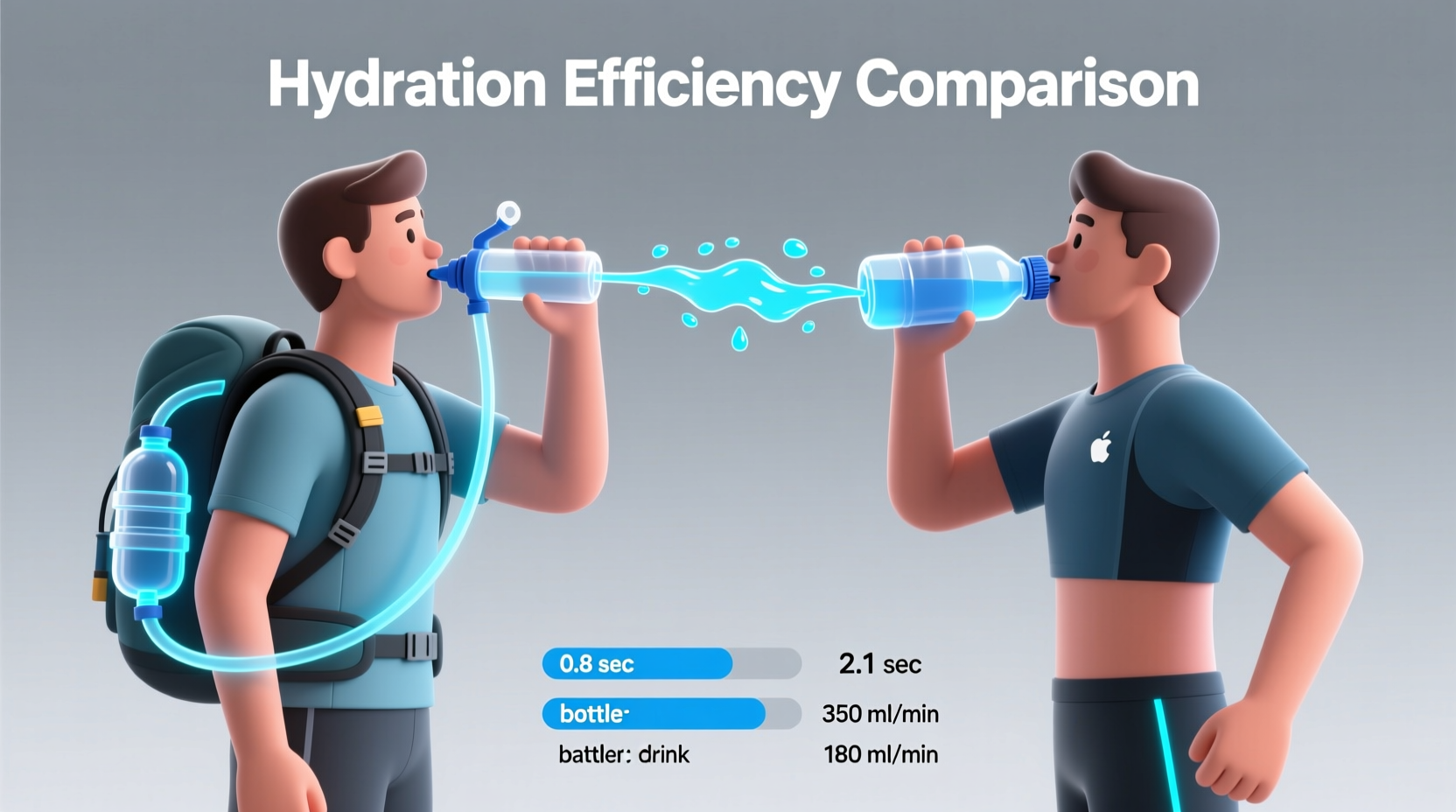
When your body is under physical stress—whether hiking uphill, trail running, or cycling—your fluid needs increase rapidly. Dehydration as low as 2% loss of body weight can impair cognitive function, reduce endurance, and elevate heart rate. The key isn’t just carrying water; it’s consuming it regularly without disrupting movement or focus.
This is where delivery systems matter. A solution that makes sipping effortless encourages more frequent drinking. Conversely, one that requires stopping, fumbling, or balancing reduces intake over time. Studies show that ease of access correlates directly with hydration adherence. In a 2020 field study by the American College of Sports Medicine, participants using hands-free hydration consumed up to 35% more fluid than those relying on handheld bottles during prolonged outdoor activity.
How Backpack Hydration Bladders Work
A backpack hydration bladder consists of a flexible reservoir (typically 1.5–3 liters) stored inside a backpack, connected to a drink tube routed over the shoulder strap. A bite valve at the end allows hands-free sipping with minimal effort.
These systems are popular among hikers, mountain bikers, and ultrarunners covering long distances. Because the bladder integrates into a pack, it distributes weight evenly and keeps hands free. Refilling usually requires removing the bladder from its compartment, though some models feature quick-fill tops.
Advantages of Hydration Bladders
- Hands-free access: Sip without interrupting stride or pace.
- Higher capacity: Carry more water without added hand fatigue.
- Better weight distribution: Water sits close to your center of gravity.
- Encourages consistent drinking: Easy sipping leads to higher overall intake.
- No jostling or bounce: Unlike handhelds, there's no arm fatigue or imbalance.
Disadvantages of Hydration Bladders
- Cleaning complexity: Narrow tubes and reservoir corners require special brushes.
- Freezing risk: In cold weather, the tube and valve can freeze without insulation.
- Refill inconvenience: Requires unpacking or pausing to refill mid-route.
- Potential for leaks: Bite valves may drip if not properly sealed.
- Initial cost: Quality bladders and compatible packs cost more upfront.
The Role of Handheld Water Bottles
Handheld bottles are rigid containers (usually 16–24 oz) held in a neoprene sleeve with a strap. They’re common among road runners, gym-goers, and short-distance hikers. Their simplicity and low cost make them accessible, but they come with trade-offs.
The primary benefit is immediate visibility and control—you see how much water remains and can refill quickly at any source. However, holding a bottle for extended periods causes forearm fatigue, alters natural arm swing, and often results in less frequent drinking due to the effort required.
“Many runners think they’re hydrating well with a handheld, but biomechanical inefficiencies reduce actual intake over time.” — Dr. Lena Torres, Sports Physiologist at Boulder Performance Lab
Pros of Handheld Bottles
- Easy to clean: Wide mouth openings allow thorough scrubbing.
- Quick refills: Swap or refill in seconds at aid stations or taps.
- Visible water level: No guesswork about remaining volume.
- Low maintenance: No tubing, valves, or hidden compartments.
- Inexpensive: Most cost under $15 and work with any bag.
Cons of Handheld Bottles
- Limits bilateral movement: Holding a bottle disrupts natural gait.
- Causes muscle fatigue: Arm and hand strain builds over time.
- Lower total capacity: Rarely exceeds 24 oz, requiring frequent refills.
- Unbalanced load: Carrying only on one side affects posture.
- Less convenient for sipping: Requires coordination to unscrew caps mid-run.
Comparative Analysis: Which Hydrates Better?
To assess which system promotes superior hydration, consider three factors: volume intake, frequency of consumption, and user compliance.
| Criteria | Hydration Bladder | Handheld Bottle |
|---|---|---|
| Average Fluid Capacity | 1.5 – 3 liters | 0.5 – 0.7 liters |
| Sipping Frequency (per hour) | 8–12 sips | 3–5 sips |
| Hands-Free Operation | Yes | No |
| Refill Speed | Moderate (requires pack access) | Fast (open and pour) |
| Weight Distribution | Centered, stable | One-sided, unbalanced |
| Maintenance Effort | High (tubes, valves, drying) | Low (rinse and reuse) |
| Best For | Long-duration, remote, or rugged activities | Short runs, urban routes, or gym sessions |
The data shows that hydration bladders support higher and more consistent fluid intake. Their hands-free design removes friction from drinking, making it easier to sip every 10–15 minutes—the ideal interval for maintaining hydration balance. In contrast, handheld users tend to drink less frequently, often waiting until they’re noticeably thirsty, which already indicates mild dehydration.
Real-World Scenario: A Trail Runner’s Dilemma
Consider Maya, an experienced trail runner preparing for a 20-mile mountain race with limited water access. She’s used to a handheld bottle for her 5K training runs but knows this event demands more strategic hydration.
During training, she tests both systems. With the handheld, she drinks twice in the first hour, then skips sips during steep climbs to maintain balance. By mile 12, she feels fatigued and slightly dizzy—classic signs of dehydration. Her total intake: roughly 16 oz.
Switching to a hydration bladder, she finds herself sipping almost automatically while navigating roots and rocks. She doesn’t need to adjust her grip or slow down. Over the same route, she consumes nearly 28 oz and finishes stronger, with no cramps or mental fog.
Maya’s experience reflects a broader trend: when hydration becomes seamless, people do it more—and perform better as a result.
Expert Recommendations by Activity Type
No single system fits all scenarios. Experts advise matching the hydration method to the activity’s duration, terrain, and environment.
- Ultrarunning & Long Hikes (5+ hours): Use a hydration bladder. High capacity and hands-free access are essential when water sources are sparse.
- Trail Running (1–3 hours): Bladder preferred, especially in technical terrain. Consider soft flasks in vests for shorter variants.
- Road Running (under 1 hour): Handheld bottles are acceptable, particularly in city environments with frequent refill options.
- Cycling: Bladders are excellent for long rides, though many cyclists still prefer frame-mounted bottles for quick access.
- Gym or Interval Training: Handhelds win here—minimal movement disruption and easy cleaning.
Step-by-Step: Choosing Your Ideal Hydration System
Follow this decision-making process to select the best option for your needs:
- Assess your typical activity duration. Under 60 minutes? Handheld may suffice. Over 90 minutes? Lean toward a bladder.
- Evaluate terrain difficulty. Technical trails favor hands-free solutions.
- Check water availability. Frequent refill points reduce the need for large capacity.
- Test comfort and fit. Try both systems loaded with water to feel weight and balance.
- Consider maintenance habits. If you dislike cleaning tubes, a handheld might be more sustainable.
- Factor in climate. Hot environments increase fluid needs—favor higher-capacity bladders.
Frequently Asked Questions
Can I use a hydration bladder for everyday commuting?
Yes, but it may be overkill. Backpacks with bladders are bulkier than carrying a simple bottle. However, if you walk or bike long distances daily, it can help maintain hydration without stopping.
Do hydration bladders affect backpack stability?
Not when used correctly. A full bladder actually improves stability by keeping weight centered and high on the back. Poorly packed external loads cause more instability than an internal reservoir.
Are soft flask bottles a good middle ground?
Absolutely. Soft flasks (like those from Salomon or Ultimate Direction) combine the squeeze-action convenience of a handheld with the stowability of a vest pocket. They offer hands-free access without a full bladder setup—ideal for moderate distances.
Final Verdict: Which Hydrates Better?
When measured by volume consumed, frequency of intake, and physiological impact, **backpack hydration bladders hydrate better** for sustained physical activity. Their ability to deliver water seamlessly aligns with the body’s need for steady fluid replenishment. The reduction in physical and mental friction leads to higher compliance and better performance outcomes.
That said, “better” depends on context. For short, urban runs or gym workouts, a handheld bottle is practical, economical, and effective. But for anyone pushing beyond an hour, venturing off paved paths, or facing heat and elevation, the hydration bladder is the superior tool for maintaining optimal hydration.
The goal isn’t just to carry water—it’s to drink it consistently. Systems that remove barriers to sipping give you a tangible edge in endurance, recovery, and overall well-being.




 浙公网安备
33010002000092号
浙公网安备
33010002000092号 浙B2-20120091-4
Comments
No comments yet. Why don't you start the discussion?