
When it comes to handbags, the devil is in the details—especially the strap hardware. Lately, metal chain extensions have become a staple in luxury and fast-fashion designs alike, often touted as more durable, stylish, and versatile than traditional adjustable buckles. But is this preference rooted in real performance, or simply a product of marketing and aesthetics? The answer isn’t black and white. For everyday users, designers, and even repair specialists, the choice between metal chains and buckle systems affects comfort, longevity, and practicality.
This article breaks down the functional, aesthetic, and long-term implications of both options, drawing from material science, user experiences, and expert insights to determine whether metal chain extensions are worth the hype—or if simpler buckle mechanisms still hold their ground.
The Anatomy of Bag Strap Adjustability
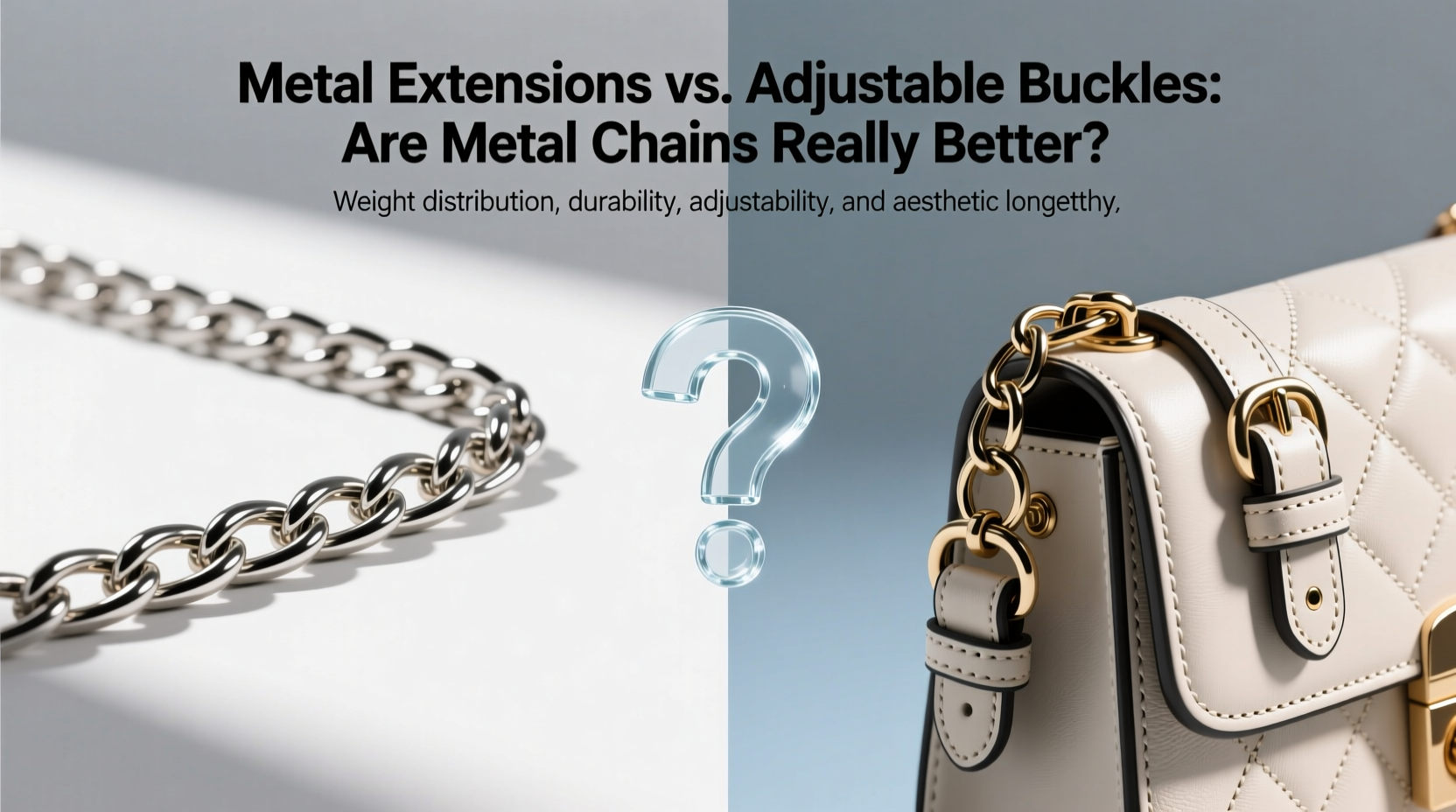
Before comparing the two systems, it’s essential to understand how each functions. Adjustable buckles and metal chain extensions serve the same purpose: allowing users to customize the length and fit of their bag straps. However, they achieve this through fundamentally different mechanisms.
- Adjustable Buckles: Typically made of plastic or lightweight metal, these use a sliding clasp or ratchet system to lock the strap at a desired length. Common in backpacks, crossbody bags, and utility styles.
- Metal Chain Extensions: Usually crafted from brass, stainless steel, or alloy links, these attach to fabric or leather straps and allow incremental adjustment by hooking onto different chain links. Frequently seen on designer shoulder bags and clutches.
The difference goes beyond appearance. Each system interacts uniquely with weight distribution, wear patterns, and user behavior.
Durability: Strength vs. Stress Points
Durability is often the first argument in favor of metal chains. Metal is inherently stronger than most synthetic buckle materials, especially under tension. However, strength alone doesn’t guarantee longevity. Weak points matter just as much as material quality.
Plastic buckles can degrade over time due to UV exposure, temperature changes, or repeated friction. They may crack or lose grip, particularly in lower-end bags. In contrast, metal chains resist environmental wear better—but introduce new risks. The pivot points between links can loosen, and constant bending at connection points (where the chain meets the bag or clasp) leads to metal fatigue.
“Metal chains look robust, but they’re only as strong as their weakest link—literally. I’ve repaired countless high-end bags where the anchor ring pulled through the leather due to concentrated stress.” — Luis Mendez, Handbag Restoration Specialist
Buckles, when well-made, distribute pressure more evenly along the strap. This reduces localized strain. High-quality nylon webbing with aluminum sliders, for example, performs reliably for years under daily use.
Comfort and Ergonomics: Weight and Flexibility
No one wants a bag that digs into their shoulder or slips constantly. Comfort hinges on weight, flexibility, and adjustability precision.
Metal chains add noticeable heft. A full-length chain strap can weigh 3–5 times more than a nylon or polyester alternative. Over time, this extra weight contributes to shoulder strain, especially for larger totes or all-day carry.
On the flip side, chains offer finer adjustments. Instead of being limited to preset notches (as with many buckles), users can reposition the clasp on any link, achieving a near-custom fit. This micro-adjustability is particularly useful for crossbody wear, where a few centimeters can make the difference between comfort and slippage.
Buckle systems, while less precise, tend to be smoother against clothing and skin. Fabric-covered straps with soft buckles avoid chafing and don’t snag delicate fabrics—a key consideration for silk blouses or knits.
Aesthetic Appeal and Fashion Trends
Let’s not ignore the elephant in the room: aesthetics. Metal chains evoke luxury. Think of iconic designs like the Chanel quilted bag or YSL’s Loulou—chains are central to their visual identity. They catch light, add structure, and signal craftsmanship.
In fashion media and influencer culture, chain straps are consistently associated with sophistication and modern minimalism. This perception drives demand, even when functionality lags behind form.
Adjustable buckles, especially plastic ones, are often viewed as utilitarian or sporty. While brands like The Row or Totême integrate minimalist metal sliders elegantly, the default association remains casual or technical. Yet, this “understated” look appeals to those prioritizing function over flash.
The irony? Many high-end bags now use metal chains purely for show, pairing them with fixed-length straps or non-adjustable setups. In such cases, the chain serves as decoration, not utility—fueling the argument that the trend is more about image than innovation.
Comparative Analysis: Chains vs. Buckles
| Feature | Metal Chain Extensions | Adjustable Buckles |
|---|---|---|
| Durability (Material) | High (resists abrasion, weather) | Medium (plastic degrades; metal varies) |
| Stress Resistance | Low (concentrated at joints) | High (distributed across strap) |
| Weight | Heavy (adds 150–400g) | Light (under 100g) |
| Adjustability Precision | High (per-link adjustment) | Medium (notch-limited) |
| Comfort | Lower (rigid, cold, heavy) | Higher (flexible, soft-touch) |
| Fashion Perception | Luxury, trendy | Functional, understated |
| Maintenance Needs | Regular polishing, joint checks | Cleaning debris from slider |
Real-World Example: The Commuter’s Dilemma
Sophia, a graphic designer in Brooklyn, uses her bag daily—on subways, bike rides, and client meetings. She owns two versions of a popular crossbody style: one with a metal chain extension, another with a matte-finish nylon strap and micro-adjustable buckle.
Initially drawn to the chain version for its sleek look, she found herself switching to the buckle model within weeks. “The chain looked great in photos, but it dug into my shoulder during long days. It also made noise when I walked, which was awkward in quiet offices. The buckle strap stayed put, weighed nothing, and I could tweak the length midday without fumbling.”
Her experience reflects a broader trend: social media drives desire for chain straps, but real-world usability often favors subtler solutions.
Expert Recommendations: Choosing What Works for You
There’s no universal winner. The best choice depends on your lifestyle, bag type, and priorities. Consider the following checklist before deciding:
- Will you carry the bag for extended periods? → Prioritize lightweight, flexible straps.
- Do you value fine-tuned adjustability? → Metal chains offer more precision.
- Is the bag primarily decorative or daily-use? → Chains suit occasional wear; buckles excel in routine use.
- What’s the strap attachment method? → Look for reinforced stitching or metal washers to prevent tearing.
- How important is noise and texture? → Chains can clink and feel cold; buckles are quieter and softer.
FAQ: Addressing Common Concerns
Can metal chains damage leather attachment points?
Yes. Without proper reinforcement, the constant movement and weight of a metal chain can cause the leather to stretch or tear over time. Look for bags with double-stitched seams or metal rivets at stress points.
Are adjustable buckles prone to slipping?
Poorly designed buckles can slip, especially under load. High-quality sliders with textured grips or locking mechanisms minimize this risk. Test the buckle before purchasing—pull firmly to simulate real-world stress.
Can I replace a buckle with a chain or vice versa?
Yes, but it requires professional alteration. Converting a strap introduces new stress factors and may void warranties. Consult a leatherworker or bag specialist before modifying hardware.
Final Verdict: Hype or Substance?
Metal chain extensions are not inherently better—they’re different. Their appeal lies in aesthetics and perceived luxury, not universal superiority. For short outings, evening events, or statement pieces, chains enhance elegance and brand recognition. But for daily commutes, active lifestyles, or ergonomic comfort, adjustable buckles often deliver better performance.
The real issue isn’t the hardware itself, but intentionality. Are you choosing a feature because it suits your needs—or because it looks good in an Instagram post? Recognizing the difference empowers smarter decisions.
“Function should lead form in accessories. A beautiful bag that hurts to carry fails its primary purpose.” — Naomi Park, Sustainable Fashion Consultant
Take Action: Audit Your Bag Collection
Look at your current bags. Which ones do you reach for most? Are they comfortable, reliable, and suited to your routine? If you’ve been swayed by trends, consider swapping out flashy chains for functional upgrades—or adding detachable padded sleeves to soften chain straps.




 浙公网安备
33010002000092号
浙公网安备
33010002000092号 浙B2-20120091-4
Comments
No comments yet. Why don't you start the discussion?