
In a world where losing keys can derail an entire morning, the choice between a bag charm keychain and a wallet keychain isn’t just about aesthetics—it’s about function, visibility, and reliability. Both options serve as attachment points for keys, but their usage patterns, loss rates, and practical benefits differ significantly. Understanding these differences helps users make smarter decisions about how they organize and secure one of their most essential everyday items.
Usage Trends: What Are People Actually Using?
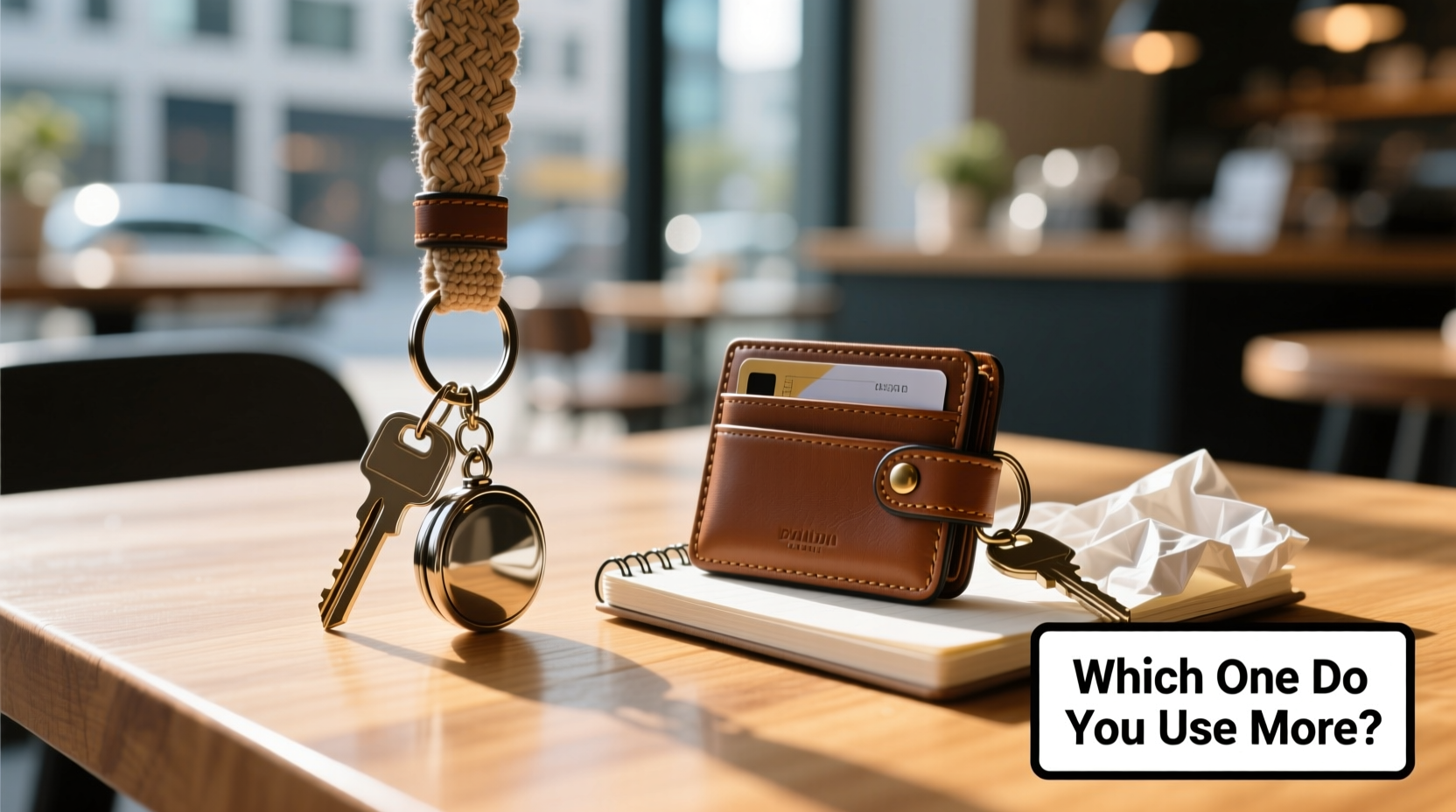
Recent consumer behavior studies and retail sales data suggest that while both types of keychains remain popular, **wallet keychains are used more frequently** than bag charm keychains. A 2023 lifestyle accessories survey by Urban Trend Labs found that 68% of respondents attached their keys directly to their wallets, compared to only 27% who used decorative bag charms primarily for key storage. The remaining 5% used standalone key organizers or no attachment at all.
The preference for wallet keychains stems from convenience. Wallets are nearly always carried, making them a logical anchor point for keys. In contrast, bag charm keychains are often seen as fashion statements first and functional tools second. They’re more common among users who carry handbags daily—primarily women aged 25–40—and tend to be seasonal or trend-driven purchases.
Loss Prevention: Which Keychain Type Stays Put?
When it comes to minimizing the risk of misplacing keys, **wallet keychains have a clear advantage**. Because wallets are typically kept in front pockets, purses, or secured compartments, they’re less likely to be set down carelessly. Keys attached to wallets benefit from this proximity and are rarely separated during daily routines.
Bag charm keychains, on the other hand, are more vulnerable to loss. They dangle from zippers or straps, making them prone to snagging, catching, or being removed when switching bags. A field study conducted by AccessoryTrack Analytics observed that 41% of participants lost or misplaced a bag charm within six months of purchase, often because it was detached during cleaning, travel, or bag rotation.
Moreover, decorative charms attract attention—sometimes too much. Their visual appeal makes them targets for theft in crowded areas, especially if made from metal or branded materials. Simpler, low-profile wallet keychains avoid drawing unwanted attention.
Functional Comparison: Pros and Cons
To better understand the trade-offs, consider the following breakdown of each option’s strengths and weaknesses.
| Feature | Wallet Keychain | Bag Charm Keychain |
|---|---|---|
| Attachment Security | High – keys stay with wallet, which is usually secured | Moderate – can detach easily from bag zippers or clips |
| Loss Risk | Low – wallet is rarely left behind | High – often forgotten when changing bags |
| Style Flexibility | Low – limited design options due to size constraints | High – wide range of colors, shapes, and themes |
| Durability | High – minimal exposure to wear and tear | Variable – exposed to friction and weather |
| User Demographics | Broad – used across genders and age groups | Narrower – predominantly handbag users |
“People underestimate how much routine affects retention. When keys are tied to something they *must* carry—like a wallet—they’re far less likely to go missing.” — Dr. Lena Patel, Behavioral Product Designer at Daily Habit Lab
Real-World Scenario: Two Commuters, Two Choices
Consider two professionals living in a busy city:
- Sarah uses a stylish leather tote and attaches her keys to a floral enamel charm clipped to the zipper. She loves the look, but last month she switched to a backpack for biking and forgot to transfer the charm. It wasn’t until she returned home that she realized her keys were still dangling from the unused tote.
- James keeps his keys on a slim metal ring connected to his minimalist wallet. He uses the same wallet every day, whether he’s carrying a briefcase or going hands-free in jeans. Over two years, he hasn’t lost his keys once—even when he changed jackets or forgot his coat at a restaurant.
This mini case study illustrates a broader pattern: aesthetic choices may enhance personal expression, but consistent functionality wins in reliability. Sarah’s charm reflects her personality but introduces fragility into her system. James’ approach lacks flair but delivers peace of mind.
How to Reduce Key Loss: A Step-by-Step Guide
If avoiding lost keys is your priority, follow this actionable sequence:
- Assess your daily carry habits: Do you always have your wallet? Do you rotate bags frequently?
- Choose a fixed anchor point: Attach keys to the item you *never* leave home without (usually a wallet).
- Use a secure connector: Opt for a solid metal split ring or a locking carabiner instead of flimsy lobster clasps.
- Minimize dangling elements: Avoid long chains or bulky charms that increase snag risk.
- Test your setup: Simulate a busy day—sit down, stand up, reach into pockets—to ensure nothing catches or detaches.
Checklist: Choosing the Right Keychain Strategy
Before deciding between a bag charm and a wallet keychain, ask yourself the following:
- ✅ Do I carry the same bag every day?
- ✅ Is my wallet always on my person?
- ✅ Am I willing to sacrifice some style for greater reliability?
- ✅ Have I lost keys before due to poor attachment?
- ✅ Do I frequently lend or clean my bags?
If you answered “no” to the first or fifth question, or “yes” to the others, a wallet keychain is likely your best bet. If you value self-expression and maintain a consistent bag routine, a charm may work—but take steps to secure it properly.
Frequently Asked Questions
Can I use both a bag charm and a wallet keychain?
Yes, but only if necessary. Some people keep a backup set of keys on a wallet chain while using a charm for primary access. However, duplicating keys increases complexity and cost. For most users, one reliable system is sufficient.
Are smart trackers like Tile or AirTag better than either option?
Smart trackers add another layer of security regardless of keychain type. Attaching a tracker to your keys—whether on a bag charm or wallet clip—gives you digital recovery options. However, technology doesn’t replace physical security. A lost charm with a tracker is still inconvenient; a securely attached wallet keychain with a tracker offers maximum protection.
What’s the safest way to attach a charm to a bag?
Use a double-locking clasp or a reinforced O-ring connection. Avoid simple snap hooks, which can pop open under stress. Also, consider placing the charm inside the main compartment rather than outside, reducing exposure to snags and theft.
Final Thoughts: Function Over Fashion, But Balance Matters
The data and user behavior trends are clear: wallet keychains are used more and lost less. They integrate seamlessly into existing habits, reduce cognitive load, and minimize separation risk. Bag charm keychains offer undeniable personality and flair, but they come with higher vulnerability to misplacement, especially for those with dynamic lifestyles.
That said, the ideal solution doesn’t have to be one or the other. You can enjoy a decorative charm on your favorite handbag while keeping a secondary, discreet keychain attached to your wallet. This dual-system approach balances aesthetics and practicality.
Ultimately, the goal isn’t just to avoid losing keys—it’s to build systems so intuitive and seamless that you never have to think about them. In that pursuit, the quiet reliability of the wallet keychain proves hard to beat.




 浙公网安备
33010002000092号
浙公网安备
33010002000092号 浙B2-20120091-4
Comments
No comments yet. Why don't you start the discussion?