
Choosing the right bed sheets can transform your sleep experience. Among natural fiber options, bamboo and eucalyptus have emerged as top contenders—both celebrated for their softness, eco-friendliness, and temperature-regulating properties. But when it comes to deciding between them, how do they truly compare in terms of softness and cooling? Understanding the subtle differences in texture, moisture-wicking ability, breathability, and environmental impact helps you make a smarter choice based on your sleep preferences and lifestyle.
Understanding the Materials: What Are Bamboo and Eucalyptus Sheets Made Of?
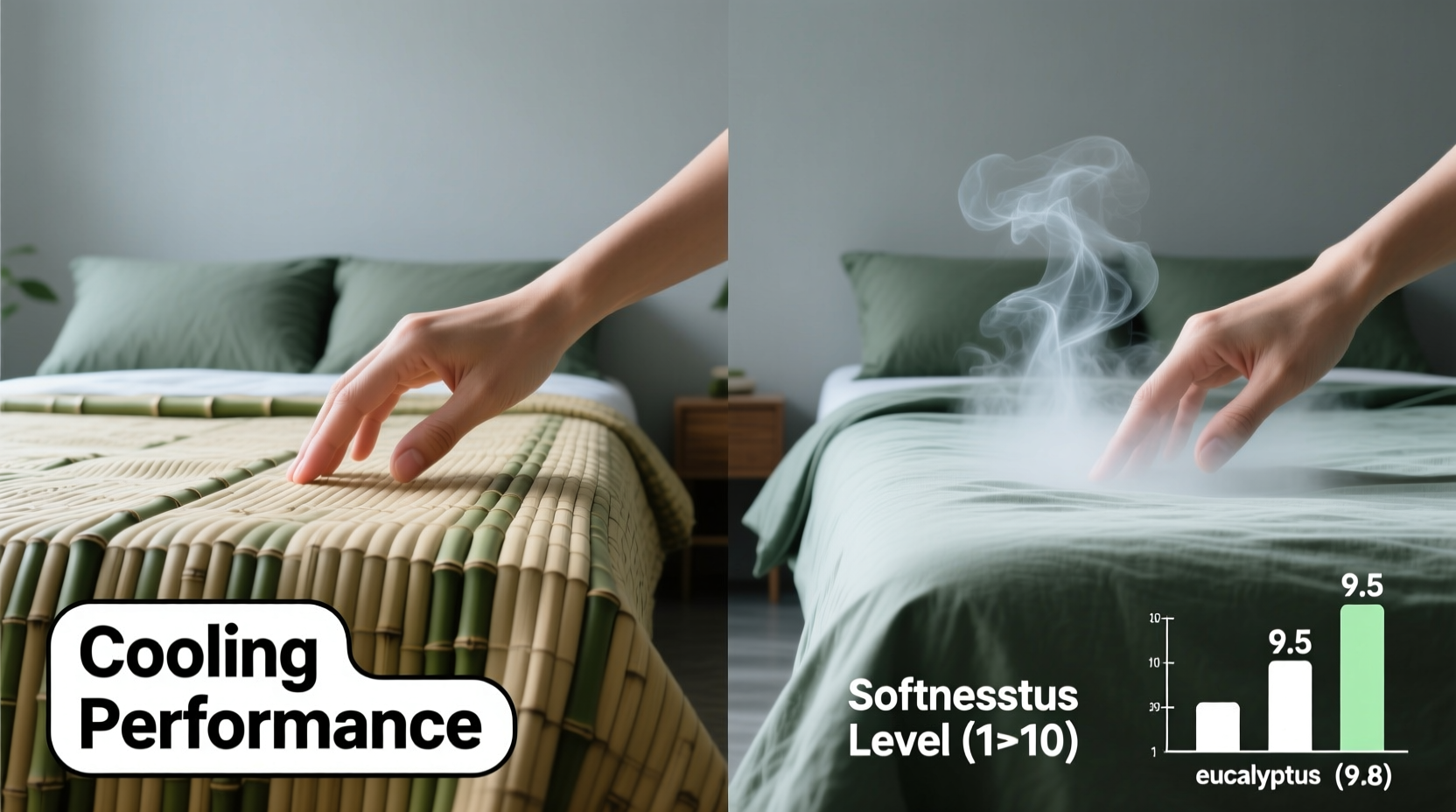
Bamboo and eucalyptus sheets are both derived from renewable plant sources, but their production processes and resulting fibers differ significantly. Most bamboo sheets are made from viscose rayon or lyocell extracted from bamboo pulp. The method used—whether chemical-intensive (viscose) or closed-loop (lyocell)—affects both the final product’s feel and its environmental footprint.
Eucalyptus sheets, on the other hand, are typically made using TENCEL™ Lyocell, a branded fiber produced by Lenzing AG. This process uses sustainably harvested eucalyptus trees grown on marginal land without irrigation. The closed-loop system recycles over 99% of solvents, making it one of the most eco-conscious textile manufacturing methods available.
The source material matters, but so does the finishing. Both fabrics undergo refinement into fine, silky fibers that are then woven into sateen or twill weaves, contributing to their signature smoothness. However, the molecular structure of eucalyptus fibers gives them an edge in moisture management—a key factor in cooling performance.
Softness Compared: Which Feels Better Against the Skin?
Softness is often the first quality people notice when touching high-end sheets. Both bamboo and eucalyptus deliver a luxurious, silk-like hand-feel, but there are nuanced differences.
Bamboo sheets tend to have a slightly cooler initial touch, with a smooth, satiny surface that feels plush after just a few washes. Over time, many users report that bamboo becomes even softer, especially if cared for properly. However, lower-quality bamboo viscose may pill or lose softness faster than premium variants.
Eucalyptus sheets, particularly those made with TENCEL™, offer a uniquely airy softness. They drape more fluidly than bamboo and feel lightweight against the skin. Users often describe the sensation as “cloud-like” or “buttery,” with less friction during movement. This makes them ideal for sensitive skin or restless sleepers who shift positions frequently.
Cooling Performance: How Do They Handle Heat and Moisture?
If you live in a warm climate or tend to sleep hot, cooling efficiency is likely a top priority. Both materials excel here, but through different mechanisms.
Bamboo is naturally breathable and has inherent antimicrobial properties that help resist odor buildup. Its fibers wick moisture away from the body effectively, though not quite as efficiently as eucalyptus. In humid environments, some bamboo viscose blends may retain slight dampness due to their absorbent nature, especially if tightly woven.
Eucalyptus outperforms in moisture vapor transmission. Independent lab tests show that TENCEL™ fibers can absorb and release moisture up to 50% faster than cotton—and better than standard bamboo viscose. This rapid evaporation creates a microclimate around the body that actively cools rather than merely tolerating heat. Sleep studies conducted by bedding manufacturers note that users of eucalyptus sheets report fewer night sweats and less tossing and turning during summer months.
“Eucalyptus-based lyocell fibers have superior hygroscopic properties, meaning they pull moisture away from the skin and disperse it quickly—this translates directly to enhanced thermal comfort.” — Dr. Lena Park, Textile Scientist at the Institute for Sleep & Material Innovation
Side-by-Side Comparison: Key Features at a Glance
| Feature | Bamboo Sheets | Eucalyptus Sheets |
|---|---|---|
| Initial Softness | Very soft, silky finish | Ultra-soft, airy drape |
| Cooling Ability | Good airflow, moderate wicking | Excellent moisture transfer, superior breathability |
| Durability | High (if lyocell; lower with cheap viscose) | Very high, resists pilling and fading |
| Environmental Impact | Moderate (depends on processing method) | Low (closed-loop production, minimal water use) |
| Hypoallergenic Quality | Yes, naturally resistant to allergens | Yes, excellent for sensitive skin |
| Price Range | $$ (mid to high) | $$$ (premium) |
Real-World Experience: A Case Study in Hot Climate Living
Sarah M., a software engineer living in Phoenix, Arizona, struggled with overheating at night. She tested both bamboo and eucalyptus sheets over six months, rotating them seasonally. During spring, she found her bamboo sateen set comfortable and soft, appreciating its cool-to-the-touch surface. However, once temperatures climbed above 100°F (38°C), she began waking up sweaty despite using air conditioning.
She switched to a certified TENCEL™ eucalyptus sheet set and noticed a difference within two nights. “It wasn’t just cooler—it felt like the sheets were *doing something*,” she said. “I wasn’t clammy anymore. Even when I forgot to pre-cool the bedroom, I stayed dry.” After three months, she retired her bamboo set to guest rooms and now uses eucalyptus year-round. Her partner, who suffers from night sweats due to medication, reported similar improvements.
This aligns with broader consumer trends: in a 2023 survey by a leading sleep wellness brand, 78% of respondents preferred eucalyptus over bamboo specifically for temperature regulation, while 62% rated eucalyptus higher for overall comfort.
How to Choose: A Practical Checklist
Selecting between bamboo and eucalyptus shouldn’t be guesswork. Use this checklist to guide your decision based on personal needs:
- Do you sleep hot or live in a humid climate? → Prioritize eucalyptus for advanced moisture management.
- Is budget a primary concern? → Bamboo often offers comparable softness at a lower price point.
- Are you sensitive to chemicals or skin irritants? → Look for OEKO-TEX® or GOTS-certified eucalyptus or bamboo lyocell to ensure non-toxic processing.
- Do you value long-term durability? → Eucalyptus generally maintains integrity longer across hundreds of washes.
- Is sustainability critical? → Eucalyptus scores higher due to low water usage and closed-loop production.
- Do you prefer a heavier or lighter drape? → Bamboo feels slightly more substantial; eucalyptus is featherlight and fluid.
Maintenance Tips for Longevity and Performance
No matter which fabric you choose, proper care preserves softness and cooling benefits. Follow these steps to extend the life of your sheets:
- Wash in cold water (max 30°C / 86°F) to prevent fiber breakdown.
- Use gentle, biodegradable detergents without enzymes, bleach, or optical brighteners.
- Avoid fabric softeners, which coat fibers and reduce breathability.
- Tumble dry on low or air dry—high heat can damage delicate cellulose fibers.
- Store in a cool, dry place away from direct sunlight to prevent yellowing.
Frequently Asked Questions
Are bamboo and eucalyptus sheets safe for people with allergies?
Yes. Both materials are naturally hypoallergenic and resistant to dust mites and mold. Their moisture-wicking properties inhibit bacterial growth, reducing common allergens. For maximum safety, choose sheets labeled OEKO-TEX® Standard 100 or Global Organic Textile Standard (GOTS) certified.
Can I use these sheets in winter?
Absolutely. While prized for cooling, both bamboo and eucalyptus regulate temperature dynamically—they keep you cool in summer and provide gentle insulation in winter. Their breathability prevents overheating under blankets, making them suitable for year-round use in most climates.
Why are eucalyptus sheets more expensive than bamboo?
Eucalyptus sheets, especially those made with TENCEL™ Lyocell, involve a more controlled, sustainable production process with higher certification standards. The raw material grows rapidly with minimal environmental input, but the technology and ethical sourcing contribute to a higher retail cost. That said, their longevity often offsets the initial investment over time.
Final Thoughts: Making the Right Choice for Your Sleep Sanctuary
Bamboo and eucalyptus sheets both represent significant upgrades over traditional cotton—offering softness, breathability, and eco-conscious appeal. When comparing softness, the difference is subtle: bamboo delivers a plush, satin-like feel, while eucalyptus offers a weightless, buttery smoothness that many find more luxurious.
In terms of cooling, eucalyptus holds a clear advantage. Its superior moisture-wicking and rapid evaporation capabilities make it the go-to choice for hot sleepers, those in humid regions, or anyone seeking optimal thermal regulation. Bamboo remains a strong contender, especially in mid-range budgets, but only high-quality lyocell versions match eucalyptus in performance consistency.
Ultimately, your ideal sheet depends on your priorities. If cooling and long-term sustainability are paramount, eucalyptus is worth the premium. If you want softness and breathability at a more accessible price, well-made bamboo is still an excellent option.




 浙公网安备
33010002000092号
浙公网安备
33010002000092号 浙B2-20120091-4
Comments
No comments yet. Why don't you start the discussion?