
Every morning, millions of people reach for a toothbrush without thinking about its environmental footprint. Yet, with over 3.5 billion plastic toothbrushes discarded annually in the U.S. alone—most ending up in landfills or oceans—the choice of brush matters more than many realize. Bamboo toothbrushes have surged in popularity as a sustainable alternative, promising eco-friendliness and biodegradability. But do they actually benefit your dental health? And are they truly better for the environment? The answer isn’t as simple as marketing slogans suggest.
This article examines both sides of the debate: performance, materials, production impact, end-of-life disposal, and what dentists and environmental scientists actually say. By the end, you’ll understand whether switching to bamboo is a meaningful upgrade—or just greenwashing in disguise.
Material Differences: What Makes Them Unique?
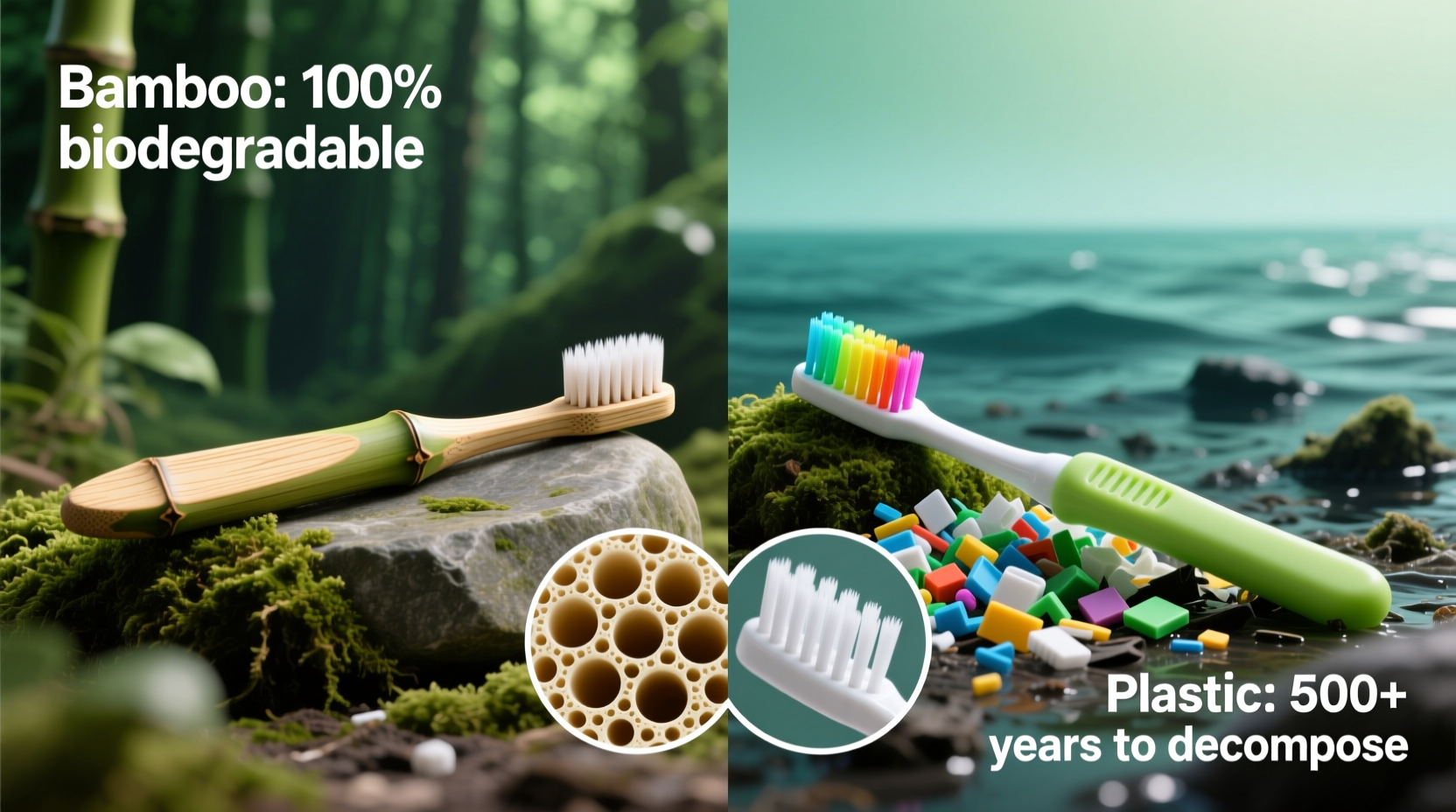
The core distinction between bamboo and plastic toothbrushes lies in their handle material. Plastic brushes are typically made from polypropylene or nylon-6, petroleum-based polymers derived from fossil fuels. These materials are durable but non-biodegradable, persisting in ecosystems for centuries. In contrast, bamboo toothbrush handles are crafted from Moso bamboo, a fast-growing grass species that regenerates rapidly without replanting and absorbs more carbon dioxide per hectare than most trees.
Bamboo’s natural antimicrobial properties make it resistant to mold and bacteria under normal conditions. However, the bristles on most bamboo toothbrushes are still made from nylon—often nylon-6 or nylon-4—meaning they aren’t fully biodegradable. Some brands now offer plant-based bristles derived from castor oil (PA610), which degrade faster than traditional nylon but require industrial composting facilities to break down properly.
Dental Effectiveness: Do They Clean as Well?
A toothbrush’s primary job is removing plaque and preventing gum disease. How well it performs depends less on the handle material and more on bristle type, arrangement, and user technique. Most bamboo toothbrushes feature medium-soft bristles arranged in crisscross or tapered patterns similar to conventional brushes. Independent tests by consumer labs show no significant difference in plaque removal between high-quality bamboo and plastic models when used correctly.
However, some users report that bamboo handles can feel heavier or more textured than sleek plastic ones. While this may improve grip for some, others find the grain uneven or prone to splintering if exposed to prolonged moisture. Proper drying after use significantly extends lifespan and prevents degradation.
“From a clinical standpoint, the material of the handle has zero impact on cleaning efficacy. What matters are bristle softness, head size, and brushing habits.” — Dr. Lena Torres, Dental Hygienist and Oral Health Educator
That said, not all bamboo brushes meet the same quality standards. Cheaper versions may use brittle bamboo or poorly attached bristles that fall out prematurely. Always choose reputable brands that clearly disclose bristle composition and adhere to ISO safety standards.
Environmental Impact: Lifecycle Comparison
To assess true sustainability, we must examine the entire lifecycle: raw material extraction, manufacturing, transportation, usage, and disposal.
- Plastic Toothbrushes: Depend on non-renewable oil reserves. Production emits greenhouse gases and microplastics. After six weeks of average use, they’re discarded and remain intact for 400+ years.
- Bamboo Toothbrushes: Grown without pesticides, harvested sustainably, and processed with lower energy inputs. Handles decompose within 4–6 months in compost conditions. However, shipping from Asia (where most are produced) adds to carbon emissions.
The biggest caveat? Even bamboo brushes aren’t zero-waste unless the bristles are removed before composting. Since most bristles are glued in, separating them requires pliers or wire cutters—a step many consumers skip.
Comparison Table: Bamboo vs. Plastic Toothbrushes
| Factor | Bamboo Toothbrush | Plastic Toothbrush |
|---|---|---|
| Handle Material | Natural Moso bamboo | Polypropylene (plastic) |
| Bristle Type | Nylon or plant-based polymer | Nylon-6 (non-biodegradable) |
| Biodegradability | Handle: Yes (with proper prep); Bristles: No (unless specified) | No – persists for centuries |
| Carbon Footprint (approx.) | Lower during production; higher if shipped long distances | High due to fossil fuel dependence |
| Lifespan | 2–3 months (same as plastic) | 2–3 months |
| End-of-Life Options | Compost handle, recycle bristles (if possible) | Landfill only |
| Cost (average per unit) | $2.50–$4.00 | $0.50–$1.50 |
While bamboo wins in renewable sourcing and biodegradability, its overall environmental benefit hinges on responsible disposal and supply chain transparency. A locally produced recycled-plastic brush might have a smaller footprint than an organic bamboo model flown across continents.
Real-World Example: One Family’s Switch to Sustainable Brushing
The Chen family of Portland, Oregon, decided to eliminate single-use plastics from their bathroom two years ago. They switched to bamboo toothbrushes, bought in bulk from a U.S.-based company using domestically sourced bamboo and plant-based bristles. At first, they struggled with how to dispose of the old brushes. Their city didn’t accept mixed-material items in compost bins, so they began storing used heads in a jar until they could remove the bristles manually.
After six months, they partnered with a local zero-waste group to host quarterly brush recycling events. Participants bring used brushes, volunteers extract bristles with pliers, and the bamboo is sent to a commercial composter. Over 1,200 brushes have been diverted from landfills through these efforts. According to Sarah Chen, “It’s more work than tossing a plastic brush, but knowing we’re not adding to ocean pollution makes it worth it.”
Their experience highlights a key truth: sustainable products only deliver results when paired with informed habits and community infrastructure.
How to Use and Dispose of Bamboo Toothbrushes Responsibly
Simply buying a bamboo toothbrush isn’t enough. To maximize environmental benefits, follow these steps:
- Rinse thoroughly after each use to prevent bacterial buildup.
- Store upright in a dry, ventilated holder—never in a closed container where moisture accumulates.
- Replace every 3 months or when bristles fray, just like plastic brushes.
- Remove bristles before disposal using pliers or scissors.
- Compost the handle in a backyard bin or municipal facility (check local rules).
- Recycle the bristles if your area accepts #6 nylon or send them to specialty programs like Terracycle.
Sustainable Toothbrush Checklist
- ✅ Choose brushes with FSC-certified or organically grown bamboo
- ✅ Opt for plant-based or recyclable bristles (e.g., castor oil-based PA610)
- ✅ Buy from brands that offset shipping emissions or manufacture regionally
- ✅ Remove bristles before composting the handle
- ✅ Support companies offering take-back or recycling programs
Common Misconceptions About Bamboo Brushes
Despite growing popularity, several myths persist:
- Myth: All bamboo toothbrushes are 100% biodegradable.
Truth: Only the handle is. Bristles usually contain plastic and must be separated. - Myth: Bamboo farming always harms ecosystems.
Truth: Moso bamboo is rarely grown in panda habitats and doesn’t require deforestation when managed responsibly. - Myth: They last longer than plastic brushes.
Truth: Lifespan is comparable—about 90 days—with proper care. - Myth: They’re automatically better for the planet.
Truth: If improperly disposed of or shipped inefficiently, their advantage diminishes.
Green claims should be scrutinized. Look for third-party certifications like USDA Organic, FSC, or Biodegradable Products Institute (BPI) approval to verify environmental claims.
Frequently Asked Questions
Can I compost my bamboo toothbrush at home?
You can compost the handle, but only after removing the bristles. Most household compost systems won’t break down nylon. Ensure the bristles are disposed of separately—ideally through a specialized recycler.
Are bamboo toothbrushes safe for sensitive gums?
Yes, provided they have soft or extra-soft bristles. Handle material doesn’t affect gum sensitivity. Many bamboo brushes are designed specifically for gentle cleaning and come with tapered filaments for hard-to-reach areas.
Do bamboo toothbrushes contribute to deforestation?
Not when sourced responsibly. Moso bamboo grows primarily in China and doesn’t require clearing forests. It spreads via rhizomes and reaches maturity in 3–5 years, making it one of the most renewable woody resources available.
Conclusion: A Step Forward, But Not a Silver Bullet
Bamboo toothbrushes represent a meaningful shift toward reducing plastic waste in personal care. They offer a renewable, biodegradable alternative to petroleum-based handles and raise awareness about everyday consumption habits. For individuals committed to lowering their ecological footprint, switching to bamboo is a practical and symbolic step.
Yet they aren’t a cure-all. Their environmental gains depend heavily on proper disposal, bristle composition, and logistics. Without systemic changes—like improved recycling access and reduced global shipping footprints—even the greenest toothbrush falls short.
The best approach combines smart product choices with consistent habits: brushing twice daily, replacing worn brushes promptly, drying them well, and disposing of components responsibly. Whether your handle is bamboo or recycled plastic, conscious usage matters more than material alone.




 浙公网安备
33010002000092号
浙公网安备
33010002000092号 浙B2-20120091-4
Comments
No comments yet. Why don't you start the discussion?