
Choosing the right bed sheets isn’t just about aesthetics or thread count—it’s deeply personal, especially when you have sensitive skin. For those prone to irritation, redness, or allergic reactions, the fabric that touches your body for eight hours a night can make all the difference. Two of the most popular natural fiber options—bamboo and cotton—are often praised for their comfort and sustainability. But when it comes to soothing delicate skin, which one truly performs better?
This comparison dives beyond marketing claims to examine how bamboo and cotton sheets affect sensitive skin based on scientific properties, dermatological insights, and real-world user experiences. From moisture-wicking abilities to chemical processing methods, we’ll break down what matters most so you can sleep soundly—literally.
The Skin-Sheet Connection: Why Fabric Matters
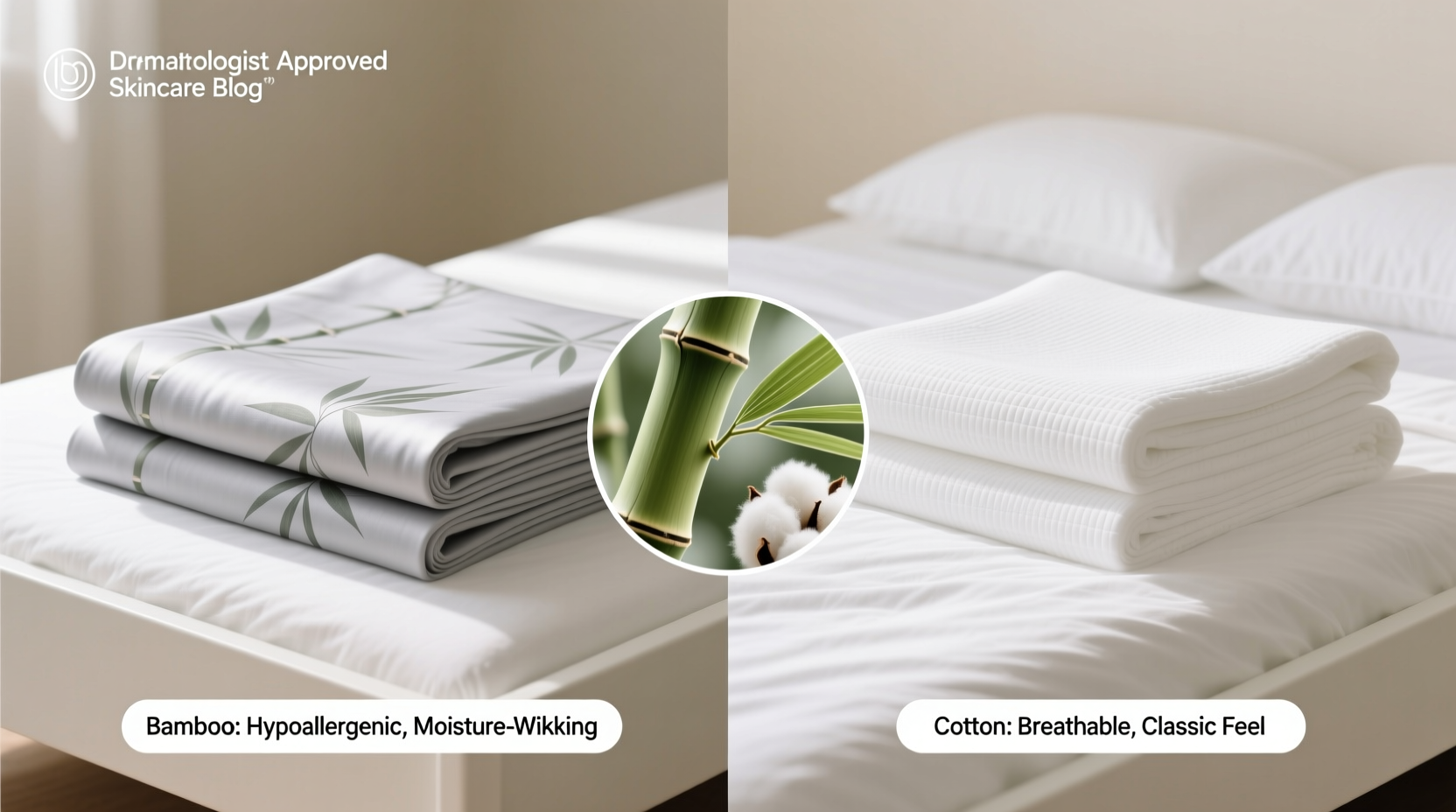
Your skin is your largest organ, and it doesn’t shut off at bedtime. While you sleep, it continues to breathe, regulate temperature, and repair itself. The wrong bedding can disrupt this process by trapping heat, encouraging bacterial growth, or introducing irritants through dyes and finishes.
Sensitive skin types—including those with eczema, rosacea, psoriasis, or general reactivity—often react to friction, allergens, or synthetic residues. That’s why the physical and chemical makeup of your sheets directly influences comfort and skin health. Factors like fiber smoothness, breathability, pH balance, and manufacturing transparency are critical.
Natural fibers like bamboo and cotton generally outperform synthetics such as polyester in these areas, but even among naturals, differences emerge that can tip the scale for sensitive users.
Bamboo Sheets: The Hypoallergenic Contender
Bamboo-derived viscose (also called bamboo rayon) has surged in popularity due to its silky texture and eco-friendly image. Unlike traditional cotton farming, bamboo grows rapidly without pesticides, requires minimal water, and regenerates from its roots—making it a sustainable raw material.
When processed into fabric, bamboo fibers are naturally smooth and round, lacking the microscopic spurs found in some cotton varieties. This structural quality reduces surface friction against the skin, minimizing abrasion during movement at night.
More importantly, bamboo contains a bio-agent called “bamboo kun,” which gives the plant natural resistance to pests and fungi. While most of this compound is lost during industrial processing, studies suggest that residual antimicrobial properties may persist in the final fabric, reducing odor-causing bacteria and mold growth—both common triggers for skin flare-ups.
Benefits of Bamboo for Sensitive Skin
- Ultra-soft texture: Comparable to silk or cashmere, gentle on inflamed or thin skin.
- Naturally breathable: Wicks moisture efficiently, helping prevent sweat buildup that can trigger irritation.
- Thermoregulating: Keeps you cooler in summer and warmer in winter, reducing overheating-related rashes.
- Low environmental impact: Sustainable sourcing supports ethical consumerism without compromising skin safety.
However, not all bamboo sheets are created equal. Most are made via a chemical-intensive viscose process involving sodium hydroxide and carbon disulfide. If not properly washed and certified, trace residues could remain. Always opt for closed-loop production systems and third-party certifications like OEKO-TEX®, GOTS, or FSC to ensure purity.
Cotton Sheets: The Classic Choice Revisited
Cotton remains the world’s most widely used textile fiber, and for good reason. It's breathable, absorbent, and generally well-tolerated. High-quality long-staple varieties like Egyptian, Pima, and Supima cotton offer exceptional softness and durability.
For people with sensitive skin, organic cotton stands out because it avoids synthetic fertilizers, pesticides, and genetically modified organisms. These agricultural toxins can linger in conventional cotton fibers and contribute to dermal sensitivity over time. Organic cotton also tends to use gentler dyeing processes, further reducing exposure to irritants.
Despite its reputation, cotton does have limitations. Its absorbency means it holds onto moisture longer than bamboo, creating a more favorable environment for bacteria and dust mites—common allergens linked to eczema and asthma. Additionally, lower-grade cottons with shorter fibers can feel rougher due to exposed fiber ends, increasing the risk of micro-abrasions.
“Even mild friction from coarse bedding can compromise the skin barrier in patients with atopic dermatitis.” — Dr. Lena Patel, Dermatologist & Clinical Researcher
Types of Cotton and Their Skin Impact
| Type | Fiber Length | Softness | Best For Sensitive Skin? |
|---|---|---|---|
| Conventional Upland | Short | Moderate | No – higher chemical load and coarser feel |
| Egyptian / Pima | Long | High | Yes – if organically grown and untreated |
| Organic Cotton | Varies | Good to High | Yes – especially when GOTS-certified |
The key takeaway? Not all cotton is problematic, but choosing the right kind matters. A high-thread-count Egyptian cotton sheet made with organic practices and non-toxic dyes can be an excellent option for sensitive skin—though typically at a higher price point.
Head-to-Head Comparison: Key Factors for Sensitive Skin
To determine which fabric wins for sensitive skin, let’s compare them across five essential categories:
| Factor | Bamboo Sheets | Cotton Sheets |
|---|---|---|
| Softness | Extremely soft from first use; smoother fiber surface | Softer over time; premium types start soft, others stiff initially |
| Breathability | Excellent airflow; wicks moisture 40% faster than cotton | Good, but retains more moisture; can feel damp in humidity |
| Hypoallergenic Qualities | Naturally resistant to microbes; fewer allergens | Depends on type; organic is better, but still attracts mites |
| Durability | Stronger wet strength; lasts 3–5 years with care | Long-lasting; high-end cotton can last 5+ years |
| Environmental Processing | Risk of chemical residue unless certified; closed-loop preferred | Organic avoids pesticides; low-impact dyes reduce toxicity |
In direct comparison, bamboo edges ahead in softness, moisture management, and microbial resistance—all crucial for sensitive skin. Cotton, particularly organic long-staple versions, offers proven reliability and longevity but lags slightly in moisture control and initial gentleness.
Real User Experience: A Case Study
Consider Sarah, a 34-year-old teacher with chronic eczema. She had tried multiple bedding materials over the years, often waking up with itchy patches on her arms and back. After switching to conventional cotton sheets marketed as “luxury soft,” she noticed no improvement—sometimes even worsening symptoms during humid months.
On her dermatologist’s recommendation, she switched to OEKO-TEX® certified bamboo sheets. Within two weeks, she reported reduced nighttime itching and fewer morning flare-ups. “It wasn’t dramatic, but I stopped reaching for my steroid cream every other day,” she said. “The sheets stay cool, don’t cling when I sweat, and feel like they glide instead of drag.”
After six months, Sarah reintroduced high-end organic cotton sheets for comparison. While comfortable, she found them warmer and slower to dry after washing. Her skin remained stable but didn’t improve further. She ultimately returned to bamboo as her primary bedding.
This example reflects broader trends seen in consumer reviews and clinical observations: individuals with reactive skin conditions often report greater relief with bamboo, particularly in warm or humid climates where moisture control is paramount.
How to Choose the Right Sheets: A Practical Checklist
Whether you lean toward bamboo or cotton, follow this checklist to protect sensitive skin:
- Check certification labels: Prioritize OEKO-TEX®, GOTS (Global Organic Textile Standard), or FSC for traceable, safe production.
- Avoid added fragrances or formaldehyde finishes: These are common in wrinkle-resistant or “easy-care” blends and can cause contact dermatitis.
- Opt for natural dyes: Plant-based or low-impact dyes reduce chemical exposure.
- Wash before first use: Removes processing residues and pre-shrinks fabric.
- Choose a weave: Sateen (smooth) or jersey (stretchy) tends to be gentler than percale (crisp), depending on preference.
- Replace every 2–3 years: Even high-quality sheets degrade and accumulate allergens over time.
Care Tips to Maximize Skin Comfort
No matter which fabric you choose, proper maintenance extends both lifespan and skin compatibility.
For Bamboo Sheets
- Wash in cold water on gentle cycle
- Use mild, biodegradable detergent
- Tumble dry on low or line dry to prevent pilling
- Avoid bleach and fabric softeners—they degrade fibers and leave residues
For Cotton Sheets
- Can tolerate warm water washes (except for dark colors)
- Line drying preserves fiber integrity and adds natural UV disinfection
- Iron while slightly damp for crispness (optional)
- Rotate sets weekly to reduce wear and allergen buildup
Overwashing can strip natural oils and accelerate fiber breakdown, so aim for once every 7–10 days unless soiled. Rotate between two sets to allow full airing between uses.
Frequently Asked Questions
Are bamboo sheets really better for allergies?
Yes, in many cases. Bamboo’s natural resistance to dust mites, mold, and bacteria makes it less likely to harbor common allergens. Combined with its low chemical profile when certified, it’s a strong choice for allergy sufferers. However, individual sensitivities vary—always patch-test if uncertain.
Do bamboo sheets pill easily?
Pilling can occur if sheets are washed with rough fabrics (like towels or zippers) or dried on high heat. High-quality bamboo with tight sateen weaves resists pilling longer. Proper care significantly reduces this risk.
Is organic cotton safer than bamboo?
Both can be safe. Organic cotton eliminates pesticide exposure at the source, while bamboo offers inherent antimicrobial traits. Safety depends more on processing than origin. A certified bamboo sheet is likely safer than a non-certified organic cotton one if the latter uses toxic dyes or finishes.
Final Verdict: Which Should You Choose?
For most people with sensitive skin, **bamboo sheets hold a slight but meaningful advantage** over cotton. Their superior softness, moisture-wicking performance, and natural resistance to microbes address core triggers of irritation. When sourced responsibly—with certifications like OEKO-TEX® or GOTS—they offer a clean, cool, and gentle sleeping surface ideal for reactive skin conditions.
That said, high-quality organic cotton—especially long-staple, undyed, or naturally colored varieties—remains a trustworthy alternative. It’s particularly suitable for those who prefer a crisper feel or live in cooler climates where moisture retention isn’t a concern.
The best choice ultimately depends on your specific skin needs, climate, and values around sustainability. Some users even keep both: bamboo for summer and sensitive flare-up periods, cotton for winter or rotation.
“The ideal bedding supports the skin barrier, not compromises it. For sensitive patients, I increasingly recommend bamboo as a first-line option due to its combination of softness, breathability, and low allergenic potential.” — Dr. Arjun Mehta, Board-Certified Dermatologist
Take Action Tonight
Your bedroom should be a sanctuary, not a source of discomfort. If you’ve been struggling with unexplained itching, redness, or disrupted sleep due to overheating, consider upgrading your sheets—not just for luxury, but for health.
Start by evaluating your current bedding: check labels, assess texture, and review care habits. Then, try a certified bamboo sheet set for 30 nights. Track changes in skin condition and sleep quality. You might discover that the simplest change—what touches your skin—is the most transformative.




 浙公网安备
33010002000092号
浙公网安备
33010002000092号 浙B2-20120091-4
Comments
No comments yet. Why don't you start the discussion?